
• KGS/USD = 0.01144 0%
  • KZT/USD = 0.00216 0%
  • TJS/USD = 0.10562 0%
  • UZS/USD = 0.00008 0%
  • TMT/USD = 0.28530 0%
  • KGS/USD = 0.01144 0%
  • KZT/USD = 0.00216 0%
  • TJS/USD = 0.10562 0%
  • UZS/USD = 0.00008 0%
  • TMT/USD = 0.28530 0%
  • KGS/USD = 0.01144 0%
  • KZT/USD = 0.00216 0%
  • TJS/USD = 0.10562 0%
  • UZS/USD = 0.00008 0%
  • TMT/USD = 0.28530 0%
  • KGS/USD = 0.01144 0%
  • KZT/USD = 0.00216 0%
  • TJS/USD = 0.10562 0%
  • UZS/USD = 0.00008 0%
  • TMT/USD = 0.28530 0%
  • KGS/USD = 0.01144 0%
  • KZT/USD = 0.00216 0%
  • TJS/USD = 0.10562 0%
  • UZS/USD = 0.00008 0%
  • TMT/USD = 0.28530 0%
  • KGS/USD = 0.01144 0%
  • KZT/USD = 0.00216 0%
  • TJS/USD = 0.10562 0%
  • UZS/USD = 0.00008 0%
  • TMT/USD = 0.28530 0%
  • KGS/USD = 0.01144 0%
  • KZT/USD = 0.00216 0%
  • TJS/USD = 0.10562 0%
  • UZS/USD = 0.00008 0%
  • TMT/USD = 0.28530 0%
  • KGS/USD = 0.01144 0%
  • KZT/USD = 0.00216 0%
  • TJS/USD = 0.10562 0%
  • UZS/USD = 0.00008 0%
  • TMT/USD = 0.28530 0%

Viewing results 1 - 6 of 6

Kyrgyzstan Faces Elite Realignment as Tashiyev Network Comes Under Pressure

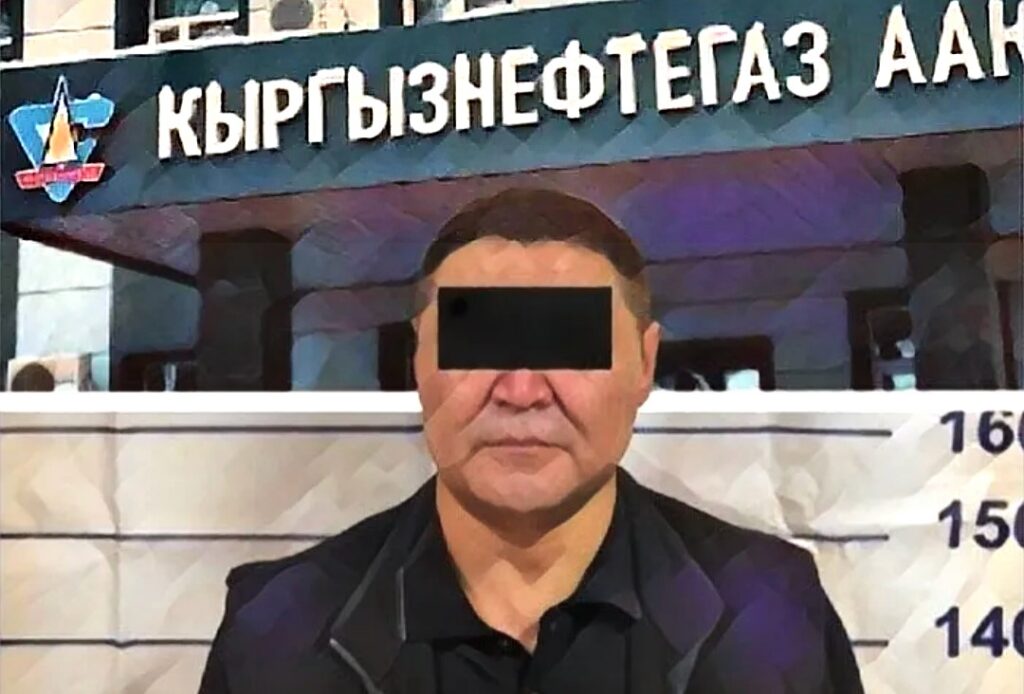
In the last week, political tensions in Kyrgyzstan have risen following the arrest of Shairbek Tashiyev, the brother of Kamchybek Tashiyev, the former head of the State Committee for National Security (GKNB). Shairbek, a former member of the Jogorku Kenesh, Kyrgyzstan’s parliament, was detained on April 1 following questioning at the Ministry of Internal Affairs. The case unfolds against the backdrop of a widening rift between President Sadyr Japarov and his once long-time ally Tashiyev, who played a key role in helping Japarov consolidate power following the political upheaval of October 2020. After coming to power, President Japarov and Tashiyev built one of the most consolidated political tandems in Kyrgyzstan’s post-Soviet history, concentrating authority across the presidency, parliament, and security structures. In February, Tashiyev was removed from his position, followed by what observers described as a broader sidelining of his allies within security structures and parliament. This fueled speculation about a breakdown in the political partnership that had underpinned relative stability in recent years. Shairbek Tashiyev is now a central suspect in a corruption investigation involving the state-owned company Kyrgyzneftegaz. The Ministry of Internal Affairs announced the criminal case on March 17, following materials released by the State Tax Service alleging financial misconduct within the company. According to investigators, former executives of Kyrgyzneftegaz and affiliated private entities were detained shortly after the case was opened. A criminal case was initiated under Article 336 of the Criminal Code, alleging “Corruption.” Among those detained was former National Bank head Melis Turgunbayev, whose pretrial detention was later changed to house arrest by a court in Bishkek. It later emerged that another of those initially detained was Baigazy Matisakov, identified as a nephew of Kamchybek Tashiyev. He was subsequently released after reportedly reaching an agreement with investigators. On April 2, a court ordered Shairbek Tashiyev to remain in custody until May 16, 2026. His lawyer stated that he denies the charges and considers them unfounded. The investigation, led by the State Tax Service and the Ministry of Internal Affairs, covers Kyrgyzneftegaz’s operations from 2021 to 2025. Authorities allege total financial violations amounting to 4.1 billion soms (approximately $46.5 million), including lost profits and unpaid taxes. Investigators have outlined three main alleged schemes that they are continuing to investigate. The first involved intermediary companies allegedly linked to individuals close to the Tashiyev family, which resold oil to the Kyrgyz Petroleum Company refinery. The second involved the write-off of raw materials, with around 20,000 tons of oil reportedly classified as “technological losses” beyond established norms. The third concerned preferential sales, with diesel and fuel oil allegedly sold at below-market prices to favored companies. The case is being watched closely in Kyrgyzstan, where elite reshuffles have historically signaled broader political realignments rather than isolated legal actions. It remains unclear whether the investigation will expand further and implicate additional individuals connected to Tashiyev or what the potential impact could be on the broader political environment within the country. 
Lavrov in Uzbekistan: Criticism, Controversy, and Clashing Narratives

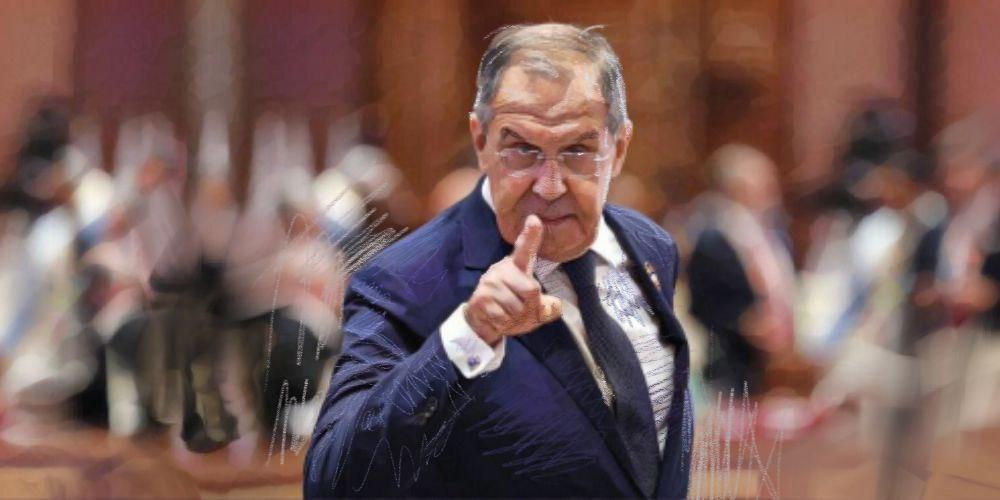
Russian Foreign Minister Sergey Lavrov’s official visit to Uzbekistan this week has triggered significant public and political responses, particularly after remarks he made during a visit to the Motamsaro Ona (Grieving Mother) memorial in Samarkand. While at the memorial, which honors Uzbek soldiers who died during World War II and features inscriptions in Uzbek and English, Lavrov pointed out the absence of a Russian-language text. “There is an inscription in English, but I didn’t see one in Russian. A mother is the most sacred figure,” Lavrov reportedly told his tour guide, according to TASS. Uzbekistan’s Foreign Minister Bakhtiyor Saidov was present during the exchange. Photographs released by the Russian Foreign Ministry show Lavrov laying flowers at the site, accompanied by an honor guard. Lavrov was in Uzbekistan for a two-day official visit. On April 23, he met with President Shavkat Mirziyoyev to discuss bilateral ties and regional cooperation, including trade, energy, and security issues. [caption id="attachment_31165" align="aligncenter" width="1280"] Sergey Lavrov lays flowers at the Grieving Mother memorial in Samarkand; image: MFA Russia[/caption] Domestic Responses to Lavrov’s Remarks Lavrov’s observation about the memorial sparked criticism from several Uzbek public figures. Alisher Qodirov, a member of parliament and leader of the Milliy Tiklanish (National Revival) party, stated that “Russian politicians seem to be trying every possible way to portray Uzbekistan as disrespectful to Russian language and culture... Lavrov surely understands that forced respect and invented needs only create the opposite effect.” Sherzodkhon Qudratkhodja, rector of the University of Journalism and Mass Communications of Uzbekistan, was similarly outspoken. “It is inappropriate for a Foreign Minister from another country to come here and criticize us,” he said. “After all, we are not their colony.” Qudratkhodja further criticized Russia’s treatment of Uzbek labor migrants. “Why are our migrants in Russia discriminated against? Why do Russian officials remain silent when local authorities, migration services, or police violate their basic human rights?” he asked. “If Mr. Lavrov wants to speak about sacred symbols like mothers, Uzbekistan can remind him that human rights are sacred, too.” Mutual Recriminations and Educational Policy Lavrov also addressed Uzbekistan’s engagement with the EU, prompting a further response from Qudratkhodja. “No one has the right to interfere in Uzbekistan’s internal affairs,” he said. “This includes independently determining our level of relations with the European Union. It demonstrates our state’s multi-vector foreign policy.” Coinciding with Lavrov’s visit, Uzbekistan’s Ministry of Preschool and School Education introduced a new requirement: all graduating students, including those from non-Uzbek-language schools, must now pass an exam in the Uzbek state language, a move widely viewed as part of broader efforts to reinforce national identity. At a joint press conference, Lavrov emphasized the closeness of Uzbekistan-Russia relations. “You feel this closeness when you are here, not only at the official level but also at the human level,” he said. Foreign Minister, Saidov responded by underscoring Uzbekistan’s balanced diplomacy: “Our country does not compare friends. We are close to all our strategic partners and friendly countries.” Labor Migration and Energy Cooperation...
