• KGS/USD = 0.01143 0%
  • KZT/USD = 0.00205 0%
  • TJS/USD = 0.10433 0.1%
  • UZS/USD = 0.00008 0%
  • TMT/USD = 0.28577 0%
  • KGS/USD = 0.01143 0%
  • KZT/USD = 0.00205 0%
  • TJS/USD = 0.10433 0.1%
  • UZS/USD = 0.00008 0%
  • TMT/USD = 0.28577 0%
  • KGS/USD = 0.01143 0%
  • KZT/USD = 0.00205 0%
  • TJS/USD = 0.10433 0.1%
  • UZS/USD = 0.00008 0%
  • TMT/USD = 0.28577 0%
  • KGS/USD = 0.01143 0%
  • KZT/USD = 0.00205 0%
  • TJS/USD = 0.10433 0.1%
  • UZS/USD = 0.00008 0%
  • TMT/USD = 0.28577 0%
  • KGS/USD = 0.01143 0%
  • KZT/USD = 0.00205 0%
  • TJS/USD = 0.10433 0.1%
  • UZS/USD = 0.00008 0%
  • TMT/USD = 0.28577 0%
  • KGS/USD = 0.01143 0%
  • KZT/USD = 0.00205 0%
  • TJS/USD = 0.10433 0.1%
  • UZS/USD = 0.00008 0%
  • TMT/USD = 0.28577 0%
  • KGS/USD = 0.01143 0%
  • KZT/USD = 0.00205 0%
  • TJS/USD = 0.10433 0.1%
  • UZS/USD = 0.00008 0%
  • TMT/USD = 0.28577 0%
  • KGS/USD = 0.01143 0%
  • KZT/USD = 0.00205 0%
  • TJS/USD = 0.10433 0.1%
  • UZS/USD = 0.00008 0%
  • TMT/USD = 0.28577 0%

Viewing results 1 - 6 of 11

Kyrgyzstan to Continue Electricity Imports in 2026 to Cover Power Deficit

Kyrgyzstan’s Cabinet of Ministers has confirmed that the country will continue importing electricity in 2026 to compensate for a persistent shortfall in domestic power generation, Deputy Energy Minister Altynbek Rysbekov said during a meeting of a parliamentary committee. According to Rysbekov, Kyrgyzstan currently produces around 14.5 billion kilowatt-hours of electricity per year, while overall demand exceeds domestic supply by approximately 4.5 billion kilowatt-hours. To bridge the gap, the country imported about 4.3 billion kilowatt-hours of electricity in 2025, and officials expect similar volumes will be required next year. Rysbekov said electricity imports remain necessary to meet consumption needs, particularly during periods of peak demand. Electricity is sold to households at a socially regulated tariff that does not fully reflect production and import costs, with the difference absorbed by the national power company, NENK, placing a continued strain on the utility’s finances. The deputy minister acknowledged that reliance on imported electricity reflects deeper structural challenges in Kyrgyzstan’s energy sector. The country remains heavily dependent on hydropower, with the Toktogul Hydroelectric Power Station alone supplying about 40% of the country’s electricity, leaving generation vulnerable to fluctuating water levels at major reservoirs. Reduced inflows and steadily rising domestic consumption have contributed to recurring electricity shortages in recent years. Officials said the government’s medium- and long-term strategy is aimed at reducing dependence on electricity imports by expanding domestic generation capacity and diversifying energy sources. Rysbekov noted that efforts are underway to attract investment into renewable energy projects, including wind and solar power, alongside upgrades to existing infrastructure. The Energy Ministry has previously said that increasing non-hydropower generation is essential to improving energy security and reducing seasonal risks, particularly during dry years. However, officials have cautioned that new capacity will take time to come online, making electricity imports unavoidable in the near term. Kyrgyzstan has relied on electricity imports from neighboring countries during periods of deficit for much of the past decade, a pattern authorities say will continue until long-standing imbalances between supply and demand in the energy sector are addressed.

Kyrgyzstan and Tajikistan Brace for Winter Power Shortages

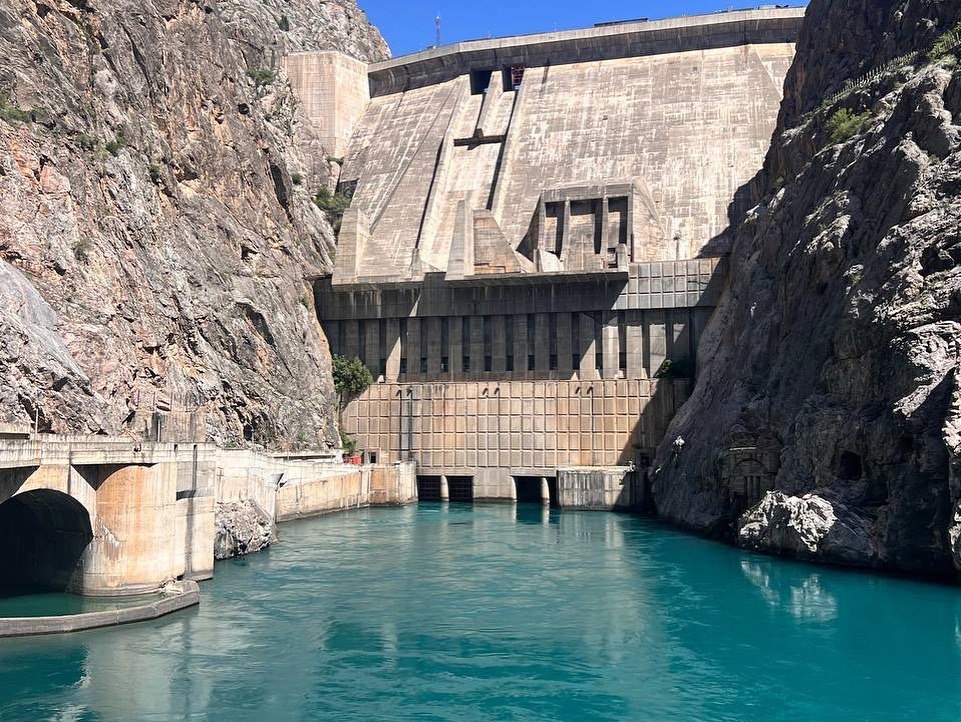
As winter approaches, Kyrgyzstan is warning of potential electricity shortfalls due to critically low water levels in its hydro-reservoirs, and authorities are rolling out emergency measures. These include urging electricity conservation, shutting down all cryptocurrency mining farms to relieve grid pressure, increasing electricity imports, and accelerating repairs and upgrades to aging power-generation infrastructure. Officials with the Ministry of Energy and Industry of the Kyrgyz Republic say the reserves in key hydropower reservoirs are at their lowest level in more than a decade. At the same time, demand for electricity in homes and businesses is forecast to increase significantly this winter because of colder temperatures. The gap between supply and demand has forced the government to ask households to reduce electricity use during peak hours. Historically, Kyrgyzstan has relied heavily on hydropower. The country’s flagship facility, the Toktogul Hydroelectric Power Station, supplies roughly 40% of the nation's electricity. But its reservoirs are fed primarily by spring and summer snowmelt. In recent years, melting snow has arrived earlier and run-off has fallen, shrinking water levels. According to the International Renewable Energy Agency (IRENA), Kyrgyzstan’s hydroelectric system faces serious seasonal variability in its generational capacity. This winter’s challenge is compounded by weak output from thermal plants and delayed maintenance. The government reports that the ageing coal-fired and gas-fired plants in the north and south of the country require urgent repairs, with rehabilitating the plant in Bishkek alone set to cost around $150 million. With limited funds, several units will remain offline during the cold months. The immediate consequences for households are already appearing. Residents in Bishkek and surrounding regions have reported recurrent evening outages sometimes lasting a few hours. Landlord-run apartment blocks plan to brief residents about schedules for rotating cuts. In smaller towns and villages, citizens fear longer blackouts if the cold deepens. Businesses are also feeling the shock. Small-scale manufacturers report that they have had to halt production during scheduled cuts, eroding profits and increasing costs. Schools and hospitals say they are depending on standby generators. Energy stability plays a central role in Kyrgyzstan’s economy and social well-being. Without reliable power, business productivity falls, heating systems malfunction, and social discontent can spike. In recent years, protests over energy prices and outages have forced the government to scramble for solutions. The current measures are aimed not only at keeping the lights on but maintaining public confidence ahead of looming parliamentary elections. Regionally, Kyrgyzstan’s electricity system interacts with its neighbors. The country imports power from Kazakhstan and exchanges electricity with Uzbekistan, with cross-border feeds from Kazakhstan helping to cover shortages. This winter, Kazakhstan’s own constraints may limit exports, leaving Kyrgyzstan more exposed. Meanwhile, China has offered investment in hydropower expansion as part of regional cooperation. That deal may eventually increase supply, but it will not help in the short term. Meanwhile, neighboring Tajikistan is grappling with comparable winter electricity pressures. The country sources about 95% of its electricity from hydropower and enters the cold season with low reservoir and river flows that sharply...

Kyrgyz Authorities Reject Proposal to Let Wealthy Pay for Unlimited Electricity Amid Winter Deficit

As winter nears, the National Electric Grid of Kyrgyzstan introduced new electricity consumption limits for households, cutting the cap from 5 kilowatts to 3 kilowatts during peak morning and evening hours. At the same time, the company proposed allowing citizens to pay a higher tariff for unlimited electricity usage. The proposal sparked immediate backlash amid Kyrgyzstan’s chronic autumn-winter energy shortages, when many households depend on electric heating. President Sadyr Japarov swiftly condemned the initiative, calling it “unacceptable” during a period of scarcity. He warned that such a measure risked deepening social inequality and ordered the immediate cancellation of the unlimited-use tariff. Japarov also directed officials to implement equitable policies to ensure fair access to electricity for all citizens during the winter. Following the president’s intervention, the Ministry of Energy stated that the proposal had been introduced without its approval. The ministry also announced disciplinary action against the leadership of the National Electric Grid of Kyrgyzstan. On November 6, the Cabinet of Ministers introduced a series of emergency measures aimed at promoting responsible energy consumption. These include restrictions on the use of indoor and outdoor lighting and electrical equipment in government institutions between 6:00 p.m. and 6:00 a.m. Exemptions apply to strategic facilities and institutions that provide defense, security, healthcare, and social services, as well as those operating 24/7. The Cabinet estimates that the new measures could save up to 40 million kilowatt-hours of electricity per month. Government data shows that in the first nine months of 2025, electricity consumption increased by nearly 1 billion kilowatt-hours, largely due to the launch of new industrial sites, schools, and residential developments. Energy Minister Taalaibek Ibraev recently warned that the upcoming winter could be among the most challenging in years, citing critically low water levels at the Toktogul reservoir, which supplies approximately 40% of Kyrgyzstan’s electricity. In 2024, the country consumed 18.3 billion kilowatt-hours of electricity, up 1.1 billion kWh from the previous year. To cover the shortfall, Kyrgyzstan imported 3.6 billion kWh from Kazakhstan, Turkmenistan, Uzbekistan, and Russia. Additional imports have already been secured for the 2025-2026 winter. President Japarov has pledged that Kyrgyzstan will achieve energy self-sufficiency during winter months within two and a half years. “In two and a half years, we will no longer import electricity during winter. We will have enough domestically produced power,” Japarov said, urging citizens to remain patient as the government works to address the crisis. The country’s long-term energy security hinges on the construction of the Kambarata-1 Hydropower Plant, which is expected to be the largest in Kyrgyzstan and Central Asia. Once completed, it will have an installed capacity of 1,860 MW and generate 5.6 billion kilowatt-hours annually. The project is being developed in partnership with Kazakhstan and Uzbekistan.

Kazakhstan Faces Record Power Deficit as Electricity Shortfall Hits 2.4 Billion kWh

Kazakhstan has experienced its most significant electricity imbalance in recent years. According to data from Energyprom.kz, the gap between electricity production and consumption reached 2.4 billion kilowatt-hours (kWh) in 2024, an increase of 200 million kWh from 2023, when the shortfall stood at 2.2 billion kWh. While the country’s total generation amounted to 117.9 billion kWh, domestic consumption exceeded 120.4 billion kWh. Imports Offset Domestic Shortfalls To address this growing energy deficit, Kazakhstan primarily imports electricity from Russia. Smaller volumes are supplied by Kyrgyzstan, although these are typically part of Russian transit deliveries to Kyrgyz consumers. Despite these imports, domestic electricity generation continues to grow at a modest pace. In 2024, total generation rose by 4.2%, with a 3% year-on-year increase recorded in the first two months of 2025. Nevertheless, the production boost has not been sufficient to meet demand, necessitating continued reliance on external suppliers. Decline in Coal Dependence One notable trend is the gradual reduction in Kazakhstan’s dependence on coal-fired thermal power plants (TPPs), traditionally among the most polluting energy sources. In 2024, the share of coal-fired generation declined from 77.4% to 74.9%, equivalent to approximately 88.4 billion kWh of total output. In contrast, the share of alternative power sources increased. Hydroelectric power plants (HPPs) contributed 9.5% of total generation, up 1.8 percentage points year-on-year, while gas turbine power plants (GTPPs) accounted for 10.1%, a 0.3-point increase. Renewable energy sources, including wind, solar, and biogas, produced 6.4 billion kWh, representing 5.4% of total electricity output. Revised Forecasts and Growing Challenges The Ministry of Energy of the Republic of Kazakhstan has updated its projections to reflect the sector’s challenges. As of early 2025, officials estimate the country’s electricity deficit could grow to 5.7 billion kWh by year-end. This revision stems from downgraded forecasts for generation volumes, which are now projected at 117.1 billion kWh, down from an earlier estimate of 121.8 billion kWh. Expectations for the commissioning of new generation capacity have also been lowered, further exacerbating the shortfall. Nonetheless, government planners remain cautiously optimistic. If several large-scale energy projects move forward on schedule, the deficit could shrink to 2.6 billion kWh by the end of 2026. A full build-out of planned capacity could even lead to a surplus. New Capacity and Long-Term Plans The government has outlined plans to construct 59 new energy facilities with a combined capacity of 26.4 gigawatts (GW). These include both new builds and upgrades to existing plants. Major initiatives involve constructing a nuclear power plant (2.4 GW) and a third state district power station (GRES-3) with 2.6 GW of capacity. Additionally, 11 regional centers are set to receive combined-cycle gas turbines with a total capacity of 4.5 GW. Renewable energy is also a key focus. By 2029, Kazakhstan aims to commission four large wind power plants equipped with energy storage systems, totaling 3.8 GW in capacity. These projects are being developed through intergovernmental agreements with investors from the United Arab Emirates, France, and China.

Kyrgyzstan Turns to Alternative Energy to Address Power Deficit

Expanding the use of alternative energy sources is key to overcoming Kyrgyzstan’s persistent electricity shortages, Deputy Chairman of the Cabinet of Ministers Bakyt Torobayev said during a meeting at the Ministry of Energy on March 27. Torobayev acknowledged the country’s chronic power deficit and underscored the need for investment in renewable energy development. “Increasing power generation is today’s top priority,” he stated. In response to the ongoing energy crisis, the Kyrgyz government declared a state of emergency in the energy sector from August 1, 2023, to December 31, 2026. The move was intended to accelerate emergency measures to counter the impacts of climate change, reduced water flows in the Naryn River, a major source of hydropower, rising energy demand, and limited generating capacity. Power Imports Fill the Gap Although Kyrgyzstan has the potential to generate 142 billion kilowatt-hours (kWh) annually, current production stands at just 14 billion kWh, approximately 10% of its hydropower capacity. According to Energy Minister Taalaibek Ibrayev, the country currently generates 3,450 megawatts of electricity, while demand has risen to 3,600 megawatts. In 2024, Kyrgyzstan consumed 18.3 billion kWh, an increase of 1.1 billion kWh over the previous year. Hydropower plants accounted for 12.77 billion kWh, while coal-fired thermal plants produced 1.76 billion kWh. Small private hydropower plants added 156.2 million kWh, and solar installations contributed 0.17 million kWh. To close the gap, Kyrgyzstan imported 3.63 billion kWh of electricity in 2024, an increase of 141.7 million kWh from 2023. Expanding Generation Capacity To alleviate the crisis, the government has launched several major hydropower construction projects. The Ministry of Energy announced ongoing work to install a second hydroelectric unit at the Kambarata-2 Hydropower Plant (HPP). The plant is designed for three units with a combined capacity of 360 megawatts (120 MW each). Currently, only the first unit is operational. The addition of the second unit will significantly enhance the plant’s output. Meanwhile, construction has also begun on the much larger Kambarata-1 HPP on the Naryn River. When completed, it will become Kyrgyzstan’s largest hydropower facility, with a projected capacity of 1,860 megawatts and an expected annual output of 5.6 billion kWh, enough to substantially address the country’s energy shortfall. Embracing Solar and Wind As part of its energy diversification strategy, Kyrgyzstan has also initiated solar and wind energy projects. In 2024, the country began building a 400-megawatt solar power plant and a 100-megawatt wind farm, marking significant steps toward reducing reliance on imported electricity and fossil fuels.