• KGS/USD = 0.01144 0%
  • KZT/USD = 0.00200 0%
  • TJS/USD = 0.10468 -0.1%
  • UZS/USD = 0.00008 0%
  • TMT/USD = 0.28571 0%
  • KGS/USD = 0.01144 0%
  • KZT/USD = 0.00200 0%
  • TJS/USD = 0.10468 -0.1%
  • UZS/USD = 0.00008 0%
  • TMT/USD = 0.28571 0%
  • KGS/USD = 0.01144 0%
  • KZT/USD = 0.00200 0%
  • TJS/USD = 0.10468 -0.1%
  • UZS/USD = 0.00008 0%
  • TMT/USD = 0.28571 0%
  • KGS/USD = 0.01144 0%
  • KZT/USD = 0.00200 0%
  • TJS/USD = 0.10468 -0.1%
  • UZS/USD = 0.00008 0%
  • TMT/USD = 0.28571 0%
  • KGS/USD = 0.01144 0%
  • KZT/USD = 0.00200 0%
  • TJS/USD = 0.10468 -0.1%
  • UZS/USD = 0.00008 0%
  • TMT/USD = 0.28571 0%
  • KGS/USD = 0.01144 0%
  • KZT/USD = 0.00200 0%
  • TJS/USD = 0.10468 -0.1%
  • UZS/USD = 0.00008 0%
  • TMT/USD = 0.28571 0%
  • KGS/USD = 0.01144 0%
  • KZT/USD = 0.00200 0%
  • TJS/USD = 0.10468 -0.1%
  • UZS/USD = 0.00008 0%
  • TMT/USD = 0.28571 0%
  • KGS/USD = 0.01144 0%
  • KZT/USD = 0.00200 0%
  • TJS/USD = 0.10468 -0.1%
  • UZS/USD = 0.00008 0%
  • TMT/USD = 0.28571 0%

Viewing results 1 - 6 of 17

Kyrgyzstan Turns to Coal Power Amid Electricity Shortages

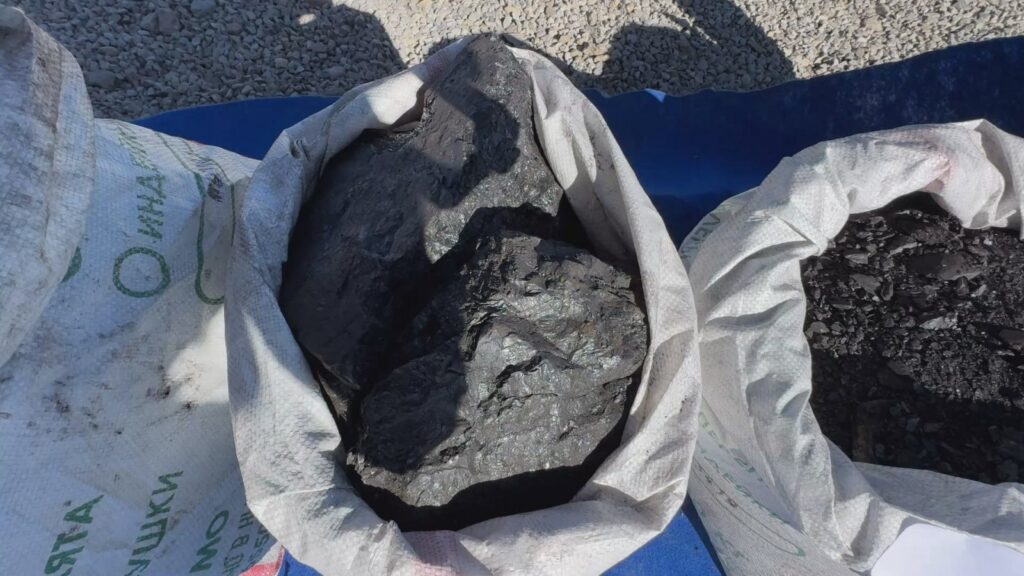
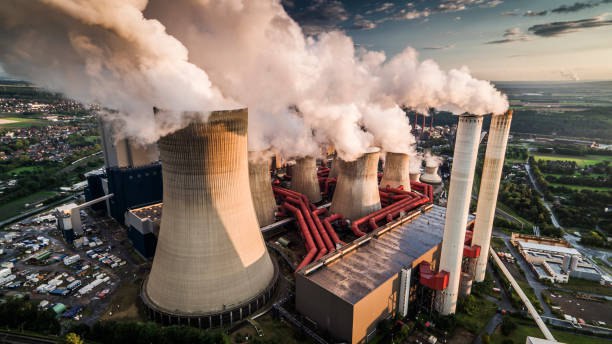
Kyrgyzstan is turning to coal-fired electricity generation as a key strategy to address its chronic energy deficits, particularly acute during winter, when heating demand spikes and reliance on costly imports increases. While the country continues to expand hydropower capacity, the government is emphasizing the role of thermal power as a stable, year-round energy source. Unlike hydropower, which is vulnerable to fluctuating river flows worsened by climate change, coal-fired generation offers a more consistent electricity supply. On January 22, Energy Minister Taalaibek Ibrayev met with representatives of an international consortium that includes the German consulting group GPRC, along with NRP and KCG. The minister proposed the construction of thermal power plants at domestic coal sites. According to the Ministry of Energy, the consortium has expressed its intention to design, finance, and build three coal-fired power plants, each with a capacity of 350 MW for a total of 1,050 MW. The proposed facilities would utilize clean coal technologies aligned with international environmental standards. Before construction begins, specialists will assess coal quality and geological conditions at the proposed sites. Kyrgyzstan’s coal reserves are estimated at around 2 billion tons. In 2024, the country produced 4.396 million tons of coal, with nearly half mined in the Naryn region and the rest in Batken, Osh, and Jalal-Abad. The country’s largest coal deposit is Kara-Keche, a lignite mine in Naryn operated by the state-owned Kyrgyzkomur. In June 2025, Electric Stations OJSC, which generates about 86% of Kyrgyzstan’s electricity, announced a tender to build a 1,200 MW coal-fired power plant near Kara-Keche. The project was structured in two phases: the first involving two 300 MW units at a cost of $934.38 million, and the second, a 600 MW unit valued at $370.6 million. The proposed plant was expected to generate 7.8 billion kWh annually. However, the tender was declared invalid in September 2025 due to incomplete documentation from bidders. Despite the setback, the Ministry of Energy remains committed to attracting international investors, viewing coal-fired power as a transitional solution until long-term hydropower projects are fully operational. Kyrgyzstan exported 1.1 million tons of coal in 2024, valued at $52.7 million. Uzbekistan was the largest buyer, while exports to China surged to 118,200 tons, up from just 13,000 tons in 2023. As electricity demand rises and hydropower faces increasing climate-related constraints, officials see coal-based generation as a pragmatic measure to stabilize the national grid and bolster energy security during a critical transition period.

Rahmon Outlines Measures to Address Tajikistan’s Winter Power Shortages

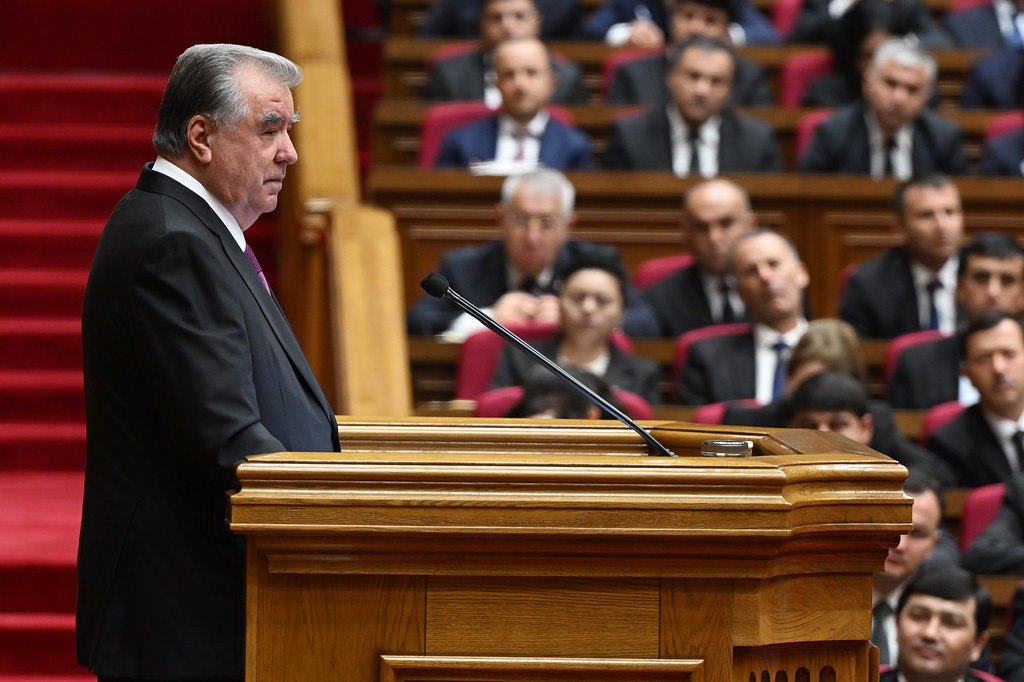
President Emomali Rahmon has acknowledged that Tajikistan’s population continues to endure severe electricity rationing during the winter months, and has outlined steps the government is taking to alleviate the crisis. “We are fully aware of the challenges faced by the people of Tajikistan during the period of temporary restrictions on electricity supply,” Rahmon said in his annual address to parliament on December 16, adding that authorities are implementing all necessary measures to address the issue. Rahmon attributed the shortages primarily to rapid population growth and the expansion of industrial production, both of which have significantly increased domestic electricity consumption. He also cited unfavorable weather conditions, including below-average rainfall last autumn, which reduced water inflows into reservoirs that supply the country’s hydropower plants. He noted that since independence, 1.3 million new homes have been built to accommodate over 8.4 million people. In the past seven years alone, 2,600 new industrial enterprises have begun operations, further raising electricity demand. Despite these pressures, Tajikistan has steadily increased electricity production. Over the past decade, annual generation has risen by 7 billion kilowatt-hours, from 17.2 billion in 2015 to 24.2 billion in 2025, an increase of approximately 40%. However, domestic demand is projected to grow by an additional 31% by 2030 compared to 2025 levels. Over the past ten years, investments in the energy sector have added 1,017 megawatts to the country’s installed capacity. A further 200 megawatts were gained through the rehabilitation and modernization of existing plants. One of the most recent projects was the modernization of the Kairakkum Hydroelectric Power Plant, completed in November 2025, which increased its capacity from 114 megawatts to 174 megawatts. While Tajikistan possesses vast hydropower potential, it has long struggled with chronic energy shortages. In response, the government has prioritized large-scale hydropower projects, particularly the Rogun Dam and Hydropower Plant, which is expected to be central to achieving domestic energy security and establishing Tajikistan as a regional electricity exporter. Rahmon announced that the third generating unit of the Rogun plant is scheduled for commissioning in September 2027, marking a key milestone on the path to full energy independence. In parallel, construction has begun on two large solar power plants, each with a capacity of 250 megawatts, in the Sughd and Khatlon regions. Both facilities are expected to be operational by August 2026. He also emphasized the importance of improving energy efficiency alongside expanding generation capacity. Electricity losses remain high, exceeding 3 billion kilowatt-hours annually. Rahmon called for accelerating the rollout of a nationwide digital billing system, which he said has already reduced losses. The introduction of modern digital billing and payment technologies revealed that 30% to 40% of households were previously not paying for electricity. Since the system’s implementation, losses have declined. In the first 11 months of 2025, total electricity losses stood at approximately 3 billion kilowatt-hours, 500 million kilowatt-hours less than during the same period the previous year.

How Tajikistan Is Struggling to Keep the Lights On Amid Winter Power Shortages

As winter grips Tajikistan, severe electricity restrictions have become a daily reality. While officials claim that recent rainfall has helped partially stabilize the country’s largest hydroelectric power plant, residents across multiple regions report worsening shortages, with power barely available for a few hours each day. Government officials say that water inflow into the Nurek Reservoir has increased following recent rains. Kurbon Ahmadzoda, a representative of the state energy company Barki Tojik, reported an increase of 30-40 cubic meters per second, enabling authorities to supply electricity for four to five hours daily. Earlier, the government had attributed stricter electricity limits to a drop in water levels at the Nurek Hydroelectric Power Plant, which generates over half of Tajikistan’s electricity. A prolonged dry spell had reduced reservoir levels, triggering the latest round of supply cuts. “As of December 9, around seven meters of the reservoir’s total 53-meter reserve have already been used,” Ahmadzoda said, adding that recent rainfall had improved inflows into the Vakhsh River, which feeds the plant. Dustmurod Toirov, head of the Transmission Networks Control Center, confirmed a 15-20% increase in water inflow. As a result, daily depletion of the reservoir dropped from 23 centimeters to 17 centimeters. This, he said, allowed authorities to extend supply in some areas by an additional two to two-and-a-half hours. Toirov also claimed that residents in Khujand, Bokhtar, Kulob, and the Rudaki district were receiving consistent electricity, with high-rise buildings fully supplied. However, social media posts paint a different picture. Dozens of residents report receiving only one to three hours of electricity per day, describing increasing hardship as winter progresses. To address consumption, authorities have implemented strict rationing measures. Toirov said automated power cuts are triggered when household usage exceeds 4 kW, a move he claims has already led to more economical electricity use. In late November, the “Distribution Electric Networks” company sent mass SMS warnings to citizens: exceeding usage limits would result in 30-minute power cuts. Amid the broader energy crisis, the government has also introduced new penalties targeting illegal cryptocurrency mining, which officials say consumes large amounts of stolen electricity. Electricity rationing in Tajikistan typically begins in mid-autumn and continues through spring. However, in the past two years, restrictions have started earlier, as soon as September. The 2024-2025 winter has seen some of the harshest limits yet, with some regions receiving just two to four hours of electricity per day.

Kyrgyzstan Government Temporarily Bans Road Coal Exports as Shipments to China Surge

On December 3, the government of Kyrgyzstan imposed a six-month ban on the export of coal by road transport. The restriction aims to stabilize the domestic market amid rising demand and does not apply to shipments passing through the Irkeshtam and Torugart checkpoints on the border with China. Despite its environmental impact, coal remains a critical fuel source for winter heating in Kyrgyzstan, which continues to face chronic electricity shortages. In an effort to curb domestic price increases, the government introduced temporary state regulation of coal prices in September, effective for 90 days. While domestic needs remain high, coal is also a key export commodity. China has emerged as a growing destination for Kyrgyz coal, with exports reaching 11,600 tons in September 2025, the highest monthly volume recorded this year, according to China’s General Administration of Customs. Data from the National Statistics Committee of Kyrgyzstan shows that in 2024, the country exported 1.1 million tons of coal worth $52.7 million. Uzbekistan remained the largest buyer, importing 996,600 tons. However, exports to China surged to 118,200 tons, up from just 13,000 tons in 2023. In late November, Chairman of the Cabinet of Ministers Adylbek Kasymaliev visited the Torugart border checkpoint and the newly opened Torugart-1 coal mine, which began operations on November 12. Kyrgyzkomur OJSC, the national coal company, holds the exploration license for a 557.6-hectare section of the deposit in the At-Bashy District of Naryn Province. Total reserves are estimated at 423,400 tons. Kasymaliev instructed officials to ensure stable operations at the site and to initiate coal exports from the Torugart-1 mine as soon as possible.

Energy-Saving Measures Introduced in Kyrgyzstan: Who Will Be Affected?

Kyrgyzstan's Cabinet of Ministers has implemented a series of measures aimed at improving energy efficiency and ensuring the rational use of electricity. The move comes amid an electricity shortage caused by persistently low water levels in the country’s main reservoirs. What’s Happening? Officials have reported a record surge in electricity consumption this year, coupled with a continuing regional drought. In response, the government has ordered a restriction on indoor and outdoor lighting between 6p.m. and 6a.m. However, the Cabinet emphasized that the new measures will not apply to strategic facilities, 24-hour operations, or institutions responsible for defense, security, health care, social services, or other critical public functions. “These measures do not affect processes essential to the technological operation of buildings,” stated the government’s press service. According to official estimates, the restrictions could save approximately 40 million kilowatt-hours of electricity per month. This year, Kyrgyzstan has already recorded electricity consumption that exceeds last year’s figures by 1 billion kilowatt-hours. The government attributes the increased demand to the launch of new industrial enterprises, the expansion of social and educational institutions, and ongoing residential construction. The situation is further worsened by declining water inflow to the Naryn River, which feeds the Toktogul Reservoir and its namesake hydroelectric plant. The reservoir's water level is currently 2 billion cubic meters lower than it was during the same period last year. “The Cabinet’s primary objective is to ensure rational water use in the Toktogul Reservoir and reduce the load on the energy system,” the government said. The goal is to prevent the reservoir from reaching a critical low. Who Will Be Responsible? The Ministry of Energy has mandated that all government agencies and state-owned entities switch off power in the evenings and at night once staff have left their workplaces. Heads of municipal bodies and public institutions will bear personal responsibility for any violations of the new regulations. How Are Residents Responding? For now, residents in the private sector report that little has changed. However, there are growing concerns that household power limits may soon be tightened. “They say our electricity consumption will be restricted. It used to be capped at 5 kilowatts at a time, but now they’re talking about reducing it to 3. That would make things much harder, especially if it’s a cold winter,” said Alexander Verkholantsev, a resident of central Bishkek, who spoke with The Times of Central Asia. Authorities have already announced that electricity restrictions for residential consumers during peak hours will be in place from October 2025 through March 2026. Despite this, many households still exceed the 3-kilowatt threshold.

Kyrgyzstan Faces Power Shortages Amid Record Low Water Levels at Toktogul Reservoir

Kyrgyz authorities have warned of potential rolling blackouts this winter due to critically low water levels at the country’s main hydropower facility, the Toktogul Hydroelectric Power Station. At a press conference in Bishkek, Energy Minister Taalaibek Ibraev reported that as of mid-September, the Toktogul reservoir had accumulated just 10.8 billion cubic meters of water, 1.5 billion cubic meters less than at the same time last year. The shortfall significantly limits the country’s electricity generation capacity during peak winter demand. “Kyrgyzstan is facing a persistent energy crisis, exacerbated by insufficient water reserves amid global warming and rising demand for electricity,” Ibraev stated. Hydropower provides around 90 percent of Kyrgyzstan’s electricity. If water levels at Toktogul fall to 6.5 billion cubic meters, the turbines will be unable to function, increasing the risk of large-scale outages. Officials clarified, however, that the current deficit does not necessarily mean the country will face a total blackout during the winter of 2025-26. On the eve of the announcement, energy ministers from Kyrgyzstan, Kazakhstan, and Uzbekistan met in the town of Cholpon-Ata, where they agreed to facilitate electricity transit from Russia and Turkmenistan through their respective territories. “Through joint efforts, we will ensure an uninterrupted power supply to our cities and strengthen regional energy security. We expect our Kazakh and Uzbek colleagues to adhere to the delivery schedules set out in the signed protocols,” Ibraev added.