
• KGS/USD = 0.01143 0%
  • KZT/USD = 0.00211 0%
  • TJS/USD = 0.10793 0.09%
  • UZS/USD = 0.00008 0%
  • TMT/USD = 0.28571 0%
  • KGS/USD = 0.01143 0%
  • KZT/USD = 0.00211 0%
  • TJS/USD = 0.10793 0.09%
  • UZS/USD = 0.00008 0%
  • TMT/USD = 0.28571 0%
  • KGS/USD = 0.01143 0%
  • KZT/USD = 0.00211 0%
  • TJS/USD = 0.10793 0.09%
  • UZS/USD = 0.00008 0%
  • TMT/USD = 0.28571 0%
  • KGS/USD = 0.01143 0%
  • KZT/USD = 0.00211 0%
  • TJS/USD = 0.10793 0.09%
  • UZS/USD = 0.00008 0%
  • TMT/USD = 0.28571 0%
  • KGS/USD = 0.01143 0%
  • KZT/USD = 0.00211 0%
  • TJS/USD = 0.10793 0.09%
  • UZS/USD = 0.00008 0%
  • TMT/USD = 0.28571 0%
  • KGS/USD = 0.01143 0%
  • KZT/USD = 0.00211 0%
  • TJS/USD = 0.10793 0.09%
  • UZS/USD = 0.00008 0%
  • TMT/USD = 0.28571 0%
  • KGS/USD = 0.01143 0%
  • KZT/USD = 0.00211 0%
  • TJS/USD = 0.10793 0.09%
  • UZS/USD = 0.00008 0%
  • TMT/USD = 0.28571 0%
  • KGS/USD = 0.01143 0%
  • KZT/USD = 0.00211 0%
  • TJS/USD = 0.10793 0.09%
  • UZS/USD = 0.00008 0%
  • TMT/USD = 0.28571 0%

Viewing results 1 - 6 of 2

Tajikistan Amnesty to Free or Reduce Sentences for More Than 18,000

President Emomali Rahmon has signed an amnesty law covering 18,038 convicted people as Tajikistan prepares to mark 35 years of independence. The measure provides full release for 11,305 people and reduces the unserved terms of 6,733 others. The 11,305 figure includes prison and settlement-colony sentences, along with punishments that do not involve custody. Women and minors will receive wider relief. Of 507 women serving sentences, 248 will be released, and 259 will receive shorter terms. Of 134 minors, 99 will be freed, and 35 will have their sentences reduced. Rahmon submitted the bill to the lower house of parliament on June 16 and signed it after adoption. The anniversary falls on September 9. His office said the measure would allow offenders to “return to their families and relatives, and engage in constructive work.” The published law gives broad eligibility to women, minors, men over 55, foreign citizens, people with disabilities, and people with specified serious illnesses. War veterans, certain mobilized personnel, Chornobyl victims and cleanup workers, and holders of state awards also qualify, subject to the law’s exclusions. People convicted of negligent offenses can also receive full release, subject to the law’s restrictions. Several groups serving deferred, suspended, or non-custodial sentences can qualify, as can people in settlement colonies or on parole. For intentional offenses, people sentenced to up to five years for minor or medium-severity crimes may qualify for release. People convicted of serious crimes may qualify after serving one-third of their terms. Those convicted of especially serious crimes may qualify after serving three-quarters. Exclusion clauses still apply. The law restricts full release for a long list of offenses, including provisions on murder, rape, terrorism, extremist activity, and serious drug trafficking. It also excludes life prisoners, especially dangerous repeat offenders, people whose death sentences were commuted, and prisoners convicted of intentional crimes while incarcerated. Some specified convictions can still receive fixed reductions of one, two, or three years. Eligible cases still under investigation or before the courts can be closed when the offense occurred before the law’s adoption. The measure also removes criminal records for people convicted of minor or medium-severity offenses committed before June 16. The authorities must decide every case individually. Investigators, military commanders, and prison authorities need a prosecutor’s approval. Courts must consider applications with a prosecutor present. The amnesty does not cancel additional penalties or duties to compensate victims. Local governments must help released people find work and return minors to their families or arrange education and care. Medical and social institutions must accommodate people who need treatment or supported housing. The law took effect after official publication. State bodies have two months to complete its implementation, after which the prosecutor general must report to Rahmon. Nurullo Mahmadullozoda, a legal scholar at Tajikistan’s National Academy of Sciences, said: “A person cannot be reformed through punishment alone.” He called for employment support, legal advice, psychological help, and restored social ties after release. The law names categories and Criminal Code provisions rather than individual beneficiaries. Whether any...

Shooting in Tajikistan’s Detention Center: Prosecutor General’s Office Reveals Details of January Incident for the First Time

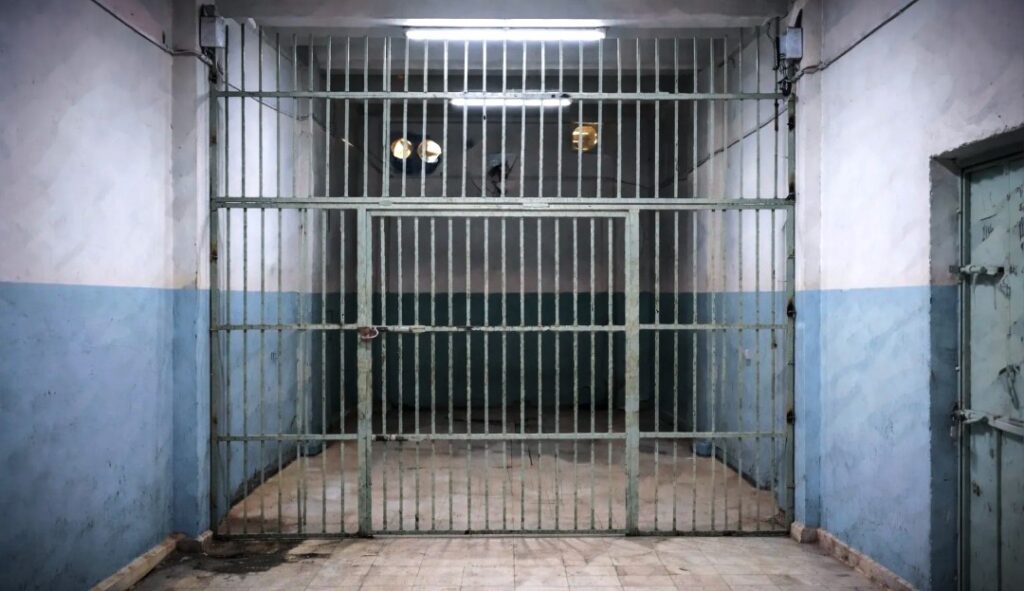
Tajik authorities have for the first time officially commented on the incident on January 31 at a detention facility in the city of Khujand. Tajikistan’s Prosecutor General, Khabibullo Vokhidzoda, disclosed details during a press conference in Dushanbe that was reported by Asia-Plus. Vokhidzoda confirmed that an armed confrontation took place at the Khujand pre-trial detention center. According to him, three prisoners attacked facility staff while in the exercise yard. The prosecutor general stated that the inmates used “various objects” to inflict bodily harm on staff members and assaulted another prisoner who was present. He said they ignored repeated demands to cease their actions and resisted, posing what he described as a serious threat to employees’ lives. As a result, the three prisoners were “neutralized” by security personnel. “While in the Khujand pre-trial detention center, in the exercise yard, they attacked the facility’s staff using various objects, causing them bodily harm and even beating another prisoner who was there. They ignored the staff’s demands to stop their actions and resisted, posing a serious threat to the lives of the facility’s employees. In this situation, they were neutralized by staff members responsible for the security of the correctional facility,” Vokhidzoda said. He emphasized that no staff members were killed, although they sustained injuries. He did not specify the number of injured employees. According to the prosecutor general, the three inmates had previously been sentenced to 12 to 14 years’ imprisonment for terrorist and extremist offenses. He added that they had repeatedly violated prison regulations, leading a court to impose stricter detention conditions. At the time of the incident, the prisoners were being temporarily held in the Khujand facility pending transfer. A criminal case has been opened under Articles 332 and 365 of Tajikistan’s Criminal Code. “How it happened, why it happened, who did it, all these questions will be clarified during the investigation,” Vokhidzoda said. This marks the first official confirmation of the incident. Earlier, Radio Ozodi reported on the events, citing sources who claimed casualties among both guards and inmates. At the time, journalists’ attempts to obtain official comment were unsuccessful. The Minister of Justice, whose ministry oversees correctional institutions, declined to comment. The January 31 incident is not the first serious episode of violence in Tajikistan’s penitentiary system, including in Khujand. In November 2018, a large-scale riot erupted at maximum-security prison 3/3 in Khujand. According to official data, 21 prisoners were killed during efforts to restore order. Two prison staff members were also killed and five guards were seriously injured. On February 3, 2025, unrest broke out at correctional facility No. 3/2 in the town of Vahdat, commonly known as “Kirpichny.” Official reports stated that three prisoners and three employees, including the prison director, were killed. On May 19, 2019, another riot occurred at the same Vahdat facility. According to official information, 30 inmates armed with knives and other sharp objects seized three employees and killed them. Five prisoners were also killed. During the subsequent suppression of the riot, 29...