Speed vs. Stability: How Kazakhstan Is Leading Eurasia’s Transit Race
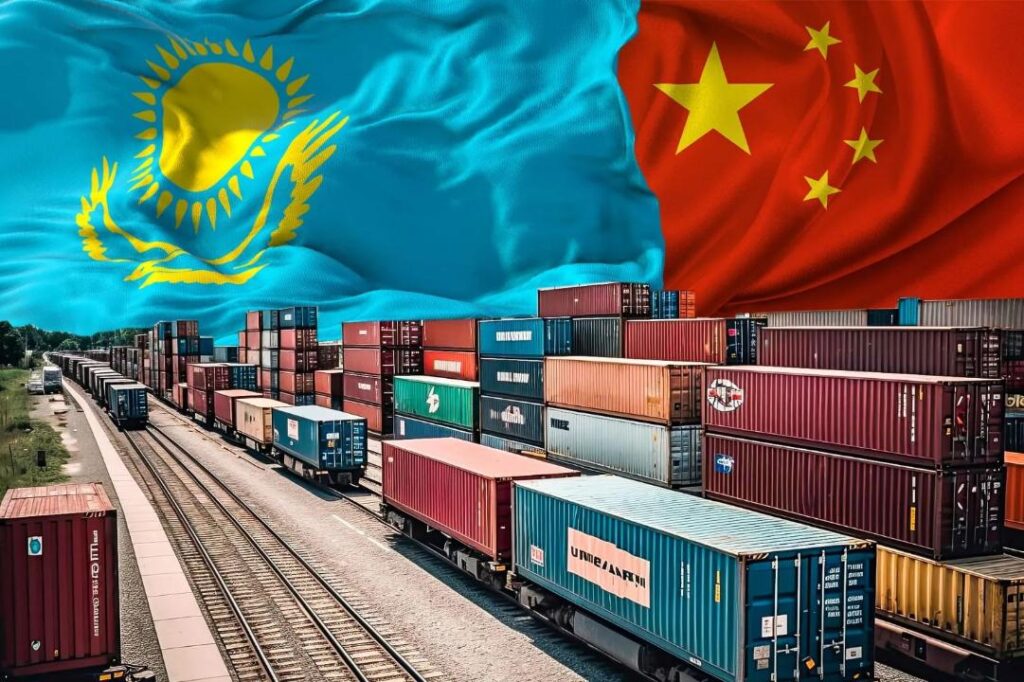
China’s successful test of a maglev platform weighing about one ton, accelerating to 700 kilometers per hour in just two seconds, once again underscored Beijing’s technological ambitions in the transport sector. With more than 50,000 kilometers of high-speed rail connecting cities such as Beijing, Shanghai, Guangzhou, Shenzhen, and Chengdu, China is paving the way for the next generation of mobility. Yet beyond China's borders, speed alone is no longer the decisive factor. In Eurasia and particularly in Central Asia, stability, predictability, and reliability have become the primary metrics for transit success. Within this context, Kazakhstan is positioning itself as a central hub in Eurasia’s evolving logistics landscape. China’s High-Speed Model vs. Eurasia’s Freight Realities Inside China, Fuxing high-speed trains and maglev routes have transformed domestic connectivity, forming the backbone of national economic integration. However, exporting this model faces inherent limitations. High-speed passenger lines require dedicated tracks, strict safety protocols, and massive investment factors incompatible with most of Eurasia’s existing freight-centric rail infrastructure. As a result, the China-Central Asia-Europe corridor is focused on accelerated freight movement. The goal is not maximum speed, but consistent delivery times, reliable scheduling, and minimal disruption, elements vital to modern supply chains. Kazakhstan’s Strategic Role in Eurasian Land Transit Kazakhstan serves as a critical artery for China's westward land transit. Key corridors to the Eurasian Economic Union, Europe, and Central Asia, including the Middle Corridor, traverse Kazakh territory. In the first ten months of 2025, Kazakhstan's State Revenue Committee reported that more than 11 million tons of goods were transited from China through Kazakhstan, marking double-digit growth year-on-year. This success stems not only from increased volume but from qualitative improvements in transit management. Digitalization has been pivotal. An automated system for filing and issuing transit declarations has slashed processing times from several hours to just 30 minutes per container train, facilitating the clearance of millions of tons of cargo. For businesses, this translates into lower costs and more reliable delivery schedules -- an essential factor amid ongoing global economic uncertainty. These institutional upgrades are reinforced by infrastructure investment. According to Kazakhstan’s Ministry of Transport, cargo transportation volumes have reached record levels, with steady growth in transit flows. Projects like the Dostyk-Moyinty line and the Almaty bypass are specifically designed to expand transit capacity. Why High-Speed Passenger Rail Isn’t on the Agenda Given China’s high-speed rail successes, some may question why similar routes are not planned between China and Kazakhstan. However, in the near term, such initiatives remain economically and logistically unfeasible. Existing rail lines in the region prioritize freight and mixed-use traffic, falling short of the standards required for high-speed passenger transport. Building separate lines would demand significant capital and a stable passenger base, conditions that currently do not exist. Freight transit, aligned with the Belt and Road Initiative, remains the primary focus. Unlocking the Caspian Bottleneck Despite the growth in rail transit, the Caspian Sea route remains a capacity bottleneck. Plans to build a new seaport in the Karakiyansky district of Mangistau region, through a...