• KGS/USD = 0.01144 0%
  • KZT/USD = 0.00204 0%
  • TJS/USD = 0.10786 0.56%
  • UZS/USD = 0.00008 0%
  • TMT/USD = 0.28490 0%
  • KGS/USD = 0.01144 0%
  • KZT/USD = 0.00204 0%
  • TJS/USD = 0.10786 0.56%
  • UZS/USD = 0.00008 0%
  • TMT/USD = 0.28490 0%
  • KGS/USD = 0.01144 0%
  • KZT/USD = 0.00204 0%
  • TJS/USD = 0.10786 0.56%
  • UZS/USD = 0.00008 0%
  • TMT/USD = 0.28490 0%
  • KGS/USD = 0.01144 0%
  • KZT/USD = 0.00204 0%
  • TJS/USD = 0.10786 0.56%
  • UZS/USD = 0.00008 0%
  • TMT/USD = 0.28490 0%
  • KGS/USD = 0.01144 0%
  • KZT/USD = 0.00204 0%
  • TJS/USD = 0.10786 0.56%
  • UZS/USD = 0.00008 0%
  • TMT/USD = 0.28490 0%
  • KGS/USD = 0.01144 0%
  • KZT/USD = 0.00204 0%
  • TJS/USD = 0.10786 0.56%
  • UZS/USD = 0.00008 0%
  • TMT/USD = 0.28490 0%
  • KGS/USD = 0.01144 0%
  • KZT/USD = 0.00204 0%
  • TJS/USD = 0.10786 0.56%
  • UZS/USD = 0.00008 0%
  • TMT/USD = 0.28490 0%
  • KGS/USD = 0.01144 0%
  • KZT/USD = 0.00204 0%
  • TJS/USD = 0.10786 0.56%
  • UZS/USD = 0.00008 0%
  • TMT/USD = 0.28490 0%

Viewing results 1 - 6 of 2

Balykchy-Cholpon-Ata Railway Construction Begins in Kyrgyzstan

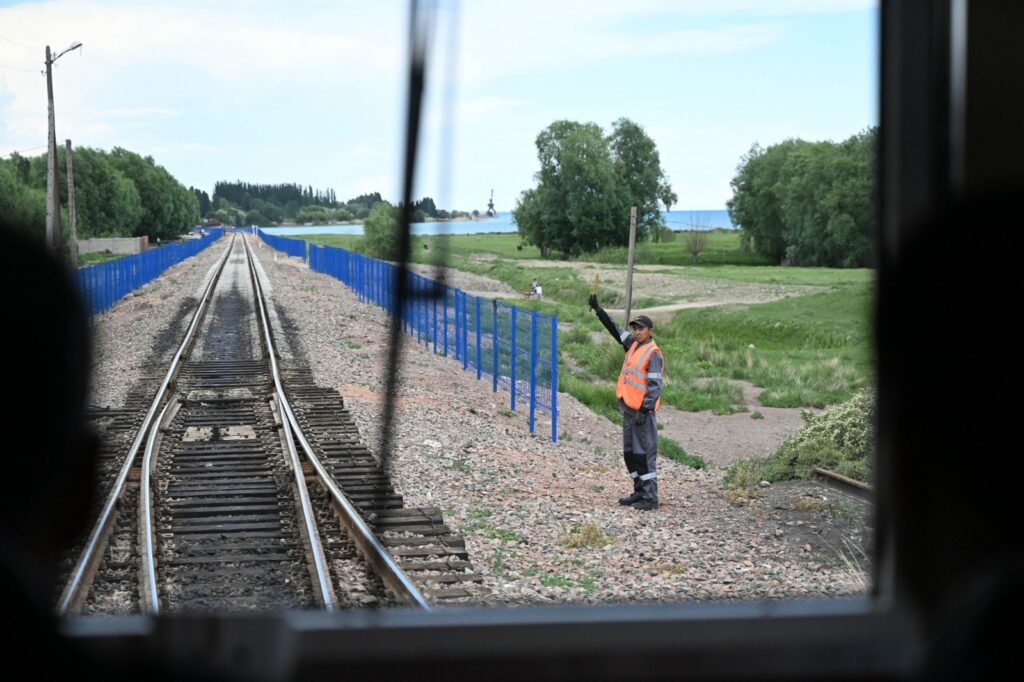
On June 14, Kyrgyzstan launched construction of the new Balykchy-Cholpon-Ata railway, a project aimed at extending rail access along Lake Issyk-Kul’s northern shore and strengthening Balykchy’s role as a transport hub. At present, the railway connecting Bishkek with Lake Issyk-Kul ends in Balykchy, at the western edge of the lake. Passengers traveling onward to Cholpon-Ata, the main resort city on the lake’s northern shore, must continue by road. The new Balykchy-Tamchy-Cholpon-Ata railway will stretch 86 kilometers. The line will pass through the village of Tamchy, home to Issyk-Kul International Airport, and is expected to become part of a multimodal transport and logistics hub on the lake’s shore. The Eurasian Development Bank said in August 2025 that it would provide a $275,000 technical-assistance grant for a preliminary feasibility study for the Balykchy-Cholpon-Ata railway, a project it estimated at about $500 million. At a launch ceremony for the project, President Sadyr Japarov said the project would support the country’s economy, tourism, and transport infrastructure. “Once fully operational, the project will be capable of transporting up to 5 million tons of cargo annually. It is especially significant given the large-scale investment initiatives currently underway on the shores of Issyk-Kul. The new railway will facilitate the delivery of construction materials and other cargo, contribute to the development of the region’s tourism potential, and expand passenger transportation,” Japarov said. Official figures cited at the ceremony showed rail freight volumes in Kyrgyzstan reached 10 million tons in 2025, up 36% about 7 million tons in 2021. Rail passenger journeys over the same period rose from 255,000 to 432,000, an increase of about 70%. The figures point to growth from a low base: 432,000 journeys works out at roughly 1,180 per day nationwide. The project adds to a series of rail and logistics schemes centered on Balykchy. The city lies on the key corridor linking Bishkek with Naryn and the Torugart Pass on the Chinese border. On May 28, the city opened a new international trade and logistics center, Altyn Logistic, aimed at strengthening transport links between China, Central Asia, and wider post-Soviet markets. Balykchy is also the starting point of the Balykchy-Kochkor-Kara-Keche railway, a 186-kilometer line under construction since 2022. The route is expected to connect the northern rail network with Kochkor and the Kara-Keche coal deposit in Naryn region, one of the main coal suppliers for Bishkek’s thermal power plant. Kyrgyz officials have also linked the Balykchy-Kochkor-Kara-Keche line to plans for wider rail integration with the China-Kyrgyzstan-Uzbekistan railway, which is under construction. If those projects are completed, Balykchy would become a more important junction in a network connecting northern Kyrgyzstan with routes through Naryn, Jalal-Abad, and onward to Uzbekistan. Balykchy also remains the main rail gateway to the Issyk-Kul resort area. The national railway company, Kyrgyz Temir Jolu, has introduced luxury and VIP compartment cars on the Bishkek-Balykchy line, while last year the route was extended to the Balykchy Beach stop, giving passengers direct access to the lakeshore during the summer season. In 2025, the...

China-Kyrgyzstan-Uzbekistan Railway Enters Active Construction Phase

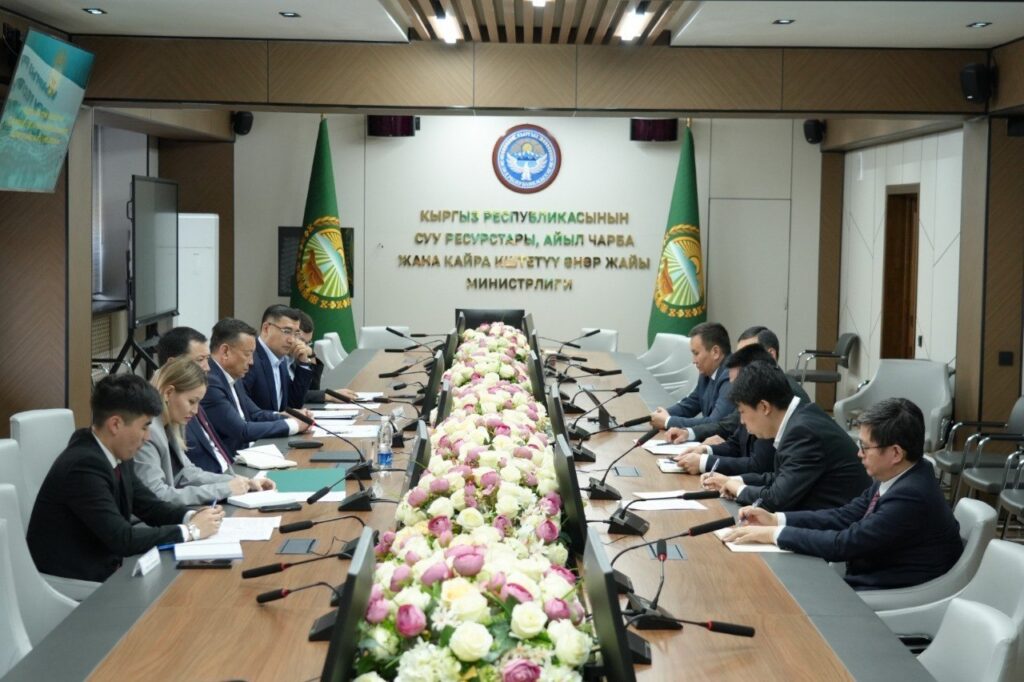
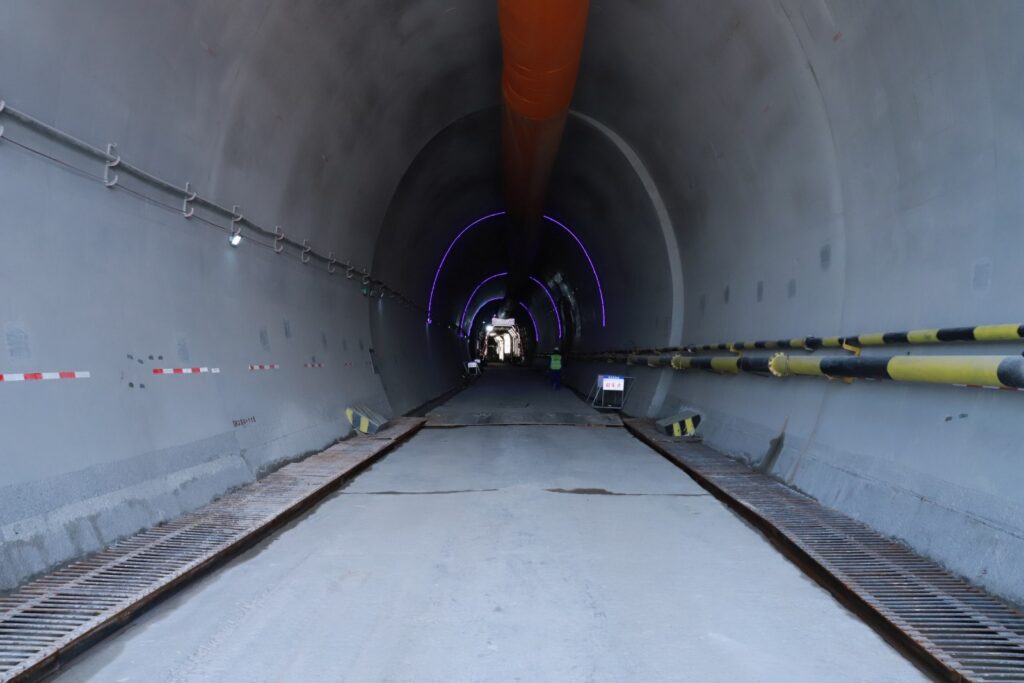
Construction of the China-Kyrgyzstan-Uzbekistan railway has entered an active phase, following a meeting between the Kyrgyz government and representatives of the company implementing the project. According to the project company, preparation of the main design materials has been completed, while refinement and approval of the technical documentation are ongoing. At the same time, large-scale work has begun at construction sites. More than 5,000 people and approximately 5,600 units of specialized equipment are currently involved in the project. Tunnel excavation, earthworks, and bridge construction are underway, with total earthworks exceeding 3.5 million cubic meters. Erlist Akunbekov, Deputy Chairman of the Cabinet of Ministers of Kyrgyzstan and the official overseeing the project, highlighted the importance of strict compliance with environmental standards and safety requirements. He added that the government would provide the necessary support and coordination to ensure timely completion. Kyrgyz authorities view the railway as a strategic infrastructure project. The new transport corridor is expected to provide the country with direct access to international markets and strengthen its role in regional logistics. One of the key challenges during the design phase was the difference in railway track gauge. China uses the 1,435 mm standard, while Kyrgyzstan and Uzbekistan use 1,520 mm. As a result, a compromise has been reached: part of the railway in Kyrgyzstan will be built to the Chinese standard, with a transshipment hub created to ensure connectivity. Economically, the project is expected to boost exports, primarily agricultural products, to China, the Middle East, and Europe. At present, a significant portion of cargo is transported by road through Uzbekistan and Turkmenistan, with onward routes to the Azov and Black Seas, as well as via China to Pakistan and India. The launch of rail services is expected to reduce logistics costs and improve the competitiveness of Kyrgyz products in foreign markets.