
• KZT/USD = 0.00214
  • TJS/USD = 0.10810
  • UZS/USD = 0.00008
  • TMT/USD = 0.29760
  • KZT/USD = 0.00214
  • TJS/USD = 0.10810
  • UZS/USD = 0.00008
  • TMT/USD = 0.29760
  • KZT/USD = 0.00214
  • TJS/USD = 0.10810
  • UZS/USD = 0.00008
  • TMT/USD = 0.29760
  • KZT/USD = 0.00214
  • TJS/USD = 0.10810
  • UZS/USD = 0.00008
  • TMT/USD = 0.29760
  • KZT/USD = 0.00214
  • TJS/USD = 0.10810
  • UZS/USD = 0.00008
  • TMT/USD = 0.29760
  • KZT/USD = 0.00214
  • TJS/USD = 0.10810
  • UZS/USD = 0.00008
  • TMT/USD = 0.29760
  • KZT/USD = 0.00214
  • TJS/USD = 0.10810
  • UZS/USD = 0.00008
  • TMT/USD = 0.29760
  • KZT/USD = 0.00214
  • TJS/USD = 0.10810
  • UZS/USD = 0.00008
  • TMT/USD = 0.29760
12 August 2026

Viewing results 1 - 6 of 2

Kyrgyzstan Opens New Railway as Japarov Alleges North-South Highway Embezzlement

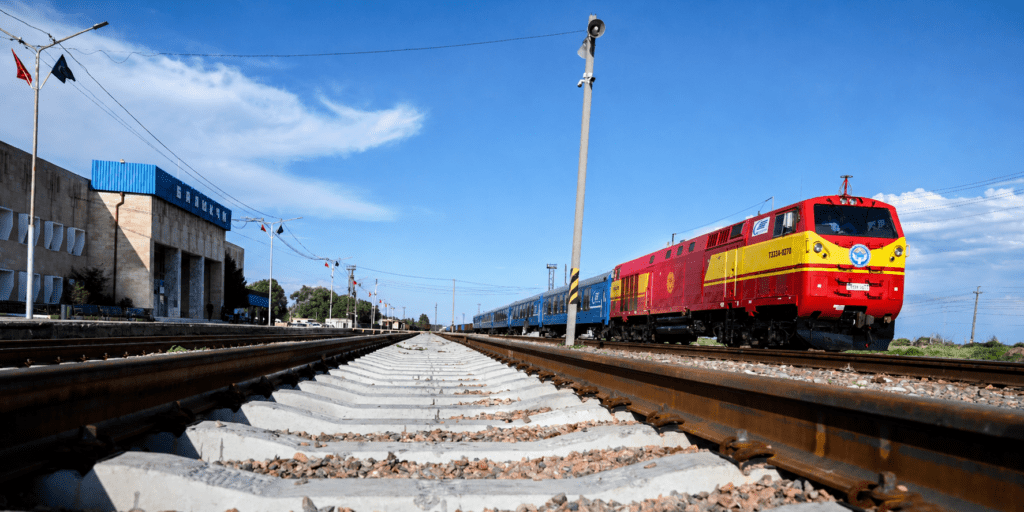
Kyrgyzstan has opened a 63-kilometer railway between Balykchy and Kochkor, completing the first stage of a domestic route intended to reach the Kara-Keche coalfield and eventually connect the country’s divided rail network. President Sadyr Japarov travelled to the new Kochkor station by train on July 25. The line extends rail service from the western edge of Lake Issyk-Kul into Naryn Region, where difficult mountain terrain has long limited transport links. “We have revived the culture of railway construction, our engineering potential, and professional experience,” Japarov said. “This historic achievement proves that our country can independently carry out large infrastructure projects.” For the first three decades after independence, Kyrgyzstan laid no new railway track. Construction of the planned 186-kilometer Balykchy-Kochkor-Kara-Keche line began in March 2022. Japarov said crews carried out about one million cubic meters of blasting work and cleared eight kilometers through mountainous ground. The route also crosses wetland and rocky areas near the Orto-Tokoy reservoir, existing roads, and utility lines. According to Japarov, construction of the track cost $955,000 per kilometer, which he compared with offers from foreign companies ranging from $4.8 million to $6.8 million per kilometer. “We understood that this was too expensive, so we decided to take the risk and do the work ourselves,” he said. The $955,000 figure appears to cover the track itself rather than the full cost of the line. In June 2025, Kyrgyz Temir Jolu estimated the 63-kilometer project at 9.472 billion som, or about $108 million at the official exchange rate, roughly $1.72 million per kilometer. Japarov’s speech did not set out what work was included in the foreign proposals. The state railway financed the first stage from its own resources. An October 2025 cabinet decree allows Kyrgyz Temir Jolu to retain half the net profit it would otherwise pay into the state budget from 2026 through 2030, which can be used to fund the route to Makmal and the company’s wider development. Turning to the alternative North-South highway between Balykchy and Jalal-Abad, Japarov said its projected cost was $2.5 million per kilometer and alleged that “more than half” of this sum had been embezzled. He did not identify any company, official, or investigation supporting the claim. Questions over the highway’s costs predate Japarov’s accusation. A January 2023 Audit Chamber review found overstated work on the Aral-Kazarman section and said credit savings had been redirected contrary to the loan agreement. Three months later, local outlets cited security-service sources saying the GKNB had opened a case into suspected $123 million price inflation on the same section. No public outcome has been announced. Construction of the 433-kilometer highway began in 2014 and has suffered repeated delays. The route opened for seasonal traffic from June to November 2026, but the Transport Ministry expects year-round operation only in 2028 after further safety work. The new railway gives Kochkor a direct connection to Kyrgyzstan’s northern rail system. It does not yet join the country’s northern and southern lines. Before the opening, Kyrgyzstan’s railway network covered 425...

Pakistan and Uzbekistan Turn to China for Transit Trade Amid Regional Security Risks

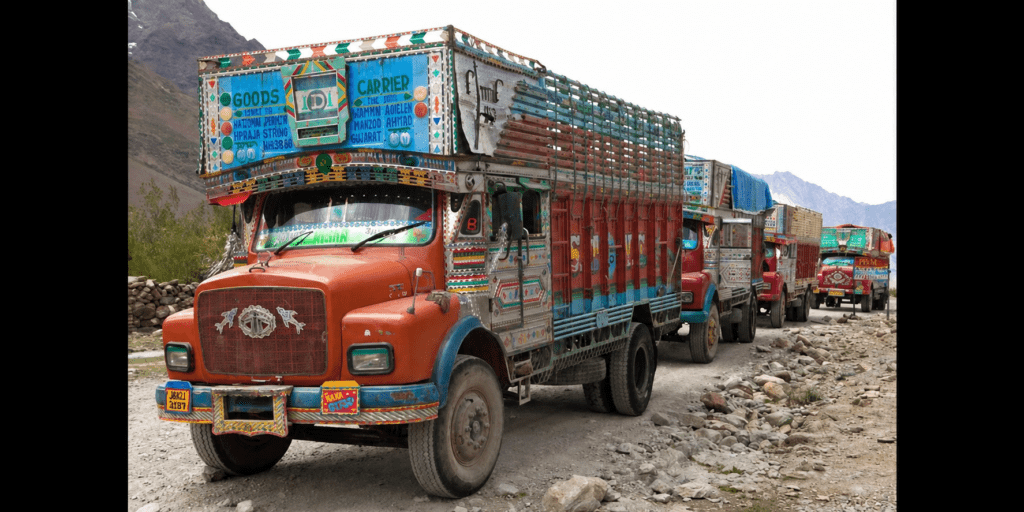
Pakistan and Uzbekistan have agreed in principle to reroute some of their bilateral transit trade through China. The move follows worsening security that closed traditional routes through Afghanistan and disrupted alternatives through Iran, according to Pakistan Today. The two governments are expected to formalize the decision by signing amendments to the Pakistan-Uzbekistan Transit Trade Agreement during the visit of Uzbekistan’s deputy prime minister to Pakistan on July 21. Under the revised agreement, the China corridor will become an official transit route, allowing cargo to travel through Pakistan’s Sost Dry Port, cross western China, and continue into Central Asia. “The protocol is aimed at expanding transit options and ensuring uninterrupted movement of goods between the two countries despite evolving regional security challenges,” a Pakistani official familiar with the negotiations told Pakistan Today on condition of anonymity. The arrangement will provide Pakistan with an additional route to Central Asian markets while allowing Uzbekistan to maintain access to Pakistani seaports despite growing instability across the region. The decision marks a significant shift in regional trade planning. For years, the shortest and most commercially attractive route between Pakistan and Uzbekistan passed through Afghanistan. That corridor was also expected to become part of the planned Uzbekistan-Afghanistan-Pakistan railway linking Central Asia with ports on the Arabian Sea. Those plans have largely stalled following the sharp deterioration in relations between Islamabad and Kabul. Pakistan closed its main border crossings, including Torkham and Chaman, after cross-border clashes in October 2025. Trade through the crossings has remained suspended amid continuing security tensions and disagreements over militant groups operating from Afghan territory. The disruption has affected not only transit cargo but also Pakistan’s direct exports to Afghanistan, traditionally an important market because of its limited domestic manufacturing base. Pakistani companies supply cooking oil, cement, soap, pharmaceuticals, aluminum cans, food products, and other consumer and construction goods to Afghanistan. Business groups cited by Pakistan Today estimated earlier this year that the prolonged border closure was costing Pakistani exporters around $177 million every month, while warning that customers in Afghanistan and Central Asia could permanently shift to suppliers using other regional transport routes. Pakistan initially sought to compensate by expanding transport links through Iran. In April, Islamabad operationalized new transit corridors through both Iran and China, including an Iranian route connecting Pakistani ports with Central Asian markets while bypassing Afghanistan. However, renewed military confrontation between Iran and the United States has raised fresh concerns about that option. Continuing attacks on infrastructure and commercial shipping around the Strait of Hormuz have increased freight costs, insurance premiums, and energy-related risks, reducing the corridor’s reliability. Routing trade through China would allow both countries to bypass security problems affecting routes through Afghanistan and Iran. It would also advance Pakistan’s long-term plan to extend the China-Pakistan Economic Corridor toward Central Asia. The new route, however, is expected to come with trade-offs. Transporting goods through China will involve longer distances, additional border procedures, higher handling costs, and extended transit times. As a result, the corridor is expected to...