• KZT/USD = 0.00220
  • TJS/USD = 0.10840
  • UZS/USD = 0.00008
  • TMT/USD = 0.29850
  • KZT/USD = 0.00220
  • TJS/USD = 0.10840
  • UZS/USD = 0.00008
  • TMT/USD = 0.29850
  • KZT/USD = 0.00220
  • TJS/USD = 0.10840
  • UZS/USD = 0.00008
  • TMT/USD = 0.29850
  • KZT/USD = 0.00220
  • TJS/USD = 0.10840
  • UZS/USD = 0.00008
  • TMT/USD = 0.29850
  • KZT/USD = 0.00220
  • TJS/USD = 0.10840
  • UZS/USD = 0.00008
  • TMT/USD = 0.29850
  • KZT/USD = 0.00220
  • TJS/USD = 0.10840
  • UZS/USD = 0.00008
  • TMT/USD = 0.29850
  • KZT/USD = 0.00220
  • TJS/USD = 0.10840
  • UZS/USD = 0.00008
  • TMT/USD = 0.29850
  • KZT/USD = 0.00220
  • TJS/USD = 0.10840
  • UZS/USD = 0.00008
  • TMT/USD = 0.29850
23 November 2026

Viewing results 1 - 6 of 2

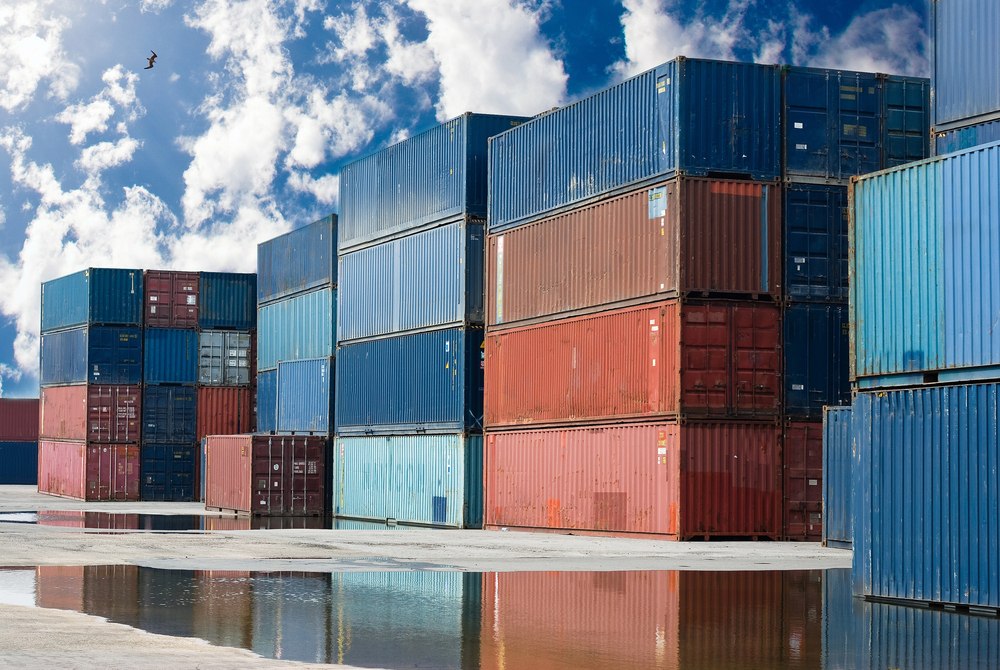
Kazakhstan Container Shipments Rise 8%, Middle Corridor Up 64%

Kazakhstan’s container shipments rose 8% year on year to 1.234 million twenty-foot equivalent units (TEUs) from January through October 2026, the Ministry of Transport reported at a November 19 meeting. The Middle Corridor recorded the fastest growth among the routes listed, with shipments up 64% to 57,300 TEUs, although volumes remained much smaller than on established routes through Russia. Shipments between China and Russia rose 0.7% to 454,000 TEUs, while shipments between China and Europe rose 4.8% to 404,000 TEUs. The figures cover traffic in both directions. Container shipments between China and Europe pass through Kazakhstan on two main corridors. The Central Eurasian Corridor runs through Russia and Belarus. The Middle Corridor, formally known as the Trans-Caspian International Transport Route, crosses the Caspian Sea and continues through Azerbaijan and Georgia toward Türkiye and other European destinations. It offers an alternative for freight operators seeking to avoid routes through Russia. Kazakhstan aims to increase annual container shipments on the Middle Corridor to 300,000 TEUs by 2029. The Eurasian Development Bank estimates that Kazakhstan handled about 84% of rail and road freight between China and Central Asia in 2025, including transit cargo. All rail freight between China and the region passed through two crossings on the Kazakhstan-China border, Dostyk and Altynkol. The government is investing in new rail lines to accommodate growing freight volumes. Kazakhstan plans to open the 201-mile Mointy-Kyzylzhar rail line by the end of 2026. It will shorten freight routes on both corridors by about 93 miles and ease traffic on the Mointy-Zharyk section. Crews finished joining the tracks on the new line in September. The Bakhty-Ayagoz line is scheduled to open in 2027. It will connect Kazakhstan’s rail network to a third rail crossing on the border with China, reducing pressure on the two existing crossings. Rail capacity is not the only concern. At the meeting, transport officials also called for faster container trains and shorter wagon turnaround times, including on neighboring countries’ rail networks.
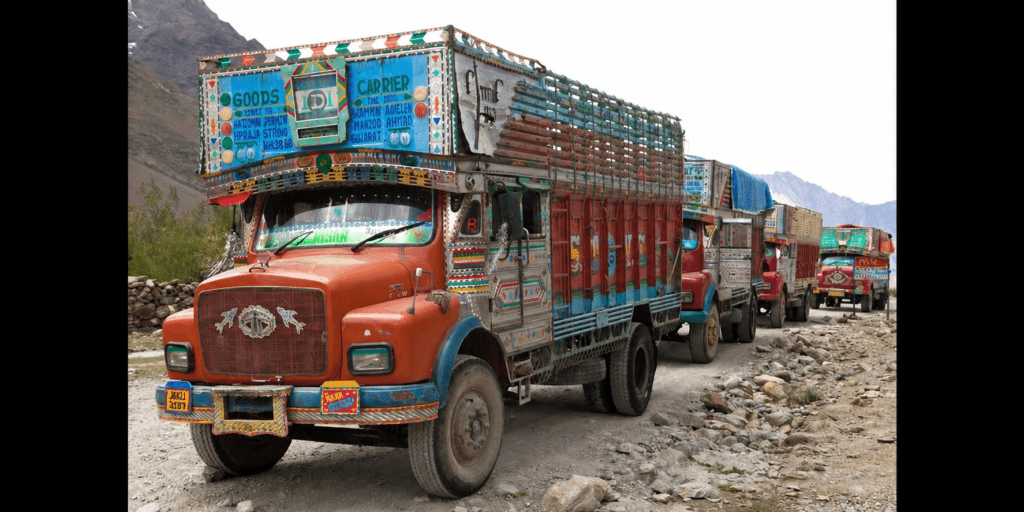

Pakistan and Uzbekistan Turn to China for Transit Trade Amid Regional Security Risks

Pakistan and Uzbekistan have agreed in principle to reroute some of their bilateral transit trade through China. The move follows worsening security that closed traditional routes through Afghanistan and disrupted alternatives through Iran, according to Pakistan Today. The two governments are expected to formalize the decision by signing amendments to the Pakistan-Uzbekistan Transit Trade Agreement during the visit of Uzbekistan’s deputy prime minister to Pakistan on July 21. Under the revised agreement, the China corridor will become an official transit route, allowing cargo to travel through Pakistan’s Sost Dry Port, cross western China, and continue into Central Asia. “The protocol is aimed at expanding transit options and ensuring uninterrupted movement of goods between the two countries despite evolving regional security challenges,” a Pakistani official familiar with the negotiations told Pakistan Today on condition of anonymity. The arrangement will provide Pakistan with an additional route to Central Asian markets while allowing Uzbekistan to maintain access to Pakistani seaports despite growing instability across the region. The decision marks a significant shift in regional trade planning. For years, the shortest and most commercially attractive route between Pakistan and Uzbekistan passed through Afghanistan. That corridor was also expected to become part of the planned Uzbekistan-Afghanistan-Pakistan railway linking Central Asia with ports on the Arabian Sea. Those plans have largely stalled following the sharp deterioration in relations between Islamabad and Kabul. Pakistan closed its main border crossings, including Torkham and Chaman, after cross-border clashes in October 2025. Trade through the crossings has remained suspended amid continuing security tensions and disagreements over militant groups operating from Afghan territory. The disruption has affected not only transit cargo but also Pakistan’s direct exports to Afghanistan, traditionally an important market because of its limited domestic manufacturing base. Pakistani companies supply cooking oil, cement, soap, pharmaceuticals, aluminum cans, food products, and other consumer and construction goods to Afghanistan. Business groups cited by Pakistan Today estimated earlier this year that the prolonged border closure was costing Pakistani exporters around $177 million every month, while warning that customers in Afghanistan and Central Asia could permanently shift to suppliers using other regional transport routes. Pakistan initially sought to compensate by expanding transport links through Iran. In April, Islamabad operationalized new transit corridors through both Iran and China, including an Iranian route connecting Pakistani ports with Central Asian markets while bypassing Afghanistan. However, renewed military confrontation between Iran and the United States has raised fresh concerns about that option. Continuing attacks on infrastructure and commercial shipping around the Strait of Hormuz have increased freight costs, insurance premiums, and energy-related risks, reducing the corridor’s reliability. Routing trade through China would allow both countries to bypass security problems affecting routes through Afghanistan and Iran. It would also advance Pakistan’s long-term plan to extend the China-Pakistan Economic Corridor toward Central Asia. The new route, however, is expected to come with trade-offs. Transporting goods through China will involve longer distances, additional border procedures, higher handling costs, and extended transit times. As a result, the corridor is expected to...