• KGS/USD = 0.01143 0%
  • KZT/USD = 0.00206 0%
  • TJS/USD = 0.10811 -0.18%
  • UZS/USD = 0.00008 0%
  • TMT/USD = 0.28571 0%
  • KGS/USD = 0.01143 0%
  • KZT/USD = 0.00206 0%
  • TJS/USD = 0.10811 -0.18%
  • UZS/USD = 0.00008 0%
  • TMT/USD = 0.28571 0%
  • KGS/USD = 0.01143 0%
  • KZT/USD = 0.00206 0%
  • TJS/USD = 0.10811 -0.18%
  • UZS/USD = 0.00008 0%
  • TMT/USD = 0.28571 0%
  • KGS/USD = 0.01143 0%
  • KZT/USD = 0.00206 0%
  • TJS/USD = 0.10811 -0.18%
  • UZS/USD = 0.00008 0%
  • TMT/USD = 0.28571 0%
  • KGS/USD = 0.01143 0%
  • KZT/USD = 0.00206 0%
  • TJS/USD = 0.10811 -0.18%
  • UZS/USD = 0.00008 0%
  • TMT/USD = 0.28571 0%
  • KGS/USD = 0.01143 0%
  • KZT/USD = 0.00206 0%
  • TJS/USD = 0.10811 -0.18%
  • UZS/USD = 0.00008 0%
  • TMT/USD = 0.28571 0%
  • KGS/USD = 0.01143 0%
  • KZT/USD = 0.00206 0%
  • TJS/USD = 0.10811 -0.18%
  • UZS/USD = 0.00008 0%
  • TMT/USD = 0.28571 0%
  • KGS/USD = 0.01143 0%
  • KZT/USD = 0.00206 0%
  • TJS/USD = 0.10811 -0.18%
  • UZS/USD = 0.00008 0%
  • TMT/USD = 0.28571 0%

Viewing results 1 - 6 of 167

Kazakhstan Boosts Rail Transit of Grain and Coal Through Russia

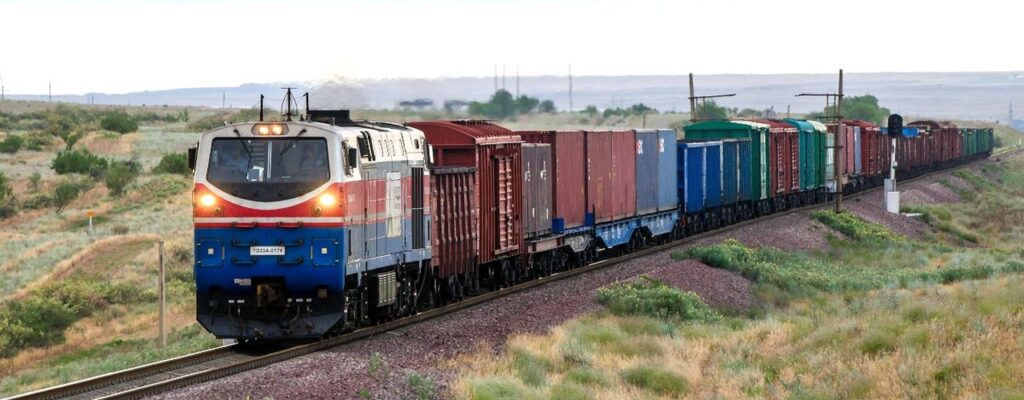
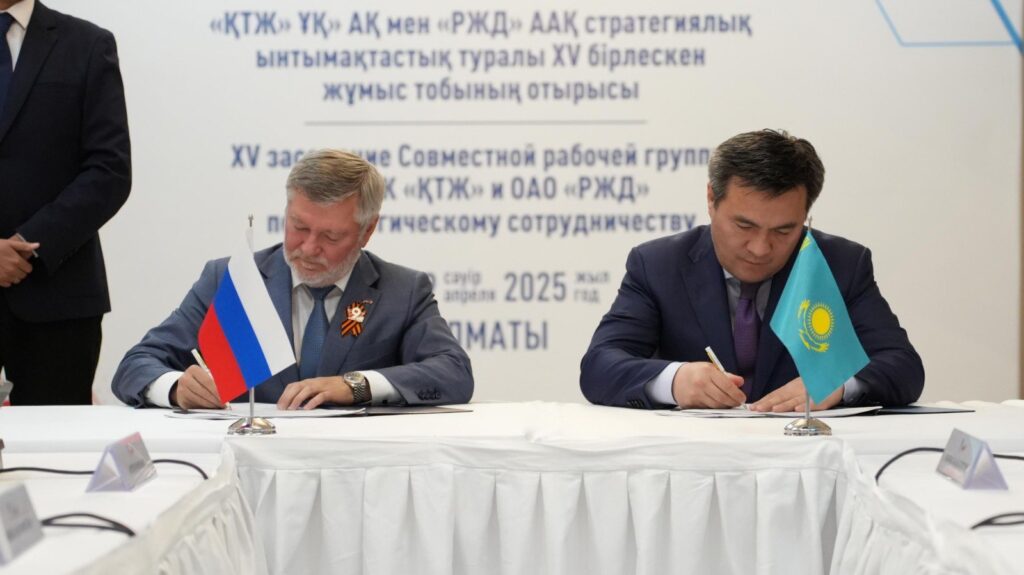
Kazakhstan has significantly increased the volume of grain and coal transported via rail through Russia, particularly along the eastern route of the North-South transport corridor. According to Kazakhstan Temir Zholy (KTZ), the country’s national railway operator, container traffic along this corridor rose by 63% in the first quarter of 2025, surpassing 1,000 twenty-foot equivalent units (TEU).  The North-South corridor links Russia, Kazakhstan, Turkmenistan, and Iran, with an annual cargo capacity of 10 million tons. Its eastern route, which passes through Kazakhstan, is emerging as a vital artery for regional trade. Grain and Container Exports on the Rise Between September 2024 and April 2025, Kazakhstan exported over 650,000 tons of grain through Russian and Baltic Sea ports. Meanwhile, containerized freight between China and Russia via Kazakhstan increased by 30% year-on-year during the first quarter of 2025, exceeding 132,000 TEU. Coal Shipments Surge Coal transit volumes saw a particularly dramatic rise. From January to March 2025, Kazakhstan exported 2.3 million tons of coal through Russian territory, an increase of 44.5% compared to the same period in 2024. Of this total, 1.3 million tons were shipped through Baltic Sea ports, while another 900,000 tons were exported via Azov and Black Sea ports, a fivefold increase over last year. At an April 28 meeting in Almaty, representatives from KTZ and Russian Railways reaffirmed their commitment to expanding cooperation. The two sides agreed to increase shipments of Kazakh coal to Russian ports and continue developing strategic joint initiatives. In November 2024, KTZ and Russian Railways signed a landmark agreement to modernize railway infrastructure at nine key border stations. The deal includes plans to increase capacity and implement a unified digital system to streamline transportation and cross-border logistics. 
Stadler Begins Production of Railcars for Kazakhstan’s National Railway in Astana

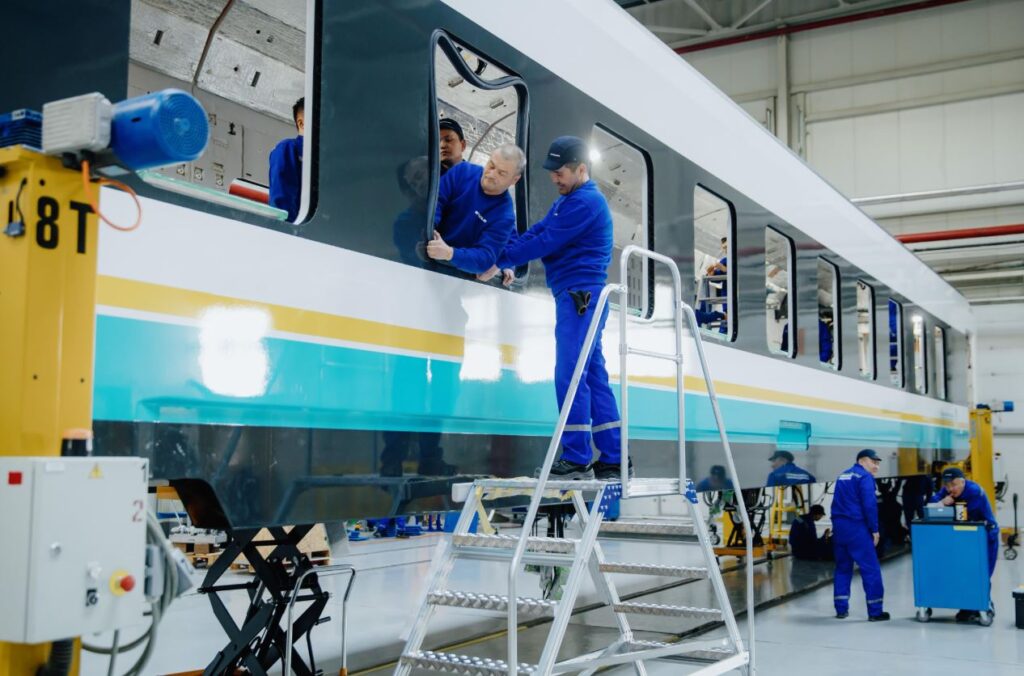
Serial production of passenger railcars for Kazakhstan's national rail carrier, Passenger Transportation JSC, has officially commenced in Astana. The project is being implemented at the Stadler Kazakhstan LLP plant as part of a broader initiative to modernize the country's railway sector. Contract for 557 Cars The initiative stems from a long-term agreement between Passenger Transportation JSC and Swiss rail manufacturer Stadler Rail AG. Under the terms of the contract, 557 passenger cars of various types, including compartment and platzkart models, generator cars, and specially adapted trains for passengers with disabilities, are to be produced by 2030. The first 51 units are scheduled to enter service in 2025. The contract also includes a 20-year maintenance commitment by the manufacturer, aimed at ensuring the reliability and longevity of the rolling stock. Full Production Cycle During a recent visit to the plant, representatives of Passenger Transportation JSC inspected the facilities and reviewed completed bodies of passenger and generator cars. More than 400 specialists are currently employed at the plant, the majority of whom are Kazakh nationals. The manufacturing process encompasses a complete production cycle, from body welding and painting to the assembly of electrical components, bogies, and interior fittings. Each railcar undergoes both static and dynamic testing before leaving the production line. In the past two years, the facility has undergone significant modernization and localization, including workforce training in advanced technologies. Comfort and Safety The new Stadler cars are designed with passenger comfort and safety in mind. Each compartment coach will offer 40 sleeping berths and feature air conditioning, video surveillance, electric heating, and an automated fire suppression system. Passengers will have access to electrical outlets and USB ports in each compartment. The railcars will sport a distinctive exterior in corporate blue, yellow, and white, while the interiors will be tailored to suit Kazakhstan’s climate and long-distance travel requirements. Swiss Quality in the Steppe Stadler Rail AG is a leading European rail manufacturer with over 80 years of experience and operations in 45 countries. Renowned for producing reliable and technologically advanced railcars suited to harsh climates, the company has supplied equipment to regions including Scandinavia and Eastern Europe. President Kassym-Jomart Tokayev personally discussed the establishment of the Kazakh production facility with Stadler Chairman Peter Spuhler in December 2022. Located in Astana’s industrial park, the plant spans over 31,000 square meters and has an annual production capacity exceeding 100 railcars. The launch of serial production marks a pivotal step in overhauling Kazakhstan's railway infrastructure. Beyond replacing outdated rolling stock, the project fosters technological advancement, local job creation, and the strengthening of the domestic rail manufacturing sector.

Important Deal Signed for China-Kyrgyzstan-Uzbekistan Railway Project

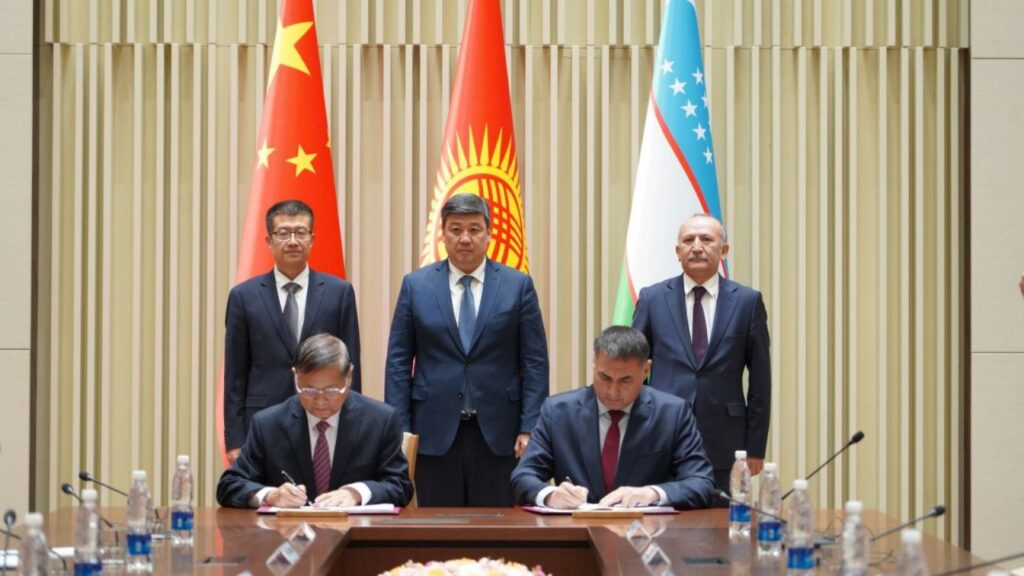
On December 20, Bishkek hosted the signing of an investment agreement between Kyrgyzstan’s Cabinet of Ministers and China-Kyrgyzstan-Uzbekistan Railway Company LLC. The agreement encompasses the design, construction, financing, operation, and maintenance of the China-Kyrgyzstan-Uzbekistan railway. The announcement came shortly after Kyrgyz President Sadyr Japarov revealed that construction on the strategic railway, which will connect the three nations, is set to begin on December 27. The agreement was signed by Kyrgyzstan’s Minister of Transport and Communications, Absattar Syrgabaev, and Zhong Shenggui, Chairman of the Board of Directors of China-Kyrgyzstan-Uzbekistan Railway Company LLC. A Historic Milestone The signing ceremony was attended by Kyrgyz Deputy Chairman of the Cabinet of Ministers and Minister of Water Resources, Agriculture, and Processing Industry Bakyt Torobayev; Li Baojie, Charge d’Affaires of the Chinese Embassy in Kyrgyzstan; and Saidikram Iyazkhodjaev, Uzbekistan’s Ambassador to Kyrgyzstan. In his remarks, Torobayev called the agreement a historic achievement for the three nations, marking the conclusion of a lengthy negotiation process and the start of practical implementation. “This large-scale infrastructure project is of both regional and international significance,” he emphasized. Strategic Importance of the Railway The China-Kyrgyzstan-Uzbekistan railway is a pivotal development for the transport strategies of the participating countries. Currently, neither Kyrgyzstan nor Uzbekistan has a direct railway link with China, while Central Asia’s rail connection to China is limited to a route through Kazakhstan. Furthermore, Kyrgyzstan and Uzbekistan lack a direct railway link between them. The project’s significance was cemented on June 6, 2024, when China, Kyrgyzstan, and Uzbekistan signed an intergovernmental agreement in Beijing. The 523-kilometer railway will traverse Kashgar (China), Torugart, Makmal, Jalal-Abad (Kyrgyzstan), and Andijan (Uzbekistan). Transit and logistics infrastructure will be developed along the route to support its operations. Once completed, the railway is expected to transport up to 15 million tons of cargo annually, significantly enhancing trade and connectivity in the region.

New Train Connects Astana and Borovoye Resort in Kazakhstan

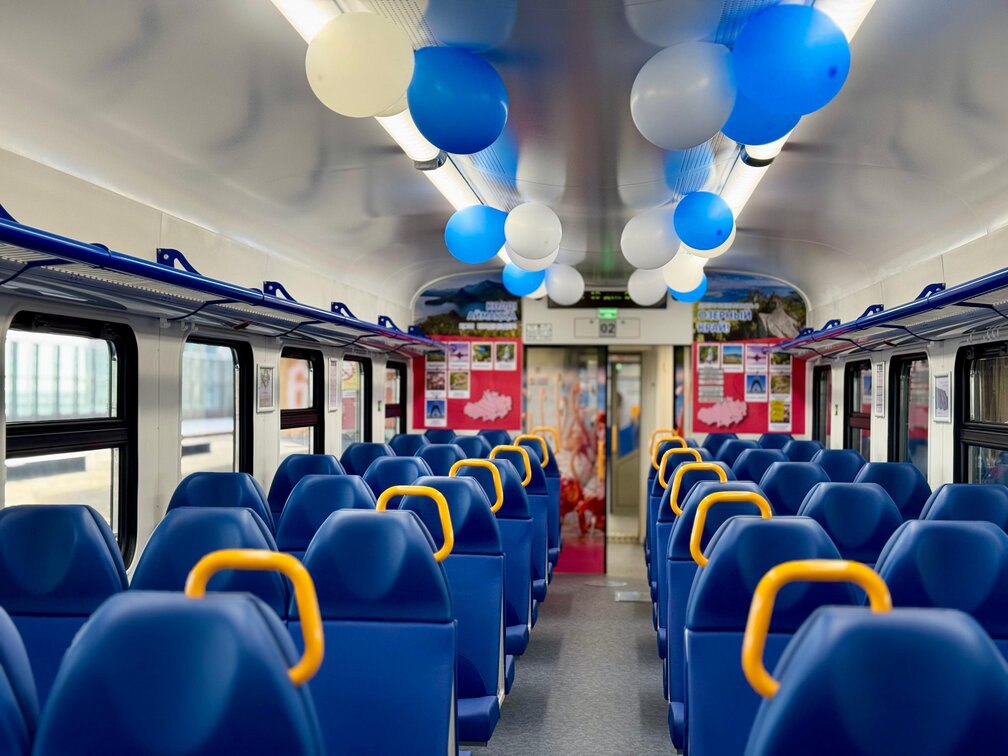
Kazakhstan’s national railways company, Kazakhstan Temir Zholy (KTZ), has announced the launch of a new electric train connecting the capital, Astana, and Borovoye, one of the country’s most popular year-round resorts. Borovoye is the widespread and commonly used Russian name of the Burabay National Park, located just 250 kilometers north of Astana. The new train will take passengers from Astana to Borovoye in just 2 hours and 26 minutes, without any stops. The train, consisting of six modern domestically manufactured carriages for a total of 574 passengers, will run five days a week. It is equipped with USB sockets, Wi-Fi, and bicycle racks. For passengers with disabilities, it has lifts and places for wheelchairs. Nurtas Karipbayev, Chairman of the Tourism Industry Committee at Kazakhstan’s Ministry of Tourism and Sports, commented: "The launch of a new tourist train is an important step in the development of domestic tourism and the creation of new opportunities for travel in Kazakhstan. We are confident that this train will become a favorite way for residents and guests of our country to get to one of its most beautiful resorts". According to the Ministry of Tourism and Sports, over the first nine months of 2024, the number of domestic tourists traveling inside Kazakhstan increased by 562,000 and reached 6 million. The number of foreign visitors was 11.5 million, almost twice as much as in the same period in 2023.

Alstom to Supply 117 Locomotives to Kazakhstan

Kazakhstan’s national railway company, Kazakhstan Temir Zholy (KTZ), Electric Locomotive Assembly Plant, and France’s Alstom have agreed to supply 117 freight electric locomotives by 2028 and establish service centers for them. The document was signed at Paris's November 4 Kazakhstan-France Business Council meeting. These powerful electric locomotives, capable of hauling freight trains weighing up to 9,000 tons, will replace the outdated VL-80 locomotives of the 1980 model. The new locomotives' advantages include lower cost, more economical power consumption, high reliability, and lower maintenance costs. The French bank Société Générale will provide preferential financing for the purchase of the locomotives. Kazakhstan's railways play a strategic role in its economy. The country is a key transit hub for rail cargo transportation along the Trans-Caspian International Transport Route (TITR), also known as the Middle Corridor, which connects China and Europe. Today, more than 50% of freight in Kazakhstan is transported by rail. Kazakhstan Temir Zholy, the country’s national railway company, reported transporting more than 122 million tons of cargo from January to June 2024.

Kazakhstan and Russia Increase Rail Cargo Transportation to and from China

On October 18, Kazakhstan's Deputy Prime Minister Serik Zhumangarin, and Russia's Deputy Chairman of the Government Alexey Overchuk attended a meeting of the Intergovernmental Commission on Cooperation in Moscow, on Kazakhstan and Russia's transport and logistics sectors. As reported by the Kazakh government's press service, between January and September 2024, the volume of containers transported by rail from Russia to China through Kazakhstan, increased by 63% compared to the same period in 2023, while container transportation along the China-Europe-China route through Russia and Kazakhstan increased by 65%. During the meeting an agreement was made to further increase the flow of container trains on the China-Kazakhstan-Russia route by constructing the necessary transport infrastructure at the Selyatino rail station in the Moscow region. In April,  Kazakhstan’s national railway’s company Kazakhstan Temir Zholy (KTZ), Russia’s Slavtrans-Service JSC, and China’s Xian Free Trade Port Construction and Operation Co., Ltd began construction on a new transport and logistics center, CRK Terminal, at Selyatino, aimed at ensuring the efficient handling of cargo following the route Xi'an (China) - Dostyk/Altynkol (Kazakhstan) - Selyatino (Russia). The center is set to become an essential link in developing international transport corridors and increase the competitiveness of transportation through Kazakhstan. In 2023, the volume of cargo transported by rail between China and Russia through Kazakhstan amounted to 3.8 million tons, an increase of 35% compared to 2022. Kazakhstan also remains an important transit and transport link along the Trans-Caspian International Transport Route (TITR), which known as the Middle Corridor, connects China and Europe via Central Asia and the Caucasus.