
• KGS/USD = 0.01144 0%
  • KZT/USD = 0.00200 0%
  • TJS/USD = 0.10475 -0.19%
  • UZS/USD = 0.00008 0%
  • TMT/USD = 0.28571 0.28%
  • KGS/USD = 0.01144 0%
  • KZT/USD = 0.00200 0%
  • TJS/USD = 0.10475 -0.19%
  • UZS/USD = 0.00008 0%
  • TMT/USD = 0.28571 0.28%
  • KGS/USD = 0.01144 0%
  • KZT/USD = 0.00200 0%
  • TJS/USD = 0.10475 -0.19%
  • UZS/USD = 0.00008 0%
  • TMT/USD = 0.28571 0.28%
  • KGS/USD = 0.01144 0%
  • KZT/USD = 0.00200 0%
  • TJS/USD = 0.10475 -0.19%
  • UZS/USD = 0.00008 0%
  • TMT/USD = 0.28571 0.28%
  • KGS/USD = 0.01144 0%
  • KZT/USD = 0.00200 0%
  • TJS/USD = 0.10475 -0.19%
  • UZS/USD = 0.00008 0%
  • TMT/USD = 0.28571 0.28%
  • KGS/USD = 0.01144 0%
  • KZT/USD = 0.00200 0%
  • TJS/USD = 0.10475 -0.19%
  • UZS/USD = 0.00008 0%
  • TMT/USD = 0.28571 0.28%
  • KGS/USD = 0.01144 0%
  • KZT/USD = 0.00200 0%
  • TJS/USD = 0.10475 -0.19%
  • UZS/USD = 0.00008 0%
  • TMT/USD = 0.28571 0.28%
  • KGS/USD = 0.01144 0%
  • KZT/USD = 0.00200 0%
  • TJS/USD = 0.10475 -0.19%
  • UZS/USD = 0.00008 0%
  • TMT/USD = 0.28571 0.28%

Viewing results 1 - 6 of 2

Kazakhstan Considers Handing Rare Earth Deposits to State Mining Firm Tau-Ken Samruk

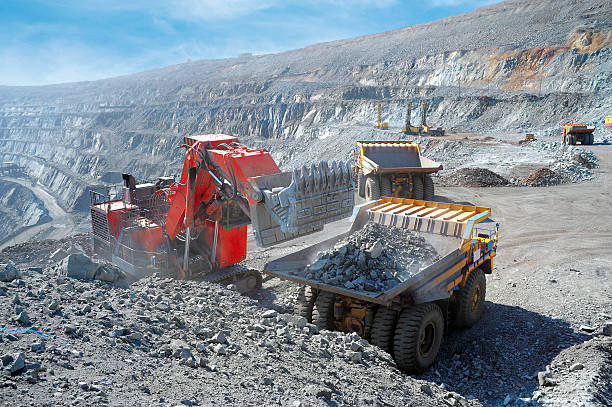
Kazakhstan may transfer a series of newly discovered rare earth metal deposits to the state-owned mining company Tau-Ken Samruk, according to Erlan Akbarov, Chairman of the Geology Committee under the Ministry of Industry and Construction. Geological exploration initiated by the government in 2021 has covered 12 targeted areas, with exploration completed in 10 of them. These surveys led to the discovery of multiple rare earth metal deposits, including 17 rare earth elements such as tantalum, lithium, and niobium. “The largest deposit we have discovered is the Kuyrektykol site, which has industrial reserves estimated at 1 million tons, with a projected reserve of 20 million tons. The remaining sites are located in eastern Kazakhstan (two), southern Kazakhstan (three), and northern Kazakhstan (three),” Akbarov said during a government briefing. “We have completed exploration and evaluation at these sites, and specific investors will continue the development. One of the options under consideration is transferring these sites to Tau-Ken Samruk,” he added. The National Mining Company Tau-Ken Samruk, a joint-stock company established in 2009, aims to unlock Kazakhstan's mineral wealth by attracting leading partners and technologies. It is preparing to lead the next development phase of the Kuyrektykol site, which includes pre-investment groundwork, further geological assessments, and the selection of appropriate mining technologies. Located in the Karaganda region in central Kazakhstan, initial exploration of Kuyrektykol began in 2022 and concluded in November 2024. Kazakhstan currently extracts 19 of the 34 globally recognized rare earth elements, including beryllium, tantalum, niobium, and rhenium. More than 100 deposits of rare and rare earth elements have been identified nationwide. Akbarov also noted that Tau-Ken Samruk might participate in a lithium mining project initiated by the Korea Institute of Geoscience and Mineral Resources (KIGAM) in eastern Kazakhstan. “KIGAM conducted geological studies with us and discovered lithium deposits. Negotiations are ongoing, and our Korean colleagues are keen to proceed with further exploration. Tau-Ken Samruk may acquire a stake in this project,” Akbarov stated. Earlier, The Times of Central Asia reported that in June this year, the Ministry of Industry and Construction will open electronic auctions granting private investors the right to explore and develop 50 gold and rare metal deposits.

Kazakhstan to Develop Rare Earth Metals Deposit in Karaganda Region

Kazakhstan’s national mining company, Tau-Ken Samruk, is preparing to develop the Kuirektykol rare earth metals deposit in the Karkaraly district of the Karaganda region, located in central Kazakhstan. Initial exploration of the Kuirektykol site began in 2022 and concluded in November 2024. Surveyors discovered commercially viable concentrations of rare earth elements, including cerium and lanthanides, across a 64.2 square kilometer area. Four promising zones were identified, with total resources estimated at 935,400 tons and confirmed reserves of 795,800 tons. Preliminary data suggests that reserves could potentially double with further exploration​. On Monday, it was announced that Tau-Ken Samruk will lead the next phase of development, which includes pre-investment preparations such as additional geological studies, technology selection, and feasibility assessments. The company may proceed either independently or in partnership with private investors. “This approach has already been applied to pilot projects at the Karatas (copper), Zhosabai (gold), North Katpar, and Upper Kayrakty (tungsten) deposits,” the Cabinet of Ministers noted. “The Kuirektykol site, with its significant rare-earth reserves used in semiconductors and high-powered magnets, is the next in line for development”​. Prime Minister Olzhas Bektenov highlighted the growth of private investment in the sector. Over the past six years, private capital in solid mineral exploration has tripled, reaching 100 billion tenge (approximately $198.6 million) in 2024. However, Bektenov also emphasized that state funding for geological exploration remains insufficient. In total, 38 promising areas with solid mineral deposits were identified across Kazakhstan in 2024. Earlier this year, Azat Peruashev, head of the Ak Zhol parliamentary faction, called on authorities to investigate subsoil users amid concerns over the alleged uncontrolled export of rare earth metals​.