Over 100,000 Uzbek Workers Recruited to Work in Russia in 2025
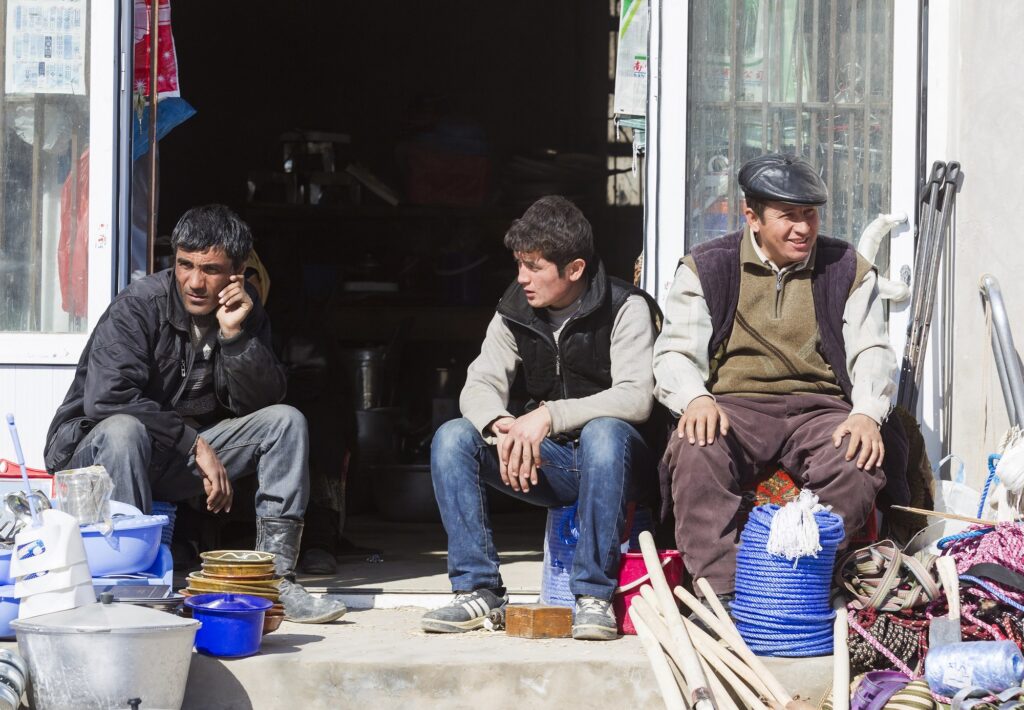
Around 106,000 citizens of Uzbekistan went to work in Russia in 2025 through organised recruitment programs, according to a report prepared by Rahim Khakimov, Deputy Adviser to the President of Uzbekistan, and cited by the Russian state news agency TASS. The report states that about 50,000 of these workers were employed by major companies, including Gazprom, Lukoil, Kamaz, AvtoVAZ, Ozon, and SPAR. Overall, an estimated 1.3 million Uzbek citizens are currently working in Russia on a temporary basis. The document also highlights ongoing efforts to simplify labor migration procedures. Agreements reached in 2025 provide for the partial transfer of work patent processing stages to Uzbekistan, allowing migrants to complete key formalities before departure. Authorities also plan to expand Russian-language testing by opening new centres in the cities of Jizzakh and Andijan to better serve the densely populated Fergana Valley, where nearly one-third of the country’s population lives. At the same time, migration trends are gradually shifting. According to Uzbekistan’s Central Bank, Uzbek labor migrants are no longer concentrated solely in traditional destinations such as Russia, Kazakhstan, South Korea, and Turkey. Increasing numbers are seeking employment opportunities in Europe and other parts of Asia. This diversification is reflected in remittance flows. Data show that transfers to Uzbekistan from the United Kingdom have increased by 39% in recent years, while remittances from European Union countries have risen by 37%. Significant growth has also been recorded from countries such as Ireland, Croatia, Slovakia, Lithuania, and the Netherlands, as well as from the United States and South Korea. Analysts attribute this trend to stable demand for labor abroad, relatively steady wage levels, and favorable currency exchange rates. According to the International Fund for Agricultural Development (IFAD), Uzbek labor migrants typically send home between $200 and $300 per month. Separate estimates from the Migration Observatory at the University of Oxford suggest that migrants in the United Kingdom remit between £1,000 and £3,300 annually per person. Overall, the average yearly remittance per recipient in Uzbekistan is estimated at between $2,000 and $4,000. Alongside these broader trends, consular support for Uzbek citizens abroad continues. On March 22, the Dunyo news agency reported that representatives of Uzbekistan’s embassy visited a Temporary Detention Center for Foreign Citizens in Russia’s Tula region. During the visit, Consul General Mehriddin Khairiddinov reviewed living conditions and held talks with Russian officials on accelerating document processing and facilitating the return of detained Uzbek nationals. “Supporting fellow citizens and providing them with the necessary assistance remain among the priority tasks of the diplomatic mission,” Khairiddinov said, emphasizing that the protection of citizens’ rights is a key principle of Uzbekistan’s state policy.