• KZT/USD = 0.00226
  • TJS/USD = 0.10830
  • UZS/USD = 0.00009
  • TMT/USD = 0.29760
  • KZT/USD = 0.00226
  • TJS/USD = 0.10830
  • UZS/USD = 0.00009
  • TMT/USD = 0.29760
  • KZT/USD = 0.00226
  • TJS/USD = 0.10830
  • UZS/USD = 0.00009
  • TMT/USD = 0.29760
  • KZT/USD = 0.00226
  • TJS/USD = 0.10830
  • UZS/USD = 0.00009
  • TMT/USD = 0.29760
  • KZT/USD = 0.00226
  • TJS/USD = 0.10830
  • UZS/USD = 0.00009
  • TMT/USD = 0.29760
  • KZT/USD = 0.00226
  • TJS/USD = 0.10830
  • UZS/USD = 0.00009
  • TMT/USD = 0.29760
  • KZT/USD = 0.00226
  • TJS/USD = 0.10830
  • UZS/USD = 0.00009
  • TMT/USD = 0.29760
  • KZT/USD = 0.00226
  • TJS/USD = 0.10830
  • UZS/USD = 0.00009
  • TMT/USD = 0.29760
27 September 2026

Viewing results 1 - 6 of 15

ADB Launches New Strategy for Turkmenistan

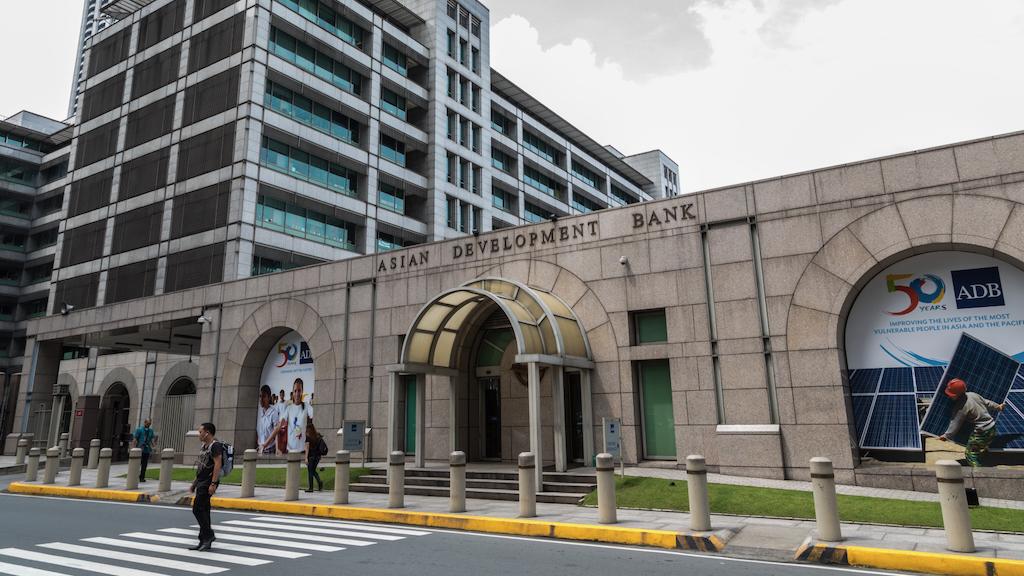
The Asian Development Bank (ADB) announced its new country partnership strategy for Turkmenistan on August 28. The strategy is designed to help the country develop a competitive, diversified, and knowledge-based economy driven by an innovative private sector. Under the new strategy, which spans from 2024 to 2028, the ADB’s assistance will focus on three strategic priorities: supporting the green transition to a sustainable and climate-resilient economy, promoting economic competitiveness through diversification with an emphasis on private sector and human capital development, and promoting structural reforms and institutional development. The ADB Director General for Central and West Asia, Yevgeniy Zhukov, commented: “ADB and Turkmenistan have a longstanding partnership, and the new strategy underscores our unwavering commitment to the country’s development. We will continue working closely with the government and Turkmenistan’s development partners to help the country realize its ambitious long-term development goals.” The ADB will support Turkmenistan’s green transformation with investments in energy efficiency, renewable energy, low-carbon pilot projects, and policy reforms. The bank will continue to help Turkmenistan develop long-term decarbonization plans and reduce methane emissions. The ADB will also support the development of sustainable and integrated transport networks focusing on railways along crucial trade corridors. Recognizing the critical role of the private sector in driving inclusive economic growth in Turkmenistan, the ADB will help build an export-oriented private sector and continue supporting domestic financial institutions, including improving access to capital for small and medium-sized enterprises targeting export markets. To support human capital development, the ADB will help reform the country’s healthcare sector to improve access, quality, and the range of services.

China to Build a Trade and Industrial Park in Astana

Last week, Xinjiang Hengyuan Investment Management Co., Ltd., based in the Chinese city of Baiyang, and Kazakh Invest signed a memorandum to implement the construction of a trade and industrial park, spanning 50 hectares, in Astana. As reported by Kazakh Invest, the project is expected to positively impact the development of critical sectors of Kazakhstan's economy, including logistics, warehousing, processing, trade, and real estate management. The project will also attract Chinese trade and manufacturing companies to operate in Kazakhstan. Yan Wang, Deputy Mayor of Baiyang, commented: "We are entering this project with great enthusiasm, seeing the enormous potential of Kazakhstan as a key logistics hub in the region. Creating the Kazakhstan-China Trade and Industrial Park in Astana will significantly expand the country's logistics capabilities and strengthen its role as an important transit corridor between East and West. We believe this project will catalyze attracting new trade flows and manufacturing." Yerzhan Yelekeyev, Chairman of the Board of Kazakh Invest, added: "This project opens up new horizons for cooperation between Kazakhstan and China. The creation of the Kazakhstan-China Trade and Industrial Park in Astana will not only accelerate the development of key sectors of our economy -but-also create numerous new jobs.”

Eurasian Connectivity Comes One Step Closer at the 2024 CAMCA Forum in Bishkek

The wider Eurasia region took another step towards cooperation and connectivity last week, as the 10th annual CAMCA Regional Forum was held in Bishkek. CAMCA – standing for Central Asia, Mongolia, the Caucasus and Afghanistan – is an initiative to accelerate dialogue between governments, private enterprises and media figures from these ten nations. Organized by the Washington, D.C.-based Central Asia-Caucasus Institute and the Rumsfeld Foundation, this year’s Forum – the first such event to take place in Kyrgyzstan – featured over 300 delegates across its two days, and presented insights from over 70 speakers. Attendees came from 25 countries in total. Professor Frederick Starr, the Central Asia-Caucasus Institute’s chairman, used his opening address to call on the countries of the region to start preparing for a future within a cohesive international bloc. Dr Starr reasoned that Russia and China, imperial powers that have traditionally had a controlling presence in Central Asia, may see their global influence wane in the coming decade. This would give the countries of Central Asia, and their neighbors, more space to create projects that serve their economies directly. A leading CAMCA regional project is the ‘Middle Corridor’ trade route, which bypasses Russia to transport goods more efficiently between Europe and China. Discussions are also taking place concerning the creation of single business and tourist visas for the whole Central Asia region. The importance of collaboration between countries in the Caucasus and Central Asia to mitigate the impact of climate change has never been so great. Addresses by senior members of the Kyrgyz government highlighted the progress that Kyrgyzstan has made since the administration of president Sadyr Japarov began its work in 2021. The country’s deputy prime minister Edil Baisalov reported that Kyrgyzstan is on track to double its GDP to $30 billion by 2030, while the minister for digital development, Nuria Kutnaeva, spoke about the rapid digitalization of the country’s government services.  In a noticeably warm and collaborative atmosphere, the event nonetheless highlighted the barriers that prevent the ten countries from forming a tangible ‘CAMCA’ space in the present. A key goal is the harmonization of their legislation and policy directions; however, no delegates from Tajikistan could travel to Bishkek for the Forum, as otherwise solid relations between Tajikistan and Kyrgyzstan are still strained by a dispute over their common border. Likewise, Armenian voices were also absent this time, in light of several of the sessions featuring Azerbaijani speakers and talking points. The event featured only one guest from Turkmenistan.  Even in these conflicts, however, Central Asian diplomacy is at work. The conflict on the Kyrgyz-Tajik border, mainly in Tajikistan’s Vorukh district, is being resolved through negotiations between the two countries’ governments, which would have been unthinkable even five years ago. Meanwhile, Kazakhstan is acting as a mediator between Baku and Yerevan in the aftermath of the war in Nagorno-Karabakh. Other topics on the agenda included security priorities for Central Asia, digital innovation in business, cooperation with Afghanistan, transitions in global energy markets, and infrastructure projects...