

• KGS/USD = 0.01144 0%
  • KZT/USD = 0.00214 0%
  • TJS/USD = 0.10720 0.19%
  • UZS/USD = 0.00008 0%
  • TMT/USD = 0.28490 0%
  • KGS/USD = 0.01144 0%
  • KZT/USD = 0.00214 0%
  • TJS/USD = 0.10720 0.19%
  • UZS/USD = 0.00008 0%
  • TMT/USD = 0.28490 0%
  • KGS/USD = 0.01144 0%
  • KZT/USD = 0.00214 0%
  • TJS/USD = 0.10720 0.19%
  • UZS/USD = 0.00008 0%
  • TMT/USD = 0.28490 0%
  • KGS/USD = 0.01144 0%
  • KZT/USD = 0.00214 0%
  • TJS/USD = 0.10720 0.19%
  • UZS/USD = 0.00008 0%
  • TMT/USD = 0.28490 0%
  • KGS/USD = 0.01144 0%
  • KZT/USD = 0.00214 0%
  • TJS/USD = 0.10720 0.19%
  • UZS/USD = 0.00008 0%
  • TMT/USD = 0.28490 0%
  • KGS/USD = 0.01144 0%
  • KZT/USD = 0.00214 0%
  • TJS/USD = 0.10720 0.19%
  • UZS/USD = 0.00008 0%
  • TMT/USD = 0.28490 0%
  • KGS/USD = 0.01144 0%
  • KZT/USD = 0.00214 0%
  • TJS/USD = 0.10720 0.19%
  • UZS/USD = 0.00008 0%
  • TMT/USD = 0.28490 0%
  • KGS/USD = 0.01144 0%
  • KZT/USD = 0.00214 0%
  • TJS/USD = 0.10720 0.19%
  • UZS/USD = 0.00008 0%
  • TMT/USD = 0.28490 0%

Viewing results 1 - 6 of 42

Kazakhstan’s Regional Ecological Summit 2026: What It Is and Why It Matters

Kazakhstan’s Regional Ecological Summit 2026 in Astana on April 22-24 is aiming to turn Central Asia’s environmental strain into a regional political agenda. Organized in partnership with the United Nations, the summit is built around the theme, “Shared Vision for a Resilient Future.” Its stated purpose is to bring together governments, international organizations, lenders, businesses, researchers, and civil society to push for joint and practical responses to climate and ecological pressures across the region. President Kassym-Jomart Tokayev first proposed hosting a regional climate summit in Kazakhstan under UN auspices during his 2023 speech at the 78th session of the UN General Assembly. By 2026, that idea had broadened into a wider environmental summit covering climate transition, adaptation, food security, natural resource management, air pollution, waste, finance, and environmental skills. The official key thematic directions show that this is no longer a narrowly framed climate conference. It is being presented as a broader Central Asian platform for ecological cooperation. In Central Asia, ecological stress now shapes core state concerns, from farming and energy to public health and cross-border cooperation. That gives the Astana summit a broader role than a standard environment conference. That shift reflects real regional pressures. Central Asia faces chronic water stress, glacier retreat, desertification, air pollution, and growing strain on ecosystems. The summit’s organizers say the meeting is meant to produce joint solutions rather than another round of abstract pledges. The UN in Kazakhstan says the summit is expected to advance shared regional responses and identify green financing needs, while a second UN page states that one planned outcome is a Joint Declaration by the heads of state of Central Asia, alongside a 2026-2030 Programme of Action developed with the United Nations. Tokayev’s own language explains the summit’s pitch. On August 5, 2025, speaking at the Third United Nations Conference on Landlocked Developing Countries in Awaza, Turkmenistan, he said, “Many developing countries without access to the sea are facing water scarcity, glacier melt, desertification, and other extreme weather events. Addressing these challenges requires coordinated regional efforts and strong international support. At the same time, I believe that measures to combat climate change must remain balanced and inclusive, and respond to the legitimate development needs of countries. To strengthen our joint efforts in addressing climate change, I invite you to the Regional Ecological Summit, which will be held in Astana in partnership with the United Nations.” The wording shows how Kazakhstan wants to frame the event. Central Asia’s environmental problems cross borders, but the response, in Tokayev’s view, must also accommodate growth, infrastructure, and development. That is why the summit is being presented not just as a climate gathering, but as a forum linking ecological policy, investment, technology, and state planning. The EXPO component is part of that design. Government and investment-promotion pages say the parallel exhibition will focus on green technologies, ESG tools, and practical climate solutions, linking diplomacy to project finance and implementation. The summit’s speaker list underlines its international reach. The official RES 2026 page includes...

Water in Central Asia: Between Reality and Alarmism

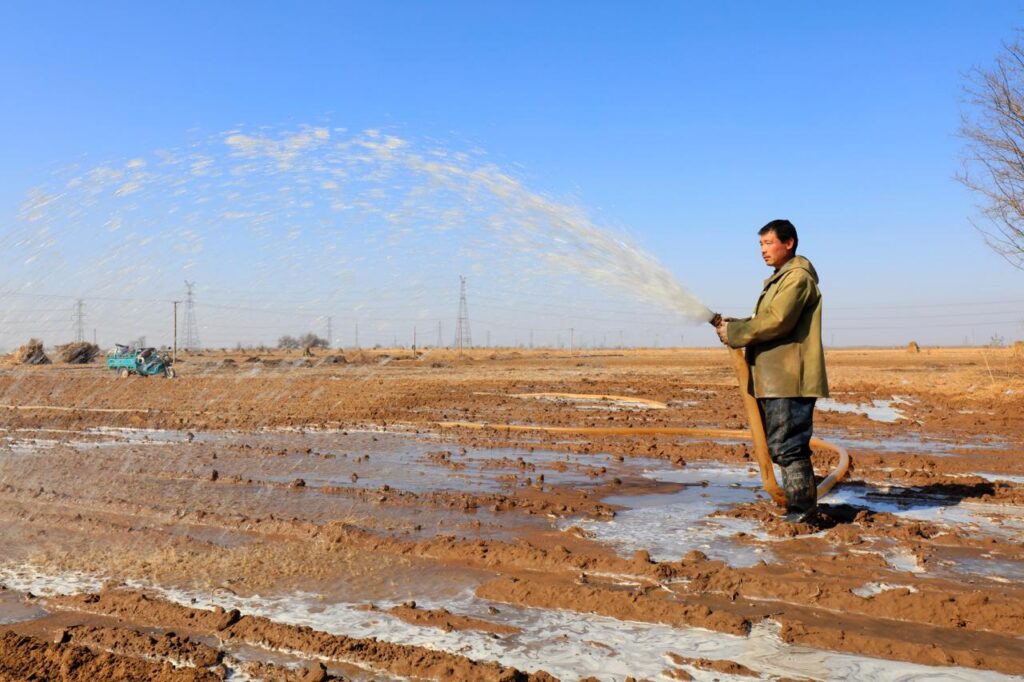
The Regional Ecological Summit 2026 will take place in Astana on April 22-24. The event is intended to elevate Central Asia’s water and environmental agenda to the level of systemic solutions. Alongside preparations for the summit, however, an increasingly alarmist narrative is gaining traction among some experts. In this framing, water resources in Central Asia are presented as being in crisis, with predictions of shortages, threats to food security, and even potential conflict. Phrases such as “there is not enough water,” “the harvest is at risk,” and “the region is on the brink” are used with growing frequency. Such assessments are typically based on generalized and dramatized claims that fail to differentiate between countries or specific river basins. This creates the impression of a single, simultaneous crisis, whereas in reality the situation is far more complex. Yes, there is a problem, but it is not sudden or one-dimensional. Water scarcity in Central Asia is real. However, it must be interpreted accurately and objectively. According to expert estimates, up to 40% of water in the region is lost through deteriorating irrigation infrastructure, while more than 80% of water consumption is accounted for by agriculture. Current practice supports these figures. In southern Kazakhstan, seasonal water supply restrictions are regularly imposed. This year, for example, the government approved consumption limits for southern regions due to an expected shortage during the growing season. Uzbekistan has said, in joining the World Bank’s Water Forward initiative, that it aims to introduce water-saving technologies across its 4.1 million hectares of irrigated land and reduce irrigation losses by 25%. Equally important are developments in upstream countries, Kyrgyzstan and Tajikistan. According to a study by the Organisation for Economic Co-operation and Development, the region exhibits a structural interdependence between water and energy. More than 80% of electricity in these countries is generated by hydropower, meaning water resources are used simultaneously for energy production and irrigation. This creates systemic interdependencies. At the same time, coordination of water releases and electricity generation remains suboptimal, and the absence of long-term regulatory mechanisms has already led to water shortages during certain summer periods. This is a key point: the issue is not so much an absolute lack of water, but the complexity of coordination between upstream and downstream countries, as well as between sectors within individual states. In other words, water shortages in Central Asia are often driven less by natural conditions than by how water is distributed and managed. Particular attention in alarmist narratives is given to Afghanistan and the Kushtepa Canal. Estimates commonly suggest that the Qosh Tepa Canal could eventually divert around 6-10 km³ of water per year from the Amu Darya, although projections vary and depend on how fully the canal is completed and operated. While the canal is not yet fully operational, regional officials already treat it as a serious medium-term risk, with the precise scale of future withdrawals still under discussion. Countries in the region, especially Uzbekistan, have been pursuing dialogue with Afghanistan over the canal and...