
• KGS/USD = 0.01144 0%
  • KZT/USD = 0.00206 0%
  • TJS/USD = 0.10795 0%
  • UZS/USD = 0.00008 0%
  • TMT/USD = 0.28571 0%
  • KGS/USD = 0.01144 0%
  • KZT/USD = 0.00206 0%
  • TJS/USD = 0.10795 0%
  • UZS/USD = 0.00008 0%
  • TMT/USD = 0.28571 0%
  • KGS/USD = 0.01144 0%
  • KZT/USD = 0.00206 0%
  • TJS/USD = 0.10795 0%
  • UZS/USD = 0.00008 0%
  • TMT/USD = 0.28571 0%
  • KGS/USD = 0.01144 0%
  • KZT/USD = 0.00206 0%
  • TJS/USD = 0.10795 0%
  • UZS/USD = 0.00008 0%
  • TMT/USD = 0.28571 0%
  • KGS/USD = 0.01144 0%
  • KZT/USD = 0.00206 0%
  • TJS/USD = 0.10795 0%
  • UZS/USD = 0.00008 0%
  • TMT/USD = 0.28571 0%
  • KGS/USD = 0.01144 0%
  • KZT/USD = 0.00206 0%
  • TJS/USD = 0.10795 0%
  • UZS/USD = 0.00008 0%
  • TMT/USD = 0.28571 0%
  • KGS/USD = 0.01144 0%
  • KZT/USD = 0.00206 0%
  • TJS/USD = 0.10795 0%
  • UZS/USD = 0.00008 0%
  • TMT/USD = 0.28571 0%
  • KGS/USD = 0.01144 0%
  • KZT/USD = 0.00206 0%
  • TJS/USD = 0.10795 0%
  • UZS/USD = 0.00008 0%
  • TMT/USD = 0.28571 0%

Viewing results 1 - 6 of 6

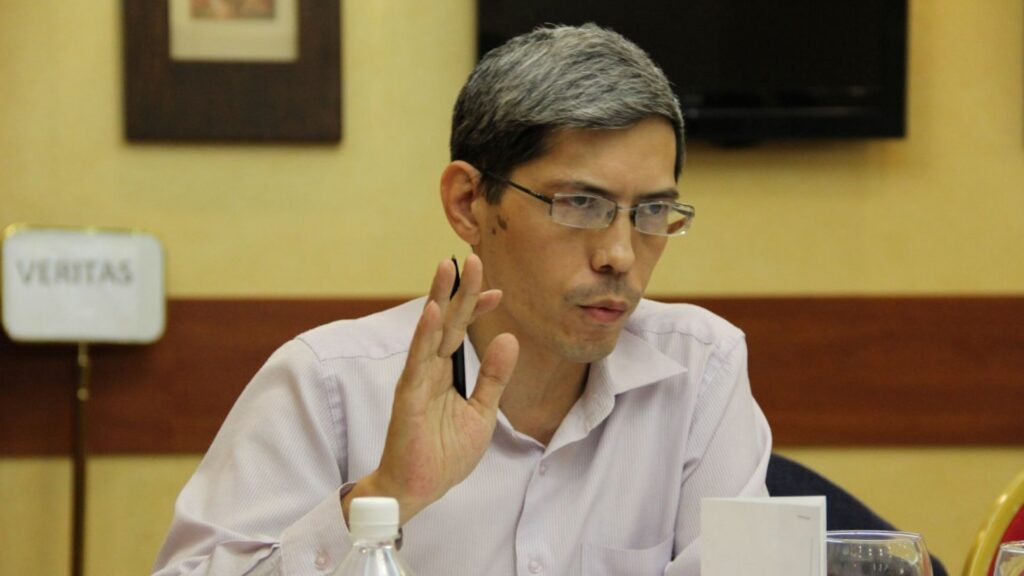
Political Analyst Karazhanov: Stability Is Central Asia’s Greatest Advantage

International events where Kazakhstan and Central Asia present their agenda and demonstrate the benefits of predictability bring significant advantages to the region. In an interview with The Times of Central Asia, Kazakh political analyst Zamir Karazhanov explains how the region is gradually changing its approach to addressing key challenges. According to Karazhanov, Kazakhstan and other Central Asian countries, particularly Uzbekistan, have recently begun positioning themselves on the international stage in a far more pragmatic and modern way. A prime example is the speech delivered on April 17 by Kazakhstan’s President, Kassym-Jomart Tokayev, at the Antalya Diplomacy Forum in Turkey. Observers noted that Tokayev outlined the role Kazakhstan is seeking to play in the evolving geopolitical landscape. The key message was that global governance is becoming less effective through traditional institutions, while the role of so-called “middle powers” is increasing. These countries may not define the global order on their own, but they are capable of promoting peaceful solutions, engaging in dialogue, and offering predictability. In addition, on April 22, Astana hosted the first Regional Environmental Summit (RES), which brought together around 1,500 participants from Central Asia, the European Union, the Shanghai Cooperation Organization, and the Middle East. The forum aimed to develop practical solutions to environmental and climate challenges facing both the Eurasia region and the wider world. During the discussions, representatives of Central Asian countries presented a realistic assessment of environmental issues and proposed a number of solutions. Environmental Threats Karazhanov noted that Kazakhstan has long faced difficult environmental conditions. “In addition to urban pollution, we have zones of ecological disaster, such as the Aral Sea. The country [Kazakhstan] hosts numerous extractive industries, and it is landlocked, located deep within the continent. Any environmental catastrophe here would have far more severe consequences than in countries without such constraints. Climate change is intensifying, temperatures are rising, and Central Asia is already experiencing acute water shortages. Without timely measures, the situation could become critical,” he said. According to him, Kazakhstan has long been dealing with environmental migration and has proactively begun building the necessary legal and social frameworks. Conflicts over water resources have already occurred in Central Asia. Karazhanov emphasized the importance of including representatives of countries that regulate the region’s water systems in the Astana forum. “This creates an opportunity for dialogue. Take the example of the two rivers that feed the Aral Sea, the Amu Darya and Syr Darya. At one point, Kyrgyzstan suspended its participation in the International Fund for Saving the Aral Sea because it felt its interests were constrained. It is essential to create a platform where all five countries in the region are satisfied with water distribution,” he said. He also highlighted Afghanistan as an increasingly important factor that has not been fully accounted for. As the country rebuilds after decades of conflict, its agriculture and other sectors will expand, increasing demand for water from transboundary rivers. “That is why the summit should be viewed in the broader context of regional development and good neighborly...

Iran Protests and Regional Stability: An Afghan Perspective

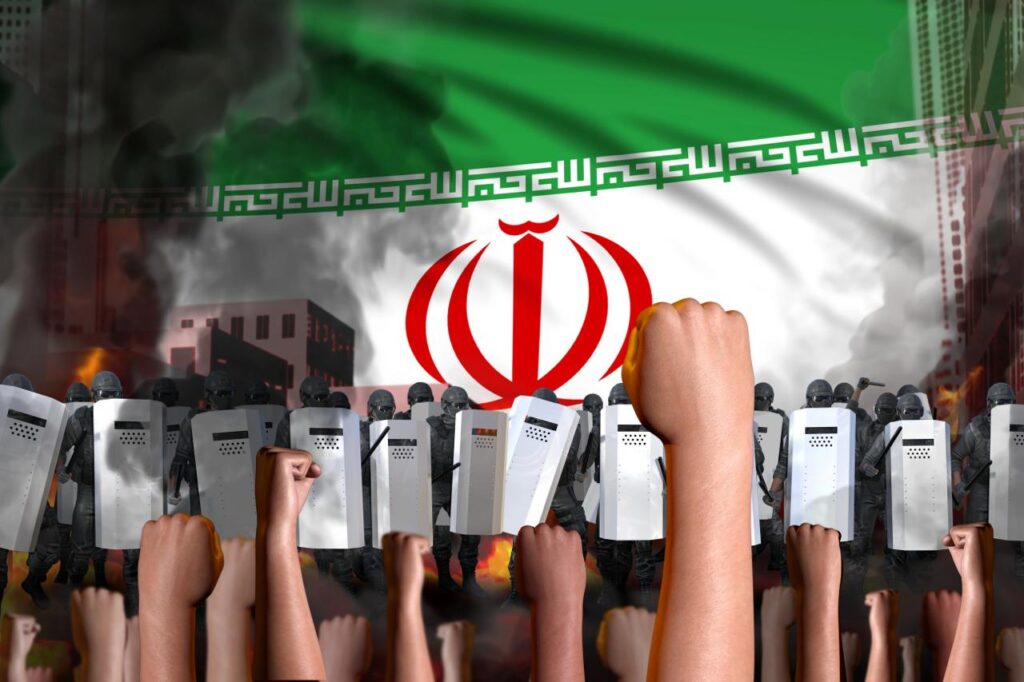
The protests that spread across Iran in late 2025 and early 2026 reflected more than short-term public discontent, instead exposing the cumulative effects of a prolonged socio-economic crisis. Persistently high inflation, declining real incomes, and falling living standards have placed sustained pressure on households and weakened the social contract between the state and society. Against this backdrop, the unrest increasingly acquired a foreign policy dimension. Strong statements from U.S. officials warning of consequences in response to Iran’s handling of the protests, combined with Tehran’s rejection of what it described as external interference, heightened the risk of the crisis becoming internationalized. Thus, the protests in Iran ceased to be an exclusively domestic issue and became a factor of regional instability. A key feature of the current situation is that the Iranian crisis is developing simultaneously on three fronts: socio-economic, where protests are fueled by deteriorating living conditions; political, linked to a crisis of confidence and governability; and geopolitical, where internal processes are used by external actors as a tool of pressure. Consequences for Afghanistan For Afghanistan, developments in Iran carry direct and practical significance. Since late 2024, Iran has become a source of large-scale returns of Afghan migrants, both voluntary and forced. By 2025, this process had become systematic, placing a heavy burden on Afghanistan’s western provinces, particularly Herat. In the event of prolonged instability and a deepening economic crisis in Iran, the likelihood of additional waves of migrant returns would increase. This would place further strain on Afghanistan’s labor market, healthcare system, social infrastructure, and already limited economic resources. In a fragile economy, the return of large numbers of migrants intensifies competition for jobs and raises the risk of local social tensions. The trade and logistics dimension is equally significant. Iran remains Afghanistan’s key economic partner and a vital transit corridor, including through the Islam Qala border crossing. Any deterioration in Iran’s socio-economic conditions has a direct impact on trade flows, supply chains, and broader regional economic stability. Significance for Central Asia The ongoing protest movements and the deterioration of the situation in Iran, driven by a systemic economic crisis and growing political and social discontent, could have a significant impact on political and economic dynamics, as well as security, across Central Asia. On the one hand, governments in the region are responding with cautious concern, mindful of the potential spillover effects of instability and rising internal discontent. A prolonged crisis in Iran increases the risks of migration pressure, border instability, and cross-border threats, all of which directly affect regional security. On the other hand, a further deterioration of Iran’s internal situation could disrupt trade, transit, and energy ties with Central Asia, weakening Tehran’s regional influence and reshaping the balance of power. Under such conditions, the role of other regional and external actors, including Russia, China, Turkey, and Western countries, is likely to grow as they gain opportunities to strengthen their positions in the region. As a result, the crisis in Iran is evolving beyond a domestic challenge and is...