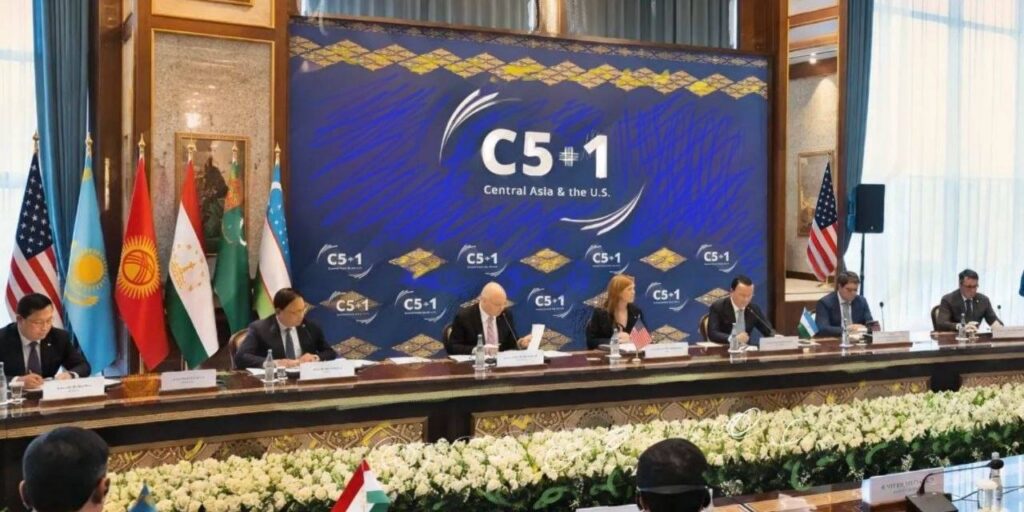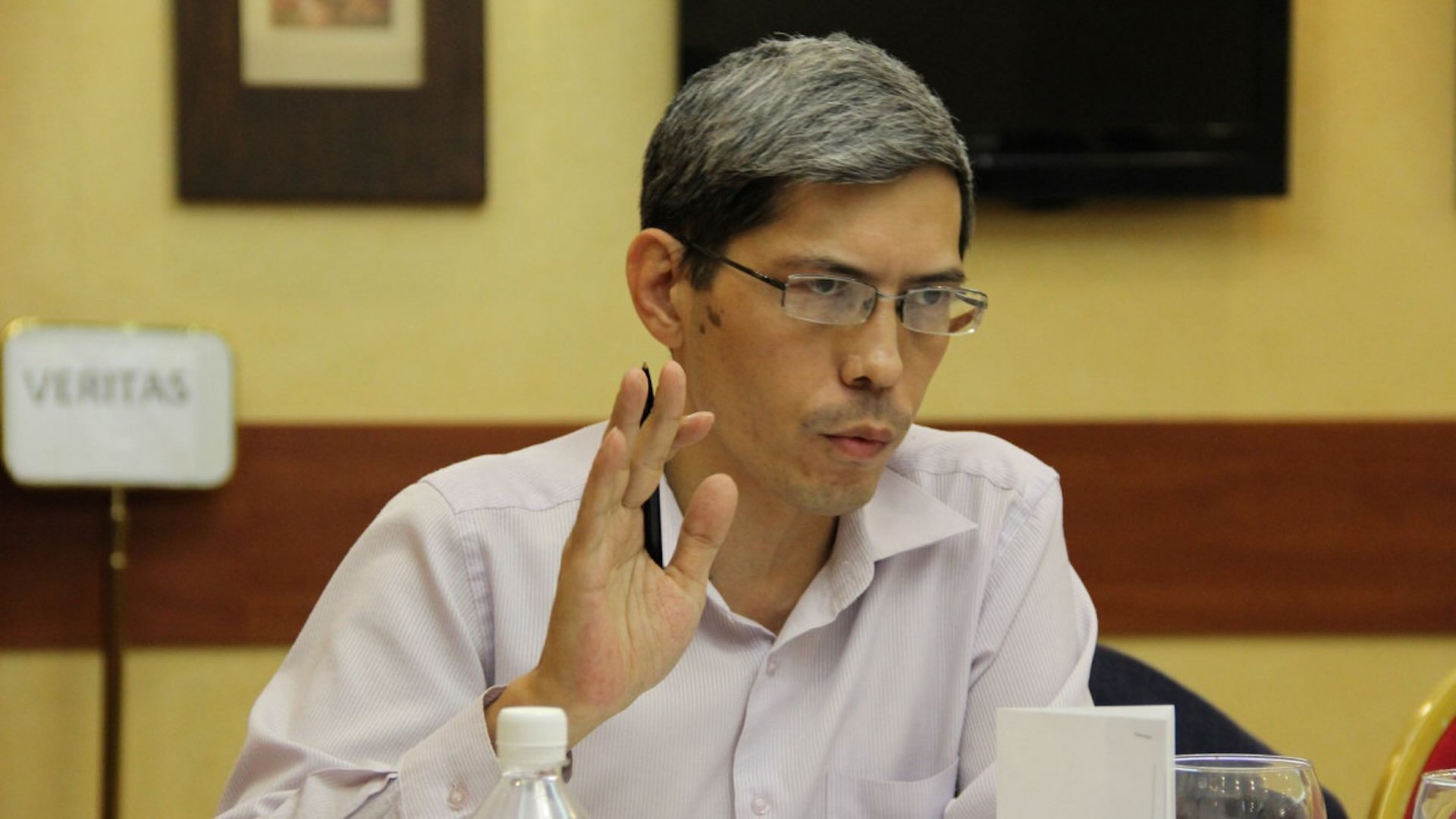
International events where Kazakhstan and Central Asia present their agenda and demonstrate the benefits of predictability bring significant advantages to the region. In an interview with The Times of Central Asia, Kazakh political analyst Zamir Karazhanov explains how the region is gradually changing its approach to addressing key challenges.
According to Karazhanov, Kazakhstan and other Central Asian countries, particularly Uzbekistan, have recently begun positioning themselves on the international stage in a far more pragmatic and modern way.
A prime example is the speech delivered on April 17 by Kazakhstan’s President, Kassym-Jomart Tokayev, at the Antalya Diplomacy Forum in Turkey. Observers noted that Tokayev outlined the role Kazakhstan is seeking to play in the evolving geopolitical landscape. The key message was that global governance is becoming less effective through traditional institutions, while the role of so-called “middle powers” is increasing. These countries may not define the global order on their own, but they are capable of promoting peaceful solutions, engaging in dialogue, and offering predictability.
In addition, on April 22, Astana hosted the first Regional Environmental Summit (RES), which brought together around 1,500 participants from Central Asia, the European Union, the Shanghai Cooperation Organization, and the Middle East.
The forum aimed to develop practical solutions to environmental and climate challenges facing both the Eurasia region and the wider world. During the discussions, representatives of Central Asian countries presented a realistic assessment of environmental issues and proposed a number of solutions.
Environmental Threats
Karazhanov noted that Kazakhstan has long faced difficult environmental conditions.
“In addition to urban pollution, we have zones of ecological disaster, such as the Aral Sea. The country [Kazakhstan] hosts numerous extractive industries, and it is landlocked, located deep within the continent. Any environmental catastrophe here would have far more severe consequences than in countries without such constraints. Climate change is intensifying, temperatures are rising, and Central Asia is already experiencing acute water shortages. Without timely measures, the situation could become critical,” he said.
According to him, Kazakhstan has long been dealing with environmental migration and has proactively begun building the necessary legal and social frameworks.
Conflicts over water resources have already occurred in Central Asia. Karazhanov emphasized the importance of including representatives of countries that regulate the region’s water systems in the Astana forum.
“This creates an opportunity for dialogue. Take the example of the two rivers that feed the Aral Sea, the Amu Darya and Syr Darya. At one point, Kyrgyzstan suspended its participation in the International Fund for Saving the Aral Sea because it felt its interests were constrained. It is essential to create a platform where all five countries in the region are satisfied with water distribution,” he said.
He also highlighted Afghanistan as an increasingly important factor that has not been fully accounted for. As the country rebuilds after decades of conflict, its agriculture and other sectors will expand, increasing demand for water from transboundary rivers.
“That is why the summit should be viewed in the broader context of regional development and good neighborly relations, as well as population welfare, agricultural growth, and energy security. In the past, we have seen cases where neighboring countries were on the brink of conflict over water,” Karazhanov added.
A Region of Stability
Amid global turbulence, demonstrating a commitment to peaceful dialogue offers significant advantages for the region.
“Last year, Kazakhstan became the leading destination for investment in Central Asia and also increased its own investments within the region. When we speak about Kazakhstan’s economic potential, we mean that it is the second-largest economy in the post-Soviet space and the largest in Central Asia. Now Kazakhstan is investing in the region itself, helping it reach a new level and increasing its global standing,” Karazhanov said.
He cited Vietnam as an example: today its GDP is twice that of Kazakhstan, yet 40 years ago such progress seemed unlikely. Through reforms, Vietnam has become a respected global player.
The analyst also noted that Uzbekistan, Kyrgyzstan, and even Tajikistan, the region’s poorest country, are strengthening their investment potential, while interest in regional integration continues to grow.
“It is also evident how unstable the world has become. The two largest countries in the region, Kazakhstan and Uzbekistan, are making consistent efforts to avoid being drawn into conflicts. This creates a zone of stability. For years, the countries of the region have invested in maintaining peaceful relations with all partners,” he said.
This stability is increasingly valuable as global logistics routes face disruptions. Karazhanov pointed out that Kazakhstan is already benefiting from the development of the Middle Corridor, with freight volumes continuing to grow.
“This is the result of predictability. No one is at war; no borders are being closed. In conditions of geopolitical uncertainty, this is extremely important. Countries in the region, particularly Kazakhstan and Uzbekistan, are pursuing reforms to enhance their investment and logistics attractiveness. Today, the region’s GDP growth significantly exceeds the global average, reaching 6-7%. With continued reforms, there is potential for rapid growth. Central Asia has all the prerequisites, resources, potential, and a well-educated population. The value of a peaceful and stable region is extremely high,” he concluded.