• KGS/USD = 0.01143 0%
  • KZT/USD = 0.00216 0%
  • TJS/USD = 0.10684 -0.28%
  • UZS/USD = 0.00008 0%
  • TMT/USD = 0.28571 0%
  • KGS/USD = 0.01143 0%
  • KZT/USD = 0.00216 0%
  • TJS/USD = 0.10684 -0.28%
  • UZS/USD = 0.00008 0%
  • TMT/USD = 0.28571 0%
  • KGS/USD = 0.01143 0%
  • KZT/USD = 0.00216 0%
  • TJS/USD = 0.10684 -0.28%
  • UZS/USD = 0.00008 0%
  • TMT/USD = 0.28571 0%
  • KGS/USD = 0.01143 0%
  • KZT/USD = 0.00216 0%
  • TJS/USD = 0.10684 -0.28%
  • UZS/USD = 0.00008 0%
  • TMT/USD = 0.28571 0%
  • KGS/USD = 0.01143 0%
  • KZT/USD = 0.00216 0%
  • TJS/USD = 0.10684 -0.28%
  • UZS/USD = 0.00008 0%
  • TMT/USD = 0.28571 0%
  • KGS/USD = 0.01143 0%
  • KZT/USD = 0.00216 0%
  • TJS/USD = 0.10684 -0.28%
  • UZS/USD = 0.00008 0%
  • TMT/USD = 0.28571 0%
  • KGS/USD = 0.01143 0%
  • KZT/USD = 0.00216 0%
  • TJS/USD = 0.10684 -0.28%
  • UZS/USD = 0.00008 0%
  • TMT/USD = 0.28571 0%
  • KGS/USD = 0.01143 0%
  • KZT/USD = 0.00216 0%
  • TJS/USD = 0.10684 -0.28%
  • UZS/USD = 0.00008 0%
  • TMT/USD = 0.28571 0%

Viewing results 1 - 6 of 30

Kazakh Politician Proposes Allowing Private Laboratories to Conduct Driver Intoxication Tests

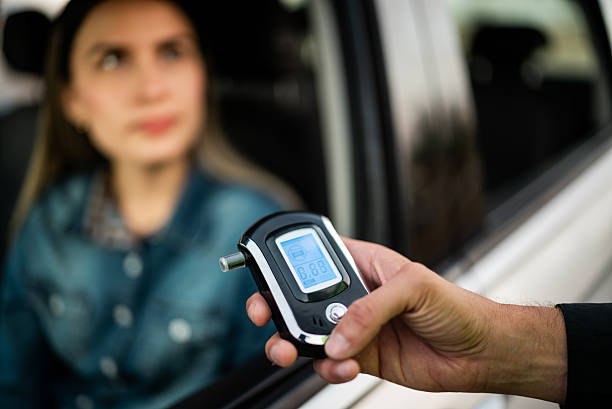
Zhanna Asanova, a member of the Senate, the upper house of Kazakhstan’s parliament, has proposed allowing private medical laboratories to conduct examinations for alcohol and drug intoxication in drivers. The proposal was submitted as a parliamentary inquiry addressed to the government. At present, such medical examinations are conducted exclusively by state-run medical institutions equipped with laboratory facilities. However, Asanova argued that the capacity of this system is severely limited. Citing Almaty as an example, she noted that Kazakhstan’s largest city, with a population exceeding two million, currently has only two state laboratories handling all intoxication-related cases. This, she said, hinders the timely processing of examinations. Asanova emphasized that the current centralized model creates both procedural delays and corruption risks. The absence of alternative institutions undermines public trust in the objectivity of results and creates opportunities for abuse. “The remoteness and overload of laboratories mean that individuals remain in a vulnerable procedural position for hours, while police officers waste time and resources. This undermines the overall effectiveness of the law enforcement system,” she said. The senator also noted that citizens currently have no right to choose their testing institution or request an independent re-examination, which restricts their ability to mount an effective legal defense. Another risk, according to Asanova, stems from the heavy workload and outdated equipment in some state laboratories. These limitations can lead to procedural violations during sample collection, storage, and analysis, ultimately compromising the reliability of evidence presented in court. She also pointed out that existing equipment in state labs is not always capable of detecting a broad spectrum of psychoactive substances, including synthetic, combined, and toxic compounds such as so-called “salts”, which require more advanced testing technologies. Meanwhile, Kazakhstan has a network of private laboratories equipped with modern diagnostic tools and staffed by qualified professionals, but their resources remain largely untapped within the current system. As a solution, Asanova proposed creating a new model that would allow accredited private laboratories to conduct medical examinations on equal footing with state institutions, and to include them in a unified national register. She also called for granting citizens the right to independently select a laboratory for repeat testing. The initiative aligns with broader efforts to reform Kazakhstan’s road safety system. Previously The Times of Central Asia reported that Senator Marat Kozhaev had proposed introducing an “idiocy test” for repeat traffic offenders as a potential basis for revoking their driving licenses.

Kazakhstan Proposes Digital Points System for Traffic Violations

Kazakhstan may introduce a digital points-based system to monitor and penalize traffic violations, enabling authorities to automatically identify repeat offenders, mandate retesting, and revoke driving licenses. The proposal was announced by Prosecutor General Berik Asylov during a recent meeting of the Law Enforcement Coordination Council. According to Asylov, noncompliance with traffic regulations remains a major cause of road accidents. He noted that 81% of those responsible for traffic accidents had previously been held accountable for multiple violations. For instance, in East Kazakhstan, one driver committed 32 infractions in a single year, including 13 speeding violations, before fatally crashing into oncoming traffic, killing himself and two passengers. A more striking case occurred in Almaty, where a driver with 72 violations over two years, including 30 for speeding, killed a pedestrian on August 30. To prevent such incidents, participants at the council meeting proposed the implementation of a digital points system that would automatically record repeat violations. Drivers who exceed a predetermined threshold would be required to retake their driving test. Chronic offenders would face temporary suspension of their driving privileges. Asylov also emphasized the need for stricter oversight in the issuance of driver’s licenses. “Cases of illegal acquisition of licenses will be considered a factor that increases the threat to society,” he stated. As previously reported by The Times of Central Asia, lawmakers have also proposed introducing mandatory psychological evaluations, dubbed the “idiot test”, for repeat offenders who systematically violate the same traffic rules.

Daines, Gor, Meredov Launch C5+1 Talks on Next-Gen U.S.–Central Asia Ties

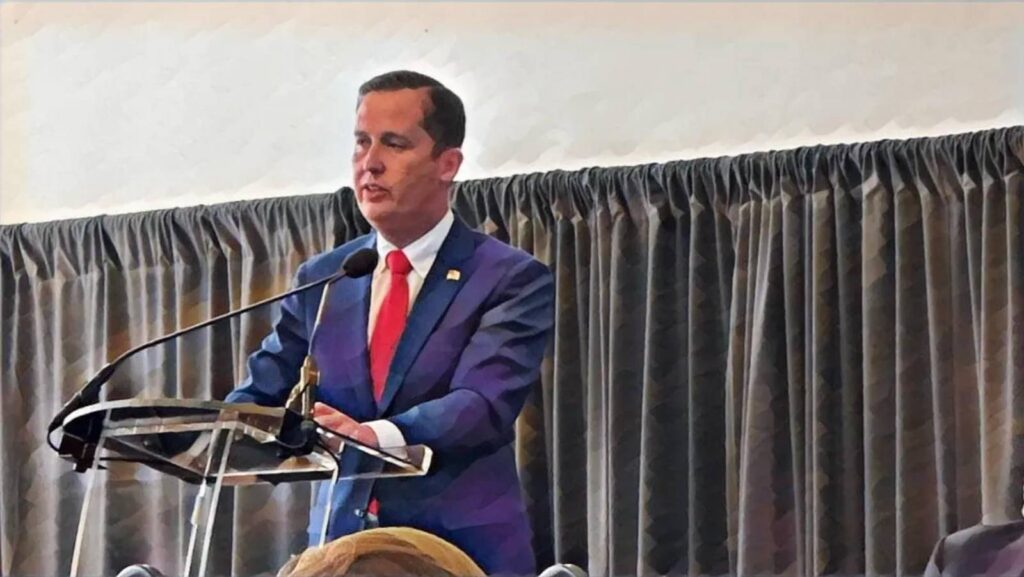
Washington, D.C. — The United States and the five nations of Central Asia – Kazakhstan, Kyrgyzstan, Tajikistan, Turkmenistan and Uzbekistan – marked a decade of partnership on Thursday with an opening panel at the C5+1 Tenth Anniversary Business Conference hosted by the U.S. Department of State. U.S. Senator Steve Daines (Montana), Sergio Gor, the newly appointed U.S. Special Envoy for South and Central Asia and Ambassador to India and Rashid Meredov, Turkmenistan’s Foreign Minister kicked things off with a bold forward-looking vision centered on deeper economic cooperation, net two-way investment flows, and a bolstered U.S. commitment to the region. Held at the Kennedy Center’s REACH campus, the session brought together senior U.S. officials, and Central Asian leaders and private sector companies to deepen a decade of growing cooperation, building on Trump’s transactional approach and first term achievements. Celebrating a Decade of Cooperation U.S. Senator Steve Daines, who moderated the session, not only praised the C5+1 platform’s record of achievements since 2015 but went further. He called the anniversary “a momentous occasion for our nations” to move forward in friendship and a sense of pragmatism, anchored in growing commerce, new investments, cultural exchange, and security cooperation. Daines emphasized that relations with the C5 countries are “vitally important for our national security and prosperity,” adding that the event aimed to pave the way for stronger, results-driven partnerships. Turning to the next speaker, Ambassador Sergio Gor, Daines offered unusually personal remarks, describing him as “truly one of the closest confidants of President Trump.” He noted that “Mr. Gor’s nomination demonstrates President Trump and his administration’s commitment to fostering closer ties between all of our nations.” Daines expressed eagerness to work with  “Sergio and the rest of President Trump’s team” to build upon the successes of previous US-Central Asian relations. U.S. Envoy Stresses Renewed Engagement In his address, Ambassador Sergio Gor,  underscored the administration’s renewed commitment to the region. He recounted that he and Deputy Secretary of State Christopher Landau had visited Kazakhstan and Uzbekistan just last week, praising the hospitality and partnership shown by both governments. Gor extended his appreciation to Kazakhstan, which he noted had “recently become a sponsor of the Kennedy Center,” and thanked Ambassador Richard Grenell for hosting the forum. Gor emphasized that “this President is making this partnership a top priority,” adding that the focus on the five Central Asian nations “is something that has been ignored in past administrations.” According to Gor, President Trump “has made a commitment and has instructed every individual here within the U.S. government to make sure [Central Asia] gets the priority that it deserves.” He emphasized the need to ramp up energy cooperation, open new trade avenues, and secure supply chains for critical minerals. “We are committed to further developing Central Asia’s vast mineral wealth and advancing critical-mineral security,” Gor underscoring C5+1’s shift from dialogue to deliverables and mutual cooperation. He also previewed the White House leaders’ meeting and dinner scheduled for later in the day, noting that several “historic deals” in commerce...

Kyrgyzstan to Nationalize Driving Schools and Reform Driver Training

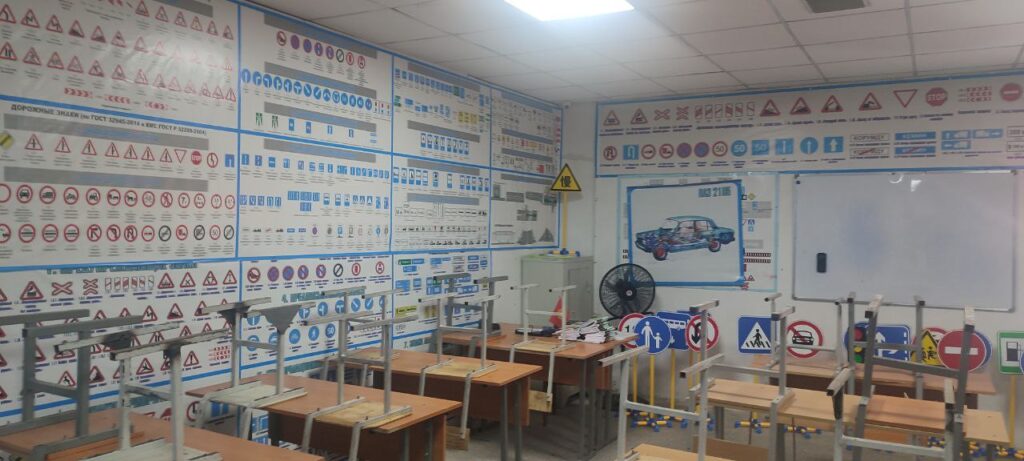
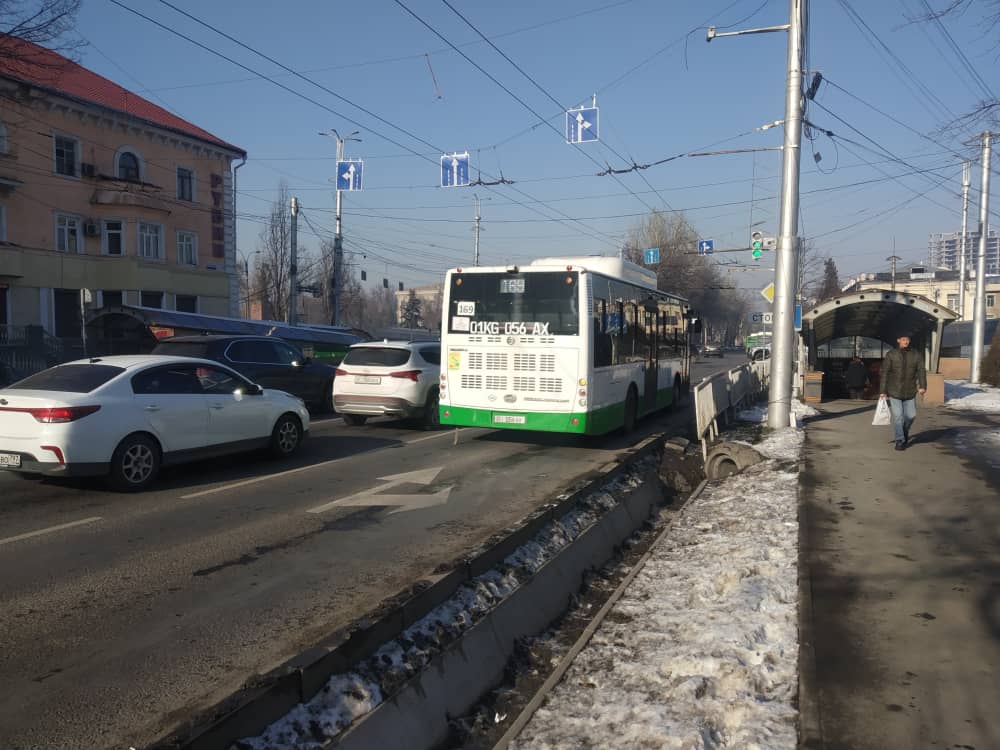
Kyrgyzstan has announced sweeping reforms to its driver training system, set to take effect at the beginning of 2026. All private driving schools will be brought under state control, and the duration of driver training will be extended from three months to fourteen. The reform was presented at a press conference in Bishkek by Kanybek Tumanbaev, Chief of Staff to the President. He stated that the initiative aims to improve road safety and curb corruption in the issuance of driver’s licenses. “There are too many traffic accidents in Kyrgyzstan today. Young people admit to purchasing driver’s licenses through private driving schools, where practical training often lasts just two or three hours,” Tumanbaev said. Under the new system, practical instruction will take place across different seasons, including both summer and winter driving conditions. The curriculum will also include courses on vehicle maintenance and driving etiquette. All exams will be administered under state supervision to prevent bribery and ensure consistent standards. Private driving instructors will not lose their jobs; instead, they will be integrated into the new state-run driving schools. The cost of training for citizens is expected to remain unchanged. Authorities also plan to introduce a partially online format for theoretical classes. As part of the reform, Kyrgyzstan will abolish indefinite driver’s licenses. Beginning in 2026, all newly issued licenses will be valid for 10 years, aligning with international standards. Citizens holding permanent licenses will be required to exchange them for the new format starting in January 2026. The replacement process will be free of charge and will not require retesting. The reforms are a response to persistently high accident rates and what officials describe as inadequate driver education. In 2024, Kyrgyzstan recorded 7,423 traffic accidents resulting in 514 deaths. In the first nine months of 2025, that figure rose to 9,078 accidents with 636 fatalities.

Kazakhstan Considers Lowering Speed Limits in Populated Areas

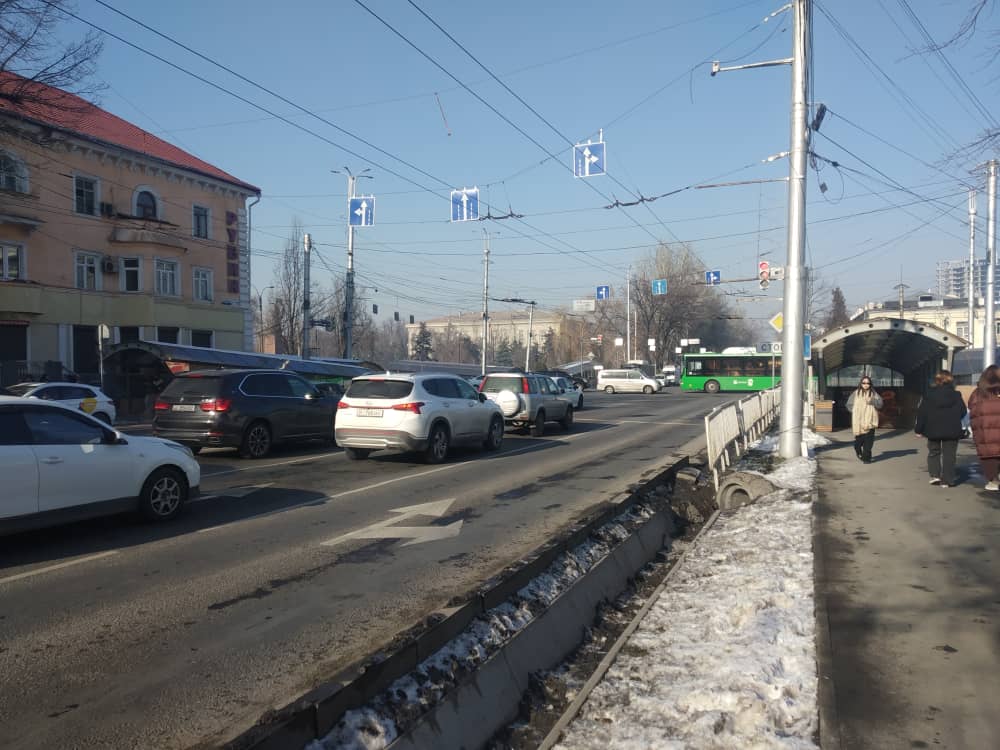
Kazakhstan’s parliament is set to debate reducing the maximum speed limit for motor vehicles in populated areas when deputies return from their summer recess, according to Kaisar Sultanbaev, chairman of the Administrative Police Committee of the Ministry of Internal Affairs. “As for reducing the speed limit in populated areas, we are constantly working on legislation and our regulatory documents. We are currently considering this issue in working order. When our MPs return from their vacation, we will discuss it with them. The issue is in progress, and we will provide additional information about the decisions taken,” Sultanbaev said at a briefing. Currently, the standard speed limit in populated areas is 60 km/h, with variations in certain zones: 40 km/h near schools and up to 80 km/h on bypass roads within city limits. Sultanbaev did not indicate what the new limit might be. The Interior Ministry has previously raised similar initiatives. In spring 2024, it proposed reducing the speed of freight vehicles in populated areas to 50 km/h. The Urban Forum Kazakhstan foundation has also suggested lowering limits in Almaty to 30-50 km/h for all vehicles. More recently, in February 2025, the Prosecutor General’s Office proposed cutting the maximum speed on suburban roads from 90 to 60 km/h. Road safety remains a pressing concern. In the first half of 2025 alone, police recorded more than 3 million speeding violations nationwide. Speeding remains one of the leading causes of fatal crashes: 1,129 traffic accidents in populated areas were attributed to speeding in that period, resulting in 95 deaths. On national and regional highways, 986 similar accidents killed 180 people. At the same time, Sultanbaev noted that stricter enforcement is helping reduce casualties. Between January and June 2025, traffic accidents left 16,000 people injured, down from 26,000 a year earlier. Road fatalities also fell by 8 percent, from 1,480 to 1,366. Kazakhstan’s growing vehicle fleet compounds the challenge. Over the past 34 years, the number of registered vehicles has risen from 2 million to 5.5 million. Earlier this year, The Times of Central Asia reported that senators also proposed introducing a so-called “idiot test”, a psychophysiological assessment for repeat offenders who frequently violate traffic rules, including speed limits.

Kyrgyz Drivers to Face On-the-Spot Traffic Rule Tests During Stops

Beginning September 1, drivers in Kyrgyzstan may be required to demonstrate their knowledge of traffic regulations during routine stops by traffic police. The directive aims to reduce road accidents by ensuring that motorists are familiar with basic driving rules. The new policy was announced by government spokesperson Askat Alagozov on his Facebook page. Oral Exams During Traffic Stops Under the initiative, drivers found violating traffic rules may be asked to take an oral exam on the spot. Those who fail will have their driver’s license temporarily suspended until they pass the test. According to Alagozov, the fee for the first retest attempt will be 500 Kyrgyz som (approximately $5.70). The cost increases with each failed attempt, 1,000 KGS ($11.50) for the second, 2,000 KGS ($23) for the third, and 4,000 KGS ($46) for the fourth try. The entire testing process will be recorded on video to help prevent corruption. Drivers will regain their licenses immediately upon successfully passing the exam. A Response to Rising Road Fatalities Alagozov said the initiative responds to the country’s high number of traffic accidents, which have claimed hundreds of lives. He attributed many of these incidents to drivers lacking basic knowledge of road safety rules. “Because of those who do not know the rules of the road, children become orphans, parents lose their sons and daughters, experiencing terrible tragedies. Many become disabled,” he said. He added that prior to 2020, driver's licenses were routinely sold for 15,000 to 20,000 KGS ($80 to $150), with only 20-30% of motorists having actually passed the required exams. Mixed Reactions From the Public The initiative has sparked heated debate on social media. While some citizens support the move as a necessary step toward improving road safety, others fear it could open the door to new forms of corruption and extortion by traffic police. Authorities maintain that the video-recorded testing procedure will act as a safeguard against abuse, and insist the new policy is a serious step toward safer roads in Kyrgyzstan.