• KGS/USD = 0.01144 0%
  • KZT/USD = 0.00215 0%
  • TJS/USD = 0.10641 0%
  • UZS/USD = 0.00008 0%
  • TMT/USD = 0.28530 0%
  • KGS/USD = 0.01144 0%
  • KZT/USD = 0.00215 0%
  • TJS/USD = 0.10641 0%
  • UZS/USD = 0.00008 0%
  • TMT/USD = 0.28530 0%
  • KGS/USD = 0.01144 0%
  • KZT/USD = 0.00215 0%
  • TJS/USD = 0.10641 0%
  • UZS/USD = 0.00008 0%
  • TMT/USD = 0.28530 0%
  • KGS/USD = 0.01144 0%
  • KZT/USD = 0.00215 0%
  • TJS/USD = 0.10641 0%
  • UZS/USD = 0.00008 0%
  • TMT/USD = 0.28530 0%
  • KGS/USD = 0.01144 0%
  • KZT/USD = 0.00215 0%
  • TJS/USD = 0.10641 0%
  • UZS/USD = 0.00008 0%
  • TMT/USD = 0.28530 0%
  • KGS/USD = 0.01144 0%
  • KZT/USD = 0.00215 0%
  • TJS/USD = 0.10641 0%
  • UZS/USD = 0.00008 0%
  • TMT/USD = 0.28530 0%
  • KGS/USD = 0.01144 0%
  • KZT/USD = 0.00215 0%
  • TJS/USD = 0.10641 0%
  • UZS/USD = 0.00008 0%
  • TMT/USD = 0.28530 0%
  • KGS/USD = 0.01144 0%
  • KZT/USD = 0.00215 0%
  • TJS/USD = 0.10641 0%
  • UZS/USD = 0.00008 0%
  • TMT/USD = 0.28530 0%

Viewing results 1 - 6 of 7

Plans Underway to Launch Humanoid Robot Production in Astana

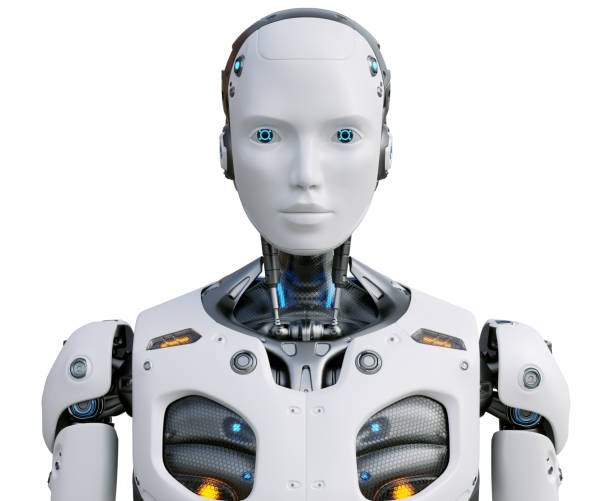
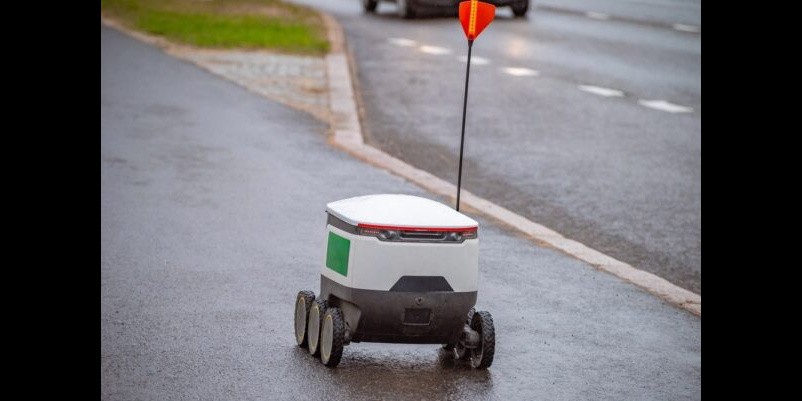
Plans are underway to launch humanoid robot production in Astana at the Astana Hub International Technology Park, Minister of Digital Development and Artificial Intelligence Zhaslan Madiev announced at a government meeting. According to Madiev, Astana Hub remains a key institution for fostering innovative entrepreneurship in Kazakhstan. The technology park runs acceleration programs, including AI’preneurs, aimed at launching startups in the field of artificial intelligence. Since September 2024, 35 AI startups have been established through the program’s three cohorts. In collaboration with the city authorities, the Astana Innovations Accelerator program is also being implemented. It focuses on integrating startups into urban infrastructure and helping them secure commercial contracts. Following a competitive selection process, eight projects have received funding. The minister also reported that an “Exponential Cluster” is being developed at the technology park, an innovation platform designed to bring together science, startups, and industry. As part of this initiative, a network of technology centers is being created, covering areas such as robotics, unmanned systems, cybersecurity, medicine, and industrial applications. A humanoid robotics laboratory has already been launched at the Robotics Center. Projects include the development of teleoperation systems for robot control and the integration of robots with the AlemLLM language model for user interaction. Special attention is being given to unmanned technologies. According to Madiev, Kazakhstan plans to launch a pilot project for autonomous vehicles involving international companies in the second quarter of 2026. A separate private initiative to deploy delivery drones is also underway. At the Drone Center, construction of a “phygital” arena, combining physical and digital environments, and infrastructure for training unmanned aerial vehicle operators is nearing completion. All Astana Hub technology centers are expected to be operational by the end of the year. The ministry expects the cluster to support the launch of up to 500 startups annually, including more than 100 hardware projects, and to position Astana as a regional innovation hub. According to official data, by 2025 Astana Hub residents had created more than 32,500 jobs. A total of 537 companies export IT services to 111 countries, with export volumes reaching $681 million, an increase of 44% compared to the previous year. The Times of Central Asia previously reported that the Chinese company AgiBot plans to launch the production and deployment of industrial robots in Kazakhstan.

Kazakh Surgeons Use MAKO Robotic System in Tashkent for the First Time

Kazakh surgeons have performed groundbreaking joint replacement procedures in Uzbekistan's capital Tashkent using the MAKO robotic system, an advanced technology in orthopedic surgery. The operations were a centerpiece of the event 'Days of Kazakh Medicine in Uzbekistan'. A surgical team led by traumatologist-orthopedist Timur Baidalin, head of the endoprosthetics department at the Batpenov National Scientific Center for Orthopedics and Traumatology, successfully conducted two joint replacements, one knee and one hip, using the MAKO robotic assistant. The system enables surgeons to plan and execute procedures with exceptional precision and reduced risk of complications. Developed by the U.S. based company Stryker, the MAKO system functions as an intelligent surgical assistant using 3D modeling technology. It creates a virtual replica of the patient’s joint, allowing the surgical team to pre-calculate the optimal implant angle, depth, and trajectory. During the procedure, the surgeon guides the MAKO manipulator, which operates with micromillimeter accuracy. This significantly lowers the risk of tissue damage and extends the lifespan of the implanted prosthesis. “The main advantage of MAKO is the ability to combine the surgeon’s experience with machine precision. This sets a new standard in endoprosthetics,” said Baidalin. For Uzbek specialists, the event served as a hands-on masterclass. In addition to observing the procedures, local doctors operated the system under the supervision of the Kazakh team. “We’ve been anticipating this technology for a long time. Today, we not only saw it in action but experienced the difference. This is a milestone for Uzbek orthopedics, and we’re grateful to our Kazakh colleagues for the opportunity to gain this experience,” said Odil Valiev, head of the adult orthopedics department at Uzbekistan’s Republican Specialized Scientific and Practical Center for Traumatology and Orthopedics. This collaboration follows another recent highlight: in spring 2025, Kazakh specialists from UMC, led by cardiac surgeon Yuri Pii, presented the ALEM device at EXPO 2025 in Osaka. The technology enables the long-term preservation of donor organs and represents another significant advance in regional medical innovation.

Young Uzbek Engineers Set Guinness World Record with 1,946 Robots

Uzbekistan has entered the Guinness World Records after 1,946 young engineers simultaneously assembled mini-robots at a public event in Tashkent. The Ministry of Higher Education, Science and Innovation announced the achievement via its official Telegram channel. The record-setting event took place in Yangi O‘zbekiston Park, where each participant built a robot in unison, surpassing the previous record set in India in 2023, when 1,459 students completed a similar task. Describing the achievement as a “historic milestone,” the ministry said: “Our youth achieved it, Uzbekistan has broken a Guinness World Record! This success once again inscribes our country’s name in the Guinness Book of Records. It demonstrates the scientific-technical potential, creativity, and teamwork of Uzbek youth, opening the door to new achievements in technology and innovation.” The event served as both a technical showcase and a celebration of collaboration, innovation, and national pride. The accomplishment adds to a growing list of Guinness World Records from across Central Asia. In May, acrobats Batyr Zhanuzak and Marlen Maratov from the Almaty Circus earned a record in Milan for the “Fastest time climbing and descending two ladders with a person standing on their hands on the head.”