• KGS/USD = 0.01144 0%
  • KZT/USD = 0.00207 0%
  • TJS/USD = 0.10465 0.1%
  • UZS/USD = 0.00008 0%
  • TMT/USD = 0.28490 0%
  • KGS/USD = 0.01144 0%
  • KZT/USD = 0.00207 0%
  • TJS/USD = 0.10465 0.1%
  • UZS/USD = 0.00008 0%
  • TMT/USD = 0.28490 0%
  • KGS/USD = 0.01144 0%
  • KZT/USD = 0.00207 0%
  • TJS/USD = 0.10465 0.1%
  • UZS/USD = 0.00008 0%
  • TMT/USD = 0.28490 0%
  • KGS/USD = 0.01144 0%
  • KZT/USD = 0.00207 0%
  • TJS/USD = 0.10465 0.1%
  • UZS/USD = 0.00008 0%
  • TMT/USD = 0.28490 0%
  • KGS/USD = 0.01144 0%
  • KZT/USD = 0.00207 0%
  • TJS/USD = 0.10465 0.1%
  • UZS/USD = 0.00008 0%
  • TMT/USD = 0.28490 0%
  • KGS/USD = 0.01144 0%
  • KZT/USD = 0.00207 0%
  • TJS/USD = 0.10465 0.1%
  • UZS/USD = 0.00008 0%
  • TMT/USD = 0.28490 0%
  • KGS/USD = 0.01144 0%
  • KZT/USD = 0.00207 0%
  • TJS/USD = 0.10465 0.1%
  • UZS/USD = 0.00008 0%
  • TMT/USD = 0.28490 0%
  • KGS/USD = 0.01144 0%
  • KZT/USD = 0.00207 0%
  • TJS/USD = 0.10465 0.1%
  • UZS/USD = 0.00008 0%
  • TMT/USD = 0.28490 0%

Viewing results 1 - 6 of 114

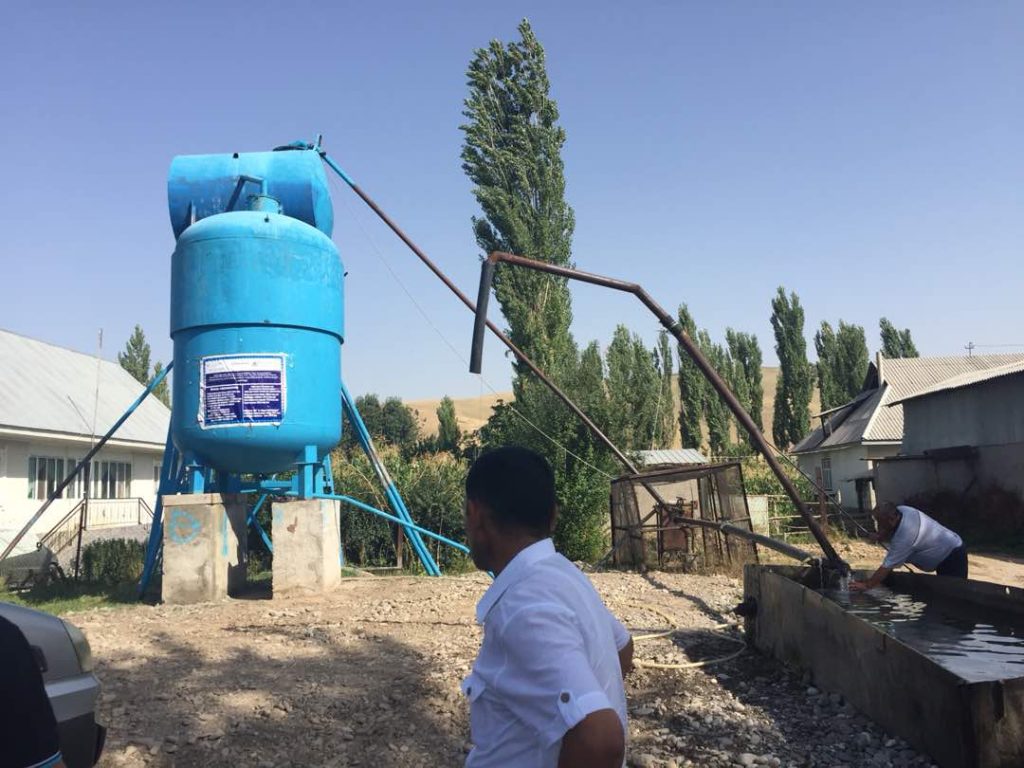
Switzerland helps improve access to clean drinking water in rural Kyrgyzstan

BISHKEK (TCA) — An official launch of improved drinking water supply service took place in Bagysh municipality of Jalal-Abad province in southern Kyrgyzstan on August 9. A new 3245-meter water pipeline was installed, a 500 m3 reservoir was reconstructed at water intake facilities, a 180-meter-deep well was drilled, and a new deep-well pump with electronic control was installed. Water pipelines have been installed in 848 households and now more than 5,800 inhabitants of Oktyabrskoye and Kedey-Aryk villages of the Bagysh municipality have access to clean drinking water 24 hours a day, the Embassy of Switzerland in the Kyrgyz Republic reported. Continue reading

Japan supports rural women in Kyrgyzstan

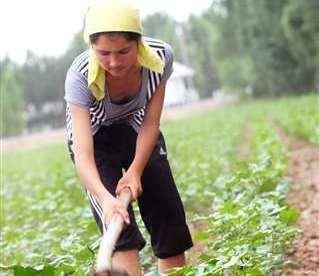
BISHKEK (TCA) — The Government of Japan has made a contribution of US$600,000 to the United Nations World Food Programme (WFP) to support rural women in Kyrgyzstan in order for them to play a greater role in entrepreneurship and farming, the WFP said on July 9. Continue reading

Uzbekistan: Ferghana farmers seek fortune in Karakalpakstan wilderness

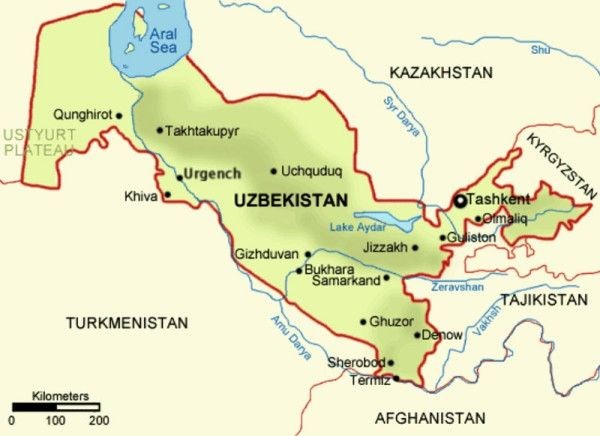
TASHKENT (TCA) — The government of Uzbekistan has encouraged farmers from the fertile Ferghana Valley to relocate to the northwestern region of Karakalpakstan, to develop agriculture in that region with harsh climatic conditions. We are republishing this article on the issue, originally published by Eurasianet: It is five in the morning. Khayotjon Mamadaliyev is doing the rounds of his fields. Overnight, he irrigated his red peppers, cotton and grain. He needs to keep a close eye on the water to make sure there is enough to go around. Water around his farm is in grave shortage and is rationed. Mamadaliyev’s land extends over 105 hectares, equal to around one-third the size of New York’s Central Park. For somebody from the Ferghana Valley, that is almost inconceivably vast. But Mamadaliyev is not in his luxuriantly fertile and densely populated native Ferghana Valley – he is in the unforgiving wilderness of Karakalpakstan, a dusty salt-blown region on the western edges of Uzbekistan. Mamadaliyev, 35, arrived in Karakalpakstan in early January, leaving behind his meager two hectares in the Ferghana region, where he cultivated bell peppers, garlic and carrots. His new plots are in the Taxtako‘pir district, around 100 kilometers from the nearest urban center, Nukus. The going has been tough. Mamadaliyev’s face is weather-beaten and sunburnt, his hands covered in callouses and scratches, and his clothes ever-spattered with mud. Despite the fatigue, his eyes have a glint of energy and optimism. “The land is saline and it needs to be irrigated to wash out the salt. Only then can you think about sowing. As soon as we arrived, we began to work in the greenhouses. We planted bell peppers and red peppers to reap enough seeds to sow over 30 hectares. The conditions here differ from those in the Ferghana Valley. Here the sowing season is about 20-30 days later. The winter is long and cold. You need to put more effort into growing crops on this land,” Mamadaliyev said. Mamadaliyev is one of 130 farmers who left their native Ferghana Valley to try their hand in Karakalpakstan earlier this year as part of a government initiative. The main draw was the sheer amount of land being made available to farmers from the Ferghana region – one of three administrative regions in Uzbekistan’s section of the Ferghana Valley. “At the end of December, they summoned all the farmers to the Ferghana regional administration. They offered us the option to go to Karakalpakstan and receive land. They promised to support us with cheap credit, at 3 percent annual interest, and farming equipment. So far, they have given us basic buildings and greenhouses,” Mamadaliyev said. As soon as he arrived, Mamadaliyev put his mind to learning the Karakalpak language, which is related to Uzbek but closer to Kazakh. He has hired personnel locally to work on the land and in the greenhouses. He took out a small bank loan to buy seeds and fertilizer. Until he sees the results of his first harvest though,...

Russian company to help Uzbekistan draft agriculture development strategy

TASHKENT (TCA) — The Russian consulting company Strategy Partners Group will assist Uzbekistan in developing the country’s Strategy for the Development of Agriculture through 2030, the Jahon information agency reported. Continue reading

ADB’s $145 million loan to help improve water supply services in Uzbekistan

TASHKENT (TCA) — The Asian Development Bank’s (ADB) Board of Directors has approved a $145 million loan to help improve water supply and sanitation services in the Republic of Karakalpakstan (RK), an autonomous republic in northwestern Uzbekistan. The project will benefit about 388,000 residents, half of whom are women and girls, the ADB country office in Uzbekistan said. Continue reading

New report explores potential of agriculture for Afghanistan’s growth

KABUL (TCA) — A joint report by the Government of Afghanistan and the World Bank Group, Jobs from Agriculture in Afghanistan, explores the agriculture sector’s role in explaining the dynamics of rural employment. Continue reading