
• KGS/USD = 0.01144 0%
  • KZT/USD = 0.00191 -0%
  • TJS/USD = 0.10838 0.37%
  • UZS/USD = 0.00008 0%
  • TMT/USD = 0.28571 0.28%
  • KGS/USD = 0.01144 0%
  • KZT/USD = 0.00191 -0%
  • TJS/USD = 0.10838 0.37%
  • UZS/USD = 0.00008 0%
  • TMT/USD = 0.28571 0.28%
  • KGS/USD = 0.01144 0%
  • KZT/USD = 0.00191 -0%
  • TJS/USD = 0.10838 0.37%
  • UZS/USD = 0.00008 0%
  • TMT/USD = 0.28571 0.28%
  • KGS/USD = 0.01144 0%
  • KZT/USD = 0.00191 -0%
  • TJS/USD = 0.10838 0.37%
  • UZS/USD = 0.00008 0%
  • TMT/USD = 0.28571 0.28%
  • KGS/USD = 0.01144 0%
  • KZT/USD = 0.00191 -0%
  • TJS/USD = 0.10838 0.37%
  • UZS/USD = 0.00008 0%
  • TMT/USD = 0.28571 0.28%
  • KGS/USD = 0.01144 0%
  • KZT/USD = 0.00191 -0%
  • TJS/USD = 0.10838 0.37%
  • UZS/USD = 0.00008 0%
  • TMT/USD = 0.28571 0.28%
  • KGS/USD = 0.01144 0%
  • KZT/USD = 0.00191 -0%
  • TJS/USD = 0.10838 0.37%
  • UZS/USD = 0.00008 0%
  • TMT/USD = 0.28571 0.28%
  • KGS/USD = 0.01144 0%
  • KZT/USD = 0.00191 -0%
  • TJS/USD = 0.10838 0.37%
  • UZS/USD = 0.00008 0%
  • TMT/USD = 0.28571 0.28%
11 November 2025

Viewing results 1 - 6 of 2

Archaeologists in Tajikistan Uncover 7th-Century Sewer System

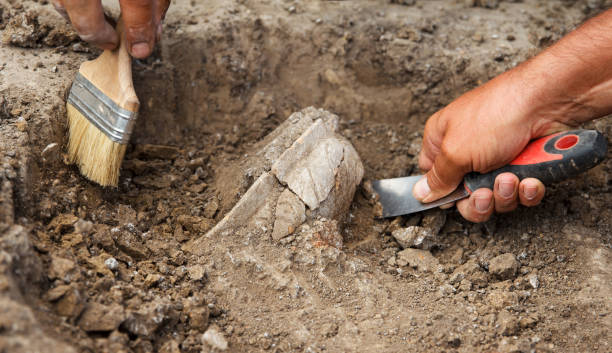
Archaeologists in Istaravshan, in Tajikistan's northwestern Sughd region, have unearthed a remarkably well preserved sewer system dating back to the 7th century AD. The discovery was announced by architect and excavation participant Amindjon Khomid. The system was first uncovered in 2023 in the Kala-i-Mugh area during work conducted jointly with Professor Rakhim Nabiev, Doctor of Historical Sciences from Khujand. Ancient Engineering in Istaravshan Preliminary estimates place the sewer system’s age at around 1,300 years. Geological studies suggest even older cultural layers may lie beneath, potentially dating to the 1st century AD and as far back as five millennia. During excavations, archaeologists also found ceramic jugs from the 3rd and 6th centuries, as well as earlier eras. One 6th-century jug was made of concrete and lined with clay on the inside, an unusually advanced technology for its time. Khomid noted that the design and condition of the artifacts point to a high level of ancient engineering skill. Unique Jug from Khalkajjar As reported by The Times of Central Asia, earlier this year, archaeologists from the National Museum of Tajikistan uncovered another significant artifact at the Khalkajjar monument near the village of Sarband. In May 2025, they discovered a clay vessel bearing a complete inscription in the Bactrian language, dating to the Kushan Empire (1st-3rd centuries). The inscription, written in a distinctive broken script, was translated by Professor Nicholas Sims-Williams and numismatist Joe Cribb. It reads: “This water jug belongs to the woman Sagkina.” Researchers say such inscriptions are rare and provide valuable insights into literacy, property ownership, and social life in the Kushan Empire. The Kushan Empire was one of the largest states in ancient Central Asia, encompassing parts of modern Afghanistan, Pakistan, India, southern Uzbekistan, and Tajikistan. The Bactrian language, widely used in administration and trade at the time, remains a key tool for understanding the region’s history. Traces of Ancient Life in the Zeravshan Valley In November 2024, an international archaeological team reported the discovery of the multi-layered Soi Khavzak site in the Zeravshan Valley, containing evidence of human activity dating back 150,000 years. Led by Professor Yossi Zeidner of the Hebrew University, excavations revealed stone tools, animal bones, and plant remains from periods spanning the late to middle Paleolithic. Scientists believe the region may have served as a migration corridor for both Homo sapiens and Neanderthals, providing a place where they could meet and interact. The site’s excellent preservation of organic matter, including bones and wood, offers the possibility of discovering human remains, a find that could help identify the species of ancient inhabitants in Central Asia. Experts say these recent discoveries not only expand understanding of Tajikistan’s engineering and cultural history, but also highlight the region’s role as a hub of human innovation and migration over thousands of years.


Cholpon-Ata Launches First-Ever Centralized Sewage System Project

In a significant move toward sustainable tourism and environmental protection, Kyrgyz Minister of Construction Nurdan Oruntaev signed an agreement with firms from China, Turkey, and Uzbekistan to build treatment facilities, pump stations, and sewer collectors in Cholpon-Ata, a city on the northern shore of Lake Issyk-Kul. The project is being financed by the Asian Development Bank as part of the national “Environmental Management of Issyk-Kul” program. It aims to improve ecological conditions and support sustainable tourism development by establishing a unified sewage system for Cholpon-Ata and nearby settlements, including Bosteri, Kara-Oi, and Baktuu-Dolonotu. “The project aims to ensure balanced economic development with a focus on innovation and environmentally friendly technologies. Its key objective is to preserve the unique ecosystem of the lake,” the Ministry of Construction stated. Environmental Measures Ahead of Tourist Season Ahead of the 2025 tourist season, the Environmental and Technical Supervision Service has announced that resorts without sewage treatment facilities will be barred from operating during the summer months. “With the start of the season, the load on the lake's ecosystem increases dramatically, all sanatoriums and holiday homes begin operating, and the number of tourists surges. Issyk-Kul is a closed ecosystem and designated biosphere reserve that requires special protection. According to a presidential decree, facilities in the recreational zone without treatment infrastructure are prohibited from operating,” explained Kych Tentimishov, head of the regional department for environmental and technical supervision at the Ministry of Natural Resources. Current Sanitation Status According to ministry data, there are currently 1,127 accommodation facilities operating around Lake Issyk-Kul, including resorts, sanatoriums, and holiday homes. Of these, only 185 have their own sewage treatment systems, and another 208 are connected to a centralized system. The remaining facilities rely on septic tanks. Authorities are currently conducting inspections to ensure all facilities meet environmental standards, as part of a broader initiative to safeguard one of Kyrgyzstan’s most treasured natural landmarks.