
• KGS/USD = 0.01144 0%
  • KZT/USD = 0.00204 0%
  • TJS/USD = 0.10441 0%
  • UZS/USD = 0.00008 0%
  • TMT/USD = 0.28490 0%
  • KGS/USD = 0.01144 0%
  • KZT/USD = 0.00204 0%
  • TJS/USD = 0.10441 0%
  • UZS/USD = 0.00008 0%
  • TMT/USD = 0.28490 0%
  • KGS/USD = 0.01144 0%
  • KZT/USD = 0.00204 0%
  • TJS/USD = 0.10441 0%
  • UZS/USD = 0.00008 0%
  • TMT/USD = 0.28490 0%
  • KGS/USD = 0.01144 0%
  • KZT/USD = 0.00204 0%
  • TJS/USD = 0.10441 0%
  • UZS/USD = 0.00008 0%
  • TMT/USD = 0.28490 0%
  • KGS/USD = 0.01144 0%
  • KZT/USD = 0.00204 0%
  • TJS/USD = 0.10441 0%
  • UZS/USD = 0.00008 0%
  • TMT/USD = 0.28490 0%
  • KGS/USD = 0.01144 0%
  • KZT/USD = 0.00204 0%
  • TJS/USD = 0.10441 0%
  • UZS/USD = 0.00008 0%
  • TMT/USD = 0.28490 0%
  • KGS/USD = 0.01144 0%
  • KZT/USD = 0.00204 0%
  • TJS/USD = 0.10441 0%
  • UZS/USD = 0.00008 0%
  • TMT/USD = 0.28490 0%
  • KGS/USD = 0.01144 0%
  • KZT/USD = 0.00204 0%
  • TJS/USD = 0.10441 0%
  • UZS/USD = 0.00008 0%
  • TMT/USD = 0.28490 0%

Viewing results 1 - 6 of 6

Switzerland Backs Winter Tourism Development in Kyrgyzstan

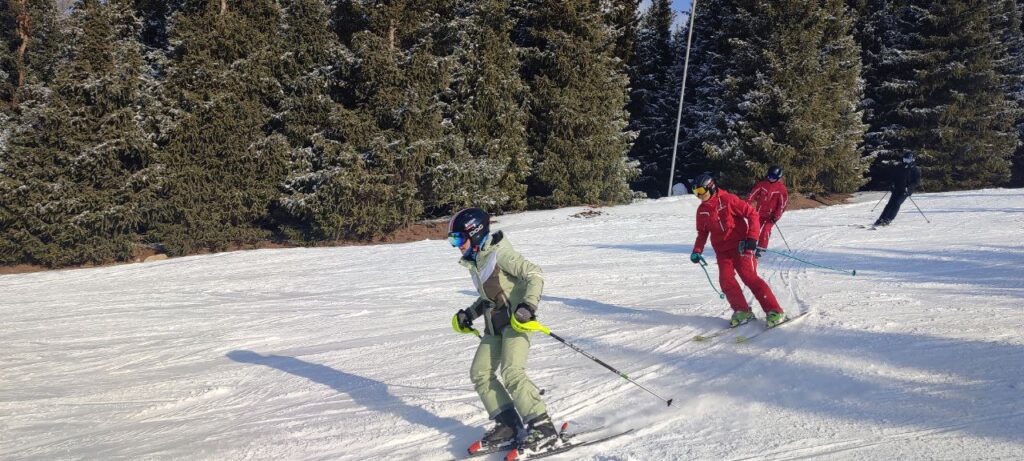
Switzerland is providing practical support to Kyrgyzstan in developing its winter tourism sector, with a strong focus on training professional staff. A program for ski instructor training is currently underway in the city of Karakol, Issyk-Kul region, with Swiss backing. Switzerland's ambassador to Kyrgyzstan, Sirocco Meserli, recently visited a cross-country skiing training session, a sport that has seen systematic development in Kyrgyzstan since 2022. According to Swiss diplomats, specialists from Switzerland have arrived to train Kyrgyz instructors and sports school coaches in modern international methods tailored for children, adults, and tourists. The initiative is part of the Sustainable Winter Tourism project, funded by the Swiss government. The final stage of this year’s training sessions with Swiss experts is currently taking place. [caption id="attachment_42787" align="aligncenter" width="300"] @TCA[/caption] Meserli stated that the program covers skiing techniques, instructional methods, tourist engagement, and safety protocols. “Infrastructure development is important, but qualified personnel who can provide a high level of service and a positive tourist experience play a decisive role,” he said. The project introduces international training standards for instructors at the Admission, Aspirant, and Instructor levels, commonly used in alpine skiing and snowboarding training globally. The Swiss side has emphasized the project’s long-term goals: not only to train instructors but also to lay the foundation for winter sports as a sustainable economic sector, fostering growth in tourist traffic, job creation, and service offerings during the winter season. [caption id="attachment_42788" align="aligncenter" width="300"] @TCA[/caption] Kyrgyz experts see high potential in this area. Approximately 94% of Kyrgyzstan’s territory is mountainous, and new ski resorts are actively being developed across the country. “Skiing is becoming popular. Young people are eager to learn. All instructors speak Kyrgyz, Russian, and English, and demand for training has grown significantly,” ski instructor Daniyar Toichbek told The Times of Central Asia. Karakol remains Kyrgyzstan’s primary ski destination. During the winter season, numerous rental shops operate in the city, where a full set of ski equipment can be rented for about $35, making winter recreation accessible to both locals and international visitors.

“Winter Begins in Karakol”: Kyrgyzstan Launches Ski Season with Cultural Events

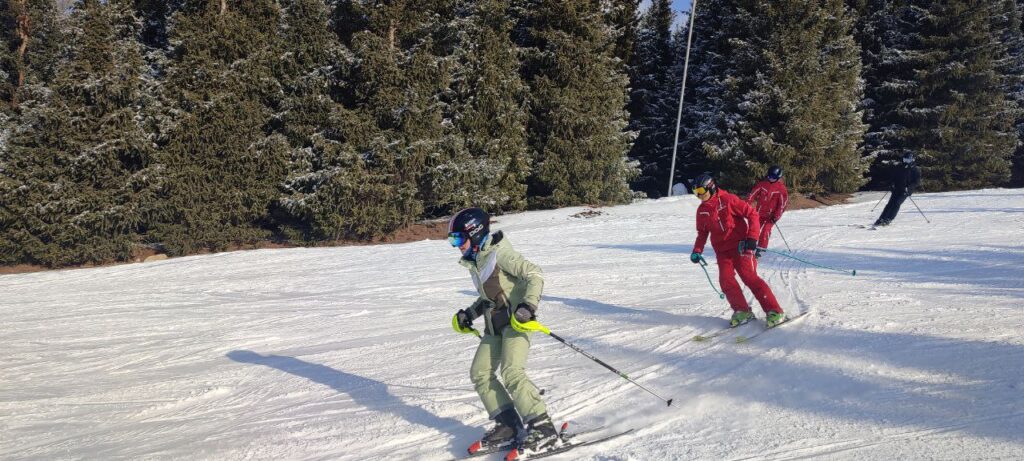
The winter tourist season has officially opened in Karakol, Kyrgyzstan, long considered one of Central Asia’s top destinations for active winter tourism. The city is traditionally the first in the country to open its ski slopes, and this year’s launch was not merely technical, but a full-scale event aimed at boosting both domestic and international tourism. A festive program was held at the ski base, featuring music and dance performances, as well as the launch of the “Jaryk Fest” festival. Local artisans hosted master classes in felt-making, showcasing clothing and souvenir production. This crafts section played an important role in positioning the region as a cultural as well as an adventure destination. [caption id="attachment_40525" align="aligncenter" width="402"] @TCA[/caption] “Jaryk Fest is a celebration of light, snow, and vivid emotions. It’s timed to coincide with the opening of the winter season across Kyrgyzstan. We even have a slogan: ‘Winter begins in Karakol,’” said Ulukbek Almakebek, manager of the Karakol ski resort, in an interview with The Times of Central Asia. According to the organizers, the resort continues to draw tourists from Russia and Kazakhstan, but recent years have seen a notable rise in visitors from Europe and Southeast Asia, a trend that Kyrgyzstan is actively encouraging by expanding its winter tourism offerings. Skiers highlight Karakol’s unique terrain as one of its main attractions. Many of the trails pass through dense coniferous forests, creating picturesque and varied descents not found at other regional resorts. Erdenet Kasymov, director of the Kyrgyzstan Tourism Department, noted that winter tourism is rapidly diversifying. In addition to traditional skiing and hot springs, European tourists are increasingly opting for mountain hiking and horseback riding. [caption id="attachment_40526" align="aligncenter" width="396"] @TCA[/caption] “Tourists from South Korea and India are particularly drawn to snowshoeing in deep snow. It’s a relatively new form of recreation, but one that’s quickly gaining popularity,” Kasymov said. One emerging trend is winter yachting on Issyk-Kul Lake. Because the lake does not freeze in winter, it offers an extended season and opportunities for new types of recreation. Two modern yachts have already been acquired for the region, and work is ongoing to restore older vessels and build docks and piers. This approach aligns with a vision outlined by President Sadyr Japarov, a native of the Issyk-Kul region, who has previously called for moving beyond the traditional separation of “winter” and “summer” tourism. According to Japarov, Kyrgyzstan is building a model of year-round tourism designed to take advantage of the country’s diverse natural offerings.