• KGS/USD = 0.01144 0%
  • KZT/USD = 0.00193 -0%
  • TJS/USD = 0.10811 -0.28%
  • UZS/USD = 0.00008 0%
  • TMT/USD = 0.28490 0%
  • KGS/USD = 0.01144 0%
  • KZT/USD = 0.00193 -0%
  • TJS/USD = 0.10811 -0.28%
  • UZS/USD = 0.00008 0%
  • TMT/USD = 0.28490 0%
  • KGS/USD = 0.01144 0%
  • KZT/USD = 0.00193 -0%
  • TJS/USD = 0.10811 -0.28%
  • UZS/USD = 0.00008 0%
  • TMT/USD = 0.28490 0%
  • KGS/USD = 0.01144 0%
  • KZT/USD = 0.00193 -0%
  • TJS/USD = 0.10811 -0.28%
  • UZS/USD = 0.00008 0%
  • TMT/USD = 0.28490 0%
  • KGS/USD = 0.01144 0%
  • KZT/USD = 0.00193 -0%
  • TJS/USD = 0.10811 -0.28%
  • UZS/USD = 0.00008 0%
  • TMT/USD = 0.28490 0%
  • KGS/USD = 0.01144 0%
  • KZT/USD = 0.00193 -0%
  • TJS/USD = 0.10811 -0.28%
  • UZS/USD = 0.00008 0%
  • TMT/USD = 0.28490 0%
  • KGS/USD = 0.01144 0%
  • KZT/USD = 0.00193 -0%
  • TJS/USD = 0.10811 -0.28%
  • UZS/USD = 0.00008 0%
  • TMT/USD = 0.28490 0%
  • KGS/USD = 0.01144 0%
  • KZT/USD = 0.00193 -0%
  • TJS/USD = 0.10811 -0.28%
  • UZS/USD = 0.00008 0%
  • TMT/USD = 0.28490 0%
10 December 2025

Viewing results 1 - 6 of 23

Central Asia Leads in Repatriating Citizens from Syrian Camps

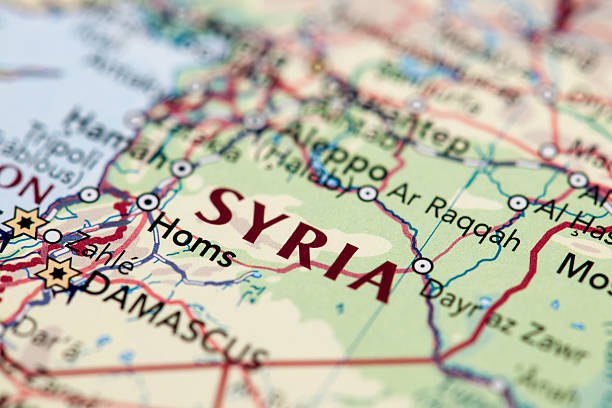
Central Asian governments are at the forefront of efforts to repatriate their citizens from camps in northeastern Syria, according to Khalid Koser, head of the Global Community Engagement and Resilience Fund (GCERF). In an interview with RIA Novosti, Koser highlighted that, unlike European nations, Central Asian states have taken responsibility for their nationals. GCERF is an international organization supporting local initiatives to prevent extremism and violence by fostering partnerships between governments, civil society, and the private sector. Koser noted that approximately 2,200 Central Asian citizens have been repatriated from these camps. Kazakhstan has brought back 754 individuals, Kyrgyzstan 533, Tajikistan 381, and Uzbekistan 531. By contrast, Koser criticized European nations for neglecting their citizens in the camps. “Tajikistan says, ‘These are our citizens, and we are responsible for them,’” Koser stated. “Meanwhile, Western Europe hopes the problem will disappear, leaving people to die in camps.” The head of GCERF also pointed out the challenges of repatriating men, many of whom were combatants. “The question now is how to handle those who fought, were involved in terrorism, and face difficulties reintegrating. Most will end up in prison, which could lead to further radicalization within the prison system,” Koser warned. The camps in northeastern Syria, managed by the Syrian Democratic Forces (SDF) and the United States, house 65,000 to 70,000 people. Most of the residents are women and children from families of ISIS militants. While the camps are not officially prisons, movement is restricted, and Kurdish forces prevent residents from leaving. The Times of Central Asia has previously reviewed the repatriation operations undertaken by Central Asian countries, which continue to set a global example in addressing this humanitarian and security challenge.

Uzbekistan Proposes 5-Day Paid Paternity Leave

Uzbekistan is taking steps to introduce new labor standards that support fathers and advance gender equality. A draft law submitted to parliament proposes granting men five days of paid leave within a month after the birth of their child. Deputy Nodir Tilavoldiyev stated that the proposal aligns with the country’s ongoing gender reforms. Currently, Uzbekistan’s labor laws do not include provisions for paternity leave, leaving many men to balance work and family responsibilities or rely on unpaid leave during this period. The draft law also seeks to enhance workplace protections by addressing discrimination, harassment, and violence. Employers would be empowered to transfer or dismiss employees found guilty of violence or abuse against colleagues. Additionally, the legislation focuses on supporting victims of domestic violence. It proposes including them in the list of socially vulnerable groups eligible for state-guaranteed employment assistance. These measures aim to foster a safer and more inclusive working environment for all. In neighboring Kazakhstan, fathers can already request unpaid leave upon the birth of a child, with some financial support provided through social payments.

Kazakhstan Tops Central Asia with Region’s Highest Pensions

Kazakhstan leads Central Asia in pension payments, with the highest average pension in the region, according to Kaktus.media. Kazakh citizens receive an average of approximately 89,275 KZT ($175.30) per month, as reported by the region's statistical agencies. Kyrgyzstan holds second place, with an average pension of 9,379 KGS ($108) at the end of 2023. Uzbekistan follows with an average of 1.2 million UZS ($93.40), while Turkmenistan ranks fourth, offering an average of 300 TMT ($85.60). Tajikistan reports the lowest pension payments in the region, where pensioners receive just an average of 370 TJS ($33.80) per month. Kazakhstan has also announced measures to further support its pensioners. Beginning January 1, 2025, the country will implement an annual indexation of solidarity pensions by 8.5%. Additionally, basic pensions and social benefits will increase by 6.5% annually, a move designed to improve the welfare of retirees.

Kyrgyz Businessman Tashov, Accused of Plot to Seize Power, Attempts Suicide in Court

Imamidin Tashov, a Kyrgyz businessman and owner of the KG Group construction company, reportedly attempted suicide during court proceedings in his high-profile case involving allegations of plotting a violent seizure of power. According to media reports, Tashov attempted to slit his throat, prompting an immediate response from those present. Journalists and relatives were swiftly removed from the courtroom, and emergency medical personnel were called to the scene. Eyewitnesses reported that Tashov was carried out of the courthouse to receive medical attention. However, details about his condition and the specific circumstances of the incident remain unclear at this time. Tashov was detained in April 2024 by SCNS officers after illegally crossing the border between Kazakhstan and Kyrgyzstan. Authorities allege that he was on his way to the town of Kara-Balta to establish a temporary headquarters and mobilize supporters for protests aimed at seizing power. This is not the first time Tashov has engaged in self-harm. Earlier this year, he injured himself in the abdomen, reportedly sustaining two cuts. His lawyer, Samat Matsakov, claimed that these acts were deliberate attempts to attract public attention. The State Committee for National Security (SCNS) similarly described the previous incident as premeditated and aimed at garnering sympathy. Adding to the controversy, Tashov has accused individuals claiming to be SCNS officers of kidnapping him and demanding a ransom of 100 million Kyrgyz soms ($1.15 million). These allegations have further polarized public opinion and drawn widespread attention to his case. On November 29, Tashov’s lawyer Matsakov was arrested on charges of fraud and document forgery, as reported by The Times of Central Asia. The legal troubles surrounding Tashov and his defense team have only added to the public and media interest in the case. The dramatic developments in Tashov’s case reflect the tensions surrounding his high-profile trial. As questions persist about his actions and the broader implications of his allegations, the case continues to attract significant attention across Kyrgyzstan.

Central Asia’s Population Surpasses 80 Million, With Rapid Growth Expected to Continue

The population of Central Asia has reached a historic milestone, exceeding 80 million people as of December 2024. Projections indicate this figure could surpass 100 million by 2050, highlighting the region’s rapid demographic growth and the challenges it brings for sustainable development. Rapid Population Growth According to the Eurasian Development Bank’s (EDB) macroeconomic forecast, Central Asia’s population has grown by nearly one and a half times over the past 24 years, increasing by approximately one million people annually. Tajikistan and Uzbekistan lead the region in demographic growth. Tajikistan’s population reached 10 million at the beginning of 2024, marking an 80% increase since 1991. Uzbekistan, the region’s most populous country, has maintained an annual growth rate of 1.1–1.2%, with its population now exceeding 36.7 million. The region as a whole has a youthful demographic profile, with an average age of 26.2 years. Diverging Population Estimates PopulationPyramid.net estimates Central Asia’s 2024 population at over 82 million. The discrepancy with other sources likely arises from differing methodologies and data collection techniques. Despite this, all sources agree that the population has surpassed the 80 million mark. Future Projections and Challenges Central Asia’s population is expected to exceed 100 million by 2050. However, rapid demographic growth presents serious challenges for the region. Key concerns include: • Sustainable Economic Development: Ensuring that economic growth keeps pace with population increases. • Job Creation: Addressing the needs of a growing labor force. • Quality of Life: Improving access to education, healthcare, and essential services. Managing these issues will be a top priority for state policies in the coming decades, as governments seek to balance population growth with sustainable development.

Animal Protection Activists’ Voice Concern Over Dog Meat Dishes in Uzbek Cafes

Uzbekistan’s animal protection society, Mehr va Oqibat, has raised concerns after receiving numerous complaints from locals and foreign visitors about cafes and restaurants in Uzbekistan offering dog meat dishes on their menus. Controversial Supply and Health Concerns According to Mehr va Oqibat, Uzbekistan lacks specialized farms for raising dogs for meat, unlike some other Asian countries. The organization suggests that state services responsible for capturing stray animals might be the primary suppliers of dog meat. Activists argue that the purported medicinal benefits of dog meat remain scientifically unproven. Additionally, they warn that dog meat can transmit viruses during preparation and consumption, posing potential health risks. Mehr va Oqibat has officially contacted Uzbekistan’s State Veterinary Committee and the Sanitary-Epidemiological Service to clarify whether dog meat consumption is permitted in Uzbekistan. The organization has also inquired as to whether cafes and restaurants have obtained official authorization to serve dog meat dishes. Cultural and Historical Context The consumption of dog meat in Uzbekistan, as well as in neighboring Kazakhstan and Kyrgyzstan, is primarily linked to the Korean minorities residing in these countries. This practice is not widespread and is generally followed by small groups of ethnic Koreans and others, including Russians, Uzbeks, Kazakhs, and Kyrgyz, who consider it an “exotic” culinary choice. Ethnic Koreans were forcibly deported to Central Asia from the Russian Far East in the late 1930s under Joseph Stalin’s regime. Uzbekistan is now home to the largest Korean minority in Central Asia. As of 2023, over 200,000 ethnic Koreans lived in the country, according to the Uzbek Embassy in South Korea, making it the fifth-largest Korean diaspora in the world after the United States, China, Japan, and Canada. A Shift in Perspective The issue of dog meat consumption has garnered increasing attention globally. In January 2024, South Korea’s National Assembly passed a law banning the production and sale of dog meat, with the ban set to take effect in 2027. While dog meat consumption remains a niche practice in Uzbekistan, activists hope that raising awareness about ethical and health implications will encourage the authorities to address the issue comprehensively.