• KZT/USD = 0.00219
  • TJS/USD = 0.10860
  • UZS/USD = 0.00008
  • TMT/USD = 0.29850
  • KZT/USD = 0.00219
  • TJS/USD = 0.10860
  • UZS/USD = 0.00008
  • TMT/USD = 0.29850
  • KZT/USD = 0.00219
  • TJS/USD = 0.10860
  • UZS/USD = 0.00008
  • TMT/USD = 0.29850
  • KZT/USD = 0.00219
  • TJS/USD = 0.10860
  • UZS/USD = 0.00008
  • TMT/USD = 0.29850
  • KZT/USD = 0.00219
  • TJS/USD = 0.10860
  • UZS/USD = 0.00008
  • TMT/USD = 0.29850
  • KZT/USD = 0.00219
  • TJS/USD = 0.10860
  • UZS/USD = 0.00008
  • TMT/USD = 0.29850
  • KZT/USD = 0.00219
  • TJS/USD = 0.10860
  • UZS/USD = 0.00008
  • TMT/USD = 0.29850
  • KZT/USD = 0.00219
  • TJS/USD = 0.10860
  • UZS/USD = 0.00008
  • TMT/USD = 0.29850
20 November 2026

Viewing results 1 - 6 of 25

Uzbekistan Engages Elders in Poverty Alleviation Efforts

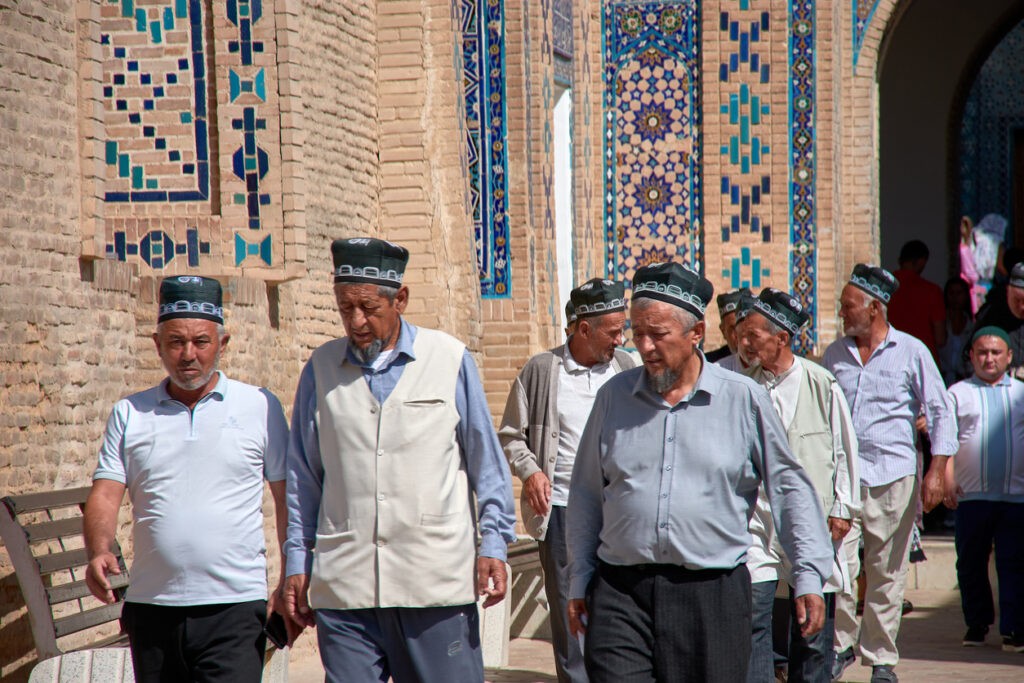
In a unique initiative, Uzbekistan is involving community elders as mentors to support poor families. This program, outlined in a decree by President Shavkat Mirziyoyev, seeks to reduce poverty and enhance living conditions for disadvantaged populations. Empowering Through Mentorship Under the “From Poverty to Prosperity” program, elders will mentor families in agricultural practices, promoting self-sufficiency through farming. The initiative also assists families in renting mobile stores and obtaining equipment to start small businesses. In addition to economic support, the program encourages healthy living. Mentors will educate families about balanced diets, physical activity, and disease prevention. Elders will also engage citizens in community service and address child-rearing issues within impoverished households. This approach combines the efforts of the state, society, and active citizens, creating a unique model of community-driven poverty alleviation in Uzbekistan. Comprehensive Anti-Poverty Measures The “From Poverty to Prosperity” program aims to lift 500,000 people out of poverty by the end of 2024 and an additional 1 million in 2025. In September 2024, Mirziyoyev approved initiatives focused on entrepreneurship, vocational training, and infrastructure development in low-income areas. In 2025, $1.6 billion will be allocated to infrastructure projects, including installing water pumps and solar panels in 300 underdeveloped neighborhoods. These measures aim to unlock the potential of citizens while encouraging personal responsibility for wellbeing.
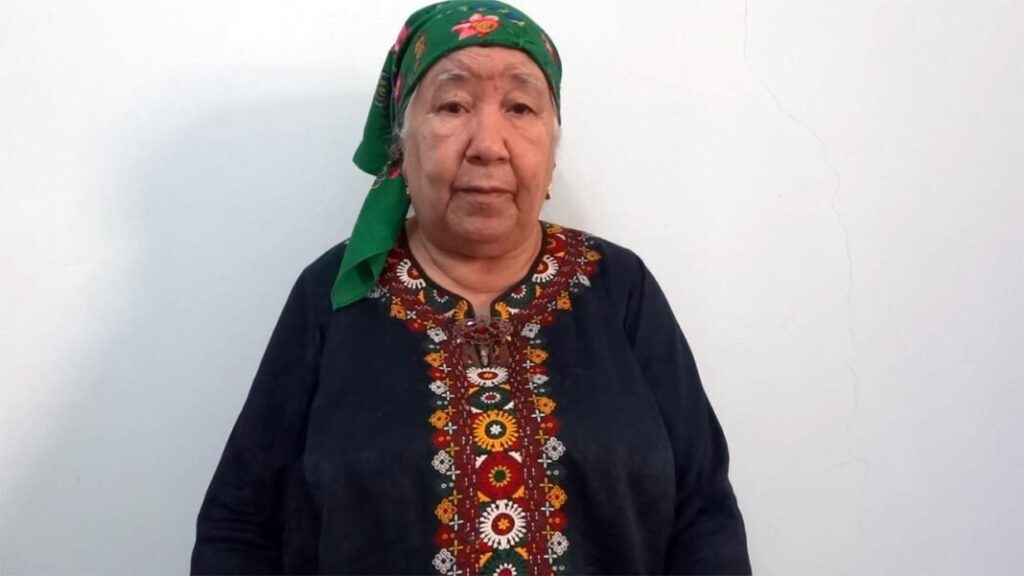
Turkmen Human Rights Activist Soltan Achilova Released After Forced Hospitalization

Renowned Turkmen journalist Soltan Achilova, along with her daughter and son-in-law, has been discharged from the infectious disease department of Choganly Hospital after six days of forced isolation. According to the Turkmenistan Chronicle portal, none of the three showed symptoms or signs of any infectious disease. Prior to their release, Achilova's apartment was disinfected, but authorities provided no explanation for their hospitalization or the results of medical tests conducted during their detention. The Times of Central Asia previously reported that Achilova and her relatives were hospitalized after a group of men in medical coats forcibly removed them from their home on November 20. This happened on a day when the journalist was scheduled to travel to Geneva to attend a Martin Ennals Foundation award ceremony, where her work was to be recognized. The timing has led to widespread speculation that the hospitalization was a calculated effort to prevent her attendance. While in isolation, doctors conducted blood tests and nasal swabs but failed to announce any diagnosis. Despite this, medical staff prescribed treatment, which Achilova refused, citing the absence of an explanation for her condition. The journalist's release was reportedly facilitated by diplomatic interventions from several countries and pressure from international human rights organizations. Although now safely home, the incident highlights the increasingly hostile environment for human rights defenders and independent journalists in Turkmenistan, a country notorious for its oppressive restrictions on free speech and movement.

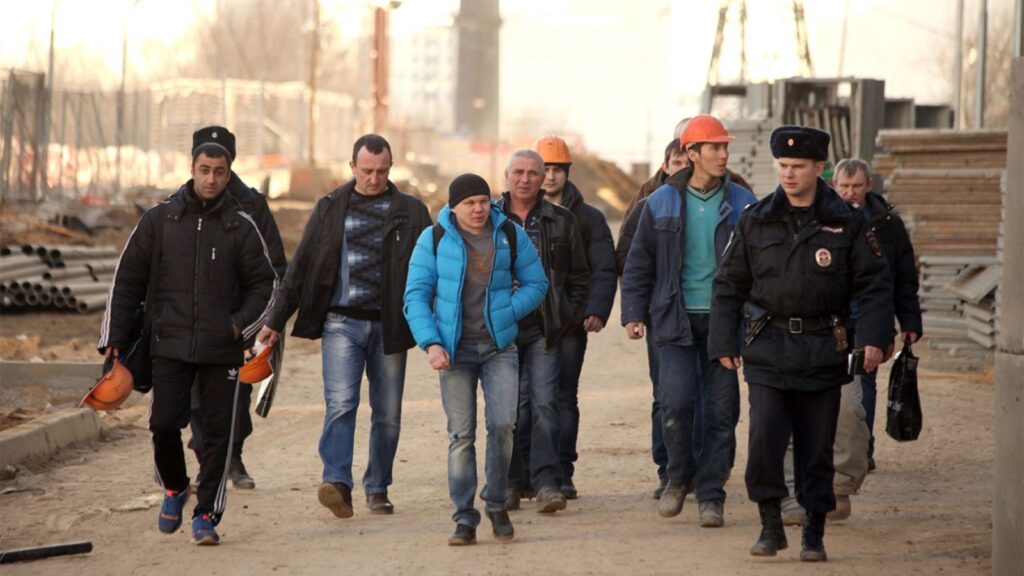
More Than 70,000 Kyrgyz Citizens Violate Russian Migration Laws

The Ministry of Foreign Affairs of Kyrgyzstan has reported that 71,949 Kyrgyz citizens working in Russia are at risk due to potential violations of Russian migration laws. According to the ministry, the individuals at risk are those for whom the Russian Ministry of Internal Affairs’ database lacks information regarding the conclusion of labor or civil law contracts, fingerprint registration, medical examinations, or migration registration. “For citizens with valid documents confirming legal residence in the Russian Federation, it is necessary to visit the territorial migration departments of the Russian Ministry of Internal Affairs and provide these documents to be included in the database and removed from the risk zone,” the Kyrgyz Foreign Ministry explained. To assist its citizens, the Ministry of Labor, Social Security, and Migration of Kyrgyzstan will soon publish a list of migrants at risk on the portal migrant.kg. Citizens can use this portal to check their status and take steps to resolve any legal issues in advance. From February 5, 2025, a new Russian law, “On the Legal Status of Foreign Citizens in the Russian Federation,” will come into force. Under this law, foreign citizens without legal grounds for staying in Russia will be added to the register of controlled persons and face expulsion. Official data indicates that around 500,000 Kyrgyz migrants currently reside in Russia, though unofficial estimates suggest the figure exceeds one million.

Unified Digital Health System to Transform Kyrgyzstan’s Healthcare

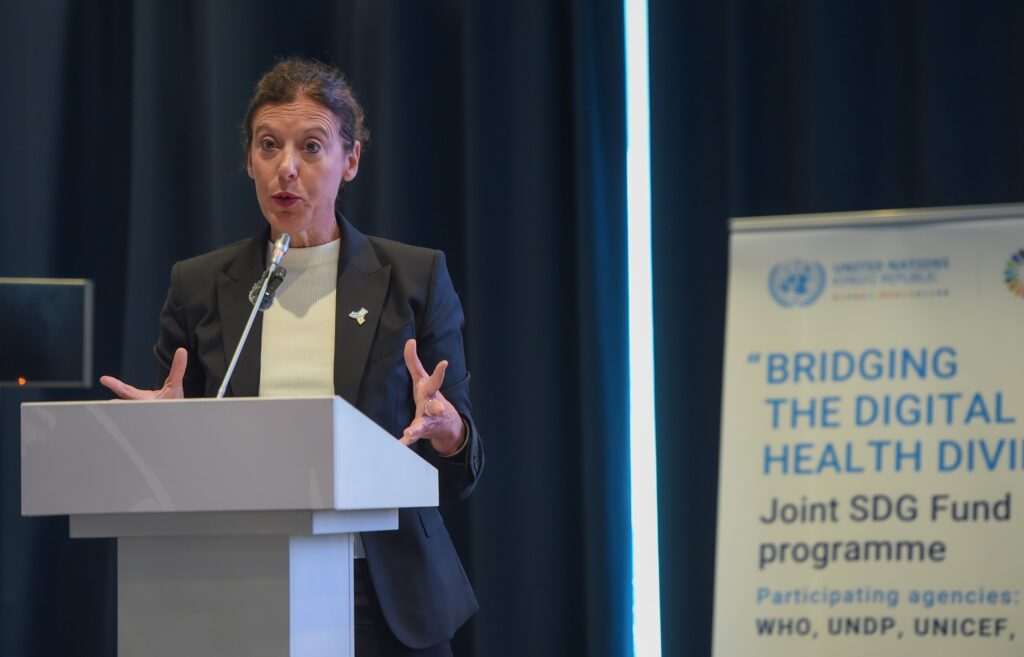
The United Nations Office in Kyrgyzstan, in collaboration with the Ministry of Health, has launched a program to create a unified digital health system in the country. The Ministry of Health stated that the digitization initiative aims to harmonize Kyrgyzstan’s healthcare system. By providing easier access to medical information, the program is expected to expedite the delivery of medical services, even to the most remote and underserved communities. As part of this effort, specialists will enhance government e-services and telemedicine. According to the UN, the project will require an investment of over $4 million, and is scheduled to run until 2027. “One of the key features of the program is to improve the digital health profile, giving citizens access to information about their health,” the Ministry of Health noted in a press release. The authorities plan to integrate a unified registry of citizen vaccinations, which currently holds approximately 3 million records, with a national electronic medical records platform. The program will also focus on supporting vulnerable groups. For example: • 120,000 people will receive digital disability certificates; and • 280,000 people will gain access to digital sick leave documentation, reducing hospital queues and making medical services faster and more convenient. Telemedicine will be expanded to 10 districts, offering medical consultations to more than 700,000 children under the age of 14. Additionally, 60 healthcare facilities will provide specialized care to 140,000 mothers and newborns, all connected to the unified electronic health records (EHR) platform. “This digital health initiative is an important step forward for Kyrgyzstan. By improving access to important medical information, we can make healthcare more efficient and improve outcomes for all,” said Bakyt Dzhangaziev, Deputy Minister for Digital Development of Kyrgyzstan. UN Resident Coordinator in Kyrgyzstan Antje Grave added: “Digital technologies are transforming our world, opening up new opportunities. It is necessary to bridge the digital divide between countries, promote the goals of sustainable development, and ensure that no one is left behind.” The program is being implemented with support from international organizations, including the World Health Organization (WHO), UNICEF, the UN Population Fund, and the UN Development Programme (UNDP).

USAID Delivers Food Aid to Vulnerable Groups in Uzbekistan

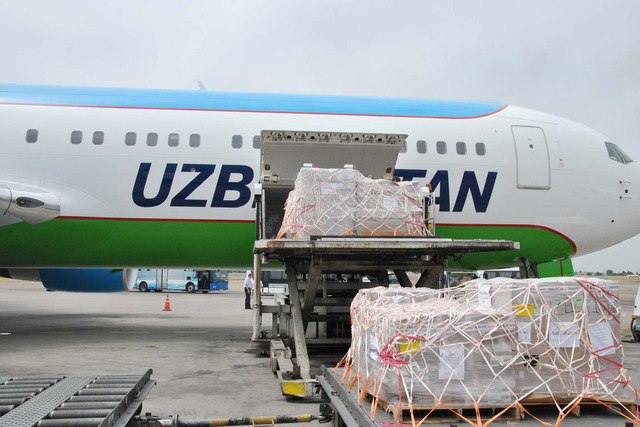
On October 9, the United States, through its Agency for International Development (USAID), announced it had sent 131 tons of food aid to Uzbekistan, worth over $435,000. The shipment includes a nutritious mix of vegetables and legumes for distribution to over 33,000 people in 145 facilities, including centers for long-term tuberculosis patients, orphanages, and psychiatric institutions. “At USAID, we collaborate with our partners to deliver life-saving food assistance to the most vulnerable communities in Uzbekistan. By addressing malnutrition and ensuring access to adequate, safe, and nutritious food, we are empowering individuals to lead healthy, productive lives and building a more stable and resilient world for everyone,” said Anjali Kaur, USAID’s Deputy Assistant Administrator of the Bureau for Asia. Since 2010, USAID’s International Food Relief Partnership program has provided 1,560 tons of food aid to Uzbekistan, worth about $4.5 million. The donated food will be distributed by the American non-profit organization Resource and Policy Exchange in collaboration with the international charitable foundation Sog’lom Avlod Uchun. USAID’s International Food Relief Partnership is part of a more extensive U.S. government program called 'Food for Peace'. Initiated in 1954 by President Dwight Eisenhower, the program illustrates USAID’s commitment to reducing hunger and malnutrition. In addition to providing food, USAID has allocated $6.1 million to expand educational programs in Uzbekistan.

Kazakhstan’s Youth Suicide Crisis: Unraveling the Complex Web of Societal Challenges

A wave of suicides among teenagers and young adults has swept across Kazakhstan. Parents and the Children's Ombudsman have said children were provoked to do dangerous things by the internet, and deputies have demanded that social networks should be blocked. The media, meanwhile, has been accused of creating a “Werther effect,” fixating on the rash of suicides and thus encouraging teenagers to repeat these acts of self-harm. However, experts believe the cause is much more nuanced and cannot be eliminated by blocking harmful content alone. Chronicle of a Fateful September On September 13, a teenager fell from an eighth-story window in Astana. The boy died of his injuries. The very next day, a schoolgirl plummeted from a fifth-floor window in Shchuchinsk. The 12-year-old girl is in hospital, and the causes of both incidents are still under investigation. On September 16 in Almaty, two seventh-grade students from school No. 25 named after the writer I.Esenberlin, left class and climbed to the attic of a neighbor's apartment complex. The girls both fell to their death from the roof. “I came, and I saw two girls lying there. They had jumped from the roof," an eyewitness stated. "The girls were about 13 years old; seventh graders. One had a backpack next to her, and the other had no shoes and was wearing black tights. She had taken her shoes off and placed them neatly. One fell on a car, and her body rolled away. The second was immediately killed on the asphalt.” Later, it became known that one of the girls was the daughter of a famous Almaty ecologist and artist. Deputy Interior Minister Igor Lepekha said that what happened "is a suicide; the case was opened based on it being suicide." On September 21, another schoolgirl fell from a high-rise in Almaty. Allegedly, the girl left the house to perform a routine task, but climbed to the 13th floor, from where she plunged. The Almaty Police Department confirmed the girl's death and has opened a criminal case. By this time, in schools, online, and on social networks, parents had started to spread panicked rumors about the impact on children of a particular computer game, similar to the semi-mythical game “Blue Whale.” In the past, Blue Whale has been decried as a malicious game which encourages teenagers to commit suicide and acts of violence, but no convincing evidence has ever been presented. The Almaty police stated that gossip regarding the involvement of dangerous internet games in the girls' deaths is not valid and reminded the public about their responsibility vis-à-vis spreading false information. On September 22, in the yard of a multi-story residential building in Almaty, the body of a 3rd-year cadet from the Border Academy of the National Security Committee (NSC) who was on regular leave was found. “The cause of death was a fall from a height,” the NSC press service reported. On September 23, also in Almaty, multiple sources reported that a young man had tumbled from a high-rise building. Police...