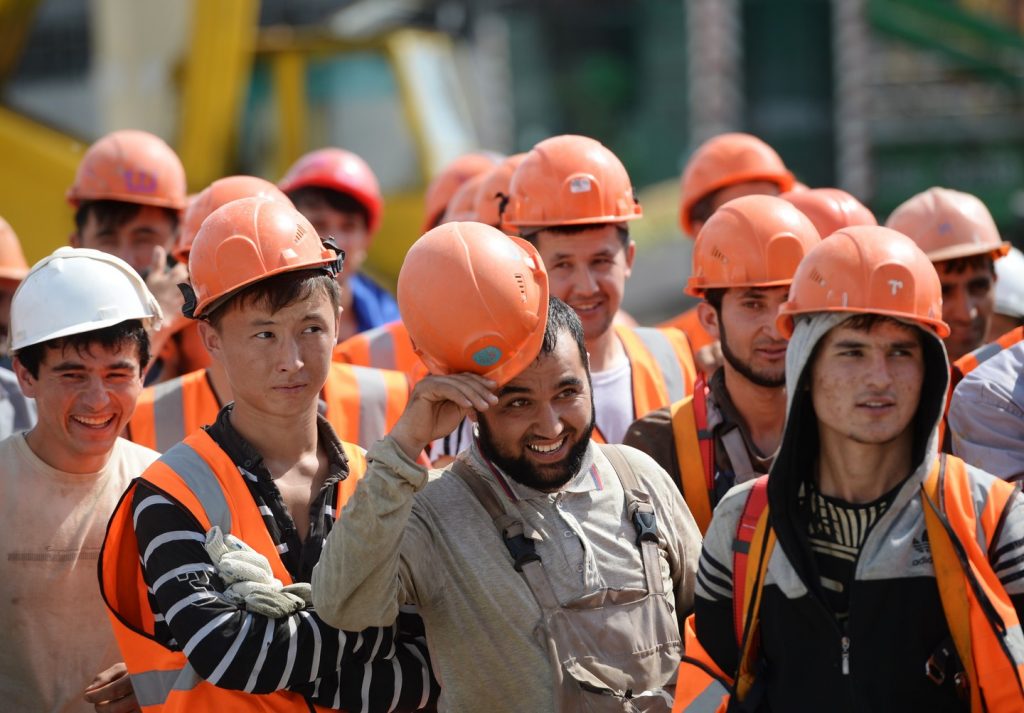
Nearly 160,000 Citizens of Tajikistan Listed in Russia’s Controlled Persons Register
Nearly 160,000 citizens of Tajikistan, including about 25,000 minors, have been listed in Russia’s register of controlled persons, a senior official from Tajikistan’s migration service said. The figure reflects the impact of tighter Russian migration rules on one of Central Asia’s largest sources of migrant labor. Sharif Norzoda, Tajikistan’s deputy minister of labor, migration, and employment, said around 160,000 citizens of Tajikistan are currently listed in the register, with children included because they accompanied family members who had moved to Russia. The register, maintained by Russia’s Interior Ministry, is updated every four hours and contains information on foreign nationals who no longer have legal grounds to remain in the country. Individuals included in the database are required to regularize their legal status in Russia. Norzoda said more than 15,000 citizens of Tajikistan had sought assistance from the country’s migration service during the reporting period. The ministry also said 3,953 Tajik citizens facing temporary bans on entering Russia were advised against unnecessary travel after consulting migration authorities, helping them avoid being turned back at the border. According to the ministry, more than 10,700 labor migrants who returned from Russia have already found employment in Tajikistan. Russia introduced the register of controlled persons on February 5, 2025, to tighten migration enforcement. The database is accessible through the Russian Interior Ministry’s website and the government’s online services portal. It is intended to monitor foreign citizens whose legal right to stay in Russia has expired. The tighter migration regime has prompted Tajikistan to diversify destinations for its migrant workers. As previously reported by The Times of Central Asia, the government has expanded labor migration initiatives beyond Russia, seeking new employment opportunities in Europe and East Asia.