
• KGS/USD = 0.01144 0%
  • KZT/USD = 0.00205 0%
  • TJS/USD = 0.10685 -0.37%
  • UZS/USD = 0.00008 0%
  • TMT/USD = 0.28490 0%
  • KGS/USD = 0.01144 0%
  • KZT/USD = 0.00205 0%
  • TJS/USD = 0.10685 -0.37%
  • UZS/USD = 0.00008 0%
  • TMT/USD = 0.28490 0%
  • KGS/USD = 0.01144 0%
  • KZT/USD = 0.00205 0%
  • TJS/USD = 0.10685 -0.37%
  • UZS/USD = 0.00008 0%
  • TMT/USD = 0.28490 0%
  • KGS/USD = 0.01144 0%
  • KZT/USD = 0.00205 0%
  • TJS/USD = 0.10685 -0.37%
  • UZS/USD = 0.00008 0%
  • TMT/USD = 0.28490 0%
  • KGS/USD = 0.01144 0%
  • KZT/USD = 0.00205 0%
  • TJS/USD = 0.10685 -0.37%
  • UZS/USD = 0.00008 0%
  • TMT/USD = 0.28490 0%
  • KGS/USD = 0.01144 0%
  • KZT/USD = 0.00205 0%
  • TJS/USD = 0.10685 -0.37%
  • UZS/USD = 0.00008 0%
  • TMT/USD = 0.28490 0%
  • KGS/USD = 0.01144 0%
  • KZT/USD = 0.00205 0%
  • TJS/USD = 0.10685 -0.37%
  • UZS/USD = 0.00008 0%
  • TMT/USD = 0.28490 0%
  • KGS/USD = 0.01144 0%
  • KZT/USD = 0.00205 0%
  • TJS/USD = 0.10685 -0.37%
  • UZS/USD = 0.00008 0%
  • TMT/USD = 0.28490 0%

Viewing results 1 - 6 of 6

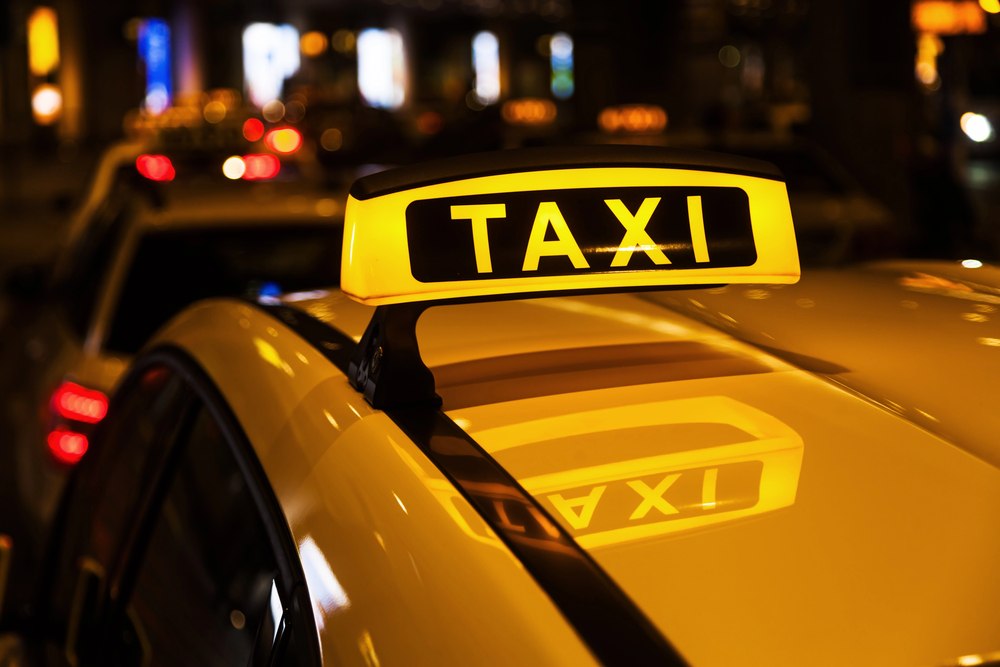
Crackdown on Private Taxis Complicates Life for Residents of Ashgabat’s Outskirts

In Turkmenistan’s capital, Ashgabat, traffic police have intensified inspections of private taxi drivers in outlying districts such as Choganly, Garadamak, and Shor. While the measures are formally aimed at curbing informal transport services, they have had significant consequences for local residents. Public transport technically operates in these areas, but routes largely run along main roads. Those living farther away often have to walk several kilometers to reach their homes. According to residents, private drivers previously helped bridge this gap by offering rides from bus stops. That option has now largely disappeared. Drivers are being stopped, fined, or, according to eyewitness accounts, asked to pay bribes. As a result, not only the drivers, many of whom rely on informal taxi services as one of the few sources of income amid unemployment, are affected, but also passengers. People with children or heavy bags are increasingly forced to walk. The situation is further aggravated by earlier restrictions. Around two years ago, at the request of city authorities, small shops were closed across the capital, including in these districts. As a result, residents must now travel to supermarkets or markets to buy groceries. This has led many to purchase goods in bulk, making the journey home even more difficult. Conditions are particularly challenging on more remote streets. For example, Ashgabat Street deep within Choganly is poorly developed, lacking sidewalks and turning into muddy streams during rainy weather. Residents say that walking in such conditions is difficult and nearly impossible with strollers or heavy bags. The street branches into smaller roads, many of which are unpaved. As a result, even routine trips outside the home can become a serious challenge. More broadly, residents note that restrictions are being introduced faster than basic infrastructure problems are being addressed. In such conditions, any tightening of regulations has an immediate and tangible impact on daily life.


Taxing the Gig Economy in Kazakhstan

Beginning in 2026, Kazakhstan plans to introduce enhanced oversight of citizens’ mobile transfers. Officially, the measure is framed as part of efforts to combat tax evasion. In practice, however, it represents a large-scale fiscalization of the gig economy, which employs hundreds of thousands of taxi drivers and couriers. The primary focus of the campaign is workers on digital platforms, including ride-hailing and delivery services. The authorities classify them as individual entrepreneurs who underreport or conceal income. Yet the economic reality is more complex: for many, this is less a shadow economy than a form of concealed unemployment operating under the label of “self-employment.” Hidden Unemployment Rather Than a Shadow Economy In recent years, the gig economy in Kazakhstan has become structurally significant. Industry estimates suggest that hundreds of thousands of people now work through digital platforms, and the number continues to rise. For most drivers and couriers, this is not supplementary income but their principal, and often only, source of earnings. The drivers of this trend are well known: limited job opportunities in many regions and a persistently high household debt burden. Elevated levels of consumer lending have compelled many citizens to seek fast, accessible sources of income, even where margins are thin. At the same time, tax authorities treat these workers as entrepreneurs who deliberately avoid taxation. However, they lack core characteristics of independent businesses: they do not set tariffs, generate demand, or accumulate capital. Their status more closely resembles digitally mediated wage labor without corresponding social protections. Tax on Turnover, Not Profit Platform-based work is highly sensitive to additional costs. Digital aggregators typically retain commissions of 20-25% on each order. The remainder is not net profit but gross turnover, from which drivers must cover fuel, maintenance, depreciation, and other operating expenses. Industry assessments indicate that a taxi driver’s net income after expenses rarely exceeds 40-50% of the order value. It is from this turnover that taxes are now expected to be withheld. Under the proposed model, platforms would act as tax agents, automatically deducting payments from each transaction. Options under discussion include a flat 4% rate or a system combining fixed social contributions with a 1% income tax. These measures are presented by officials as simplifying compliance and reducing administrative burdens. The central issue, however, is that taxation would occur before expenses are accounted for. For businesses with substantial profit margins, this may be manageable. For drivers operating on minimal profitability, it could prove critical. Digital Control as a Point of No Return Previously, some workers partially offset costs by accepting direct mobile transfers, operating in what officials describe as a “gray zone.” This avenue is set to narrow significantly. Under the current financial monitoring framework, if an individual receives transfers from 100 or more different senders over three consecutive months, the information is automatically transmitted to tax authorities. For taxi drivers, this threshold may be reached within days of active work. As a result, opportunities for informal adjustment are effectively disappearing. Who Ultimately Bears the Cost Digital...