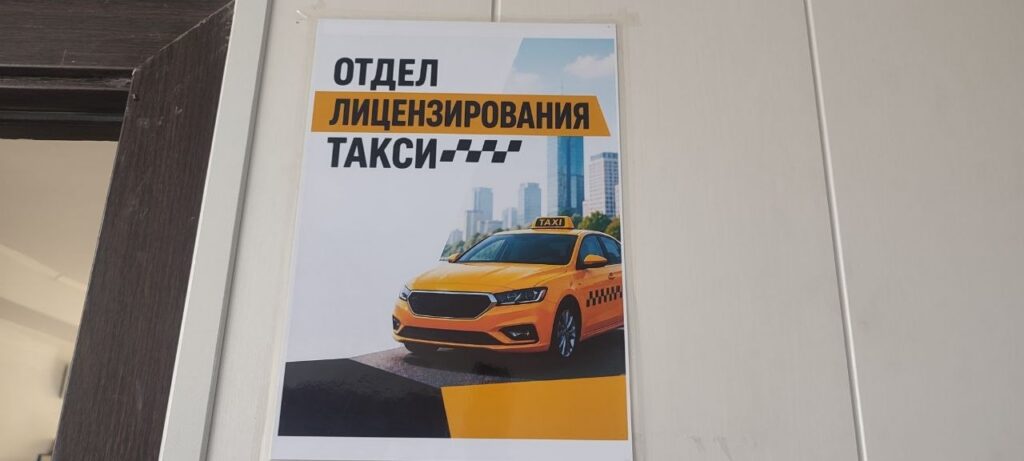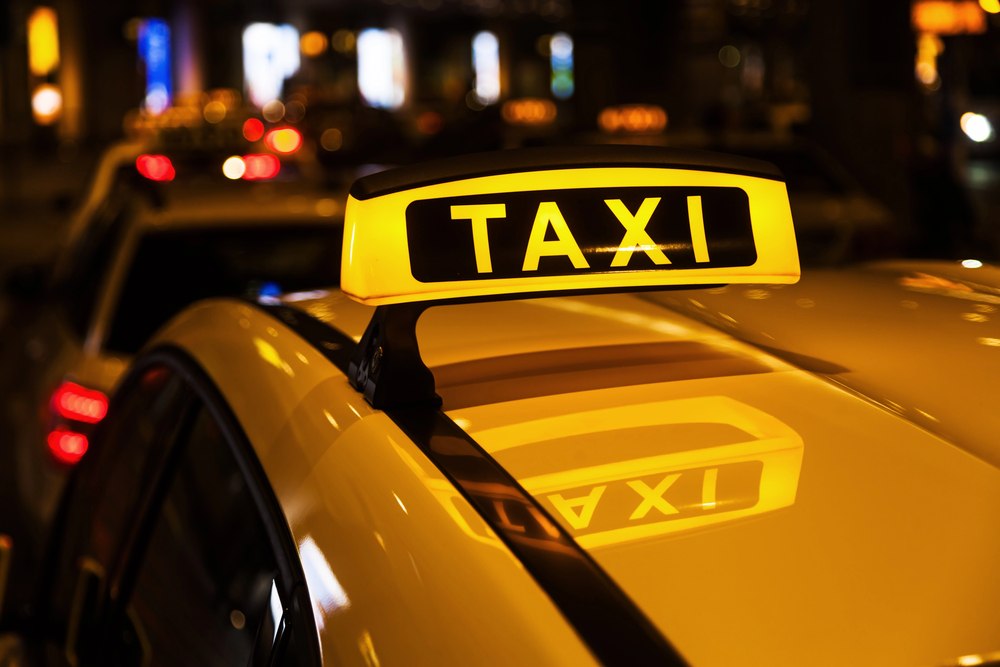
In Turkmenistan’s capital, Ashgabat, traffic police have intensified inspections of private taxi drivers in outlying districts such as Choganly, Garadamak, and Shor. While the measures are formally aimed at curbing informal transport services, they have had significant consequences for local residents.
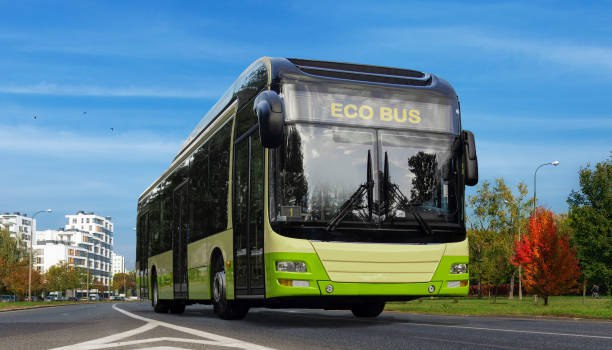
Public transport technically operates in these areas, but routes largely run along main roads. Those living farther away often have to walk several kilometers to reach their homes. According to residents, private drivers previously helped bridge this gap by offering rides from bus stops. That option has now largely disappeared.
Drivers are being stopped, fined, or, according to eyewitness accounts, asked to pay bribes. As a result, not only the drivers, many of whom rely on informal taxi services as one of the few sources of income amid unemployment, are affected, but also passengers. People with children or heavy bags are increasingly forced to walk.
The situation is further aggravated by earlier restrictions. Around two years ago, at the request of city authorities, small shops were closed across the capital, including in these districts. As a result, residents must now travel to supermarkets or markets to buy groceries. This has led many to purchase goods in bulk, making the journey home even more difficult.
Conditions are particularly challenging on more remote streets. For example, Ashgabat Street deep within Choganly is poorly developed, lacking sidewalks and turning into muddy streams during rainy weather. Residents say that walking in such conditions is difficult and nearly impossible with strollers or heavy bags. The street branches into smaller roads, many of which are unpaved. As a result, even routine trips outside the home can become a serious challenge.
More broadly, residents note that restrictions are being introduced faster than basic infrastructure problems are being addressed. In such conditions, any tightening of regulations has an immediate and tangible impact on daily life.