
• KGS/USD = 0.01144 0%
  • KZT/USD = 0.00206 0%
  • TJS/USD = 0.10802 -0.37%
  • UZS/USD = 0.00008 0%
  • TMT/USD = 0.28571 0%
  • KGS/USD = 0.01144 0%
  • KZT/USD = 0.00206 0%
  • TJS/USD = 0.10802 -0.37%
  • UZS/USD = 0.00008 0%
  • TMT/USD = 0.28571 0%
  • KGS/USD = 0.01144 0%
  • KZT/USD = 0.00206 0%
  • TJS/USD = 0.10802 -0.37%
  • UZS/USD = 0.00008 0%
  • TMT/USD = 0.28571 0%
  • KGS/USD = 0.01144 0%
  • KZT/USD = 0.00206 0%
  • TJS/USD = 0.10802 -0.37%
  • UZS/USD = 0.00008 0%
  • TMT/USD = 0.28571 0%
  • KGS/USD = 0.01144 0%
  • KZT/USD = 0.00206 0%
  • TJS/USD = 0.10802 -0.37%
  • UZS/USD = 0.00008 0%
  • TMT/USD = 0.28571 0%
  • KGS/USD = 0.01144 0%
  • KZT/USD = 0.00206 0%
  • TJS/USD = 0.10802 -0.37%
  • UZS/USD = 0.00008 0%
  • TMT/USD = 0.28571 0%
  • KGS/USD = 0.01144 0%
  • KZT/USD = 0.00206 0%
  • TJS/USD = 0.10802 -0.37%
  • UZS/USD = 0.00008 0%
  • TMT/USD = 0.28571 0%
  • KGS/USD = 0.01144 0%
  • KZT/USD = 0.00206 0%
  • TJS/USD = 0.10802 -0.37%
  • UZS/USD = 0.00008 0%
  • TMT/USD = 0.28571 0%

Viewing results 1 - 6 of 2

Opinion: Indian Ambassador Says Shared Spiritual Legacy Reflects Indo-Uzbek Solidarity

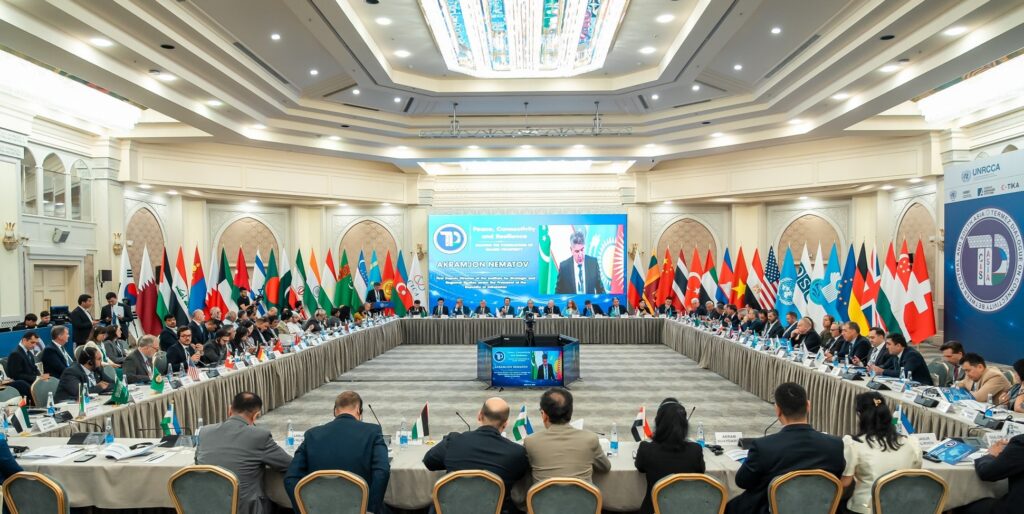
TASHKENT, June 10, 2026 - Indian Ambassador to Uzbekistan Smita Pant used her official remarks at the Termez Dialogue 2026 to argue that connectivity between Central and South Asia cannot be judged by infrastructure alone. Roads, railways, ports, energy links, financial channels, and digital systems are essential. But durable cooperation also depends on confidence, cultural memory, and a willingness to treat sovereignty as a condition for partnership rather than an obstacle to it. The second meeting of the Termez Dialogue was held under the theme “Peace, Connectivity, and Resilience: Shaping the Foundation for Shared Prosperity.” It was organized by the Institute for Strategic and Regional Studies under the President of Uzbekistan and the Ministry of Foreign Affairs of Uzbekistan, in partnership with CICA. The forum fits into a wider Uzbek diplomatic push to reconnect Central and South Asia through political dialogue, trade, transport, climate cooperation, and cultural exchange. Pant’s address stood out because it placed the human dimension of connectivity at the center of the discussion. The broader idea associated with the Termez platform was captured in the phrase: “Eurasia needs not lines of division, but spaces of trust.” For India and Uzbekistan, that argument has particular force. Their relationship is not only diplomatic. It rests on older movements of people, ideas, language, food, faith, scholarship, and trade. That history gives modern policy a deeper base. Central and South Asia are often discussed today through the language of corridors, transit costs, sanctions risk, and access to ports. Those questions are real. The International North-South Transport Corridor, Chabahar, air freight links, customs procedures, and digital payment systems all matter to India’s practical engagement with Central Asia. But the old routes that connected India, Uzbekistan, Afghanistan, and the wider Eurasian space carried more than goods. They also carried habits of coexistence. “Connectivity is not just material. It is not just about roads and rail. It is also cultural, spiritual, financial, and digital,” she said, reminding delegates that human relationships and shared values constitute the most resilient infrastructure of all. [caption id="attachment_50469" align="aligncenter" width="2508"] Indian Ambassador to Uzbekistan, Smita Pant. Photo: Embassy of India, Tashkent [/caption] This is not a decorative point. Central Asia’s geography makes connectivity a strategic necessity, but its history shows that routes endure only when they are trusted. The UN General Assembly resolution on strengthening connectivity between Central and South Asia gave international backing to this agenda in 2022. The harder question now is how to make that connectivity commercially viable, politically acceptable, and socially useful. Pant’s answer was to frame India’s approach around sustainability and sovereignty. “India's approach on connectivity is guided by a very simple mantra – it must be built on the bedrock of financial sustainability and local priorities and should not bypass ideas connected to national sovereignty and independence. India’s approach to connectivity dictates that relations must be transparent, fair and benefit the person on the ground,” she said. That line is important because connectivity projects can easily become abstract. Maps look clean from a...

Opinion: Building Bridges Across Eurasia – Termez Dialogue 2026 Opens in Tashkent

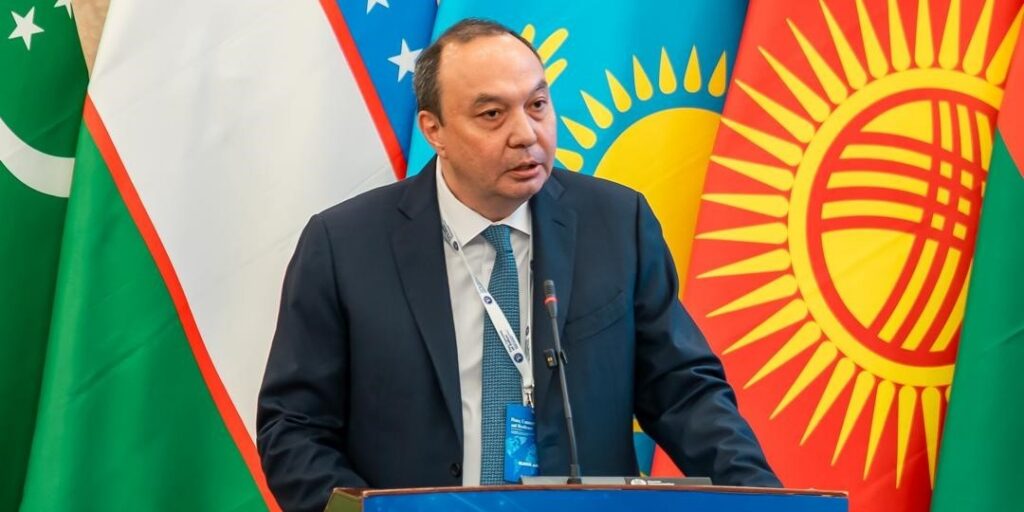
The second meeting of the Termez Dialogue on Connectivity between Central and South Asia opened on June 4 in Tashkent, Uzbekistan, bringing together senior representatives from Central Asia, South Asia, China, Russia, the Gulf Cooperation Council, Iran and Afghanistan for a high-level exchange on the future of regional connectivity and cooperation under the theme: “Peace, Connectivity, and Resilience: Shaping the Foundation for Shared Prosperity”. Eldor Aripov, director of the Institute for Strategic and Regional Studies under the President of Uzbekistan, opened the forum and highlighted its role in strengthening Central–South Asia connectivity. Under his leadership, it has become a respected venue for promoting regional cooperation and sustainable development. Aripov said Eurasia needs “not new dividing lines but spaces of trust, joint development, and open dialogue.” The agenda covered geopolitics, security, trade, investment, culture, climate resilience, and sustainable development. Aripov began by emphasizing the origins of the Termez Dialogue and its strategic purpose, which reflects Uzbekistan’s vision of fostering stronger ties between neighboring regions through cooperation and mutual benefit without sacrificing sovereign autonomy “The Dialogue’s essence lies in consistently building interstate relations on the principles of mutual benefit, good-neighborliness, and preventive diplomacy. What makes this platform unique is its inclusiveness — its ability to bring together not only government officials and diplomats, but also leading experts, scholars, business representatives, and civil society institutions.” This statement positioned the Termez Dialogue as a cornerstone of Uzbekistan’s vision for regional diplomacy. The idea was reinforced in 2022, when the UN General Assembly adopted resolution A/RES/76/295, “Strengthening Connectivity between Central and South Asia.” A recurring theme throughout Aripov’s remarks was inclusivity – understood in a non-ideological sense. He argued that lasting regional partnerships require participation from a diverse range of stakeholders. Reflecting on the platform’s progress, Aripov pointed to its rapid evolution into a recognized forum for regional engagement. He acknowledged the need to continue to build trust across sectors and borders. “In just one year, our platform has established itself as an effective venue for discussing transregional connectivity, developing practical initiatives, and strengthening trust among governments, experts, and international organizations,” Aripov said. This achievement demonstrates the Dialogue’s growing influence across Eurasia. The Chairman also made clear that the forum is entering a new phase. The focus, he said, must now shift from ideas to implementation. “Today’s meeting is intended to mark a qualitative transition — from conceptual discussions to practical implementation and the development of concrete mechanisms for transregional cooperation.” The statement reflects a commitment to delivering tangible outcomes and lasting partnerships. Aripov outlined that shared prosperity is one of the strongest foundations for regional stability: “When states are interconnected through shared economic interests and value chains, the risks of confrontation and instability naturally decrease.” This vision places trade, investment, and infrastructure cooperation at the heart of regional peacebuilding. “Alongside economics and climate issues,” Aripov argued, “culture remains an important pillar of our dialogue. Strong connectivity is not measured only in material terms. Very often, it is rooted in shared historical memory and common...