• KGS/USD = 0.01144 0%
  • KZT/USD = 0.00212 0%
  • TJS/USD = 0.10864 0.56%
  • UZS/USD = 0.00008 0%
  • TMT/USD = 0.28571 0%
  • KGS/USD = 0.01144 0%
  • KZT/USD = 0.00212 0%
  • TJS/USD = 0.10864 0.56%
  • UZS/USD = 0.00008 0%
  • TMT/USD = 0.28571 0%
  • KGS/USD = 0.01144 0%
  • KZT/USD = 0.00212 0%
  • TJS/USD = 0.10864 0.56%
  • UZS/USD = 0.00008 0%
  • TMT/USD = 0.28571 0%
  • KGS/USD = 0.01144 0%
  • KZT/USD = 0.00212 0%
  • TJS/USD = 0.10864 0.56%
  • UZS/USD = 0.00008 0%
  • TMT/USD = 0.28571 0%
  • KGS/USD = 0.01144 0%
  • KZT/USD = 0.00212 0%
  • TJS/USD = 0.10864 0.56%
  • UZS/USD = 0.00008 0%
  • TMT/USD = 0.28571 0%
  • KGS/USD = 0.01144 0%
  • KZT/USD = 0.00212 0%
  • TJS/USD = 0.10864 0.56%
  • UZS/USD = 0.00008 0%
  • TMT/USD = 0.28571 0%
  • KGS/USD = 0.01144 0%
  • KZT/USD = 0.00212 0%
  • TJS/USD = 0.10864 0.56%
  • UZS/USD = 0.00008 0%
  • TMT/USD = 0.28571 0%
  • KGS/USD = 0.01144 0%
  • KZT/USD = 0.00212 0%
  • TJS/USD = 0.10864 0.56%
  • UZS/USD = 0.00008 0%
  • TMT/USD = 0.28571 0%

Viewing results 1 - 6 of 7

Kazakhstan, Kyrgyzstan, Uzbekistan Agree on Toktogul Water Releases

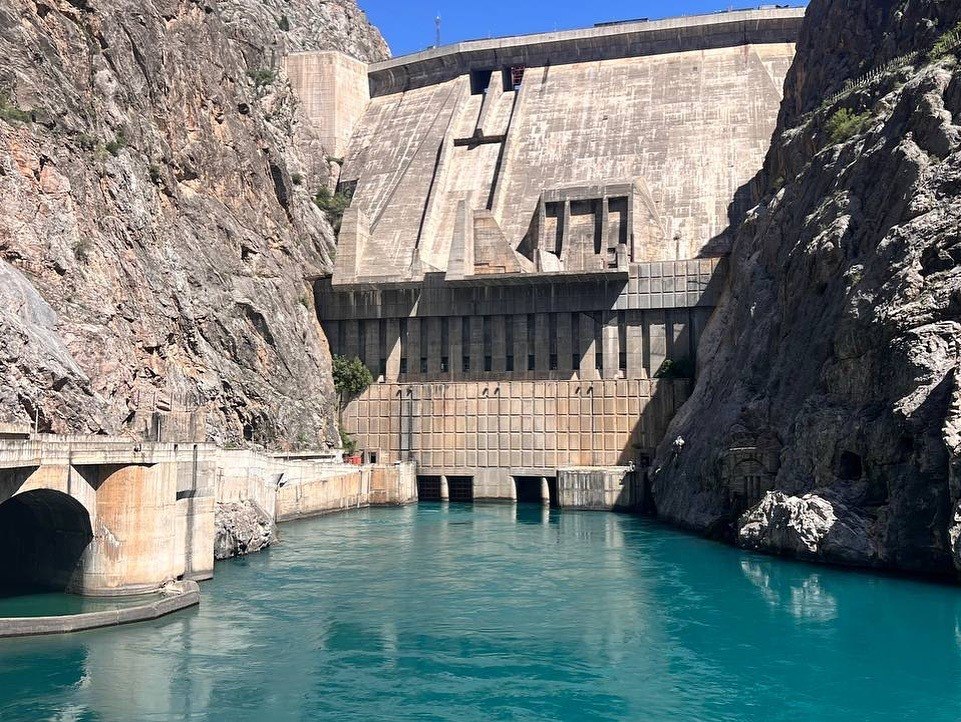
Energy and water ministers from Kazakhstan, Kyrgyzstan, and Uzbekistan signed a trilateral protocol in Tashkent on May 7 establishing agreed water release volumes and schedules from the Toktogul Reservoir for the next two months. The Toktogul Reservoir plays a central role in maintaining water and energy stability across Central Asia. The Toktogul Hydropower Plant, located on the Naryn River, the main tributary of the Syr Darya, is Kyrgyzstan’s largest power station and supplies around 40% of the country’s electricity. The reservoir serves a dual purpose: generating electricity for Kyrgyzstan while regulating water flows essential for downstream agriculture in Kazakhstan and Uzbekistan. During winter, Kyrgyzstan typically increases electricity generation to meet heating demand, often lowering reservoir levels and reducing the amount of water available for irrigation during the following spring and summer. According to Kazakhstan’s Energy Ministry, the newly signed protocol removes uncertainty for farmers in southern Kazakhstan at the start of the agricultural season and allows both Kazakh and Uzbek farmers to begin irrigation activities on schedule. To ensure stable water supplies throughout the remainder of the growing season, the three countries agreed to continue coordination in stages. The next ministerial meeting is scheduled for mid-June in Bishkek, where officials plan to finalize water release schedules for the critical summer months of July, August, and September. The agreement highlights the continued functioning of the region’s interstate water-energy exchange mechanism. Coordination over summer irrigation flows was preceded by extensive cooperation during the winter season. From September 2025 to April 2026, Kazakhstan supplied more than 1.5 billion kilowatt-hours of electricity to Kyrgyzstan, helping the upstream country reduce winter water releases for heating and preserve additional reserves in the Toktogul Reservoir for summer irrigation needs in Kazakhstan and Uzbekistan. According to Kyrgyzstan’s Deputy Energy Minister Altynbek Rysbekov, the Toktogul Reservoir held 7 billion cubic meters of water on April 1, 2026, down from 9.14 billion cubic meters on January 1 after the winter heating season. The reservoir’s so-called “dead water level,” the threshold below which turbines can no longer operate, stands at 6.5 billion cubic meters.

Kyrgyzstan Completes Modernization of Toktogul Hydropower Plant

Kyrgyzstan has completed the full modernization of its largest energy facility, the Toktogul Hydropower Plant (HPP), located on the Naryn River. The upgrade was finalized with the commissioning of the plant’s fourth generating unit on November 18, raising its total capacity from 1,200 MW to 1,440 MW, according to Energy Minister Taalaibek Ibraev. The plant’s first three units were modernized between 2021 and 2024, each increasing in capacity from 300 MW to 360 MW. The fourth and final unit, upgraded between March and November 2025, has now reached the same capacity. Progress at Uch-Kurgan and Kambarata Projects On the same day, the Ministry of Energy launched the second upgraded unit at the Uch-Kurgan HPP, which added 9 MW in capacity. The first unit, previously replaced, also contributed an additional 9 MW. Modernization of the remaining two units is scheduled for 2026. Upon completion, Uch-Kurgan’s total capacity will increase by 36 MW. Kyrgyzstan is also advancing construction of the Kambarata-1 HPP, a strategic regional project being developed in partnership with Kazakhstan and Uzbekistan. Once operational, Kambarata-1 will have a capacity of 1,860 MW and generate 5.6 billion kWh annually. Energy Challenges Ahead Despite the modernization progress, Ibraev has warned of a challenging winter ahead due to critically low water levels in the Toktogul Reservoir. Electricity consumption in 2024 reached 18.3 billion kWh, an increase of 1.1 billion kWh over 2023, forcing Kyrgyzstan to import 3.6 billion kWh from Kazakhstan, Turkmenistan, Uzbekistan, and Russia to cover winter demand.

Modernization of Kyrgyzstan’s Largest Hydropower Plant Nears Completion

Kyrgyzstan is nearing a major milestone in its energy sector with the impending completion of modernization work at the Toktogul Hydropower Plant (HPP), the country’s largest energy facility, which generates approximately 40% of its electricity. According to the Ministry of Energy, the country consumed 10 billion kilowatt-hours (kWh) of electricity in the first half of 2025, of which 2.05 billion kWh were imported. Domestic production during this period included 6.616 billion kWh from large hydroelectric plants, 1.132 billion kWh from thermal power plants, 219.7 million kWh from small HPPs, and 0.141 million kWh from the nation’s only solar power plant. To reduce dependence on imports and address recurring power shortages, the government is prioritizing both the construction of new and the modernization of existing hydropower facilities. On July 15, a major milestone was reached at Toktogul HPP with the installation of a new rotor for hydroelectric unit No. 3, the last of the plant’s four turbines to undergo a full overhaul under a multi-year modernization project. The rotor, weighing 768 tons, is the heaviest component of the unit and was installed using two 400-ton cranes. A similar operation was last carried out nearly five decades ago, during the plant’s initial construction. Three of the four turbines have already been upgraded. Upon completion of work on unit No. 3 in November 2025, Toktogul’s total installed capacity will rise by 240 megawatts (MW), reaching 1,440 MW. This upgrade will enable the plant to generate an additional 525.3 million kWh of electricity annually. Alongside the Toktogul modernization, Kyrgyzstan is also advancing its small-scale hydropower capacity. By the end of 2025, 18 small hydropower plants with a combined capacity of 78.57 MW are expected to be completed. Two plants, with a total capacity of 10.29 MW, are already in test operation. Although the country’s only solar power plant currently produces 1.43 MW, this is set to change. Kyrgyzstan has launched construction of two major renewable energy projects in 2025: a 300 MW solar power plant and a 100 MW wind farm, marking a significant step toward diversifying the national energy mix and enhancing long-term energy security.