• KGS/USD = 0.01144 0%
  • KZT/USD = 0.00213 0%
  • TJS/USD = 0.10800 -0.18%
  • UZS/USD = 0.00008 0%
  • TMT/USD = 0.28571 0.28%
  • KGS/USD = 0.01144 0%
  • KZT/USD = 0.00213 0%
  • TJS/USD = 0.10800 -0.18%
  • UZS/USD = 0.00008 0%
  • TMT/USD = 0.28571 0.28%
  • KGS/USD = 0.01144 0%
  • KZT/USD = 0.00213 0%
  • TJS/USD = 0.10800 -0.18%
  • UZS/USD = 0.00008 0%
  • TMT/USD = 0.28571 0.28%
  • KGS/USD = 0.01144 0%
  • KZT/USD = 0.00213 0%
  • TJS/USD = 0.10800 -0.18%
  • UZS/USD = 0.00008 0%
  • TMT/USD = 0.28571 0.28%
  • KGS/USD = 0.01144 0%
  • KZT/USD = 0.00213 0%
  • TJS/USD = 0.10800 -0.18%
  • UZS/USD = 0.00008 0%
  • TMT/USD = 0.28571 0.28%
  • KGS/USD = 0.01144 0%
  • KZT/USD = 0.00213 0%
  • TJS/USD = 0.10800 -0.18%
  • UZS/USD = 0.00008 0%
  • TMT/USD = 0.28571 0.28%
  • KGS/USD = 0.01144 0%
  • KZT/USD = 0.00213 0%
  • TJS/USD = 0.10800 -0.18%
  • UZS/USD = 0.00008 0%
  • TMT/USD = 0.28571 0.28%
  • KGS/USD = 0.01144 0%
  • KZT/USD = 0.00213 0%
  • TJS/USD = 0.10800 -0.18%
  • UZS/USD = 0.00008 0%
  • TMT/USD = 0.28571 0.28%

Viewing results 1 - 6 of 2

New Kyrgyzstan Ship Registry Raises Oversight Questions

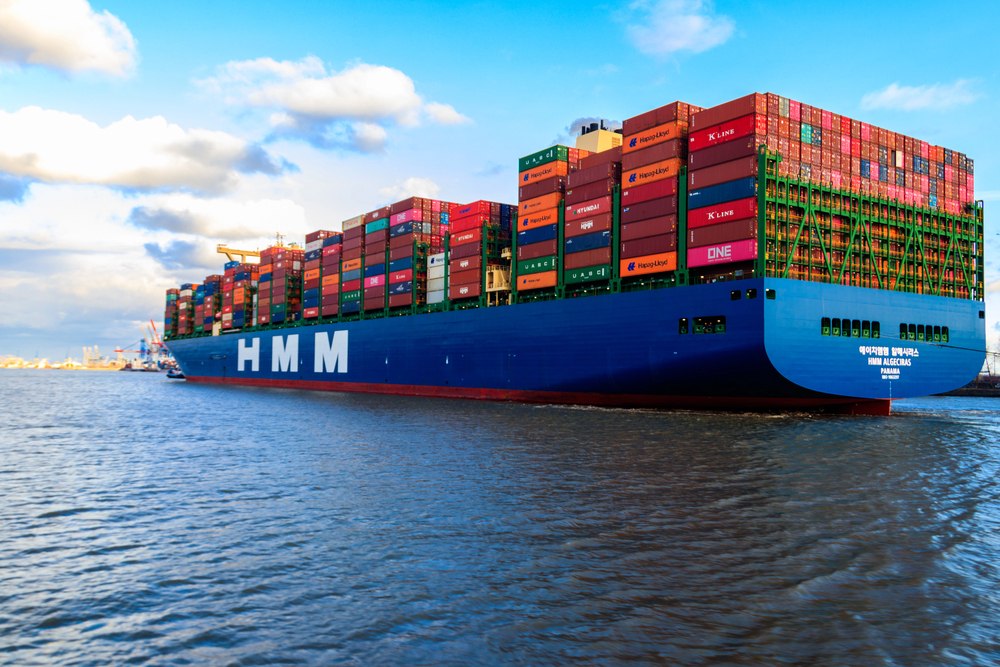
Kyrgyzstan is preparing to enter the global ship-registration market despite having no direct access to the sea, a move that could generate revenue but also expose the country to new regulatory and reputational risks. Kyrgyz lawmakers have adopted legislation allowing merchant ships to register under the national flag, giving the landlocked Central Asian country a potential foothold in an industry normally associated with maritime powers. Lawmakers approved the Merchant Shipping Code and related legislation in late June, including provisions for Kyrgyzstan's accession to 14 international conventions developed under the International Maritime Organization (IMO). The Ministry of Economy and Commerce says the code gives Kyrgyzstan the legal tools to regulate merchant shipping and formalizes its right, under international law, to access the seas and participate in maritime trade, despite having no coastline. In practical terms, the legislation allows seagoing vessels to be registered under the Kyrgyz flag and lays the groundwork for an International Ship Register. It also sets out rules on maritime safety, seafarers’ rights, insurance, and shipowner liability. The move follows Kyrgyzstan’s accession to the IMO in 2024, when it became the organization’s 176th member state. Officials have presented the legislation as a way to give Kyrgyz-registered ships international recognition, attract investment, and create opportunities for Kyrgyz companies in global shipping. The more immediate use case is simpler: a ship registry can generate fees by allowing foreign-owned vessels to sail under a national flag. According to 24.kg, ministry officials told parliament that the registry could eventually bring Kyrgyzstan $10 million-$15 million a year, though they said exact calculations were not yet possible because the number and tonnage of future vessels were unknown. That model is legal and not unusual. Mongolia, another landlocked Asian state, operates a ship registry and was cited by Deputy Economy Minister Sultan Akhmatov when he presented the draft code to lawmakers. But several deputies were unconvinced. Dastanbek Dzhumabekov said the government needed to explain the proposal in clearer language, asking what the code would actually give the country and whether it would become another document that “gathers dust.” Another concern is control. In May, Dzhumabekov warned that if a vessel sailing under the Kyrgyz flag carried sanctioned goods, the result could be a damaging international scandal. Another deputy, Bolot Sagynayev, later claimed that open shipping databases already showed more than 100 vessels sailing under the Kyrgyz flag. Akhmatov said Kyrgyzstan had issued no such permissions, because the maritime administration and ship register had not yet been created, and suggested the listings could be fraudulent. The registry could prove attractive to foreign shipowners looking for a new flag jurisdiction. Open ship registries, often described as “flags of convenience,” are widely used in global shipping and are not illegal. But they have also come under scrutiny because vessels involved in sanctions evasion and shadow-fleet activity often change flags, obscure ownership, or rely on weak registry oversight. There is no evidence that Kyrgyzstan’s new registry is intended for sanctions-busting. But if the country builds a fleet on paper rather...

Washington Steps Up Focus on Central Asia Amid Strategic Competition with China

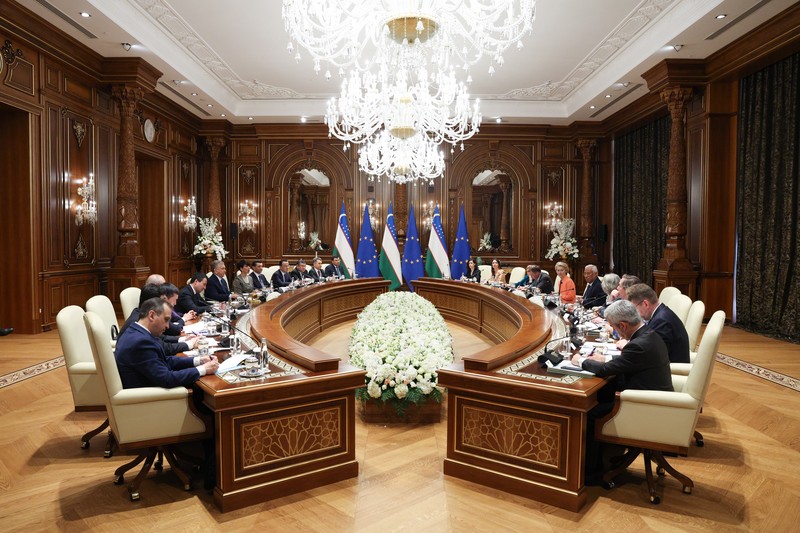
The United States has intensified its interest in Central Asia following China’s decision to restrict exports of rare earth elements. Amid the broader U.S.–China trade rivalry, Washington is seeking to diversify its sources of strategic raw materials and strengthen economic ties with countries in the region. Analysts note that Central Asia is increasingly viewed as a key part of Washington’s strategy to reduce dependence on Chinese supply chains. However, they point to several obstacles, including high logistics costs, underdeveloped export infrastructure, and what they describe as a high-risk investment environment that limits the commercial viability of many projects. Kazakhstan and Uzbekistan: Pillars of U.S. Engagement Among the countries of the region, Kazakhstan and Uzbekistan offer the greatest potential for rare earth element extraction and present favorable conditions for U.S. cooperation. Kazakhstan is strengthening its partnerships with Western investors in the mining sector, while Uzbekistan has implemented market reforms and opened its economy to foreign capital in recent years. Kazakh President Kassym-Jomart Tokayev, currently visiting the U.S., has reiterated his government’s interest in attracting American investment and technology, including through the C5+1 regional format. After his visit to Washington, he is scheduled to travel to Moscow for a meeting with Russian President Vladimir Putin on November 12, reflecting Kazakhstan’s longstanding policy of balancing relations among major powers. Kyrgyzstan Banks on the Digital Economy Lacking major oil and gas reserves, Kyrgyzstan is pursuing a different path by developing partnerships with the U.S. in financial technology and digital assets. During talks with U.S. President Donald Trump in Washington, Kyrgyz President Sadyr Japarov said the country’s most valuable asset is its educated youth, who are increasingly active in the IT sector. Japarov outlined several initiatives, including the introduction of digital financial instruments such as the national stablecoin KGST. He also noted the importance of the U.S. Genius Act, which regulates stablecoin circulation, calling it one of the most progressive in the world. In response, the U.S. expressed its readiness to expand cooperation in digital transformation and fintech development. Tajikistan Prioritizes Energy and Security Tajik President Emomali Rahmon participated in the C5+1 summit in Washington and held separate talks with President Trump. The discussions focused on energy, investment, and regional security. Rahmon said that peace and stability are essential for sustainable development and reaffirmed Tajikistan’s readiness to expand cooperation with the U.S. in green energy and regional electricity transmission projects. At present, more than 70 U.S.-affiliated companies operate in Tajikistan. American investment in mineral extraction and processing is viewed as a promising area for future collaboration. The two sides also discussed joint efforts to combat transnational threats, including terrorism, extremism, and drug trafficking. Turkmenistan Maintains Its Neutral Stance In contrast to the active diplomatic engagements of its neighbors, Turkmenistan continues to adhere to its traditional policy of neutrality. Ashgabat has so far refrained from joining initiatives that could be perceived as aligning with geopolitical blocs. Nonetheless, the U.S. remains interested in Turkmenistan’s energy potential, particularly regarding prospects for diversifying gas exports to Europe through the...