• KGS/USD = 0.01144 0%
  • KZT/USD = 0.00191 0%
  • TJS/USD = 0.10798 0%
  • UZS/USD = 0.00008 0%
  • TMT/USD = 0.28571 0%
  • KGS/USD = 0.01144 0%
  • KZT/USD = 0.00191 0%
  • TJS/USD = 0.10798 0%
  • UZS/USD = 0.00008 0%
  • TMT/USD = 0.28571 0%
  • KGS/USD = 0.01144 0%
  • KZT/USD = 0.00191 0%
  • TJS/USD = 0.10798 0%
  • UZS/USD = 0.00008 0%
  • TMT/USD = 0.28571 0%
  • KGS/USD = 0.01144 0%
  • KZT/USD = 0.00191 0%
  • TJS/USD = 0.10798 0%
  • UZS/USD = 0.00008 0%
  • TMT/USD = 0.28571 0%
  • KGS/USD = 0.01144 0%
  • KZT/USD = 0.00191 0%
  • TJS/USD = 0.10798 0%
  • UZS/USD = 0.00008 0%
  • TMT/USD = 0.28571 0%
  • KGS/USD = 0.01144 0%
  • KZT/USD = 0.00191 0%
  • TJS/USD = 0.10798 0%
  • UZS/USD = 0.00008 0%
  • TMT/USD = 0.28571 0%
  • KGS/USD = 0.01144 0%
  • KZT/USD = 0.00191 0%
  • TJS/USD = 0.10798 0%
  • UZS/USD = 0.00008 0%
  • TMT/USD = 0.28571 0%
  • KGS/USD = 0.01144 0%
  • KZT/USD = 0.00191 0%
  • TJS/USD = 0.10798 0%
  • UZS/USD = 0.00008 0%
  • TMT/USD = 0.28571 0%
13 November 2025

Viewing results 1 - 6 of 2

Kazakhstan, Kyrgyzstan, and Uzbekistan Agree on Joint Water and Energy Measures

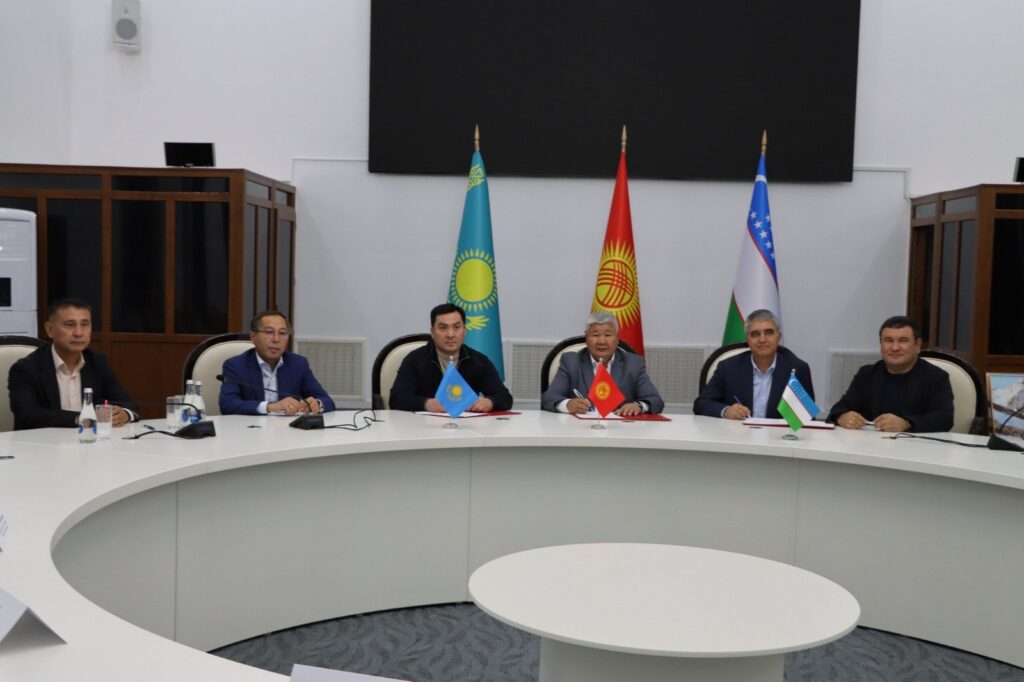
Kazakhstan, Kyrgyzstan, and Uzbekistan have reached a landmark agreement on coordinated water and energy management, signaling a deepening commitment to cross-border cooperation amid growing seasonal and climate-related challenges. The agreement was formalized on September 7 in Cholpon-Ata, Kyrgyzstan, during a meeting of energy ministers and water management authorities from the three countries. The protocols define mutual obligations for water releases and electricity exchanges, with the goal of balancing the region’s energy needs and preserving critical water resources. Under the terms of the agreement, Kyrgyzstan will release water from the Toktogul Hydroelectric Power Plant (HPP) reservoir to downstream Kazakhstan and Uzbekistan. In return, Kyrgyzstan will receive electricity from both countries through spring 2026. According to the Kyrgyz Ministry of Energy, the arrangement is designed to optimize the use of water stored in Toktogul and to secure reliable electricity supplies for Kyrgyzstan during the 2025-2026 autumn-winter period. Regional Power Transit Agreements The protocols also include provisions for cross-border electricity transit: from Russia to Kyrgyzstan via Kazakhstan’s grid, and from Turkmenistan to Kyrgyzstan through Uzbekistan’s transmission network. The Toktogul HPP, situated on the Naryn River, a major tributary of the Syr Darya, is Kyrgyzstan’s largest power facility, generating roughly 40% of the country’s electricity. It serves a dual function: providing domestic energy and regulating water flows that are essential for irrigation in downstream Kazakhstan and Uzbekistan. In winter, Kyrgyzstan often increases power output from Toktogul to meet heating demand, but this can significantly lower reservoir levels, jeopardizing irrigation supplies the following spring. The new agreement is intended to reduce this risk by enabling Kazakhstan and Uzbekistan to supply electricity during peak winter months, allowing Kyrgyzstan to conserve water. Kazakhstan’s Ministry of Energy emphasized that the trilateral deal is crucial to maintaining water levels in Toktogul and ensuring sufficient irrigation for southern Kazakhstan during the next growing season. Broader Regional Energy Cooperation Separately, Kazakhstan and Uzbekistan signed an agreement for the supply of approximately 900 million kilowatt-hours of electricity between March and December 2026. The electricity is expected to cover anticipated shortages in Kazakhstan’s southern power grid and further underscores the growing interdependence of Central Asia’s energy and water systems.

Israel Strikes Mashhad, an Iranian City Near Turkmenistan and a Hub for Central Asia Trade

Mashhad, a northeastern Iranian city near the border with Turkmenistan and a significant hub for trade with Central Asia, is among the targets hit by the Israeli military in the intensifying conflict between Israel and Iran. The Israeli military said a strike on Mashhad’s airport on Sunday was the furthest since it launched airstrikes on Iran, including nuclear facilities, on June 13 and Iran promptly retaliated. The attack on the city highlights the potential fallout for some countries in Central Asia that do business with Iran across the border with Turkmenistan. “The IAF (Israeli Air Force) struck an Iranian refueling aircraft at Mashhad Airport in eastern Iran, approximately 2,300 kilometers from Israel. The IAF is operating to establish aerial superiority over Iranian airspace. This marks the longest-range strike conducted since the beginning of Operation Rising Lion,” the Israeli military said on X. Mashhad, which has a population of up to 3.5 million, is Iran’s second most populous city after the capital Tehran, which has nearly 10 million people. The northeastern city is an Islamic pilgrimage site and is the birth place of Ayatollah Ali Khamenei, Iran’s supreme leader. U.S. President Donald Trump said on social media on Tuesday that “we know exactly” where Ayatollah Khamenei is hiding and that he is an “easy target” even if he is safe for now. Trump has also demanded Iran’s “unconditional surrender,” though it was unclear whether his comments meant the U.S. could directly join Israel’s military campaign against Iran. While the whereabouts of Iran’s supreme leader are not publicly known, Mashhad and other major Iranian cities have been thrown into turmoil by the Israeli attacks. Some people have fled to other towns or places in the countryside that they think might be safer. Flights have been canceled and there are reports of widespread internet disruptions. Mashhad is about 75 kilometers from the nearest point on the border with Turkmenistan, and a driving distance of about 275 kilometers to Ashgabat, Turkmenistan’s capital to the northwest. Last month, Iran and Turkmenistan signed an agreement aimed at increasing bilateral trade to $3 billion, the Tehran Times reported. The neighbors also agreed to establish joint free trade zones, build up border markets, ready a bilateral gas contract and take other steps to develop economic cooperation. In April, Iran and Turkmenistan agreed to start a cross-border passenger train as a way to strengthen economic ties. The route would link Mashhad with Merv, a city in Turkmenistan. The extent of disruption to these economic plans is unclear as fighting between Israel and Iran continues. Fears of a wider war are circulating and numerous countries, including those in Central Asia, have appealed for an end to hostilities.