
• KGS/USD = 0.01144 0%
  • KZT/USD = 0.00212 0%
  • TJS/USD = 0.10456 0.19%
  • UZS/USD = 0.00008 0%
  • TMT/USD = 0.28490 0%
  • KGS/USD = 0.01144 0%
  • KZT/USD = 0.00212 0%
  • TJS/USD = 0.10456 0.19%
  • UZS/USD = 0.00008 0%
  • TMT/USD = 0.28490 0%
  • KGS/USD = 0.01144 0%
  • KZT/USD = 0.00212 0%
  • TJS/USD = 0.10456 0.19%
  • UZS/USD = 0.00008 0%
  • TMT/USD = 0.28490 0%
  • KGS/USD = 0.01144 0%
  • KZT/USD = 0.00212 0%
  • TJS/USD = 0.10456 0.19%
  • UZS/USD = 0.00008 0%
  • TMT/USD = 0.28490 0%
  • KGS/USD = 0.01144 0%
  • KZT/USD = 0.00212 0%
  • TJS/USD = 0.10456 0.19%
  • UZS/USD = 0.00008 0%
  • TMT/USD = 0.28490 0%
  • KGS/USD = 0.01144 0%
  • KZT/USD = 0.00212 0%
  • TJS/USD = 0.10456 0.19%
  • UZS/USD = 0.00008 0%
  • TMT/USD = 0.28490 0%
  • KGS/USD = 0.01144 0%
  • KZT/USD = 0.00212 0%
  • TJS/USD = 0.10456 0.19%
  • UZS/USD = 0.00008 0%
  • TMT/USD = 0.28490 0%
  • KGS/USD = 0.01144 0%
  • KZT/USD = 0.00212 0%
  • TJS/USD = 0.10456 0.19%
  • UZS/USD = 0.00008 0%
  • TMT/USD = 0.28490 0%

Viewing results 1 - 6 of 6

Afghanistan Advances Qosh Tepa Canal While Urging Regional Water Cooperation

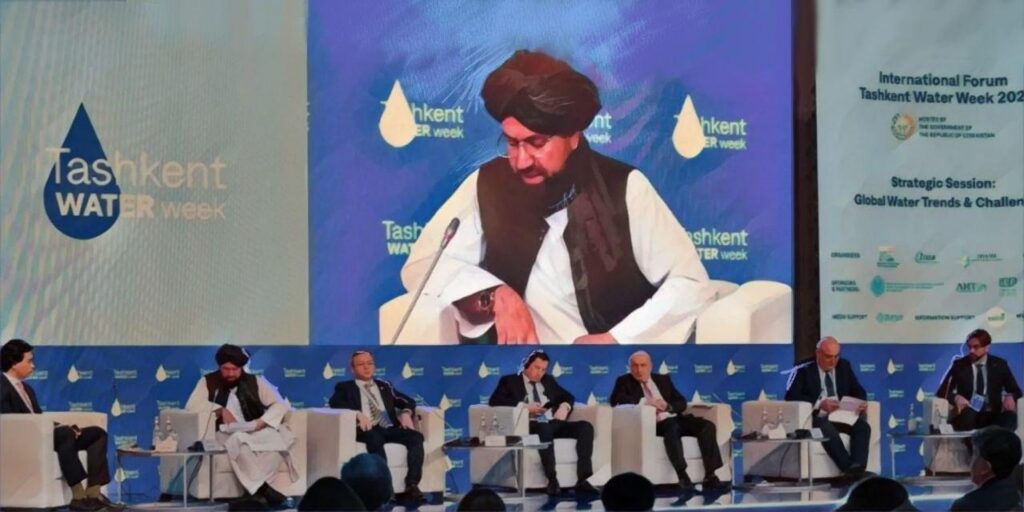
Uzbekistan just hosted the Tashkent Water Week forum, and the speaker many wanted to hear from was the representative from Afghanistan. Central Asia and Afghanistan are being hit hard by climate change. This region has endured several droughts already this decade, and indications are that this year will bring drought again. Hanging over the forum was Afghanistan’s plan to complete the Qosh-Tepa Canal in 2028, which will draw water from a river that Central Asian countries also use and further complicate the regional water situation. [caption id="attachment_18865" align="aligncenter" width="1280"] Qosh Tepa Canal, artist's rendition; image: TCA, Aleksandr Potolitsyn[/caption] Our Fair Share The forum, which actually spanned only two days, March 25-26, brought together some 80 speakers and more than 1,200 delegates from 19 countries. In the past five years, Central Asia has seen noticeably diminished precipitation, melting glaciers, and record high temperatures, making water conservation a priority. The last days of March saw temperatures soar into the 30s Celsius in southern Kazakhstan. In both Kazakhstan and Kyrgyzstan, there were record-high temperatures in February. Rainfall for the last three months of 2025 was also far below normal across Central Asia. When the Taliban government announced in early 2022 that it would build the 285-kilometer-long, 100-meter-wide, 8.5-meter-deep Qosh Tepa to irrigate lands in northern Afghanistan, it added another water concern to Central Asia, particularly the governments in Turkmenistan and Uzbekistan. Afghanistan’s Deputy Minister of Water and Energy, Mujeeb-ur-Rahman Omar, led the Afghan delegation at the Tashkent Water Week. At the forum, he repeated his government’s position that historically, Afghanistan has taken only very small volumes of water from the Amu-Darya River basin, while its northern neighbors have been using large amounts for irrigation for decades. “We believe in the fair and sustainable development of the region,” Omar said, adding, “We intend to develop (water resources) on a legal basis, in accordance with the legal rights of the countries in the region.“ Omar is correct that under international law, Afghanistan has an equal right to water from the Amu-Darya, one of Central Asia’s two great rivers. The river currently marks the border between Afghanistan to the south, and Tajikistan, Uzbekistan, and a small section of Turkmenistan to the north. There is no separate regional water use agreement between the Central Asian states and Afghanistan. Since none of the Central Asian governments officially recognize the Taliban as the legitimate Afghan government, Russia is the only country that does at the moment, there is no possibility of a legal treaty on water use being signed. So, shortly after the construction of the canal is finished in 2028, some 20% of the water in the Amu-Darya, starting from the point just west of the Tajik-Uzbek border, will be diverted into the Qosh Tepa canal. It is already clear that this will mean the end of some downstream communities in Uzbekistan and Turkmenistan that are on the edge of the Kara-Kum Desert and which are already under strain from insufficient water supplies. Turkmenistan did not send a...

Kazakhstan and Kyrgyzstan Resume Data Sharing on Reservoirs and Transboundary Rivers

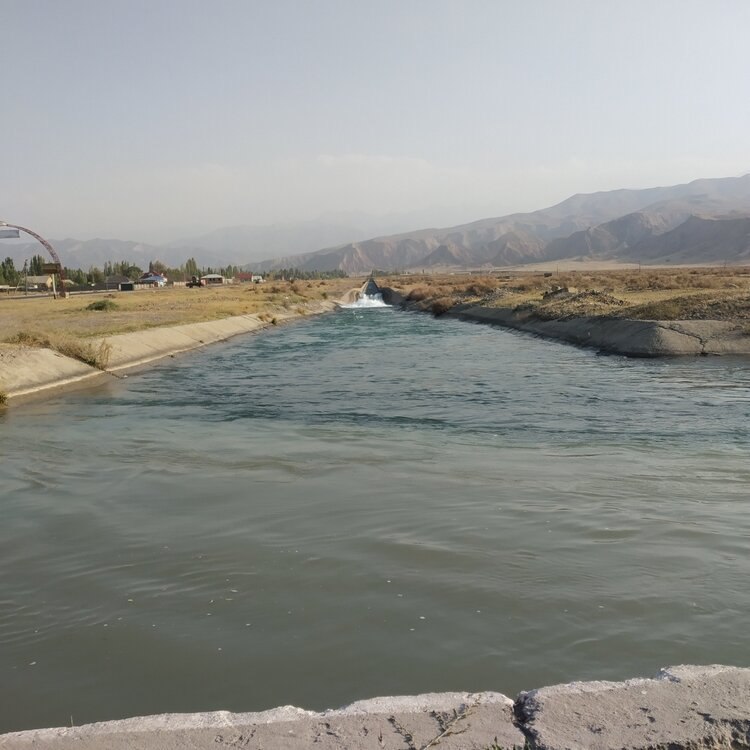
Kazakhstan and Kyrgyzstan have renewed formal cooperation in hydrometeorology, agreeing to exchange key hydrological data on major reservoirs and transboundary rivers, a development officials say is vital for regional flood management and agricultural planning. The agreement covers data exchange on the Kirov, Orto-Tokoy, and Toktogul reservoirs, all located in Kyrgyzstan but directly influencing downstream water supply in Kazakhstan. The signing took place on February 9 in Astana, where Kyrgyzstan’s First Deputy Minister of Emergency Situations Mambetov Muratovich and Kazakhstan’s First Deputy Minister of Water Resources and Irrigation Nurlan Aldamzharov endorsed a 2026-2028 cooperation program between Kazhydromet and the Kyrgyz Hydrometeorological Service. Key Components of the Agreement The three-year program includes: Regular exchange of hydrological data on shared rivers and reservoirs Joint forecasting of basin runoff and water accumulation Mutual hazard and storm warnings Scientific and technical collaboration Professional exchange between agencies Describing the agreement as an achievement of "water diplomacy," Aldamzharov emphasized that timely data is critical to protecting populations and infrastructure downstream, especially during peak water flow and flood risk periods. Strategic Role of Kyrgyz Water Infrastructure Kyrgyzstan plays a pivotal upstream role in Central Asia’s water system, delivering seasonal irrigation flows to southern Kazakhstan’s Turkistan, Kyzylorda, and Zhambyl regions via the Chu, Talas, and Syr Darya rivers. Each of the reservoirs included in the data-sharing agreement serves a distinct strategic function: Kirov Reservoir: Located in Kyrgyzstan’s Talas region, near the Kazakh border; vital for irrigating farmland on both sides. Orto-Tokoy Reservoir: Situated on the Chu River, which flows into Kazakhstan, it regulates seasonal supply for downstream agriculture. Toktogul Reservoir: Kyrgyzstan’s largest, located on the Naryn River, the principal tributary of the Syr Darya, one of Central Asia’s main water arteries feeding Kazakhstan and Uzbekistan. According to Kazakhstan’s Ministry of Water Resources, during the 2025 growing season, Zhambyl region received 160 million cubic meters of water via the Chu River and 427.5 million cubic meters via the Talas River under existing water allocation frameworks. Water Stress Ahead of Growing Season Authorities warn that the Syr Darya basin continues to experience low-flow conditions. Reduced inflows to the Naryn-Syr Darya system are threatening irrigation reliability for the upcoming agricultural season. The Toktogul Reservoir may reach near-record low levels, heightening risks for downstream farmers. In response, agricultural authorities in southern Kazakhstan have urged the adoption of water-saving irrigation technologies, a shift away from water-intensive crops, and greater reliance on drought-resistant varieties-steps that make access to reliable hydrological forecasts increasingly urgent.