
• KGS/USD = 0.01144 0%
  • KZT/USD = 0.00216 0%
  • TJS/USD = 0.10718 0.37%
  • UZS/USD = 0.00008 0%
  • TMT/USD = 0.28490 0%
  • KGS/USD = 0.01144 0%
  • KZT/USD = 0.00216 0%
  • TJS/USD = 0.10718 0.37%
  • UZS/USD = 0.00008 0%
  • TMT/USD = 0.28490 0%
  • KGS/USD = 0.01144 0%
  • KZT/USD = 0.00216 0%
  • TJS/USD = 0.10718 0.37%
  • UZS/USD = 0.00008 0%
  • TMT/USD = 0.28490 0%
  • KGS/USD = 0.01144 0%
  • KZT/USD = 0.00216 0%
  • TJS/USD = 0.10718 0.37%
  • UZS/USD = 0.00008 0%
  • TMT/USD = 0.28490 0%
  • KGS/USD = 0.01144 0%
  • KZT/USD = 0.00216 0%
  • TJS/USD = 0.10718 0.37%
  • UZS/USD = 0.00008 0%
  • TMT/USD = 0.28490 0%
  • KGS/USD = 0.01144 0%
  • KZT/USD = 0.00216 0%
  • TJS/USD = 0.10718 0.37%
  • UZS/USD = 0.00008 0%
  • TMT/USD = 0.28490 0%
  • KGS/USD = 0.01144 0%
  • KZT/USD = 0.00216 0%
  • TJS/USD = 0.10718 0.37%
  • UZS/USD = 0.00008 0%
  • TMT/USD = 0.28490 0%
  • KGS/USD = 0.01144 0%
  • KZT/USD = 0.00216 0%
  • TJS/USD = 0.10718 0.37%
  • UZS/USD = 0.00008 0%
  • TMT/USD = 0.28490 0%

Viewing results 1 - 6 of 9

Kazakhstan, Kyrgyzstan, Uzbekistan Agree on Toktogul Water Releases

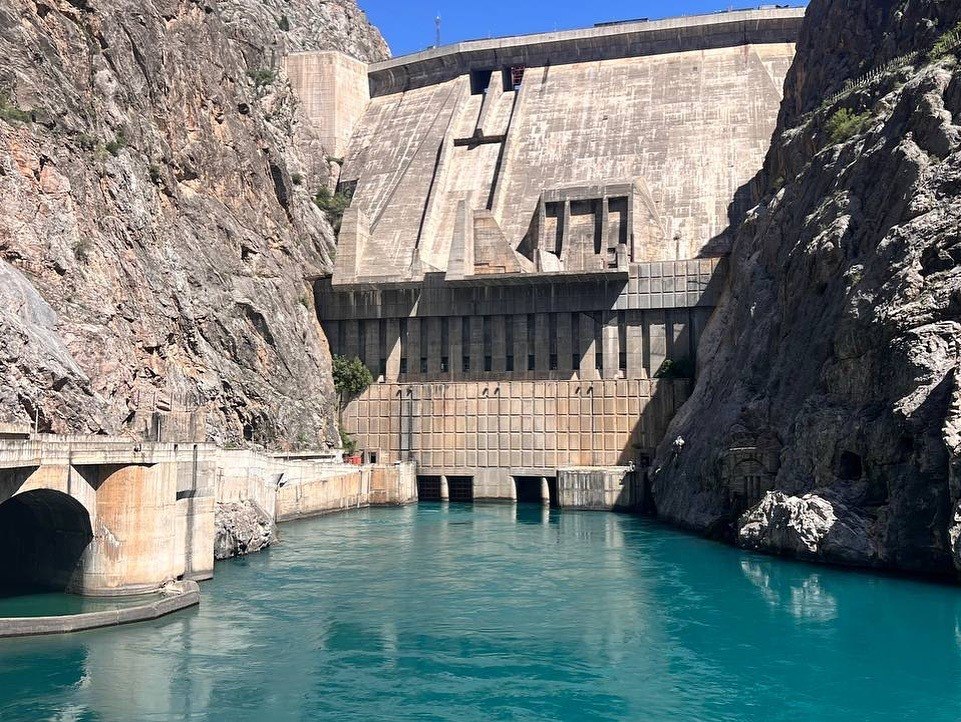
Energy and water ministers from Kazakhstan, Kyrgyzstan, and Uzbekistan signed a trilateral protocol in Tashkent on May 7 establishing agreed water release volumes and schedules from the Toktogul Reservoir for the next two months. The Toktogul Reservoir plays a central role in maintaining water and energy stability across Central Asia. The Toktogul Hydropower Plant, located on the Naryn River, the main tributary of the Syr Darya, is Kyrgyzstan’s largest power station and supplies around 40% of the country’s electricity. The reservoir serves a dual purpose: generating electricity for Kyrgyzstan while regulating water flows essential for downstream agriculture in Kazakhstan and Uzbekistan. During winter, Kyrgyzstan typically increases electricity generation to meet heating demand, often lowering reservoir levels and reducing the amount of water available for irrigation during the following spring and summer. According to Kazakhstan’s Energy Ministry, the newly signed protocol removes uncertainty for farmers in southern Kazakhstan at the start of the agricultural season and allows both Kazakh and Uzbek farmers to begin irrigation activities on schedule. To ensure stable water supplies throughout the remainder of the growing season, the three countries agreed to continue coordination in stages. The next ministerial meeting is scheduled for mid-June in Bishkek, where officials plan to finalize water release schedules for the critical summer months of July, August, and September. The agreement highlights the continued functioning of the region’s interstate water-energy exchange mechanism. Coordination over summer irrigation flows was preceded by extensive cooperation during the winter season. From September 2025 to April 2026, Kazakhstan supplied more than 1.5 billion kilowatt-hours of electricity to Kyrgyzstan, helping the upstream country reduce winter water releases for heating and preserve additional reserves in the Toktogul Reservoir for summer irrigation needs in Kazakhstan and Uzbekistan. According to Kyrgyzstan’s Deputy Energy Minister Altynbek Rysbekov, the Toktogul Reservoir held 7 billion cubic meters of water on April 1, 2026, down from 9.14 billion cubic meters on January 1 after the winter heating season. The reservoir’s so-called “dead water level,” the threshold below which turbines can no longer operate, stands at 6.5 billion cubic meters.

Kazakhstan, Kyrgyzstan, and Uzbekistan Sign Trilateral Deal on Water and Energy Cooperation

Kazakhstan, Kyrgyzstan, and Uzbekistan have signed a trilateral protocol on water and energy cooperation, covering the upcoming winter heating period and the 2026 agricultural season. The agreement was formalized at a meeting of the countries’ energy and water ministers held in Almaty on November 22. With water levels at Kyrgyzstan’s Toktogul Hydropower Plant (HPP) reservoir critically low, Kazakhstan and Uzbekistan have agreed to supply electricity to Kyrgyzstan during the winter months. This will allow Kyrgyzstan to reduce electricity generation during peak heating demand and conserve water in the Toktogul Reservoir. The stored water will later be released downstream to Kazakhstan and Uzbekistan during the 2026 growing season to ensure consistent irrigation for farmland in their southern regions. The Toktogul HPP, located on the Naryn River, a key tributary of the Syr Darya, is Kyrgyzstan’s largest power station, supplying about 40% of the country’s electricity. It plays a dual role: meeting domestic energy needs and regulating water flows critical to downstream agricultural systems. In winter, Kyrgyzstan typically ramps up power output to meet heating demand, often at the expense of reservoir levels, which can compromise irrigation capacity the following spring. Under the new protocol, Uzbekistan has also pledged to support regional electricity balancing and ensure transit capacity. Earlier, the three countries agreed to facilitate cross-border electricity flows, including Russian electricity transiting to Kyrgyzstan via Kazakhstan, and Turkmen electricity reaching Kyrgyzstan through Uzbekistan’s transmission grid. Participants in the Almaty meeting emphasized that the trilateral agreement reflects a spirit of good neighborliness and is aimed at enhancing regional energy security and stability. The agreement is particularly critical for Kyrgyzstan, which faces persistent electricity shortages, especially during the winter when electric heating is widely used. On November 18, Kyrgyzstan completed the full modernization of the Toktogul HPP, with the commissioning of its fourth generating unit. The upgrade raised the facility’s total capacity from 1,200 MW to 1,440 MW. In parallel, Kyrgyzstan is advancing construction of the Kambarata-1 HPP, a major regional project being developed jointly with Kazakhstan and Uzbekistan. Once completed, Kambarata-1 will have a generation capacity of 1,860 MW and produce 5.6 billion kWh annually.

Uzbek Parliament Ratifies Border Agreement with Kyrgyzstan and Tajikistan

On October 28, the Legislative Chamber of Uzbekistan’s parliament, the Oliy Majlis, ratified a law approving a trilateral agreement on the junction point of the state borders of Uzbekistan, Kyrgyzstan, and Tajikistan, according to the chamber’s press service. The agreement was initially signed on March 31 in the Tajik city of Khujand during a high-level meeting between Presidents Shavkat Mirziyoyev of Uzbekistan, Emomali Rahmon of Tajikistan, and Sadyr Japarov of Kyrgyzstan. The leaders also took part in a remote inauguration of the Dostlik (Friendship) stele, which now marks the exact location where the borders of the three countries meet. Lawmakers emphasized that Central Asia is increasingly becoming a region of constructive dialogue, mutual trust, and regional cooperation, moving past a legacy of closed borders and unresolved territorial disputes. Umid Yakubkhodjayev, a member of the parliamentary committee on international affairs, defense, and security, stated that the agreement formally establishes the precise location of the tri-border junction and the delineation of border lines in the area. He noted that the deal would bolster good-neighborly relations, reinforce trust and strategic partnerships, and contribute to the international stature of the Central Asian region. The agreement also lays a legal foundation for expanding cross-border cooperation, enhancing trade, and launching joint infrastructure initiatives in neighboring regions. These efforts are expected to create jobs and raise living standards. The draft law was passed in its first reading and, by exception, was adopted immediately in all three readings. It has now been forwarded to the Senate and will enter into force upon presidential signature.
