
• KGS/USD = 0.01144 0%
  • KZT/USD = 0.00212 0%
  • TJS/USD = 0.10803 0%
  • UZS/USD = 0.00008 0%
  • TMT/USD = 0.28571 0%
  • KGS/USD = 0.01144 0%
  • KZT/USD = 0.00212 0%
  • TJS/USD = 0.10803 0%
  • UZS/USD = 0.00008 0%
  • TMT/USD = 0.28571 0%
  • KGS/USD = 0.01144 0%
  • KZT/USD = 0.00212 0%
  • TJS/USD = 0.10803 0%
  • UZS/USD = 0.00008 0%
  • TMT/USD = 0.28571 0%
  • KGS/USD = 0.01144 0%
  • KZT/USD = 0.00212 0%
  • TJS/USD = 0.10803 0%
  • UZS/USD = 0.00008 0%
  • TMT/USD = 0.28571 0%
  • KGS/USD = 0.01144 0%
  • KZT/USD = 0.00212 0%
  • TJS/USD = 0.10803 0%
  • UZS/USD = 0.00008 0%
  • TMT/USD = 0.28571 0%
  • KGS/USD = 0.01144 0%
  • KZT/USD = 0.00212 0%
  • TJS/USD = 0.10803 0%
  • UZS/USD = 0.00008 0%
  • TMT/USD = 0.28571 0%
  • KGS/USD = 0.01144 0%
  • KZT/USD = 0.00212 0%
  • TJS/USD = 0.10803 0%
  • UZS/USD = 0.00008 0%
  • TMT/USD = 0.28571 0%
  • KGS/USD = 0.01144 0%
  • KZT/USD = 0.00212 0%
  • TJS/USD = 0.10803 0%
  • UZS/USD = 0.00008 0%
  • TMT/USD = 0.28571 0%

Viewing results 1 - 6 of 30

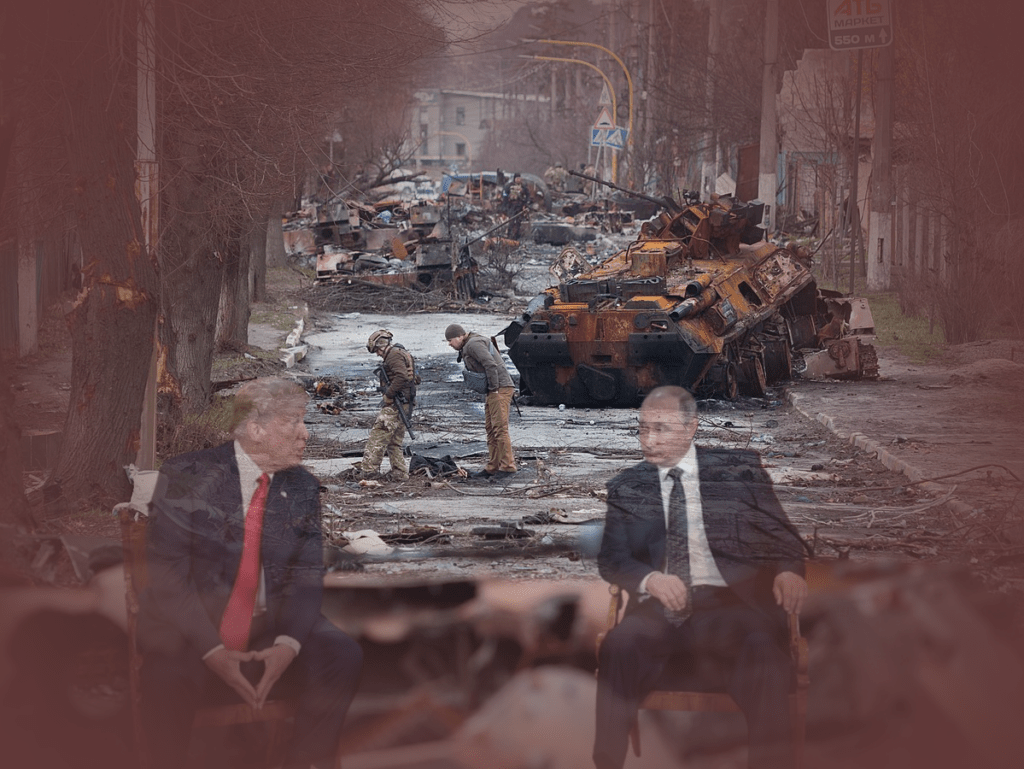
Trump’s Bid for Ukraine-Russia Peace: Could Kazakhstan Be the Key Mediator?

One of the anticipated top priorities of Donald Trump’s presidency is ending Russia's war in Ukraine while normalizing relations with Moscow. Writing on his Truth Social channel, Trump stated that, “Together, we will secure PEACE THROUGH STRENGTH, and Make America, and the World, SAFE AGAIN!” Trump’s nominee to serve as Special Envoy for Ukraine and Russia, 80-year-old former national security advisor, General Keith Kellogg, laid out his plan in writing for the America First policy institute, whilst focusing on characterizing the war “an avoidable crisis that, due to the Biden Administration’s incompetent policies [which] has entangled America in an endless war.” There are fears, however, that Kellogg’s proposal to reach a ceasefire by freezing the frontlines and forcing both sides the negotiating table will lead to a tumultuously violent period as Moscow seeks to swallow up territory. Meanwhile, NATO’s new secretary-general, Mark Rutte, has warned that compelling Ukraine into a “bad peace” would pose a “dire threat” to the U.S. itself. Whilst the framework for bringing a pause to hostilities is becoming clearer, it appears that Trump (or his representative) will need to meet with Vladimir Putin, and Kazakhstan has emerged as a potential venue for this high-stakes meeting. Kazakhstan's Role as Mediator Russian political analyst, Arkady Dubnov, has argued that Putin’s recent state visit to Astana may be an indication that Kazakhstan could play a pivotal role, and that given Putin’s limited travel options due to the International Criminal Court’s arrest warrant against him, Kazakhstan, with its reputation for diplomacy, would be a logical choice. “Putin is essentially restricted from visiting most of the Western Hemisphere,” Dubnov explained. “This leaves the Eurasian East, and among its cities, Astana stands out. Kazakhstan has hosted OSCE and CICA summits, mediated in the Syrian conflict, and facilitated peace talks over the future of the South Caucasus.” Dubnov sees Putin’s visit to Astana as indirectly tied to a possible meeting with Trump. “The Kremlin trusts Kazakhstan as an ally while respecting its constructive relations with the U.S. and the broader West,” he stated. Kazakhstan has long been recognized as a neutral ground where East and West can find commonality. The Astana process on Syria, initiated in 2017, helped prevent the escalation of hostilities for years, whilst Kazakhstan has mediated in other long-standing disputes, such as the conflict between Armenian and Azerbaijan. Given this history, it is conceivable that a reconciliation process between Russia and Ukraine could start in Astana. Neither the Minsk agreements of 2014, nor discussions in Istanbul in 2022 achieved lasting peace, but Kazakhstan’s diplomatic efforts could provide fresh impetus. Early Peace Efforts In March 2022, Kazakh President Kassym-Jomart Tokayev spoke with Ukrainian President Volodymyr Zelensky, emphasized the urgency of negotiations to bring a halt to hostilities, a stance that has since gained momentum as the war drags on. By 2024, the validity of Tokayev’s view — that negotiations are the only viable path to end the bloodshed — has become increasingly apparent. Kazakhstan’s diplomatic corps has actively pushed for peace....

Central Asia Gears Up For Another Trump Term

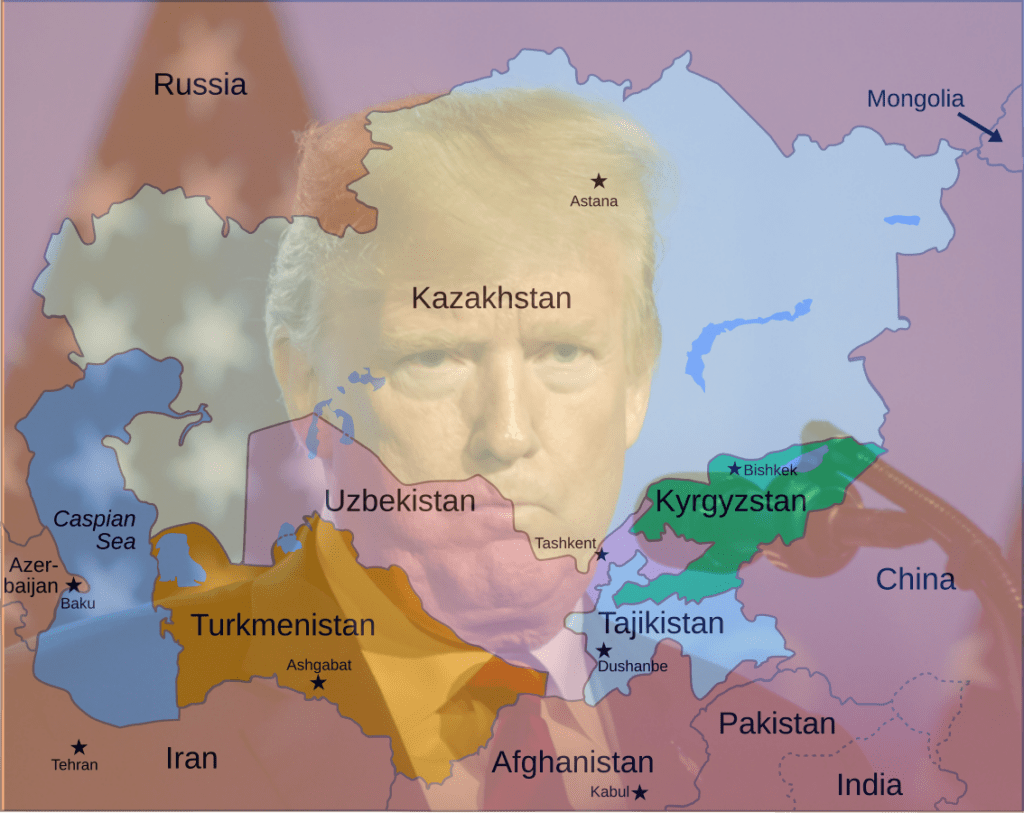
Leaders in Central Asia have congratulated Donald Trump on his election to another term as U.S. president, a development that governments in the region will watch closely for its impact on trade, geopolitical tensions and other priorities. Central Asian governments generally seek to balance their relationships with the West alongside more entrenched ties to nearby Russia and China, and are likely to be sensitive to any disruption of the status quo as the United States transitions from the Biden administration to another Trump term. Trump defeated Vice President Kamala Harris in the election on Tuesday, making an extraordinary political comeback and promising that he will deliver “the golden age of America.” Uzbek President Shavkat Mirziyoyev sent a message of congratulations to Trump in which he reaffirmed Uzbekistan’s commitment to “deepening the strategic partnership” with the United States, Mirziyoyev’s press office said in a statement. “In his letter, he emphasized shared goals for enhanced cooperation across trade, security, and regional stability, marking a new chapter” in relations between Uzbekistan and the United States, the statement said. Last week, Uzbekistan wrapped up talks with the United States as part of its campaign to join the World Trade Organization by early 2026. President Sadyr Japarov of Kyrgyzstan sent a similar message, according to media reports. "I believe that your leadership experience and deep knowledge will create opportunities for further deepening of comprehensive cooperation between Kyrgyzstan and the United States of America, based on the principles of mutual respect,” Japarov said. In comments relayed to Trump, Kazakh President Kassym-Jomart Tokayev “expressed confidence that bilateral cooperation in the areas of security, nuclear non-proliferation, and investment would continue to develop consistently,” his office said. Tokayev wished Trump success in efforts to ensure “global stability and security.” There is likely to be basic continuity on matters such as anti-terror cooperation and a stated commitment to trade relations between the U.S. and Central Asia. However, one area of uncertainty is Trump’s warning that he will intensify tariffs on U.S. imports of goods from China, a major economic player across Central Asia. That, in turn, could lead to major fallout for the global economy. Another prominent question is whether Trump will push Western-backed Ukraine to reach a peace deal with Russia nearly three years after Russia’s full-scale invasion. Central Asian nations – specifically, the five former Soviet republics of Kazakhstan, Kyrgyzstan, Turkmenistan, Tajikistan and Uzbekistan – have sought a position of neutrality, maintaining their relationships with Russia without offering clear support for the Russian military campaign. Relationships in the region might be due for recalibration if Russian President Vladimir Putin emerges emboldened from any Trump initiative in the conflict. Tokayev has already called for peace efforts to bring the war to an end, describing Russia as “militarily invincible.” There are concerns that Trump will erode U.S. democratic institutions in his second term, a potential disappointment for groups that would like to see the U.S. campaign harder for democratic freedoms in Central Asia. Trump has also promised mass deportations and...