• KGS/USD = 0.01144 0%
  • KZT/USD = 0.00205 0%
  • TJS/USD = 0.10722 0%
  • UZS/USD = 0.00008 0%
  • TMT/USD = 0.28490 0%
  • KGS/USD = 0.01144 0%
  • KZT/USD = 0.00205 0%
  • TJS/USD = 0.10722 0%
  • UZS/USD = 0.00008 0%
  • TMT/USD = 0.28490 0%
  • KGS/USD = 0.01144 0%
  • KZT/USD = 0.00205 0%
  • TJS/USD = 0.10722 0%
  • UZS/USD = 0.00008 0%
  • TMT/USD = 0.28490 0%
  • KGS/USD = 0.01144 0%
  • KZT/USD = 0.00205 0%
  • TJS/USD = 0.10722 0%
  • UZS/USD = 0.00008 0%
  • TMT/USD = 0.28490 0%
  • KGS/USD = 0.01144 0%
  • KZT/USD = 0.00205 0%
  • TJS/USD = 0.10722 0%
  • UZS/USD = 0.00008 0%
  • TMT/USD = 0.28490 0%
  • KGS/USD = 0.01144 0%
  • KZT/USD = 0.00205 0%
  • TJS/USD = 0.10722 0%
  • UZS/USD = 0.00008 0%
  • TMT/USD = 0.28490 0%
  • KGS/USD = 0.01144 0%
  • KZT/USD = 0.00205 0%
  • TJS/USD = 0.10722 0%
  • UZS/USD = 0.00008 0%
  • TMT/USD = 0.28490 0%
  • KGS/USD = 0.01144 0%
  • KZT/USD = 0.00205 0%
  • TJS/USD = 0.10722 0%
  • UZS/USD = 0.00008 0%
  • TMT/USD = 0.28490 0%

Viewing results 1 - 6 of 2

Washington Links TRIPP and Jackson-Vanik Repeal in Push Toward Central Asia

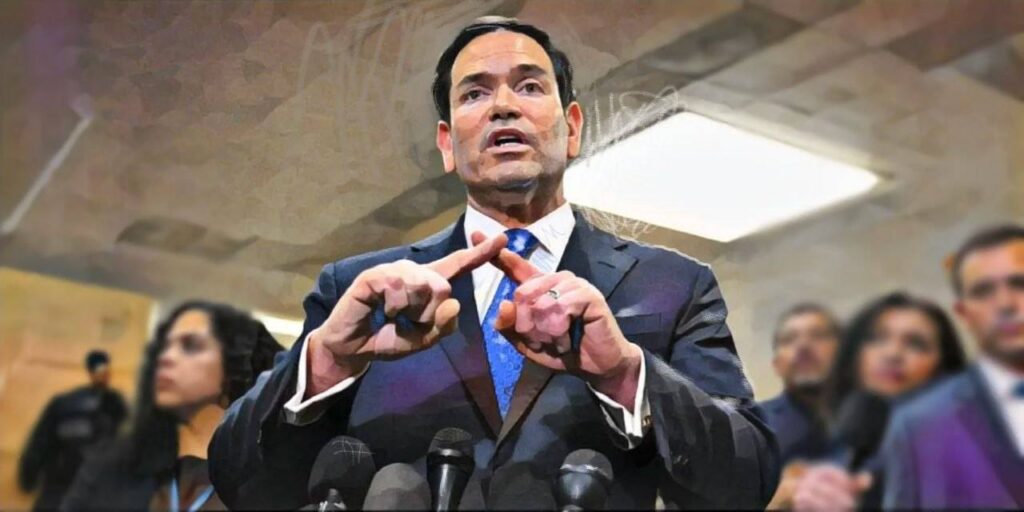
A notable strategic shift is taking place in U.S. foreign policy, one that could have a long-term impact on the economic architecture of Eurasia. After decades in which Central Asia and the South Caucasus were viewed largely through the lens of security, counterterrorism, and competition with Russia and China, Washington is increasingly emphasizing trade, investment, transport routes, and access to critical minerals. One of the clearest signs of this shift came during a recent hearing before the U.S. Senate Foreign Relations Committee, where Senator Steve Daines and Secretary of State Marco Rubio discussed the implementation of the U.S.-backed Trump Route for International Peace and Prosperity (TRIPP) framework, as well as the need to remove the outdated Jackson-Vanik trade restrictions. At first glance, these may appear to be separate issues: the peace process in the South Caucasus and Cold War-era trade legislation. In reality, however, they are closely connected. Together, they point to a broader U.S. effort to link Central Asia, the South Caucasus, and Western markets through trade, transport, and investment. In recent years, Republican Senator Steve Daines of Montana has emerged as one of the most active advocates of expanding America’s presence in Central Asia. As co-chair of the Senate Central Asia Caucus and one of the leading proponents of legislative efforts to repeal Jackson-Vanik restrictions, Daines has consistently argued for stronger trade and investment ties between the United States and the countries of the region. During the hearing, Daines placed particular emphasis on the importance of the Armenia-Azerbaijan peace process, describing it as one of the most underappreciated diplomatic efforts of recent years. According to the senator, resolving the conflict could open the door to a large-scale economic transformation of the wider region. Particularly noteworthy was his reference to a geopolitical concept associated with former U.S. National Security Advisor Zbigniew Brzezinski. In Daines’ formulation, Central Asia represents the “bottle,” while Azerbaijan serves as its “cork.” Opening transport routes through the South Caucasus, he argued, would allow flows of oil, gas, critical minerals, and other resources to move toward Western markets rather than toward Russia, China, or Iran. Daines said this approach helped address some of the most difficult issues in the Armenia-Azerbaijan settlement process and laid the foundation for what he called a “landmark agreement” after nearly four decades of conflict. Secretary of State Marco Rubio described TRIPP as an initiative capable of fundamentally transforming Armenia’s economic role in the region. According to Rubio, the framework not only addresses the issue of transport access, which had long been a source of disagreement between Baku and Yerevan, but also creates an opportunity for Armenia to become a major trade and logistics hub connecting Europe and Asia. Rubio described TRIPP as central to the Armenia-Azerbaijan settlement framework, emphasizing that the project could generate substantial investment flows and attract U.S. companies to infrastructure and transport projects across the region. Washington’s argument is that trade, transit, investment, and infrastructure can give the political settlement a stronger economic base. Unlike many previous peace...

Trump Signals G20 Invitation in Outreach to Kazakhstan and Uzbekistan

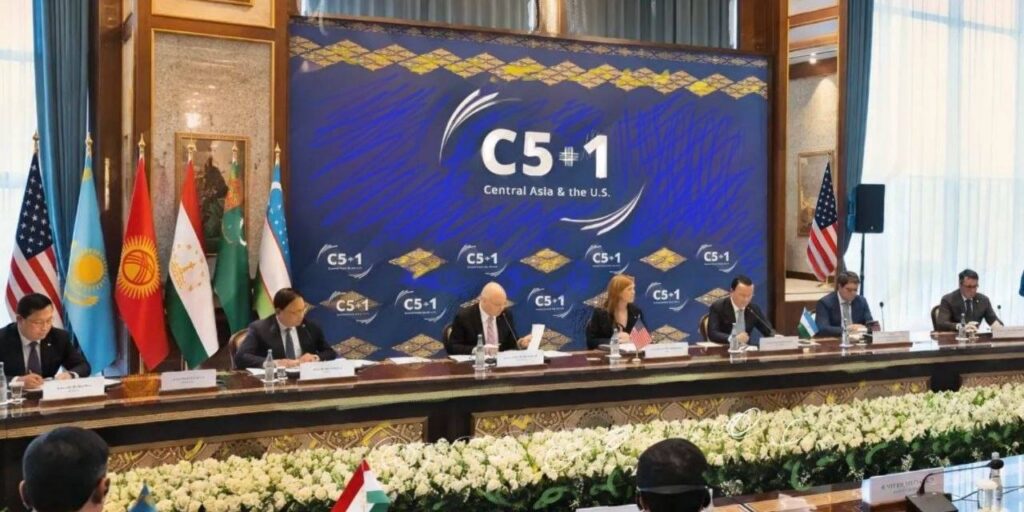
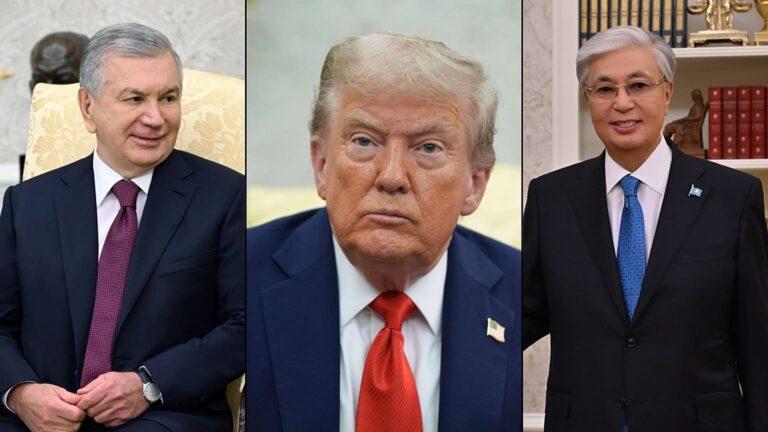
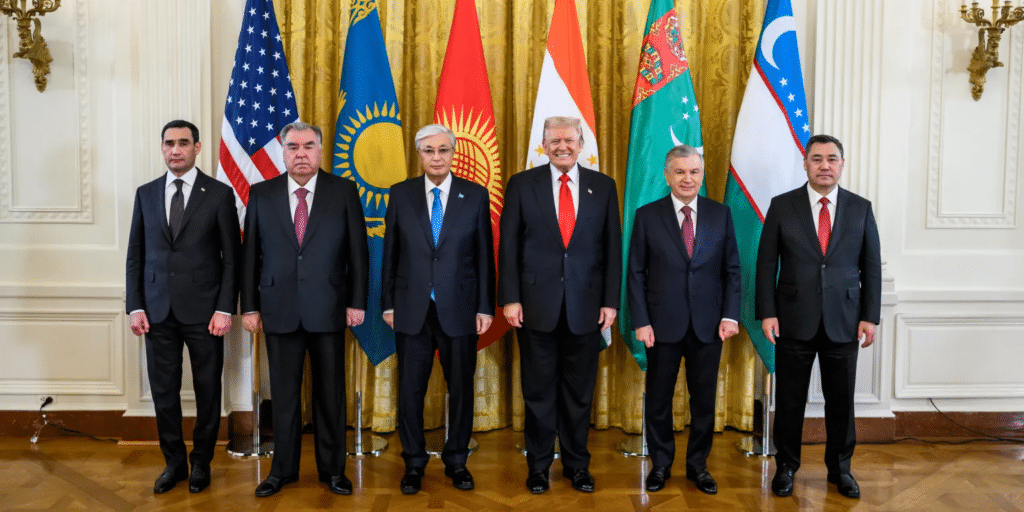
Recent telephone conversations between the presidents of Kazakhstan and Uzbekistan and United States President Donald Trump have generated significant international attention. Beyond routine diplomatic communication, the exchanges carry broader geopolitical implications for Central Asia. Trump has publicly stated his intention to invite the leaders of both countries to the G20 summit, which the United States will host in Miami in 2026. The announcement drew widespread international media coverage, highlighting growing global interest in the region. Official statements from Kazakhstan’s presidential office said that President Kassym-Jomart Tokayev held a lengthy conversation with Trump that covered a range of issues, including the conflict in Ukraine. Tokayev described the situation as complex, noting that territorial concerns remain central and require realistic compromises. He reiterated Kazakhstan’s readiness to offer a platform for negotiations, while clarifying that the country does not seek to act as a mediator. Notably, Kazakhstan’s official summary did not mention a potential G20 invitation, nor did the U.S. readout refer to peace talks. Uzbekistan’s statement likewise focused on strengthened political engagement, the launch of joint projects worth billions of dollars, the establishment of an American-Uzbek Business and Investment Council, and expanded regional cooperation, including within the C5+1 format, without explicitly mentioning the G20 summit Despite these omissions, Trump confirmed on his social network Truth Social that the U.S. plans to host the G20 next year and intends to invite the presidents of Kazakhstan and Uzbekistan as guests. At this stage, the announcement appears to be an expression of intent rather than a formal invitation. Nevertheless, the signal marks a notable shift in U.S. foreign policy priorities toward Central Asia. Even guest invitations for Kazakhstan and Uzbekistan would amount to recognition of their growing roles as “middle powers” in global affairs, giving them a rare platform to engage directly with the world’s leading economies. Regional Context and Broader Dynamics The timing of the calls is significant. They followed an informal meeting of Commonwealth of Independent States (CIS) leaders in St. Petersburg, an event observers characterized as largely ceremonial. The summit was marked by the conspicuous absence of Azerbaijan’s president, who cited scheduling conflicts for his nonattendance. Preparations for the 2026 G20 summit are already underway. In mid-December, the first meeting of G20 Sherpas was held in Washington, bringing together representatives from the world’s leading economies and international organizations. Poland was invited as the only full guest of the U.S. presidency for this meeting. The State Department outlined key priorities for the upcoming summit: stimulating economic growth, ensuring access to reliable and affordable energy, and advancing innovative technologies. While the G20 is a forum rather than a formal international organization, and its decisions are advisory and shaped by differing member interests, participation would still provide Kazakhstan and Uzbekistan with an influential platform. Direct engagement at this level would allow both countries to present their priorities on economic development and sustainable growth to a global audience.