
• KGS/USD = 0.01144 0%
  • KZT/USD = 0.00212 0%
  • TJS/USD = 0.10803 0%
  • UZS/USD = 0.00008 0%
  • TMT/USD = 0.28571 0%
  • KGS/USD = 0.01144 0%
  • KZT/USD = 0.00212 0%
  • TJS/USD = 0.10803 0%
  • UZS/USD = 0.00008 0%
  • TMT/USD = 0.28571 0%
  • KGS/USD = 0.01144 0%
  • KZT/USD = 0.00212 0%
  • TJS/USD = 0.10803 0%
  • UZS/USD = 0.00008 0%
  • TMT/USD = 0.28571 0%
  • KGS/USD = 0.01144 0%
  • KZT/USD = 0.00212 0%
  • TJS/USD = 0.10803 0%
  • UZS/USD = 0.00008 0%
  • TMT/USD = 0.28571 0%
  • KGS/USD = 0.01144 0%
  • KZT/USD = 0.00212 0%
  • TJS/USD = 0.10803 0%
  • UZS/USD = 0.00008 0%
  • TMT/USD = 0.28571 0%
  • KGS/USD = 0.01144 0%
  • KZT/USD = 0.00212 0%
  • TJS/USD = 0.10803 0%
  • UZS/USD = 0.00008 0%
  • TMT/USD = 0.28571 0%
  • KGS/USD = 0.01144 0%
  • KZT/USD = 0.00212 0%
  • TJS/USD = 0.10803 0%
  • UZS/USD = 0.00008 0%
  • TMT/USD = 0.28571 0%
  • KGS/USD = 0.01144 0%
  • KZT/USD = 0.00212 0%
  • TJS/USD = 0.10803 0%
  • UZS/USD = 0.00008 0%
  • TMT/USD = 0.28571 0%

Viewing results 1 - 6 of 44

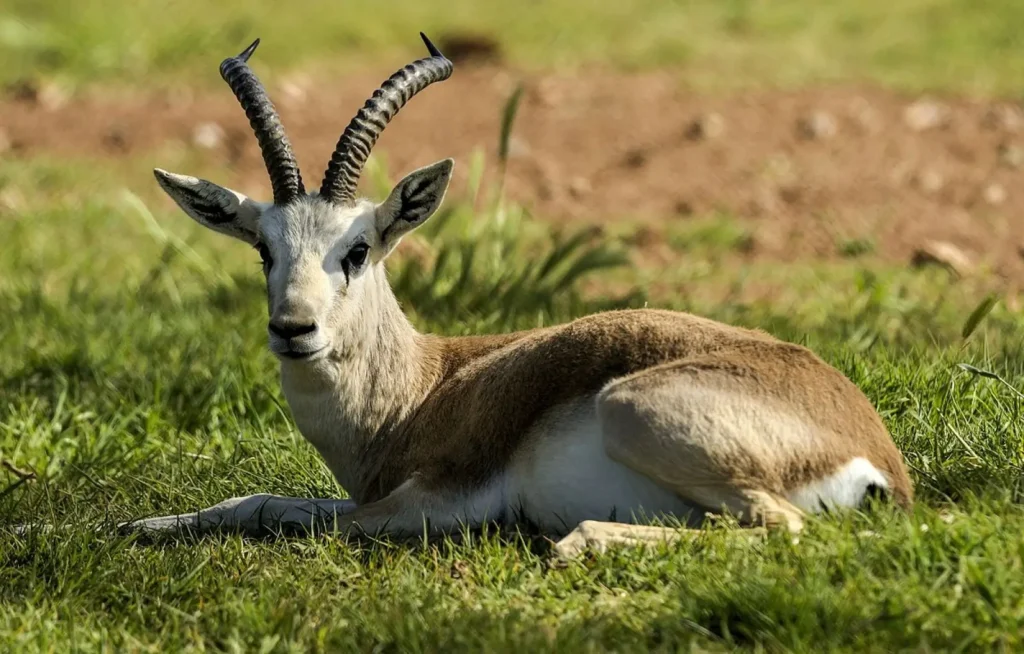
Despite USAID Funding Cuts, Kyrgyzstan Plans to Reintroduce Goitered Gazelle at Issyk-Kul

Kyrgyzstan has launched an ambitious project to restore the population and natural habitat of the goitered gazelle on the southern shore of Lake Issyk-Kul, a region once home to these graceful creatures. Led by the Argali Public Fund, Ilbirs Fund, and the Gulistan farm, the reintroduction effort marks a significant step toward reversing the species' decline and restoring balance to the local ecosystem. Reviving a Lost Species The goitered gazelle, an elegant herbivore from the bovid family, was once abundant in the Issyk-Kul region. However, its population collapsed after the 1930s due to widespread poaching and the conversion of natural landscapes for agricultural and economic development. Today, the species is listed in Kyrgyzstan's Red Book of endangered species, making their conservation an urgent priority. Found across Central Asia — from Kazakhstan and Uzbekistan to Iran and beyond — the gazelle is integral to maintaining the balance of steppe and desert ecosystems. On the southern shore of Issyk-Kul, conditions remain favorable for the return of the goitered gazelle. However, decades of human activity and habitat loss have driven them away, leaving reintroduction as the most viable path to restoration. The project employs a “soft release” approach, starting with a semi-free adaptation phase. Animals are first acclimatized and allowed to breed in a controlled environment before being released back into the wild. This method reduces the risks associated with sudden release and ensures a higher survival rate. The Project in Action Currently, the Gulistan farm houses a herd of 43 gazelles. By the end of the year, the number is expected to grow to 60, with the first batch of 25 animals scheduled for release in 2025. Organizers aim to release an additional 15-20 gazelles annually, slowly building a self-sustaining wild population. If conservation measures, particularly anti-poaching efforts, prove successful, the gazelle population in Issyk-Kul could reach 500 within the next decade. Gazelles play an essential role in their environments, feeding on thorny and toxic plants that other species avoid. This behavior helps control invasive vegetation and supports the overall health of the ecosystem. Their presence also benefits predators such as wolves and snow leopards, creating a natural chain of biodiversity. Broader Impact on Biodiversity and Ecotourism The reintroduction of the goitered gazelle represents more than just species preservation; it is a step toward restoring the ecological integrity of the Issyk-Kul landscape. A thriving population of gazelles can boost biodiversity by fostering healthier, more balanced ecosystems. Their grazing patterns promote plant regeneration, which in turn supports a variety of other species, from insects to birds of prey. Furthermore, the project has significant potential to bolster Kyrgyzstan's ecotourism sector. Issyk-Kul is already a popular destination for outdoor enthusiasts, and the presence of rare and protected wildlife like the goitered gazelle could attract even more visitors. Eco-friendly tourism initiatives could offer guided safaris to observe the gazelles in their natural habitat, providing educational opportunities while generating revenue for local communities. President Japarov has underscored the importance of halting illegal hunting, urging communities to see...
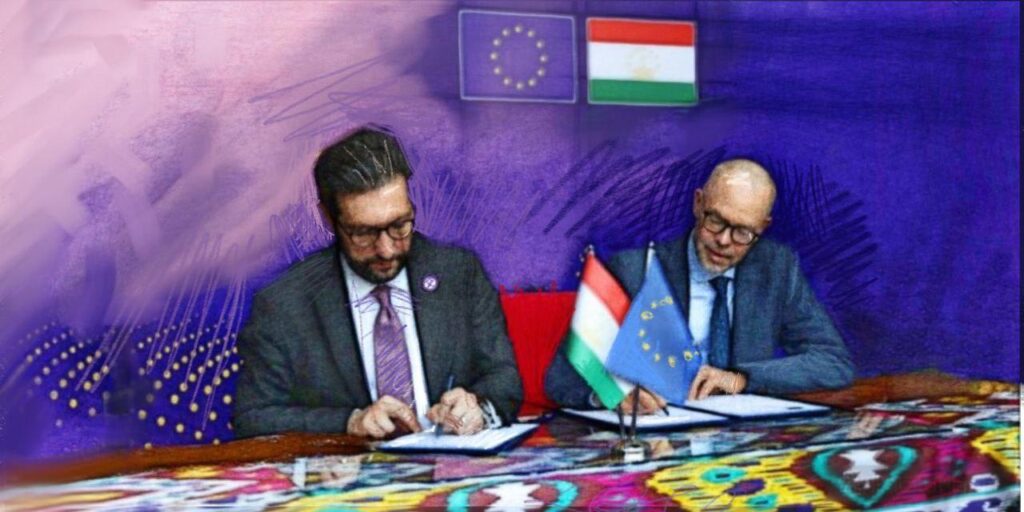

EU Pledges Steady Support for Tajikistan Ahead of Historic Central Asia Summit

The European Union will maintain its current level of assistance to Tajikistan despite the recent suspension of U.S. funding through USAID, EU Ambassador to Tajikistan Raimundas Karoblis has confirmed. He emphasized that European and American aid programs operate independently and that EU support will remain unaffected. “Aid from the EU will continue and will not be reduced,” Karoblis stated. He added that the EU's assistance framework for Tajikistan is already set through 2027 and cannot be revised before then. Discussions about increased support may take place after that period.   EU and Central Asia: Toward a Historic Summit On March 27, Ashgabat will host the 20th meeting of foreign ministers from the European Union and Central Asia. The key objective of this gathering is to prepare for the first-ever EU-Central Asia Summit, scheduled for April 3-4 in Samarkand. The summit will bring together the President of the European Council, the head of the European Commission, and the leaders of all five Central Asian states. According to the EU Delegation in Tajikistan, the summit will mark a new milestone in EU-Central Asia relations, reflecting the EU’s deepening political engagement with the region. Financial Assistance and Strategic Priorities Between 2021 and 2027, the EU has committed more than €550 million in aid to Central Asia, with €142 million allocated to Tajikistan. The focus areas include building an inclusive green economy, investing in human capital, and ensuring sustainable management of natural resources. Under its Global Gateway initiative, the EU is working to develop smart and sustainable connectivity across transport, digital infrastructure, energy, and education. A key initiative is the Trans-Caspian Transport Corridor, to which the EU has allocated more than €88 million. Other efforts target enhanced digital and energy integration in the region. In the strategic domain of critical raw materials, the EU has earmarked €16 million to support local value chains and promote sustainable investments. Additionally, through the European Fund for Sustainable Development Plus (EFSD+), €30 million in guarantees have been allocated for renewable energy and raw material extraction projects. Security, Education, and Youth Engagement The EU plays an active role in regional security initiatives. Its BOMCA program supports border management and the fight against transnational crime, while the CADAP program focuses on drug use prevention. In Tajikistan specifically, the EU, in partnership with the OSCE, is implementing a project to strengthen the capacity of border guards along the Tajik-Afghan frontier. The EU also contributes to counter-terrorism efforts and collaborates with the government on related initiatives. Education and youth empowerment are additional EU priorities. From 2013 to 2027, €95 million has been directed toward reforming Tajikistan’s education sector. The Erasmus+ program received €73 million for 2021-2027, enabling students from Central Asia to study at European universities. Youth employment is also being addressed through the €10 million DARYA program, and the recently launched €4.5 million Regional Civil Society Fund (as of September 2024) is aimed at strengthening civic engagement. Karoblis reaffirmed the EU’s long-term commitment to Tajikistan, noting that assistance will remain consistent,...

Kazakhstan Investigates Recipients of USAID Funding

Following the cancellation of USAID funding, the Kazakhstani government and parliament are scrutinizing the recipients of U.S. financial assistance. The issue has sparked significant public debate and online discussions. Deputies Demand Explanations On March 10, the U.S. administration announced the cancellation of 83% of USAID programs. Secretary of State Marco Rubio stated: “After a six-week review, we are officially canceling 83% of USAID programs. The 5,200 contracts now canceled spent tens of billions of dollars in ways that did not serve (and in some cases even harmed) the core national interests of the United States.” Earlier, on March 5, deputies from the People's Party of Kazakhstan (PPK) formally requested that the Minister of National Economy and the Minister of Justice conduct an audit of foreign funding for non-governmental organizations (NGOs). Lawmakers called for transparency regarding project financing, allocated amounts, and fund usage. According to the deputies, some USAID-funded programs contradicted traditional Kazakhstani values, particularly those related to LGBT rights and feminist movements. Reports indicate that members of the parliamentary majority faction, Amanat, also supported the request. Government Investigation Underway The government's position remained unclear until March 12, when Respublika newspaper reported that Deputy Prime Minister and Minister of National Economy Serik Jumangarin had responded to the Mazhilis on behalf of the Cabinet of Ministers. Respublika is associated with Mukhtar Ablyazov, a fugitive oligarch sentenced in absentia to a lengthy prison term in Kazakhstan. According to the report, 28 long-term USAID programs were active in Kazakhstan under bilateral agreements in 2024. In total, USAID allocated $26.5 million for projects implemented in the country between 2023 and 2024. These initiatives covered sectors such as the economy, energy, healthcare, civil society, and media. Some projects extended beyond Kazakhstan, impacting other Central Asian nations. Among the NGOs operating under USAID programs in 2024-2025 were: Public Foundation "Desenta" NGO "Kadyr-Kasiyet" Representative Office of Eurasia Foundation in Kazakhstan Representative Office of Winrock International Representative Office of Internews Network Representative Office of the American Bar Association Additionally, several government agencies collaborated with USAID. Jumangarin noted that, under Kazakhstani law, recipients of foreign funding must publish annual reports on how the funds are used. He assured deputies that the verification of USAID-funded projects would continue under a working group established by the Ministry of Foreign Affairs, led by Murat Nurtleu. Funding Details Emerge Further details surfaced on March 14, with reports indicating that USAID had canceled contracts in Central Asia, including Kazakhstan and Kyrgyzstan. Two contracts in Kazakhstan were reportedly worth $2.35 million and $3.35 million. These funds were designated for the projects “Strengthening Civic Participation in Kazakhstan” and “Strengthening Human Rights and Equality.” The latter aimed to support LGBT organizations in Kazakhstan and Kyrgyzstan in advocating for human rights. This information was cited from an official USAID document. Additional media reports revealed a list of USAID grantees in 2024, including: ArtKoshe PF The YouTube channel "Hyperborey" Oksana Gabitova (Akulova) Vlast Media Group LLP DEPPA podcast Täuelhsız project Tasadagy Omir project Aftertutor IP, an online magazine focused on...

USAID Pullback in Kazakhstan Creates Space for China and Raises Security Concerns – Expert

President Trump’s executive order restricting the United States Agency for International Development (USAID) globally has led to a reduction in Western-funded projects in Kazakhstan. USAID previously funded initiatives in humanitarian aid, media, blogging, and non-governmental organizations (NGOs). As a result of the new U.S. administration's actions, experts suggest that China is expanding its influence. Gulmira Ileuova, head of the Strategy Foundation and a member of the advisory public organization, the National Kurultai, told TCA that the Kazakh government had already taken measures to limit foreign financial influence. "Kazakhstan was among the first post-Soviet countries to regulate foreign funding, requiring grant providers to be registered. Most of these organizations, including Soros-Kazakhstan and the Rosa Luxemburg Foundation, operate within legal frameworks," she stated. Ileuova noted that German political foundations maintain a presence in Kazakhstan, while French grant-making organizations are largely absent. Beyond civil society projects, USAID also funded state-involved initiatives in education, healthcare, and energy. According to Ileuova, the withdrawal of USAID could lead to a shortfall in funding for NGOs, though state-backed projects are unlikely to be significantly affected. China’s Expanding Role Ileuova believes that China’s influence in Kazakhstan is growing faster than Russia’s, as Beijing has moved beyond economic partnerships to broader engagement." Russia relies on language and media ties to sustain its influence, while China is actively reshaping its approach," she said. Ileuova highlighted China’s soft power initiatives, including the Community of a Common Destiny for Mankind, which promotes cooperation and mutual development among nations. She also pointed to growing cultural and educational exchanges, suggesting that China’s approach mirrors past Western strategies of funding local partnerships and academic institutions. While China does not emphasize democracy or human rights in its outreach, its economic initiatives prioritize infrastructure development and poverty alleviation, often accompanied by media campaigns highlighting the benefits of Chinese investment. In recent years, Kazakhstan and China have strengthened cultural and educational ties. In August 2024, Kazakh President Kassym-Jomart Tokayev and Chinese President Xi Jinping inaugurated Chinese cultural centers in Astana and Beijing via video link. The Beijing Language and Culture University also opened a branch in Astana, marking the first Chinese university in Central Asia.  Additionally, in February 2025, China’s Consul General in Almaty, Jiang Wei, attended the opening of the Belt and Road scientific and educational center in Almaty.  Religious Extremism and Security Considerations Ileuova also stated that the withdrawal of USAID and Western funds is unlikely to directly impact radical religious groups, as Western organizations primarily engage with urban, educated populations rather than communities at risk of radicalization. In a recent interview, Kazakhstan’s Ambassador to Russia, Dauren Abayev, said that there is no immediate security risk from the return of Kazakh nationals who fought in Syria. According to official estimates, more than 30 Kazakhs remain in militant groups in Syria. From 2019 to 2021, the government carried out the Zhusan humanitarian operation, repatriating 600 individuals, including 413 children. Most male returnees were prosecuted and sentenced in Kazakhstan. Kazakhstan continues to monitor and prosecute individuals linked to...

Proposed Kazakh Foreign Agents Law Sparks Heated Debate

The potential adoption of a law on foreign agents has sparked heated discussions and even serious conflicts in Kazakhstan. However, some experts believe that labeling foreign agents will help the country's citizens understand whose interests certain sections of the media and bloggers are serving. Discussions about the possible adoption of a foreign agents law in Kazakhstan have been ongoing for several years. The sharp reduction in USAID activities worldwide, including in Kazakhstan, has given new momentum to the debate. A directive from U.S. President Donald Trump to shut down the United States Agency for International Development (USAID) brought shocking details to light. It was confirmed that over the years, USAID had spent millions of dollars funding various projects in Kazakhstan. Some of these projects, including those involving the Kazakh government, were related to energy, modernization, healthcare, and other progressive fields. However, a significant portion of the funds went toward media resources that promoted a specific point of view in Kazakhstan, often leading to conflicts, as extensively reported by The Times of Central Asia (TCA) in a series of articles. Following Trump’s directive, Mazhilis (Parliament) Deputy Magerram Magerramov accused USAID of lobbying for the LGBT community. According to him, Elon Musk and Trump had called USAID a criminal organization. The deputy claimed that foreign-funded non-governmental organizations (NGOs) were promoting an alien and harmful perspective in Kazakhstan. Sources indicate that the shutdown of USAID’s activities has already led to the closure or suspension of certain media outlets in Kazakhstan and Central Asia. For example, on February 17, Mediazona Central Asia announced it was temporarily ceasing operations. The issue of foreign funding for media and bloggers has caused an intense reaction in Kazakhstan’s information space. Amid the USAID shuttering, Mazhilis deputy from the People's Party of Kazakhstan, Irina Smirnova, proposed amending the legislation on foreign financing. Her proposal served to escalate tensions. On February 12, Smirnova submitted a parliamentary inquiry to Prime Minister Olzhas Bektenov. According to Smirnova, around 200 NGOs in Kazakhstan receive foreign funding, with 70% financed through various U.S. sources. Official government data shows that the country has 165 different grant donors, including 53 international organizations, 31 foreign government organizations, and 81 foreign and Kazakh NGOs. "Even experts find it difficult to distinguish between friendly resources and those that require caution to avoid falling under the influence of destructive 'soft' power," Smirnova stated, representing this a challenge for Kazakh society. According to Smirnova, many countries counter such challenges by adopting foreign agent laws. For example, Israel has had such a law since 2016, China since 2017, Australia since 2018, the UK since 2023, and France since 2024. One of the original models for such laws is the U.S. Foreign Agents Registration Act, enacted in 1938 to counter Nazi propaganda. Smirnova suggested that Kazakhstan should develop national legislation on foreign agents similar to Western countries so that citizens can evaluate and compare information while understanding its source. Her statement triggered a massive backlash, however, with the most extreme reaction coming from Arman Shuraev, a former...

Tajikistan’s Health Ministry Seeks Alternative to USAID Assistance in Combating Deadly Diseases

Tajikistan’s Ministry of Health is exploring alternative funding sources following the suspension of USAID programs. The recent freeze on U.S. foreign aid has affected several health initiatives in Tajikistan, particularly those focused on combating HIV/AIDS, tuberculosis, and malaria. At a press conference, Health Minister Jamoliddin Abdullozoda stated that authorities are seeking new mechanisms to sustain these programs. “USAID has played a key role in the fight against HIV, tuberculosis, malaria, as well as in maternal and child health. Until the agency’s future involvement is clarified, we intend to mobilize other resources,” Abdullozoda said. One of Tajikistan’s main partners remains the Global Fund to Fight AIDS, Tuberculosis, and Malaria, which continues to finance drug supplies and testing. The Health Ministry confirmed its commitment to strengthening cooperation with the Fund and engaging additional international organizations. Tajikistan's Republican Center for AIDS Prevention and Control clarified that USAID did not provide antiretroviral therapy (ARV) drugs or testing kits. Instead, the agency’s primary role was offering psychological and social support to HIV patients, mainly through nongovernmental organizations. According to official data, 12,480 people living with HIV are currently registered in Tajikistan’s healthcare system, including 1,022 children. In 2023, 293 new cases were detected among labor migrants. However, the overall number of registered HIV cases declined by 98 compared to previous years. Regarding tuberculosis, Tajikistan recorded 4,545 new cases in 2023 and 4,537 in 2024. The health minister attributed the slight increase to improved diagnostic capabilities. The country now has 77 tuberculosis diagnostic machines, 84 BAG laboratories, and 40 specialized devices for detecting infections.
