Kyrgyzstan Moves to Tighten Vehicle Emissions Rules as Air Pollution Worsens
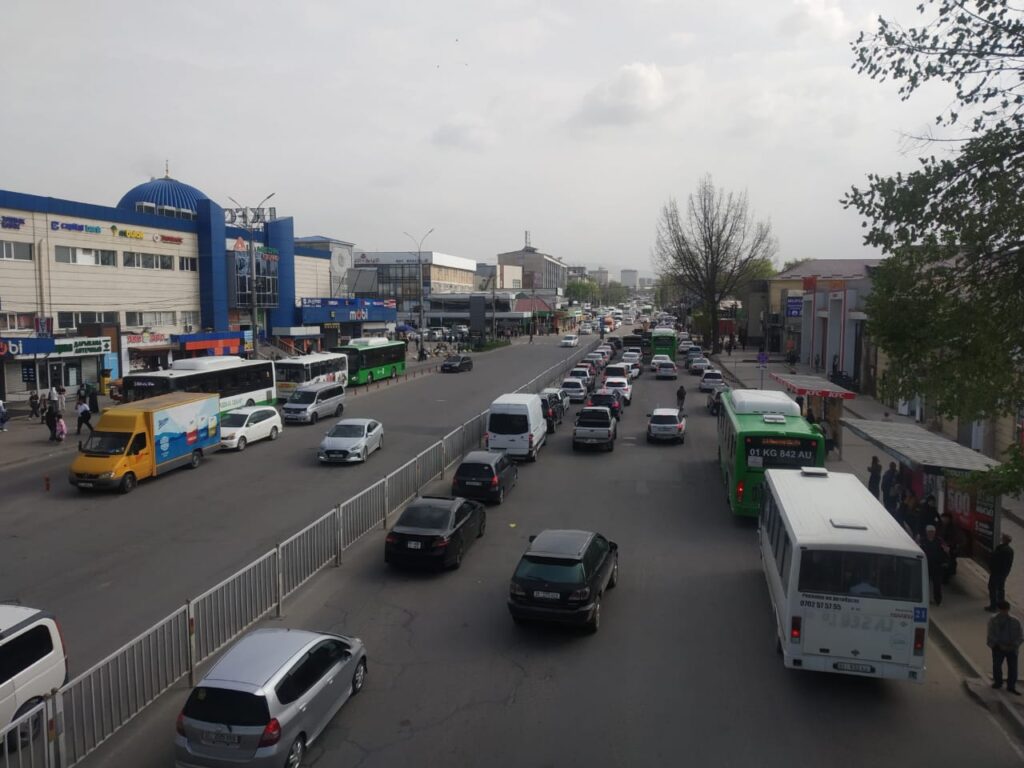
Kyrgyzstan is preparing to tighten environmental regulations on motor vehicles as part of a broader effort to combat rising air pollution in its major cities. A draft bill currently under public discussion proposes mandatory requirements for the presence and proper functioning of catalytic converters in vehicles originally manufactured with them. The initiative targets one of the most persistent sources of urban air pollution: an aging vehicle fleet in which catalytic converters are frequently removed. The absence of these devices significantly increases toxic emissions and fuel consumption, with direct consequences for public health. Under the proposed amendments, vehicles that do not meet environmental standards could be prohibited from operating. Driving a vehicle without a functioning catalytic converter would result in fines of approximately $114 for private individuals and about $400 for legal entities. According to the bill’s explanatory note, the measures aim primarily to reduce pollution in urban centers such as Bishkek and Osh. Lawmakers emphasize that the widespread removal of catalytic converters contributes to both higher emissions and increased fuel use. Data from the Ministry of Natural Resources, Ecology, and Technical Supervision show that motor vehicles, particularly older models lacking emissions control systems, account for roughly 30% of air pollution in Bishkek. Vehicle numbers in the capital have surged in recent years. Bishkek now has more than 600,000 registered vehicles, nearly double the estimated road infrastructure capacity of 350,000. Over 300,000 of these vehicles are more than 15 years old, making them a major contributor to harmful emissions. Air quality in the city of more than one million residents remains a persistent concern, especially in winter, when coal-burning for residential heating, responsible for an estimated 40% of pollution, intensifies. Seasonal spikes frequently push Bishkek into the global rankings of the most polluted cities. The draft legislation could also pave the way for a regulated system to dispose of non-functioning catalytic converters, which contain valuable materials such as platinum group metals, rhodium, and cerium. The presence of these metals has fueled a gray market, with online advertisements and repair shops offering to remove converters for resale. Lawmakers argue that formal regulation would help curb theft and establish a legal recycling sector. In September 2025, the Cabinet of Ministers imposed a six-month ban on the export of catalytic converters and other waste containing precious metals, in an effort to limit illegal outflows and stabilize domestic oversight. The bill’s authors describe catalytic converter enforcement as a concrete step toward meeting Kyrgyzstan’s commitments under the Paris Agreement and reducing transport-sector greenhouse gas emissions. However, the effectiveness of the new rules will depend on enforcement capacity. With a significant portion of the current fleet already non-compliant, and the average vehicle age remaining high, implementation may face resistance unless supported by effective inspection systems and realistic compliance pathways. Kyrgyzstan’s proposed emissions crackdown signals a shift toward more enforceable environmental policy. If properly implemented, the measures could meaningfully reduce air pollution and curtail illicit trade in precious metals. Their success, however, will hinge on the state’s ability...