• KGS/USD = 0.01144 0%
  • KZT/USD = 0.00212 0%
  • TJS/USD = 0.10841 -0.46%
  • UZS/USD = 0.00008 0%
  • TMT/USD = 0.28490 0%
  • KGS/USD = 0.01144 0%
  • KZT/USD = 0.00212 0%
  • TJS/USD = 0.10841 -0.46%
  • UZS/USD = 0.00008 0%
  • TMT/USD = 0.28490 0%
  • KGS/USD = 0.01144 0%
  • KZT/USD = 0.00212 0%
  • TJS/USD = 0.10841 -0.46%
  • UZS/USD = 0.00008 0%
  • TMT/USD = 0.28490 0%
  • KGS/USD = 0.01144 0%
  • KZT/USD = 0.00212 0%
  • TJS/USD = 0.10841 -0.46%
  • UZS/USD = 0.00008 0%
  • TMT/USD = 0.28490 0%
  • KGS/USD = 0.01144 0%
  • KZT/USD = 0.00212 0%
  • TJS/USD = 0.10841 -0.46%
  • UZS/USD = 0.00008 0%
  • TMT/USD = 0.28490 0%
  • KGS/USD = 0.01144 0%
  • KZT/USD = 0.00212 0%
  • TJS/USD = 0.10841 -0.46%
  • UZS/USD = 0.00008 0%
  • TMT/USD = 0.28490 0%
  • KGS/USD = 0.01144 0%
  • KZT/USD = 0.00212 0%
  • TJS/USD = 0.10841 -0.46%
  • UZS/USD = 0.00008 0%
  • TMT/USD = 0.28490 0%
  • KGS/USD = 0.01144 0%
  • KZT/USD = 0.00212 0%
  • TJS/USD = 0.10841 -0.46%
  • UZS/USD = 0.00008 0%
  • TMT/USD = 0.28490 0%

Viewing results 1 - 6 of 2

Uzbekistan’s Universities Climb Sustainability Rankings as Afghan Training Program Expands

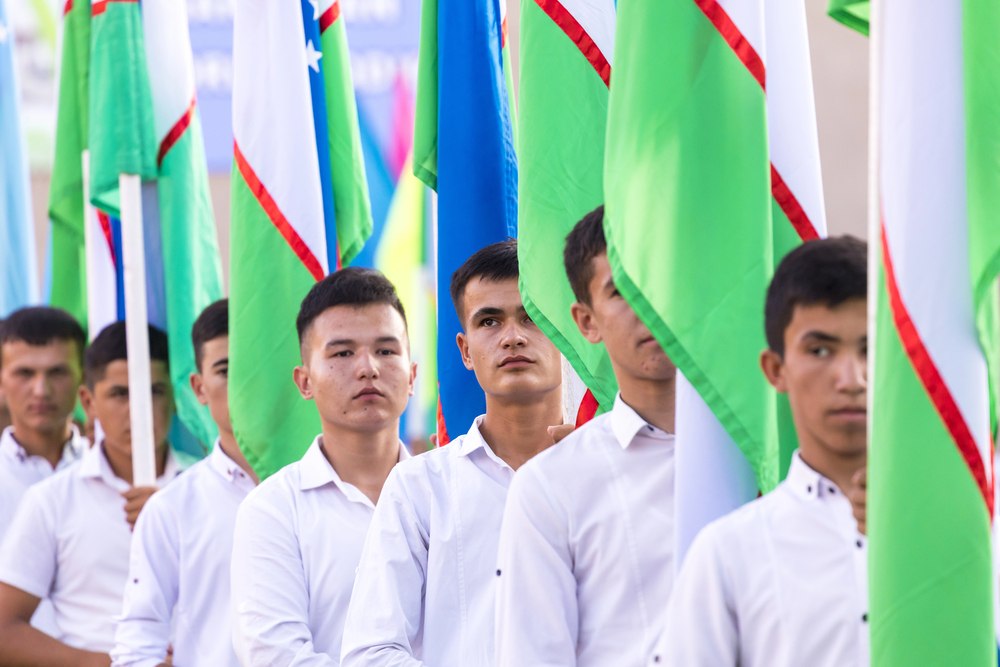
Fifty higher education institutions from Uzbekistan have been included in the Times Higher Education (THE) Sustainability Impact Ratings 2026, marking another year of strong international recognition for the country’s universities. The results were announced on June 24 during the Global Sustainable Development Congress in Jakarta, Indonesia, while separate education initiatives in southern Uzbekistan are also extending training opportunities to hundreds of Afghan citizens. The THE Sustainability Impact Ratings assess how universities contribute to the United Nations Sustainable Development Goals (SDGs), evaluating performance across education, research, governance, social responsibility, environmental sustainability, and international cooperation. According to the ranking results, 24 Uzbek universities placed among the world’s top 1,000 institutions, reflecting the country’s growing emphasis on integrating sustainable development principles into higher education. Two universities recorded Uzbekistan’s highest overall positions, both ranking in the 101-200 band: Tashkent State University of Uzbek Language and Literature and Tashkent State University of Economics. They were followed by the National University of Uzbekistan and the National Research University “TIIAME” in the 201-300 group. Uzbekistan's universities also achieved notable results in individual Sustainable Development Goals. Alisher Navoi Tashkent State University of Uzbek Language and Literature ranked eighth in the world for Gender Equality, while Tashkent State Technical University placed fifth globally for Affordable and Clean Energy. Fergana Polytechnic Institute ranked sixth in the same category, and two medical universities from Samarkand and Tashkent secured places among the world’s top institutions for Good Health and Well-being. The country’s presence in the rankings has expanded significantly in recent years. Uzbekistan was represented by 12 universities in 2021, rising to 30 in 2022, 47 in 2023, 53 in 2024, 59 in 2025, and 50 institutions in the 2026 edition. At the same time, Uzbekistan is continuing to position itself as a regional education hub. UzA reported that more than 600 Afghan citizens have completed free technical and vocational training courses at the Educational Center for Afghan Citizens in Termez District, Surkhandarya Region. The training formed part of the $2 million European Union-funded project, implemented in partnership with the United Nations Development Programme, aimed at expanding educational opportunities and supporting the socio-economic integration of Afghan citizens. In addition to vocational training, the project covered tuition fees and scholarships for 136 Afghan students enrolled in higher education institutions. Thirty graduates with the strongest business proposals were awarded $2,000 vouchers to launch small businesses, while 39 participants received grants of up to $4,000 to purchase equipment and expand production or service-based enterprises. The project also upgraded the training center with new computer equipment, servers, a conference hall, a co-working space, and a 29-seat bus.

China’s Luban Workshops in Kazakhstan: Skills-Building or Strategic Leverage?

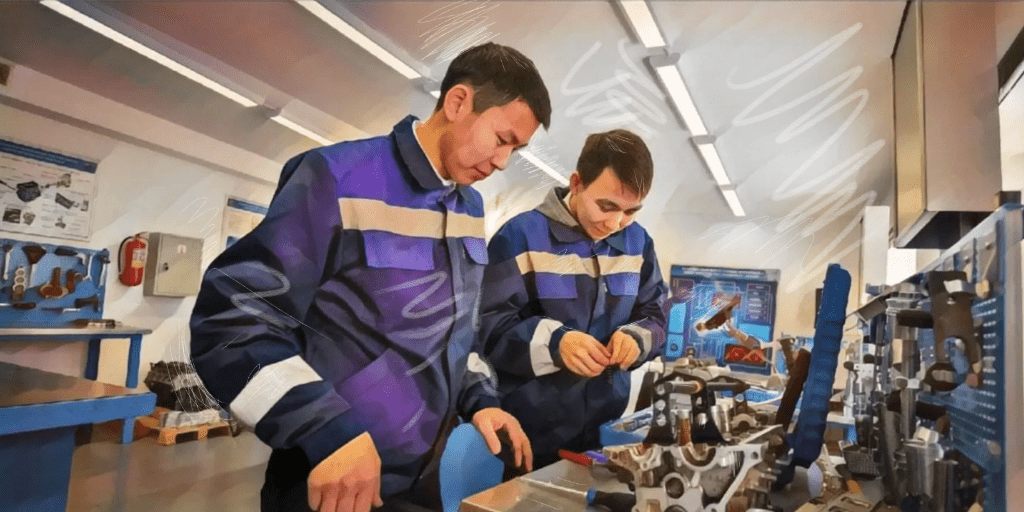
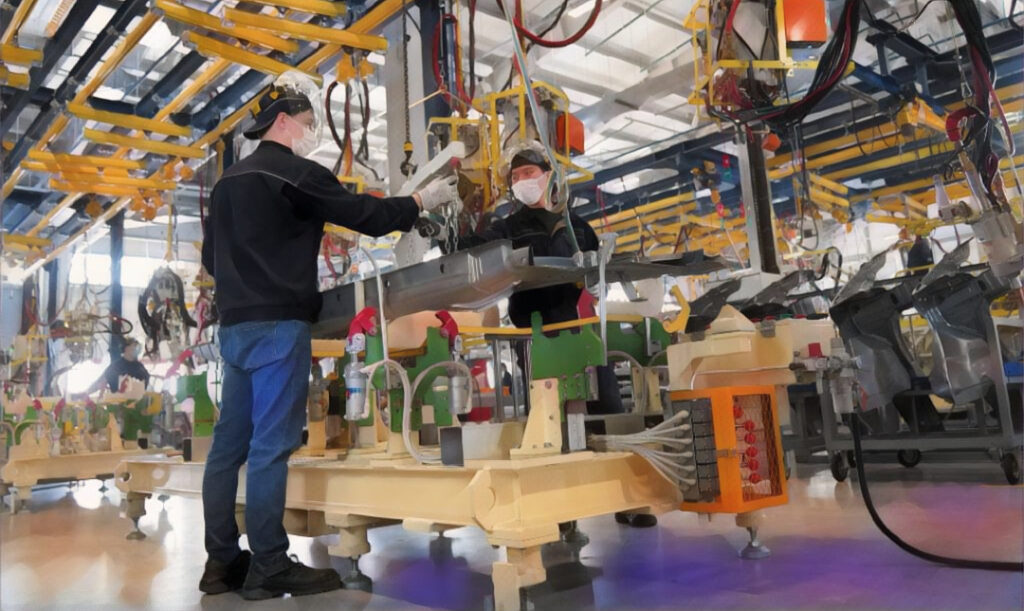
At the recent Shanghai Cooperation Organization summit in Tianjin, China inaugurated two new vocational centers in Kazakhstan under the Luban Workshop initiative. The move highlights the growing emphasis on technical education and skills development across the region. Kazakhstan’s first Luban Workshop was launched in 2023 at Serikbayev East Kazakhstan Technical University, creating a platform to advance engineering and technical training. The program has since expanded with a second workshop at the Gumilyov Eurasian National University in Astana and a third at the Academy of Logistics and Transport in Almaty. This China-led program aims to share China’s educational expertise and technical resources with partner countries, with a particular focus on cultivating a new generation of skilled workers in developing economies. The workshops are not only a vehicle for workforce training but also a symbol of the Belt and Road Initiative’s people-to-people exchange dimension. By encouraging social and educational connections, China is seeking to complement government-to-government cooperation with deeper societal ties. The choice of Tianjin for the ceremony is not a coincidence. The Luban Workshop concept originated in this city and has been actively promoted by the Tianjin municipal government. Equally notable is Kazakhstan’s central role in the program’s expansion. The Kazakh government has expressed consistent support for Chinese-led educational partnerships, underlining the importance of vocational training to its national development agenda. During his visit to a Luban Workshop in Kazakhstan in February 2024, President Kassym-Jomart Tokayev praised the initiative, saying, “I am deeply appreciative of the contributions made by Chinese universities. They have executed exemplary work. I hope to see more workshops like this in Kazakhstan.” The expansion of China’s Luban Workshop initiative offers distinct benefits for both China and Kazakhstan. For China, the workshops help shift perceptions of its educational initiatives. Unlike the Confucius Institutes, which focus on cultural and language promotion, the Luban Workshops emphasize practical, in-demand skills in fields such as manufacturing and technology. This approach allows China to project a more pragmatic and development-oriented image, fostering goodwill in a way that is less vulnerable to geopolitical criticism. A second key benefit lies in the realm of soft power. By delivering tangible skills and opportunities, Luban Workshops can positively influence public attitudes toward China in Central Asia. In Kazakhstan, such initiatives not only support technical education but also help frame Chinese investments as beneficial for local communities. Over time, this contributes to strengthening government-to-government ties and broader people-to-people connections, enhancing China’s long-term influence in the region. For Kazakhstan, the Luban Workshops provide benefits by helping to build a pool of technically skilled human capital. This directly supports the country’s industrial goals and broader economic development agenda. A more qualified workforce also enables local citizens to participate more actively in Chinese-backed projects in Kazakhstan, thereby boosting local employment. One of the recurring criticisms of China’s overseas investment projects has been the limited transfer of knowledge and skills. In many cases, local workers are confined to low-skilled, manual roles, while Chinese nationals occupy managerial and technical positions. The Luban Workshops...