• KGS/USD = 0.01144 0%
  • KZT/USD = 0.00209 0%
  • TJS/USD = 0.10429 0.1%
  • UZS/USD = 0.00008 0%
  • TMT/USD = 0.28530 0%
  • KGS/USD = 0.01144 0%
  • KZT/USD = 0.00209 0%
  • TJS/USD = 0.10429 0.1%
  • UZS/USD = 0.00008 0%
  • TMT/USD = 0.28530 0%
  • KGS/USD = 0.01144 0%
  • KZT/USD = 0.00209 0%
  • TJS/USD = 0.10429 0.1%
  • UZS/USD = 0.00008 0%
  • TMT/USD = 0.28530 0%
  • KGS/USD = 0.01144 0%
  • KZT/USD = 0.00209 0%
  • TJS/USD = 0.10429 0.1%
  • UZS/USD = 0.00008 0%
  • TMT/USD = 0.28530 0%
  • KGS/USD = 0.01144 0%
  • KZT/USD = 0.00209 0%
  • TJS/USD = 0.10429 0.1%
  • UZS/USD = 0.00008 0%
  • TMT/USD = 0.28530 0%
  • KGS/USD = 0.01144 0%
  • KZT/USD = 0.00209 0%
  • TJS/USD = 0.10429 0.1%
  • UZS/USD = 0.00008 0%
  • TMT/USD = 0.28530 0%
  • KGS/USD = 0.01144 0%
  • KZT/USD = 0.00209 0%
  • TJS/USD = 0.10429 0.1%
  • UZS/USD = 0.00008 0%
  • TMT/USD = 0.28530 0%
  • KGS/USD = 0.01144 0%
  • KZT/USD = 0.00209 0%
  • TJS/USD = 0.10429 0.1%
  • UZS/USD = 0.00008 0%
  • TMT/USD = 0.28530 0%

Viewing results 1 - 6 of 78

Kazakhstan Establishes Coordination Council of Partners for Water Sector Development

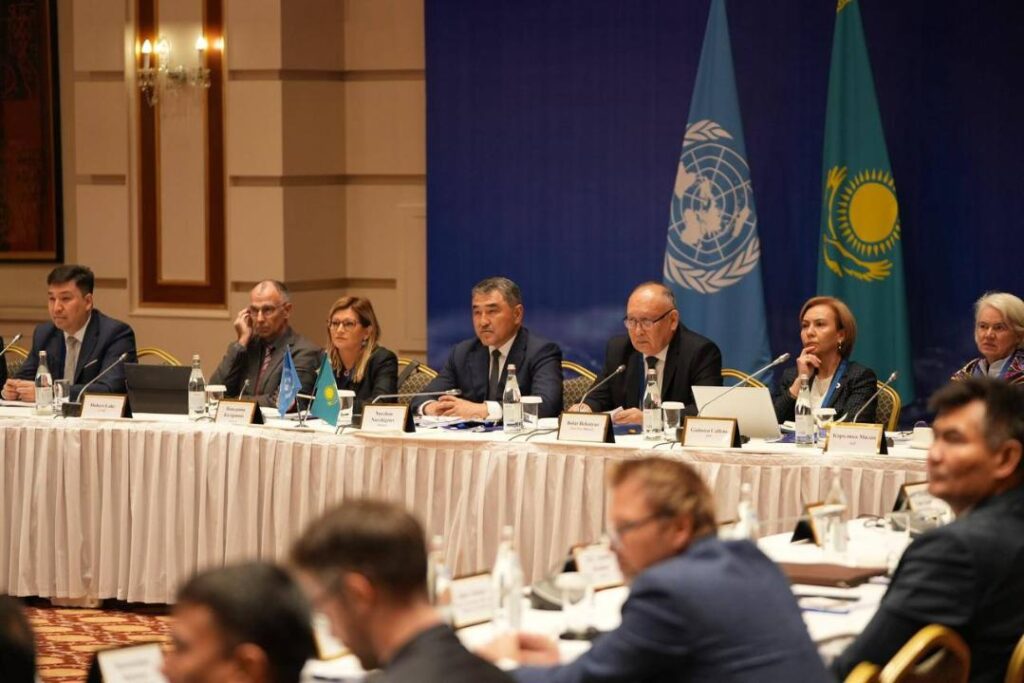
Kazakhstan has established a Coordination Council of Partners for the Development of the Water Sector. It includes the Kazakh Ministry of Water Resources and Irrigation representatives, the United Nations Development Programme (UNDP), and other international organizations and financial institutions. According to the ministry, the Coordination Council will coordinate the actions of government agencies, UNDP, international financial organizations, and donor communities according to national priorities in the water sector. The Council will mobilize and effectively distribute financial and technical resources to achieve the goals. The Council will support developing and implementing strategic documents, such as the Water Code, the Concept for the Development of the Water Resources Management System, and the Comprehensive Water Sector Development Plan, as well as strengthening the legislative framework and institutional mechanisms for sustainable water management. By implementing best international practices and innovative solutions in water resources management, the Council will organize the exchange of knowledge and experience, increase the capacity of specialists, and inform citizens about sustainable water resources management principles. Another key task for the Council is strengthening regional cooperation in water resources management and increasing resilience to climate change and natural disasters such as droughts and floods. Minister of Water Resources and Irrigation Nurzhan Nurzhigitov commented: “The establishment of the Coordination Council is an important step for the water sector in Kazakhstan. By coordinating the efforts of the Ministry, international organizations, and donor communities, the Council will play an important role in promoting the country's long-term environmental stability and economic development. The Coordination Council will help mobilize resources, strengthen governance, expand regional cooperation, and promote sustainable water resource management practices. These collective efforts will address growing climate challenges and ensure a stable future for Kazakhstan and Central Asia.” On September 30, the Coordination Council held its first meeting in Astana. The meeting discussed partnerships in managing Kazakhstan's water resources and presented a Water Partnership Initiative for 2024-2030, a joint proposal between the Ministry of Water Resources and Irrigation and UNDP. The document outlines specific activities, such as developing an information system for water resources, the modernization of water infrastructure to respond to climate challenges, implementing modern irrigation systems, and transboundary water cooperation. Katarzyna Wawiernia, UNDP Resident Representative in Kazakhstan, stated at the meeting: "Given the complexity of the water agenda, it is clear that no single government or organization can tackle these issues alone. Therefore, addressing these challenges requires combining resources, investments, technical expertise, and innovations. I hope that the Partnership Initiative proposed today by UNDP and the Ministry of Water Resources and Irrigation will be an important catalyst in this process." For decades, Kazakhstan has faced a host of water-related challenges, such as the shrinking Aral Sea, largely caused by decreasing water flows in transboundary rivers, devastating spring floods, and irrigation water shortages in the country’s southern regions.
Kazakhstan and Uzbekistan Agree To Establish Stations for Syr Darya Water Measurement

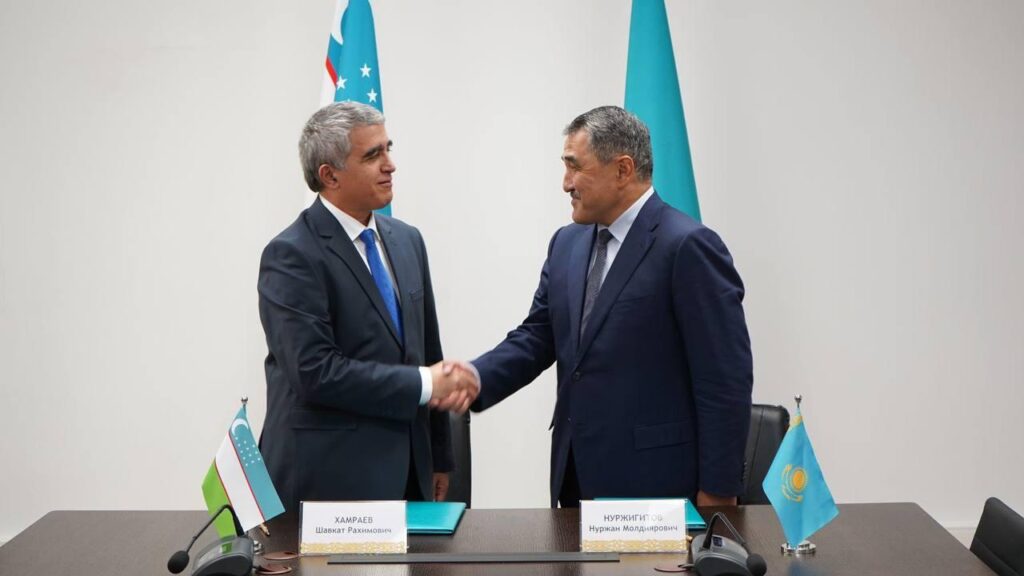
The press service of the Ministry of Water Management and Irrigation of Kazakhstan reports that Kazakhstan and Uzbekistan have agreed to install ten automated measuring stations in Syr Darya to accurately measure water resources. Shavkat Hamroyev, the Minister of Water Management of Uzbekistan, met with Nurzhan Nurzhigitov, his counterpart in Kazakhstan, with the two reportedly discussed automating measuring stations and digitizing water accounting in Syr Darya. Nurzhigitov emphasized that negotiations with international financial organizations and companies are in progress for the joint implementation of the project. The ministers also discussed the modes of operation of the Norin-Syr Darya cascade reservoirs for next year’s pre-irrigation season. “Many thanks to our colleagues from Uzbekistan for their active participation in the International Fund for Saving the Aral Sea (IFSA) meeting and the proposals voiced," Nurzhigitov stated. "Over the year, we have become convinced that our joint work produces positive results, so we intend to continue close bilateral cooperation. We have common views on many issues. This allows us to resolve most of the existing issues on a mutually beneficial basis.” In return, Hamroyev expressed Uzbekistan’s desire to strengthen cooperation within the IFSA. “Uzbekistan fully supports Kazakhstan’s chairmanship of the International Fund... We want to strengthen cooperation in this direction and work on joint projects. For example, preserving the ecosystems of the Syr Darya and Amu Darya basins, providing residents with quality drinking water, restoring small and local water bodies.” In addition, the parties discussed developing a regional strategy for the use of water resources. In May of this year, Hamroyev told a parliamentary hearing that watersheds from the Amu Darya and Syr Darya rivers are forecasted as being favorable this year.

Ecological Limit: Five Year Countdown to Water Scarcity in Central Asia

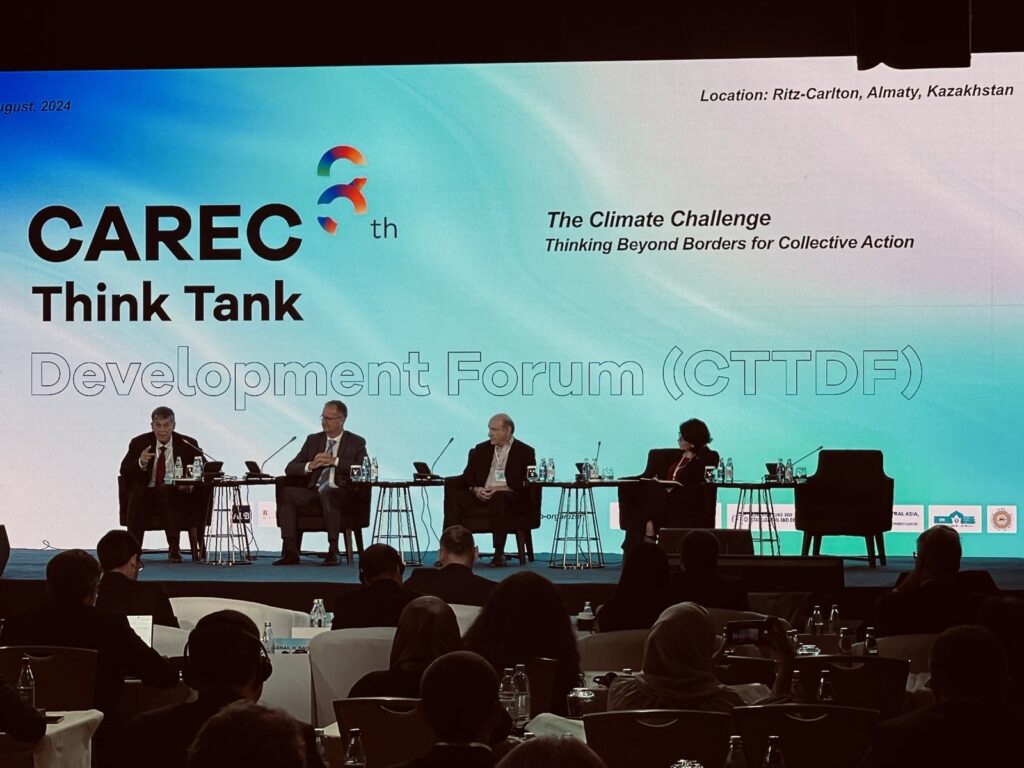
Combating climate change requires collective action by all or a sufficient majority of the world's players supporting global initiatives. Otherwise, it may soon be too late to take any action. To address the issue, the Eurasian Development Bank, the CAREC Think Tank, and the Asian Development Bank organized a two-day forum entitled “The Climate Challenge: Thinking Beyond Borders for Collective Action,” in Almaty, Kazakhstan. Focusing on means of achieving genuine regional cooperation on Asian climate action, the eighth CAREC Think Tank Development Forum was attended by policymakers, experts, and opinion leaders from more than 30 countries. The extensive two-day dialog, consisting of eight sessions, opened with a discussion on the effectiveness of current global initiatives related to climate change: the Paris Agreement, the Global Environment Facility, and the Green Climate Fund. Attention then turned to deepening cooperation among as many stakeholders as possible through multilateral platforms such as the UN Framework Convention on Climate Change. Asia's role in the global fight against climate change, and the difficult balancing act between economic growth and decarbonization efforts were discussed at length. Simply put, the rapid growth of the Asian economy is inevitably accompanied by an increasing consumption of energy, the generation of which leads to increased emissions and pollution. Climate damage due to human impact can be halted and even reversed. However, because this can only be achieved with technological intervention, it poses problems for developing economies unable to afford advanced technologies. Hence, establishing a framework and mechanisms for global technology transfer were key to discussions. Water and finance were also high on the agenda and the subject of a paper presented by Arman Ahunbaev, Head of the Center for Infrastructure and Industrial Research of the Eurasian Development Bank on “Ways to close the investment gap in the drinking water supply and wastewater sector in Central Asia." Ahunbaev reported that 10 million people, or 14% of the population in Central Asia, do not have access to safe drinking water and warned that without intervention, the situation would reach the point of no return in the coming years. To prevent this from happening, he stressed the urgent need for solutions to four problems. The first problem is a twofold increase in the volume of water intake for municipal and domestic needs, based on past figures which showed a growth from 4.2 cubic kilometers in 1994 to 8.6 cubic kilometers in 2020. The second problem is the severe deterioration of water supply infrastructure and treatment equipment, and the third, technological and commercial water losses in distribution networks. The fourth problem is related to the demographic boom and, consequently, the rapid urbanization of Central Asia's population. Cities are expanding and  their infrastructure needs to develop accordingly. According to experts, in 2023, urbanization in Central Asian countries will reach 49%, and by 2050, 61%. By 2030, the urban population will exceed that in rural areas. Ahunbaev noted the need for improvement in financing the water supply and sanitation sector in Central Asia since according to rough...

Tajikistan Sending Higher Volumes of Irrigation Water to Kazakhstan

Since June 1, Tajikistan has sent 488.6 million cubic meters of water to Kazakhstan via the transboundary Dostyk canal. This is 40 million cubic meters more than in the entirety of last year, and is already 45 million cubic meters more than the volume planned for this year, the Kazakh Ministry of Water Resources and Irrigation announced on August 27. During his state visit to Tajikistan on August 22, Kazakhstan's President Kassym-Jomart Tokayev emphasized the importance of cooperation with Tajikistan in the water sector and the rational use of resources of transboundary rivers of Central Asia. Kazakhstan’s agriculture, especially in the dry southern regions, depends on irrigation water supplies from upstream Tajikistan, Kyrgyzstan, and Uzbekistan. According to the Ministry of Water Resources, since April 1, Uzbekistan has sent over 4 billion cubic meters of water to Kazakhstan via the Syr Darya River. Kyrgyzstan has committed to supply Kazakhstan with 180 million cubic meters of water via the transboundary Shu River, and 380 million cubic meters via the Talas River.

Kazakhstan’s Kapchagay Reservoir Fills Up For First Time In A Decade

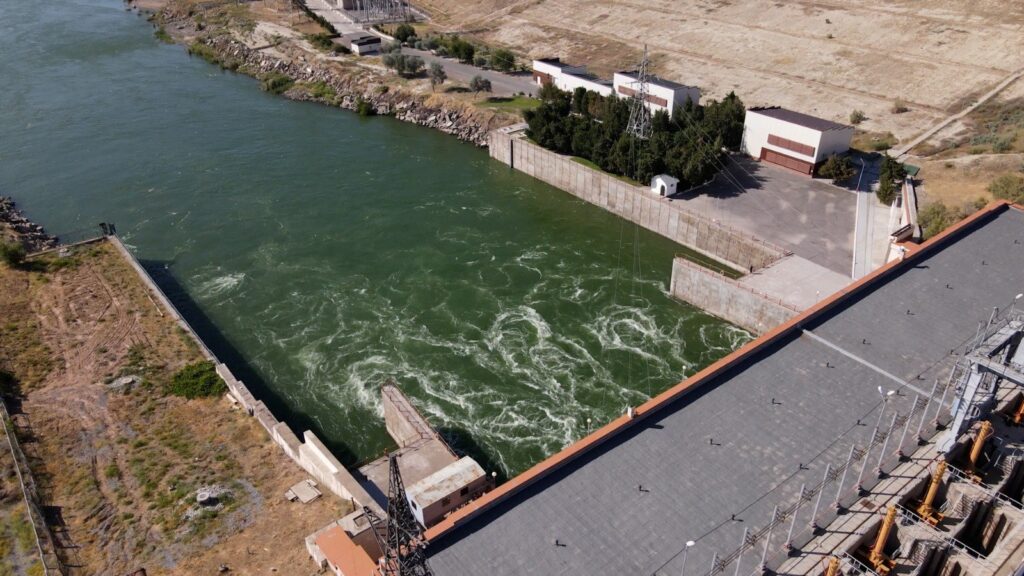
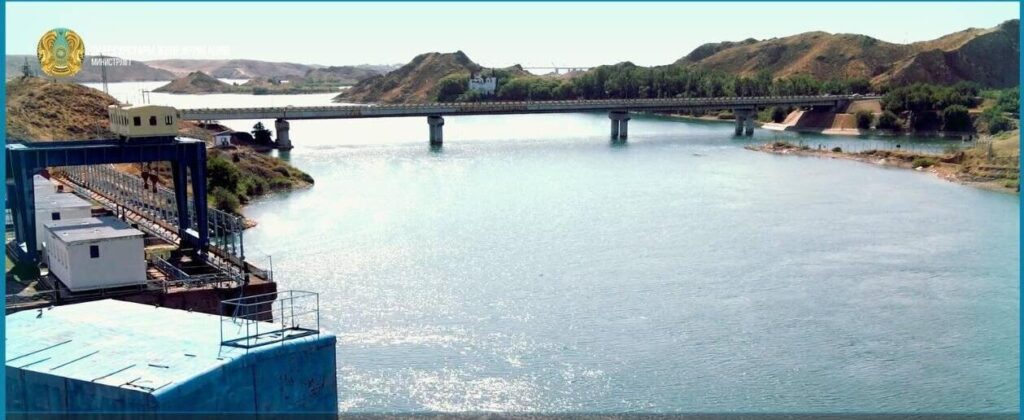
Kazakhstan’s Ministry of Water Resources and Irrigation announced on August 26 that the Kapchagay reservoir outside Almaty was completely full for the first time in ten years. Created in 1970 as an artificial lake, 100km long and up to 25km wide in places, the reservoir can hold more than 18 billion cubic meters of water. The reservoir collects water from the Ili River, which originates in China. This spring, the ministry said up to 900 cubic meters of water per second flowed into the reservoir, attributing the increased inflow to the melting of the Tien Shan mountain glaciers and higher than usual rainfall. The reservoir was initially meant to regulate the flow of the Ili River on its way to Kazakhstan’s largest lake, Balkhash. Today, it is used for irrigation, fish farming, and recreation. Located a one-hour drive from Almaty, its beaches are popular with holidaymakers. According to Medet Kerimzhanov, deputy head of the Balkhash-Alakol basin inspectorate, the last time the Kapchagay reservoir was 100% full was in 2014. Today, 750 cubic meters of water per second are released from the reservoir to irrigate fields. Kerimzhanov added that the irrigation season in the region will continue until the end of September. Earlier this month, the Ministry of Water Resources said it was drafting an intergovernmental agreement between Kazakhstan and China on distributing water from transboundary rivers — the Ertis, the Ili, and the Emel. To date, the parties have reached a consensus on several provisions of the future agreement, the ministry said.

Kazakhstan and Germany to Cooperate in Water and Agriculture

During a visit to Germany last week, Kazakhstan Deputy Prime Minister Kanat Bozumbayev met with the German Federal Ministry of Food and Agriculture to discuss the possibility of Kazakh agricultural and organic products entering the German market. The parties agreed to draft a concept for the Regional Center for Sustainable Agriculture in Central Asia, an initiative announced by the President of Kazakhstan during his official visit to Germany back in September 2023. Following Kazakh Deputy Prime Minister's meeting with Boris Greifeneder, Managing Director of the German Water Partnership (GWP), a decision was made to draft an Agreement on a Water Partnership between Kazakhstan and Germany. Cooperation  with GWP, a network of more than 300 companies in the water sector with a strong international focus, marks an essential step towards sustainable and efficient water management in Kazakhstan and will allow the use of proven new technologies. Speaking at the roundtable "Water for Sustainable Development," Bozumbayev noted that the consequences of the unprecedented floods experienced by Kazakhstan in spring, illustrate the need for innovative approaches to combat and prevent similar disasters in the future. To this end, he added that Kazakhstan is currently testing Talsim, a German digital flood forecasting solution, and is ready to study German cases in solving flood problems. The Kazakh Deputy Prime Minister discussed training specialists for Kazakhstan’s water management industry and in turn, the German side expressed its readiness to identify a university to collaborate with the newly- established Kazakh National University of Water Management and Irrigation in Taraz.