• KGS/USD = 0.01144 0%
  • KZT/USD = 0.00216 0%
  • TJS/USD = 0.10456 0%
  • UZS/USD = 0.00008 0%
  • TMT/USD = 0.28571 0%
  • KGS/USD = 0.01144 0%
  • KZT/USD = 0.00216 0%
  • TJS/USD = 0.10456 0%
  • UZS/USD = 0.00008 0%
  • TMT/USD = 0.28571 0%
  • KGS/USD = 0.01144 0%
  • KZT/USD = 0.00216 0%
  • TJS/USD = 0.10456 0%
  • UZS/USD = 0.00008 0%
  • TMT/USD = 0.28571 0%
  • KGS/USD = 0.01144 0%
  • KZT/USD = 0.00216 0%
  • TJS/USD = 0.10456 0%
  • UZS/USD = 0.00008 0%
  • TMT/USD = 0.28571 0%
  • KGS/USD = 0.01144 0%
  • KZT/USD = 0.00216 0%
  • TJS/USD = 0.10456 0%
  • UZS/USD = 0.00008 0%
  • TMT/USD = 0.28571 0%
  • KGS/USD = 0.01144 0%
  • KZT/USD = 0.00216 0%
  • TJS/USD = 0.10456 0%
  • UZS/USD = 0.00008 0%
  • TMT/USD = 0.28571 0%
  • KGS/USD = 0.01144 0%
  • KZT/USD = 0.00216 0%
  • TJS/USD = 0.10456 0%
  • UZS/USD = 0.00008 0%
  • TMT/USD = 0.28571 0%
  • KGS/USD = 0.01144 0%
  • KZT/USD = 0.00216 0%
  • TJS/USD = 0.10456 0%
  • UZS/USD = 0.00008 0%
  • TMT/USD = 0.28571 0%

Viewing results 1339 - 1344 of 3223

Warren Buffett’s Companies Expand Investment in Uzbekistan

Uz500, a wealth advisory and private sector development organization focused on Uzbekistan, Eurasia, and the wider Global South, is to analyse direct foreign investments in Uzbekistan, starting with billionaire Warren Buffett. Since 1965, Buffett has transformed Berkshire Hathaway into a trillion-dollar company, primarily investing in American businesses. Currently, Berkshire owns stakes in eight non-US companies, including five major Japanese firms and China's BYD. Notably, half of these companies have expanded their presence in Uzbekistan, launching major energy, infrastructure, and manufacturing projects. Last month, the Sumitomo Corporation announced its agreement to acquire a 49% stake in several renewable energy assets in Uzbekistan from ACWA Power, a company listed in Saudi Arabia. Through this ACWA-Sumitomo partnership, they aim to develop 2.5 GW of renewable energy (solar and wind) and 968 MW of battery storage capacity in Uzbekistan, with a total investment of $4.2 billion. In August 2024, an international consortium of TAQA Water Solutions, Marubeni, and SUEZ signed a $1 billion joint development agreement with the Government of Uzbekistan to build the CIS region’s largest wastewater treatment facility in Tashkent. Meanwhile, Mitsubishi’s advanced power equipment is responsible for 90% of Uzbekistan’s large-scale gas-fired generation, including Navoi 1, 2, and 3 and the $2.5 billion Sirdarya 1 and 2 combined-cycle gas turbine (CCGT) power projects. The first EVs were produced at the BYD Uzbekistan JV plant in June 2024. While the world’s largest EV maker announced or started building its plants in Thailand, Brazil, Turkey, and Hungary, BYD Uzbekistan became BYD’s first operational overseas plant. Uz500 predicts that Japanese companies Itochu and Mitsui, part of Berkshire Hathaway’s portfolio, will follow their peers and invest in Uzbekistan, the region's fastest-growing economy. Their investments could include acquiring renewable energy or infrastructure assets from ACWA Power or Masdar or forming joint ventures to develop uranium and mineral resources. Mitsubishi, Sumitomo, and Marubeni are also expected to increase their investments through more projects and acquisitions. As a result, Berkshire’s indirect investment in Uzbekistan (already worth several hundred million dollars) is likely to grow significantly in the coming years.
Levies on Uzbek Drivers in Afghanistan Reduced

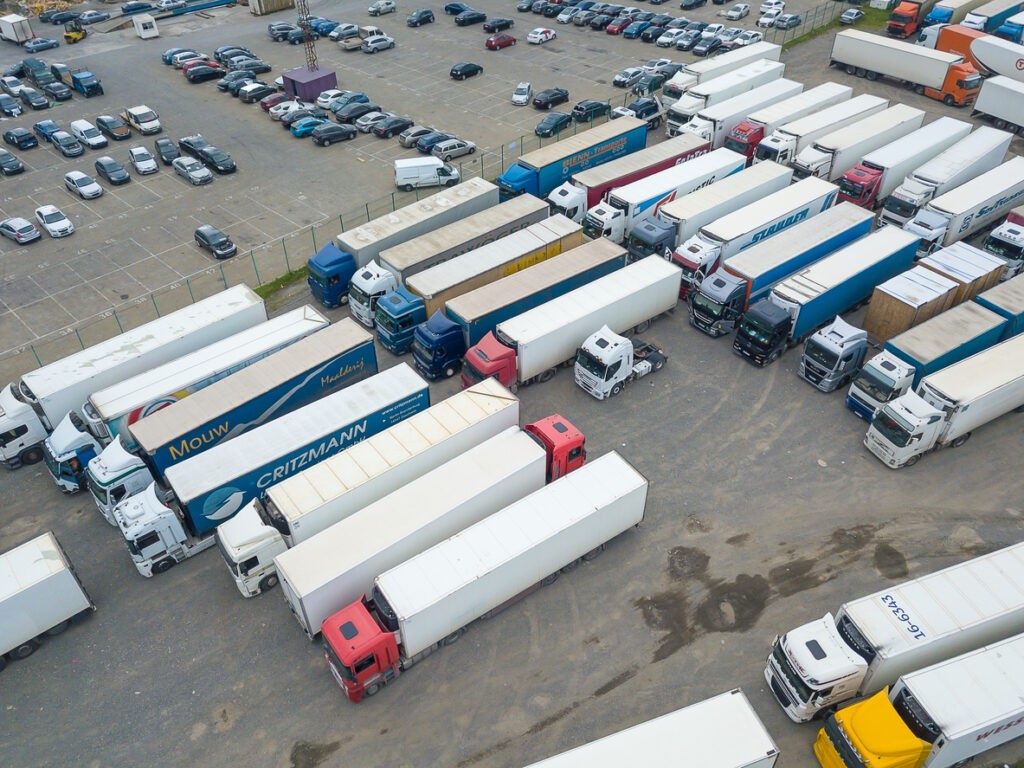
According to the Ministry of Transport in Uzbekistan, negotiations with Afghanistan have reduced the levies collected from Uzbek drivers in Afghanistan by 5,000 Afghanis (about $80). A levy of 12,000 Afghanis (about $180) was previously charged to cross the Amudarya bridge. Since September 28, this amount has been set at 7,000 Afghani (about $100). The fee for entering Afghanistan with a cargo vehicle, which was 5,000 Afghanis (about $75), has decreased to 3,500 Afghanis (about $55). According to the announcement, the Ministry of Transport continues to create favorable conditions for cargo transportation through the Trans-Afghan multimodal transport corridor, and to optimize the number of levies. This transport corridor accelerates and simplifies the increase and processing of transit cargo through Uzbekistan, Afghanistan, and Pakistan. In recent years, the volume of transit cargo through Afghanistan has increased by over 30%, reaching almost 1 million tons per year. Following a transit trade agreement between Uzbekistan and Pakistan in 2021, cargo volumes have increased significantly, and in 2022, cargo transportation between the two countries through Afghanistan increased 2.5-fold. This year, Uzbekistan plans to transport more than 1 million tons of cargo through Afghanistan to Pakistan.

Kazakhstan Plans to Equate Nuclear Energy With “Green” Energy

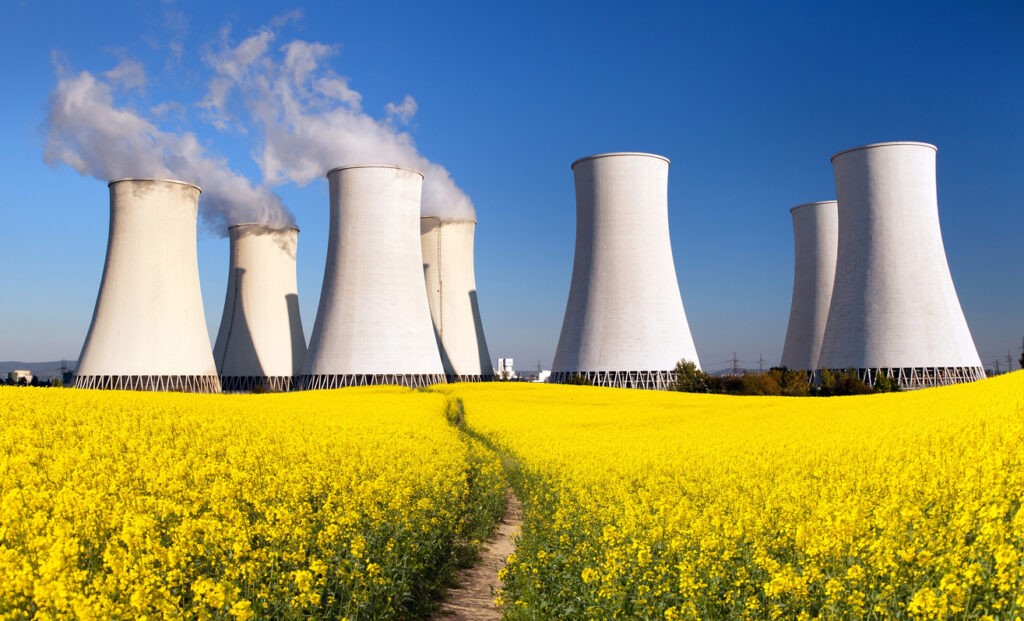
Kazakhstan plans to equate nuclear power with renewable energy sources (RES), such as solar and wind power, and extend to it the same benefits that already apply to them. The Energy Ministry has drafted a bill to incentivize alternative energy sources as part of the transition to a green economy, including the development of hydrogen energy. According to a document published on October 18 on the Open Regulatory Legal Acts portal, the discussion will last until November 11. One of the main problems identified in the draft is the need for legislative preferences for nuclear power despite its potential as an environmentally friendly source. In 2023, the share of RES in Kazakhstan was only about 6% of total electricity generation, emphasizing the need to develop alternative sources to reduce carbon emissions. Kazakhstan intends to follow the EU's example. In 2022, the EU recognized nuclear power as “green.” This recognition opens the way to receiving benefits and subsidies for future nuclear projects, including Kazakhstan's first atomic power plant. At the same time, the bill's authors noted that the analysis of international experience points to the constant clarification and supplementation of legislation considering current realities (technology development, market structure, global experience, and the current situation in the country). In particular, in Germany, the law on renewable (alternative) energy sources has undergone six amendments, including an increase in the targets for using alternative energy sources, adjustment of support measures taking into account the achieved level, and so on. Since 2000, various programs have been developed in Poland to supplement and clarify the different incentives for developing alternative energy sources.

Kazakhstan and Russia Increase Rail Cargo Transportation to and from China

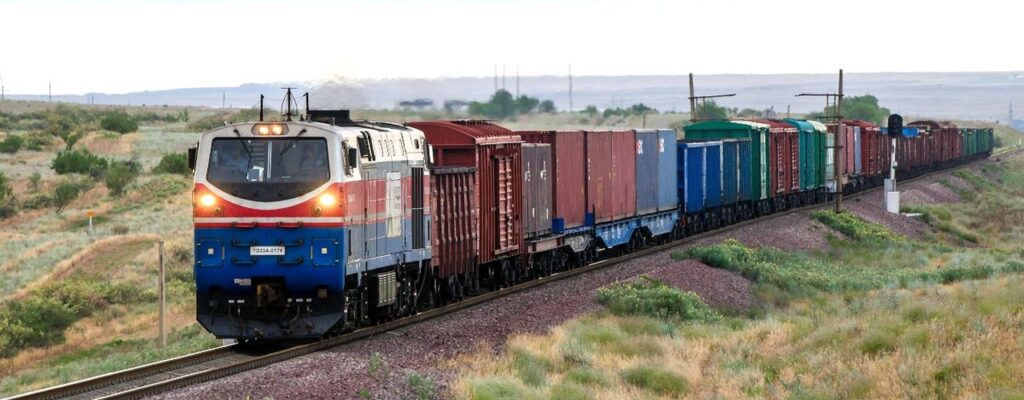
On October 18, Kazakhstan's Deputy Prime Minister Serik Zhumangarin, and Russia's Deputy Chairman of the Government Alexey Overchuk attended a meeting of the Intergovernmental Commission on Cooperation in Moscow, on Kazakhstan and Russia's transport and logistics sectors. As reported by the Kazakh government's press service, between January and September 2024, the volume of containers transported by rail from Russia to China through Kazakhstan, increased by 63% compared to the same period in 2023, while container transportation along the China-Europe-China route through Russia and Kazakhstan increased by 65%. During the meeting an agreement was made to further increase the flow of container trains on the China-Kazakhstan-Russia route by constructing the necessary transport infrastructure at the Selyatino rail station in the Moscow region. In April,  Kazakhstan’s national railway’s company Kazakhstan Temir Zholy (KTZ), Russia’s Slavtrans-Service JSC, and China’s Xian Free Trade Port Construction and Operation Co., Ltd began construction on a new transport and logistics center, CRK Terminal, at Selyatino, aimed at ensuring the efficient handling of cargo following the route Xi'an (China) - Dostyk/Altynkol (Kazakhstan) - Selyatino (Russia). The center is set to become an essential link in developing international transport corridors and increase the competitiveness of transportation through Kazakhstan. In 2023, the volume of cargo transported by rail between China and Russia through Kazakhstan amounted to 3.8 million tons, an increase of 35% compared to 2022. Kazakhstan also remains an important transit and transport link along the Trans-Caspian International Transport Route (TITR), which known as the Middle Corridor, connects China and Europe via Central Asia and the Caucasus.

OTS Countries Take Steps Towards Turkic Integration

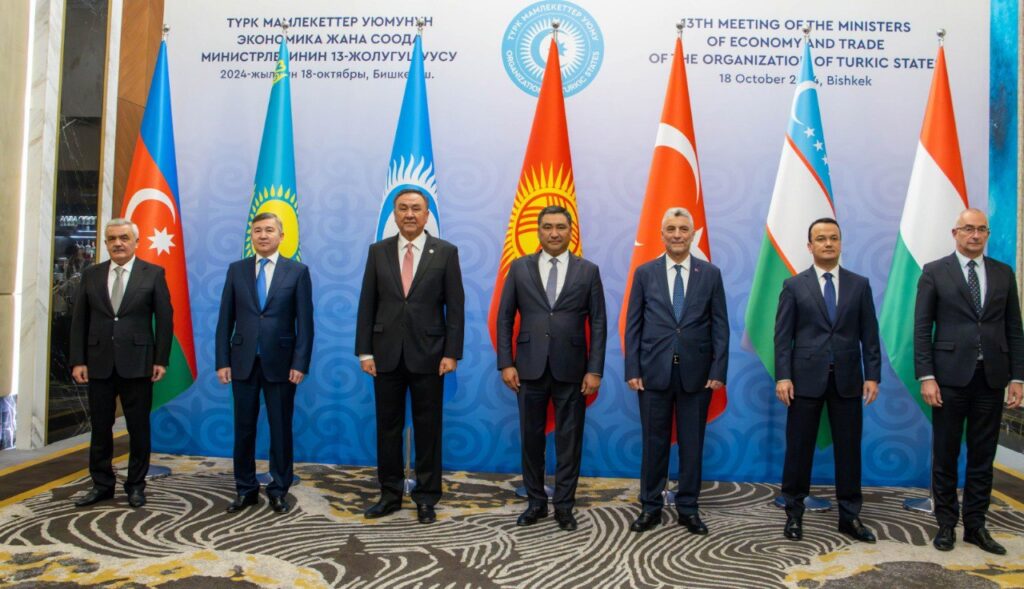
On October 18, Bishkek hosted the 13th meeting of the Organization of Turkic States (OTS), wherein Ministers of Economy and Trade aimed to strengthen economic cooperation between the OTS member states. The OTS, currently comprising Azerbaijan, Kazakhstan, Kyrgyzstan, Turkey, Uzbekistan, and Turkmenistan, with Hungary and the Turkish Republic of Northern Cyprus as observers, was founded in 2009 to foster comprehensive cooperation among Turkic-speaking nations. During the meeting, Chairman of the Cabinet of Ministers of Kyrgyzstan, Akylbek Japarov, stated that in recent years, Kyrgyzstan's trade turnover with the OTS member states has grown by almost 62%, with Kyrgyz exports increasing by 54.6%, and imports by 66%. The Deputy Prime Minister - Minister of National Economy of Kazakhstan, Nurlan Baibazarov, emphasized Kazakhstan’s adherence to the development of Turkic integration and announced that the "Turkic Investment Fund created within the OTS demonstrates a common desire to expand economic and investment cooperation, implement joint investment projects, and attract capital, technology, and talent for our countries' dynamic growth and prosperity." OTS ministers supported Kazakhstan's initiatives to create a Green Finance Council, a Council of Central (National) Banks of the OTS member states, and the inauguration of the Turan Special Economic Zone in the Kazakh city of Turkestan, where the next meeting will be held. In January-August 2024, trade between Kazakhstan and the OTS countries amounted to $7.2 billion, and according to the Turkish Ministry of Finance, by the end of 2024, the Turkic states are poised to play an important role in the world economy, reaching an economic volume of $1.9 trillion and a population of 178 million. As previously reported by The Times of Central Asia,  the Turkic Investment Fund, with an authorized capital of $1 billion, will begin financing major joint projects of the OTS member countries from January 2025.

Uzbekistan Rejects Military Alliances and Maintains Observer Role in EAEU

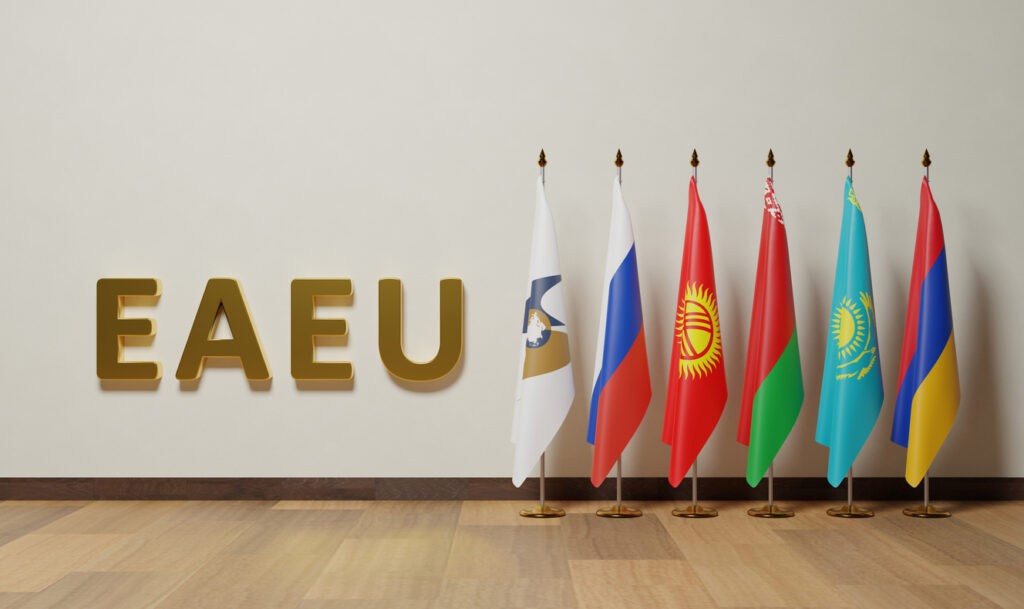
At the opening of the Week of International Partnership Initiatives in Tashkent, the first deputy speaker of the Legislative Chamber of the Oliy Majlis, Akmal Saidov, stated that Uzbekistan will not join any military formations and will remain an observer state in the Eurasian Economic Union (EAEU). Responding to a question on whether Uzbekistan would compromise its sovereignty to cooperate more closely with other countries, Saidov announced: “The first article of our constitution states that Uzbekistan is a sovereign state. If we are talking about joining any paramilitary defense structures and organizations, then no, we will not allow it. We will never send our men [overseas] on military missions, including peacekeeping missions. There will be no foreign military bases in our territory." Saidov also emphasized that Uzbekistan’s current status as an observer in the EAEU is the most appropriate for the country. As head of the parliamentary commission tasked with studying Uzbekistan’s potential accession to the EAEU, Saidov asserted that, after reviewing over a thousand documents, observer status better aligns with Uzbekistan’s interests. He further explained that Kazakhstan had gained minimal benefit from joining the EAEU and that the new Constitution strengthens and strictly follows the main principles of Uzbekistan’s foreign policy. Uzbekistan received observer status in the EAEU on December 11, 2020, during an online summit of the High Eurasian Economic Council, attended by President Shavkat Mirziyoyev.