• KGS/USD = 0.01144 0%
  • KZT/USD = 0.00216 0%
  • TJS/USD = 0.10456 0%
  • UZS/USD = 0.00008 0%
  • TMT/USD = 0.28490 0%
  • KGS/USD = 0.01144 0%
  • KZT/USD = 0.00216 0%
  • TJS/USD = 0.10456 0%
  • UZS/USD = 0.00008 0%
  • TMT/USD = 0.28490 0%
  • KGS/USD = 0.01144 0%
  • KZT/USD = 0.00216 0%
  • TJS/USD = 0.10456 0%
  • UZS/USD = 0.00008 0%
  • TMT/USD = 0.28490 0%
  • KGS/USD = 0.01144 0%
  • KZT/USD = 0.00216 0%
  • TJS/USD = 0.10456 0%
  • UZS/USD = 0.00008 0%
  • TMT/USD = 0.28490 0%
  • KGS/USD = 0.01144 0%
  • KZT/USD = 0.00216 0%
  • TJS/USD = 0.10456 0%
  • UZS/USD = 0.00008 0%
  • TMT/USD = 0.28490 0%
  • KGS/USD = 0.01144 0%
  • KZT/USD = 0.00216 0%
  • TJS/USD = 0.10456 0%
  • UZS/USD = 0.00008 0%
  • TMT/USD = 0.28490 0%
  • KGS/USD = 0.01144 0%
  • KZT/USD = 0.00216 0%
  • TJS/USD = 0.10456 0%
  • UZS/USD = 0.00008 0%
  • TMT/USD = 0.28490 0%
  • KGS/USD = 0.01144 0%
  • KZT/USD = 0.00216 0%
  • TJS/USD = 0.10456 0%
  • UZS/USD = 0.00008 0%
  • TMT/USD = 0.28490 0%

Viewing results 1345 - 1350 of 3223

Kyrgyz Economy Is on the Rise

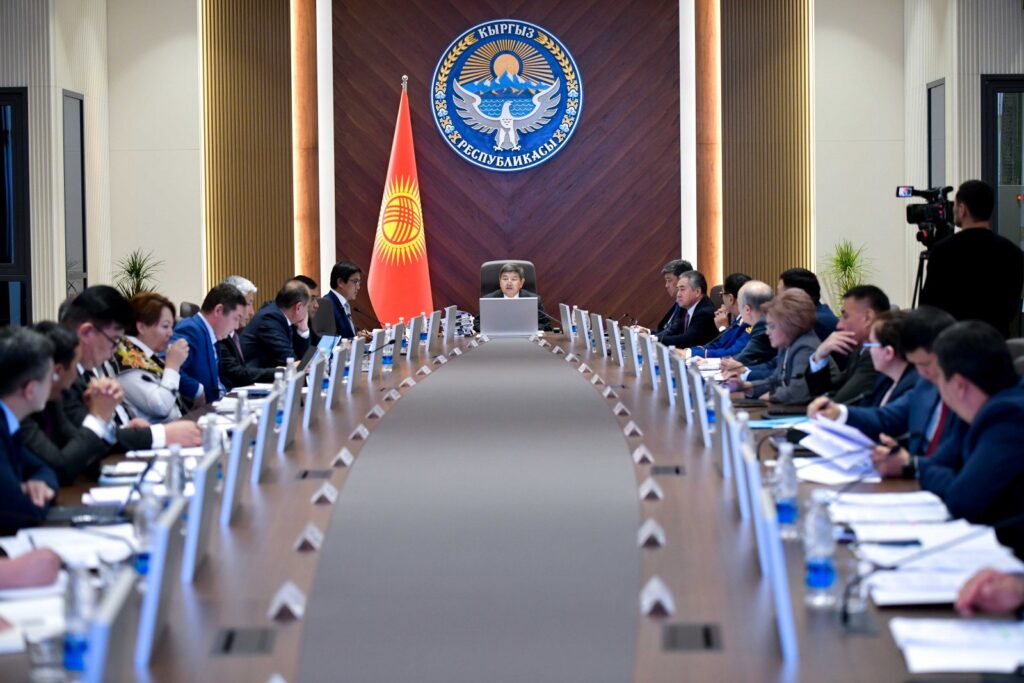
Government statistics and independent analysts note growth in almost all sectors of the Kyrgyz economy The most significant increase is recorded in the construction sector, which in turn, has positively impacted other sectors, such as industrial production, agriculture, and foreign trade. Speaking to The Times of Central Asia, macroeconomics expert Nasirdin Shamshiev remarked: “This year, due to favorable weather, twice as many beets, and one and a half times more barley and wheat were harvested. Due to the high rate of construction of small hydropower plants, the energy sector is also showing good growth. In addition, the production of construction materials has increased, and textile production is growing. Exports for the first eight months of 2024 increased by 13.5%, and imports by 8.1%." According to Shamshiev, the good economic dynamics were influenced by several factors: the strengthening of fiscal rules, fighting corruption and illegal financial flows, and a balanced monetary policy. Earlier, Kyrgyzstan' president Akylbek Japarov, held a meeting of the Cabinet of Ministers, during which the socio-economic development results for the first nine months of 2024 were summarized. According to Japarov, Kyrgyzstan's GDP grew by 8.4%. However, gold exports, traditionally the economy's leading revenue-generating sector, have declined  this year; a situation previously reported  by The Times of Central Asia with reference to a decline in production at  Kumtor, the country's largest gold mine. According to the Prime Minister's information, 37% of the growth in the construction sector provides an increase in industrial production in Kyrgyzstan. Data also shows that over the past year, following the launch of the Chinese oil refinery Junda near Bishkek, the production of refined petroleum products almost doubled. Hailing the success of recent ventures, Japarov stated: “The growth rate of our economy is nothing short of encouraging. We are now implementing the Leap of the Leopard program and approaching our set ambitious goals and objectives."
Navigating Afghan-Pakistani Conflict: Central Asia’s Mediating Role in Regional Stability

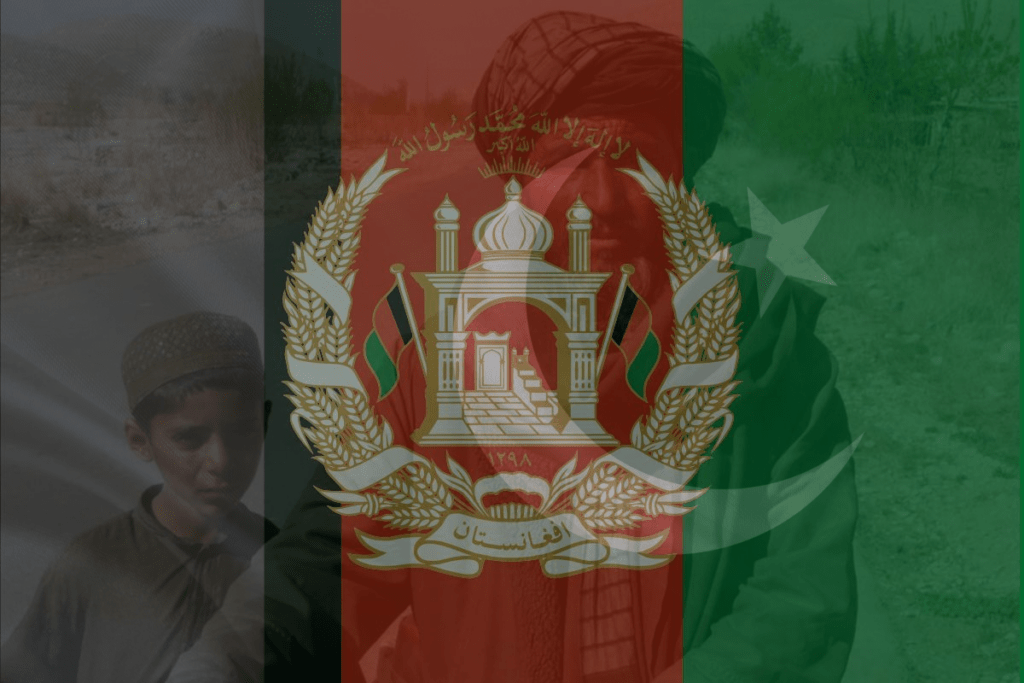
Recently, there has been a significant increase in tensions between Afghanistan and Pakistan, with both sides regularly exchanging accusations. In addition to this, border conflicts have become more frequent, with border crossings periodically closed. According to Modern Diplomacy, both countries are in a state of quite severe political conflict, and distrust and hostility from the Afghan population towards Pakistan is growing even though the "victory of the Taliban and the reincarnation of the Islamic Emirate... should have been a victory for Pakistan and strengthened its position in the region.” The confrontation between the two neighbors in South Asia is a source of concern for other countries in the region, especially for the Central Asian republics, which are increasingly acquiring the status of independent players in their dealings with Afghanistan. Due to their proximity, these republics to varying degrees link their development with a stable Afghanistan designed to become a bridge to South Asia. Negative dynamics in Afghan-Pakistani relations are a cause of much wringing of hands. Pakistan was among the first states to recognize the independence of the former Soviet Central Asian republics and has dynamic ties with them. Pakistan's trade turnover with the region is roughly $500 million annually, most of which comes from imports to Pakistan. The nations are linked by the Quadrilateral Traffic in Transit Agreement (QTTA), the Turkmenistan-Afghanistan-Pakistan-India (TAPI) gas pipeline project, the CASA-1000 energy project, and the Uzbekistan–Afghanistan–Pakistan Railway Project. The majority of these projects use Afghanistan as a bridge between Central Asia and Pakistan. In this regard, the countries of Central Asia are interested in a political situation which excludes confrontational approaches; none of them are interested in further destabilization in Afghanistan. In the Central Asian republics, there is a well-established understanding of Pakistan's exceptional and particularly important role in Afghanistan’s stability. Pakistan has a defining influence on security in Afghanistan and has historically been the most integrated in Afghan issues at the level of political and multi-ethnic conflicts. Pakistan is linked to its neighbor by historical and socio-cultural ties. In reality, however, a different story is emerging. At both a global and regional level, active measures out of Islamabad set to discredit the de facto Taliban-led government of Afghanistan have been observed. Islamabad has undertaken a robust information campaign, which has put forward an entrenched narrative about Afghanistan being one of the world’s major sources of terrorism. In this information war, Islamabad, being a fully-fledged member of the international community, has clear advantages and has used all available tools, including access to global platforms. Islamabad also has access to specialized committees and departments of the UN, which regularly prepare reports on the situation in Afghanistan. Unsurprisingly, it has used these to include ideas favorable its' position on the world stage. Acting as a source of information, Islamabad has presented its point of view, which the international community has largely accepted as objective information. However, it does not provide specific data, such as the size of terrorist groups or the location of their training camps....

Kyrgyzstan Removes Restrictions on Sale of Gold

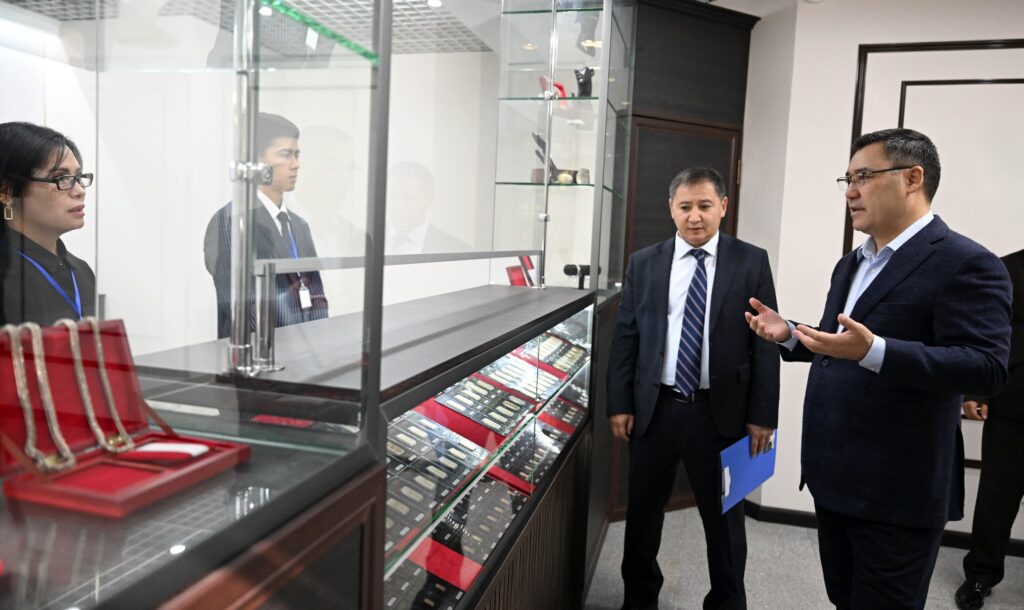
In early September, a state-owned store selling gold bars opened in Bishkek where gold can be bought without the presentation of a passport. Kyrgyzaltyn OJSC has already reported record sales, topping 50 million KGS ($585 thousand), and providing the store with a net income of 3 million KGS ($35 thousand). Changes in the law which previously allowed gold bars to only be bought in limited amounts through the National Bank of Kyrgyzstan, were instigated by President Sadyr Japarov of Kyrgyz, who explained: “The National Bank does not sell bullion without a passport. Businessmen and rich people approached me -  worried that if they started showing their documents - the whole of Kyrgyzstan would know about it, including robbers. Businessmen said they would have to stay in their houses and guard the gold,” Having lifted restrictions, Sadyr Japarov called on citizens to buy domestic gold, recommending it as a reliable and profitable investment. The Kyrgyzaltyn store sells gold bars weighing from 1 to 100 grams, each carrying an individual QR code confirming the gold's origin. Prices for the sale and repurchase of gold are set daily, based on London Bullion Exchange quotations. Kyrgyz economists believe that the growth of investment in gold indicates an increase in confidence in this asset. “In Kyrgyzstan, this trend is influenced by several factors. Global instability and fluctuations in currency markets make people look for more reliable assets. Declining yields on bank deposits are also pushing for alternatives. In addition, inflation expectations encourage people to convert their savings into gold,” economist Nurgul Akimova told The Times of Central Asia. Kyrgyzstan has about 380 gold deposits, the largest of which is Kumtor in Issyk-Kul Oblast. The republic's mining sector produced over 20 tons of gold in 2023.

Kuwaiti Companies Invited to Participate in Privatization of State-Owned Companies in Uzbekistan

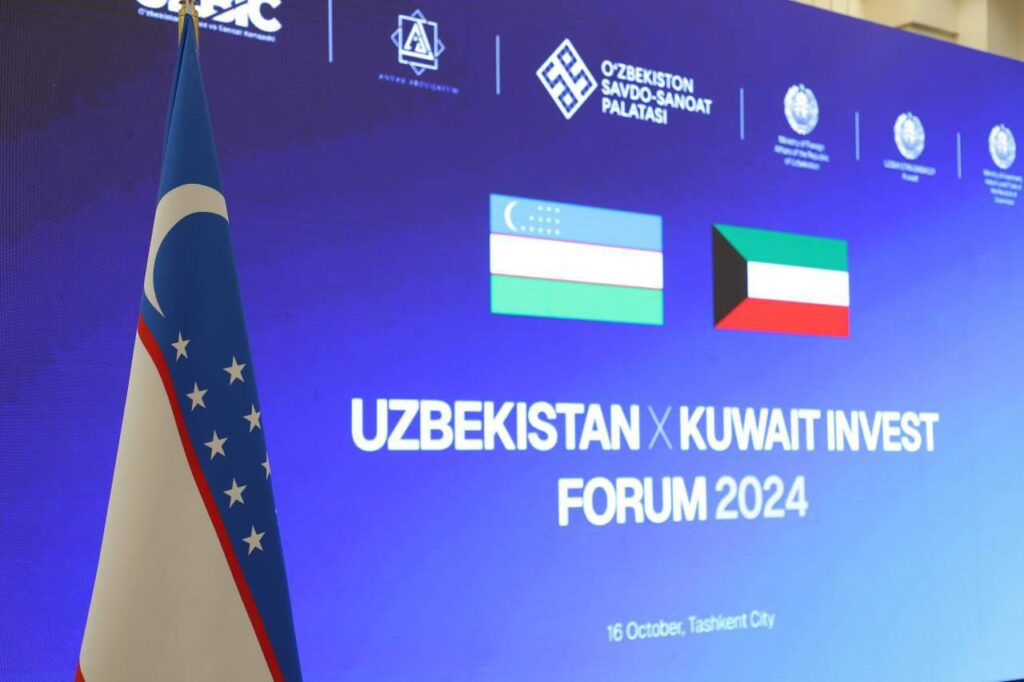
At a business forum dedicated to strengthening ties between Uzbekistan and Kuwait, in Tashkent on October 16, Deputy Minister of Investment, Industry, and Trade of Uzbekistan Akram Aliyev noted the importance of partnership with Kuwaiti businessmen, especially in healthcare, agriculture, and tourism. The forum focused on prospects for joint projects mining, energy, textile industry, and logistics. Proposals were also mooted for Kuwaiti investors to participate in the privatization program of over 1,000 state-owned companies in Uzbekistan and improve logistics infrastructure to turn Central Asia into an international trade hub. Over recent years, there have been several developments in cooperation between Uzbekistan and Kuwait. At an investment and trade forum hosted by Kuwait in August and attended by business and ministry representatives from both countries, Uzbek Foreign Minister Bakhtiyor Saidov encouraged Kuwaiti investors to explore prospects for partnership in agriculture, light industry, medical products, and renewable energy. The foreign ministers then met again, in New York in September 2024, to discuss further steps to strengthen bilateral cooperation, including the establishment of joint trade committees and new initiatives in logistics and infrastructure.

Decrease Expected in Central Asia’s Economic Growth

According to the World Bank, economic growth in Europe and Central Asia (ECA) is expected to slow to 3.3% this year, down from 3.5% in 2023. This is much lower than the average growth of 4.1% seen between 2000 and 2019, and is not enough for many of the region's middle-income countries to become high-income. Growth in the region has mainly been driven by an increase in people's spending, rising wages, and government policies, while demand from outside the area, especially from the EU, remains weak. Although the average yearly inflation rate had dropped to 3.6% by August 2024, from 4.6% at the end of last year, it is still higher than the 2.7% average seen in 2018-2019. Prices of goods have grown more slowly in most countries, but prices for services remain high because of rising labor costs. Some central banks have lowered interest rates as inflation has slowed, but are cautious. Government spending has not been reduced in most of the region's countries and indeed, has dramatically increased, especially on public wages, pensions, social benefits, and defense. The economies of Central Asia are expected to grow by 4.3% in 2024; slower than the 5.6% growth seen last year. In Kazakhstan, growth is predicted to slow to 3.4%, down from 5.1% in 2023, mainly because the expansion of the Tengiz oil field is taking longer, and the government is spending less. For other Central Asian countries, growth estimates have been raised by an average of nearly one percentage due to increased consumer spending, more government spending, and ongoing support from money sent home by workers in Russia and trade with Russia. However, despite these improvements, the growth per capita GDP (the average income per person) in Central Asia is only expected to be 2.7% this year, making it the slowest in the region, apart fromTurkey. The Central Asian sub region, with growth expected at 5%, will outpace all other sub regions in 2025. This is driven primarily by renewed strong growth in Kazakhstan amid rising oil production. However, growth in the rest of Central Asia is projected to slow as trading and remittance flows from Russia normalize. The lowest median consumer price growth rate was recorded in the South Caucasus, at 1.5% year-on-year in August 2024. In contrast, Central Asia had the highest median consumer price inflation rate, at 6.1%. This rate reflects 10% inflation in Uzbekistan, driven by removing energy subsidies in May 2024.

Chinese Investment in Major Trade and Logistics Center in Northern Kyrgyzstan

On October 17, the Chairman of the Cabinet of Ministers of Kyrgyzstan, Akylbek Japarov, and the Chinese Ambassador to Kyrgyzstan, Du Dewen, attended a capsule-laying ceremony for the construction of a large trade and logistics center in the village of Leninskoye in the country’s northern Chui region. Located just north of the capital, Bishkek, and a few kilometers from the border with Kazakhstan, the Manas Trade and Logistics City, will include a trading hub, an international exhibition center, a warehouse and logistics center with bonded areas, retail marketplaces, hotels, and residential compounds. The facility will be built in partnership between a Chinese investor and a management company in which the Kyrgyz Cabinet of Ministers will have a 49% share. In his address at the ceremony, the Cabinet’s head, Japarov, stated: "We are launching a major project—not just the construction of a trade and logistics center, but an entire town. It will have 30,000 retail outlets, -cover-700 hectares, and a total investment of $4.2 billion. $700 million will be invested in the first stage of construction. This center can be compared with the largest sea ports in terms of its importance and functions." Japarov added that the creation of the facility will significantly contribute to the expansion of regional and international trade, the creation of new jobs, and the improvement of conditions for product exports. China is now one of Kyrgyzstan's largest trading partners. According to official statistics, bilateral trade reached $20 billion in 2023, 32% more than in 2022.