• KGS/USD = 0.01144 0%
  • KZT/USD = 0.00215 0%
  • TJS/USD = 0.10680 0%
  • UZS/USD = 0.00008 0%
  • TMT/USD = 0.28530 0%
  • KGS/USD = 0.01144 0%
  • KZT/USD = 0.00215 0%
  • TJS/USD = 0.10680 0%
  • UZS/USD = 0.00008 0%
  • TMT/USD = 0.28530 0%
  • KGS/USD = 0.01144 0%
  • KZT/USD = 0.00215 0%
  • TJS/USD = 0.10680 0%
  • UZS/USD = 0.00008 0%
  • TMT/USD = 0.28530 0%
  • KGS/USD = 0.01144 0%
  • KZT/USD = 0.00215 0%
  • TJS/USD = 0.10680 0%
  • UZS/USD = 0.00008 0%
  • TMT/USD = 0.28530 0%
  • KGS/USD = 0.01144 0%
  • KZT/USD = 0.00215 0%
  • TJS/USD = 0.10680 0%
  • UZS/USD = 0.00008 0%
  • TMT/USD = 0.28530 0%
  • KGS/USD = 0.01144 0%
  • KZT/USD = 0.00215 0%
  • TJS/USD = 0.10680 0%
  • UZS/USD = 0.00008 0%
  • TMT/USD = 0.28530 0%
  • KGS/USD = 0.01144 0%
  • KZT/USD = 0.00215 0%
  • TJS/USD = 0.10680 0%
  • UZS/USD = 0.00008 0%
  • TMT/USD = 0.28530 0%
  • KGS/USD = 0.01144 0%
  • KZT/USD = 0.00215 0%
  • TJS/USD = 0.10680 0%
  • UZS/USD = 0.00008 0%
  • TMT/USD = 0.28530 0%

Viewing results 67 - 72 of 5828

Russia Seeks Transfer of 200 Tajik Women Prisoners After Dushanbe Approval

Russia’s human rights commissioner Tatyana Moskalkova has received a positive response from Emomali Rahmon regarding the possible transfer of around 200 Tajik women currently serving sentences in Russian prisons, according to TASS. Moskalkova said she had written to the Tajik president requesting that the women be allowed to continue serving their sentences in Tajikistan on humanitarian grounds. “In each case, we must carefully weigh issues of justice, mercy, and humanism,” she said in an interview with TASS. She noted that while most cases confirm that crimes were committed, the severity of punishment should not always be maximal. “Sometimes leniency helps a person reform, repent, and change for the better. That is why we try in each case to find arguments that could support leniency, especially for women,” she said. According to Moskalkova, foreign women prisoners face additional challenges, including limited access to family visits and difficulties receiving parcels from relatives. These factors were among the reasons behind her appeal to Tajik authorities. She also pointed to broader policy developments in Russia’s penal system, citing improvements in detention conditions under the country’s penal reform strategy through 2030. Moskalkova highlighted recent legislation limiting pretrial detention for women with young children who have committed non-violent offenses. In addition, she said she has repeatedly asked courts to grant deferrals of sentences for women with children under the age of 14, thanking the judiciary for what she described as “understanding and positive decisions” in such cases. Earlier this month, Moskalkova said Russia was prepared to facilitate the transfer of more than 3,000 Uzbek nationals convicted in Russia to serve their sentences in Uzbekistan. However, she noted that the process remains stalled due to legal constraints, including Uzbekistan’s failure to ratify the 1998 Convention on the Transfer of Sentenced Persons.

Rosatom to Neutralize Hazardous Chemical Waste at Plant in Kyrgyzstan

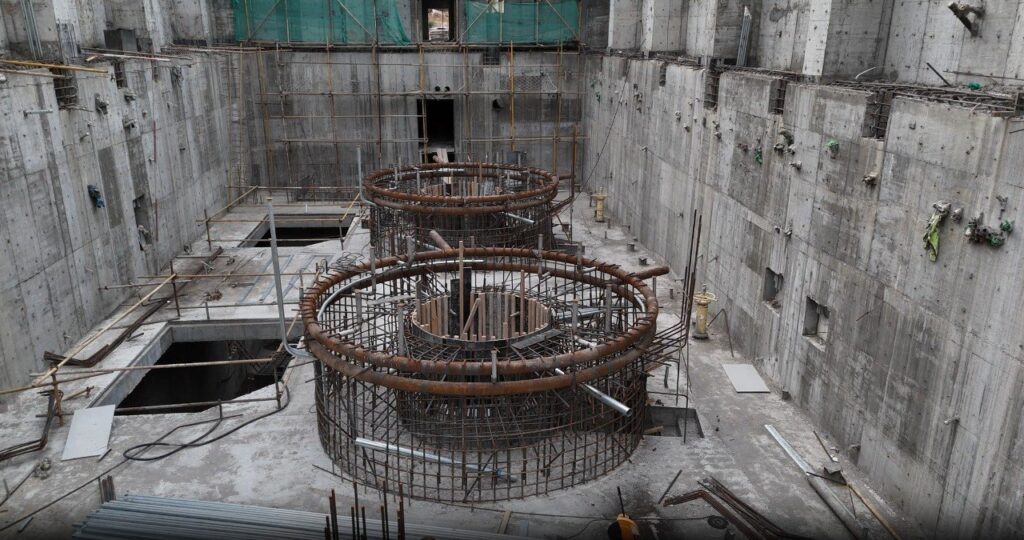
Rosatom is set to begin work to eliminate hazardous chemicals stockpiled at the Kristall plant in Tash-Kumyr, in Kyrgyzstan’s Jalal-Abad region. The Kristall plant, built in 1989 as a key facility of the Soviet electronics industry to produce polycrystalline silicon, has since become a high-risk environmental site. Hazardous chemical waste accumulated on its premises poses a threat to both the environment and public health. The plant has been bankrupt since 2010. The site contains 49 tanks holding a total of 155 tons of hazardous chemical residues, including trichlorosilane and silicon tetrachloride. In October 2024, Rosatom conducted a technical audit of the facility, revealing the deteriorated condition of the storage tanks. Prolonged inactivity has left the aging infrastructure in poor shape, increasing the risk of structural failure and depressurization. On April 14, in Bishkek, Rosatom and the Kyrgyz Ministry of Emergency Situations discussed technological solutions for neutralizing the chemicals. According to Rosatom, the first phase of the cleanup is scheduled for completion by the end of 2026. This stage will focus on bringing the chemical storage tanks to a safe condition. It also involves the installation of a dual emergency protection system and the introduction of independent environmental monitoring. The proposed neutralization methods have been approved by the Kyrgyz Ministry of Natural Resources, Ecology, and Technical Supervision. By the end of 2026, Rosatom aims to eliminate the risk of leaks and uncontrolled emissions by stabilizing the tanks and ensuring safe conditions for further handling of the hazardous substances. In 2027, the project will enter its second phase, focusing on the on-site neutralization of the chemicals as the preferred solution. Kyrgyz Emergency Situations Minister Kanatbek Chynybayev said the situation at the Kristall plant remains environmentally challenging and requires a comprehensive response. “Our primary objective is to eliminate potential health risks to residents of Tash-Kumyr and lift the state of emergency in the area. Rosatom’s expertise has been engaged to address this issue. As part of this collaboration, a technological strategy has been developed that will allow the threats to be neutralized within the specified timeframe and return the site to a safe condition,” he said.

Kazakhstan Climbs 13 Positions in the World Bank Human Capital Ranking

Kazakhstan has significantly improved its position in the World Bank’s Human Capital Index Plus (HCI+), rising by 13 places to rank 42nd out of 161 countries by the end of 2025. The index evaluates human capital development, including health, education, and workforce skills, all of which directly influence economic growth and investment attractiveness. Charles McLean, founder of Borderless Consulting Group, shared his assessment of the factors behind this progress in an interview with Inbusiness.kz. According to McLean, Kazakhstan’s rise reflects not only quantitative improvements but also qualitative changes in the country’s socio-economic landscape. “Kazakhstan’s rise by 13 positions is a highly positive and significant signal for the country’s socio-economic development, primarily driven by reforms implemented by President Kassym-Jomart Tokayev,” he said. He noted that improved indicators point to the emergence of a healthier, better-educated, and more skilled workforce, contributing to higher productivity and supporting sustainable long-term growth. Stronger positions in international rankings also enhance investor confidence and reinforce economic resilience. McLean identified two main drivers of progress: education and healthcare. In education, investment has increased at all levels from preschool to higher education. Improvements in teacher training, the quality of school education, and the alignment of national testing systems with international standards have contributed to higher skill levels across the population. Positive changes are also evident in the healthcare system. Enhanced medical infrastructure, expanded preventive programs, and improved access to healthcare services have contributed to rising life expectancy and lower infant mortality. McLean also highlighted Kazakhstan’s shift toward a more integrated approach to human capital development. This includes the digitalization of educational institutions and the expansion of vocational training programs. Additional emphasis is being placed on developing professional skills, delivering both short-term employment gains and long-term improvements in labor productivity. “If the current course is maintained, Kazakhstan can not only strengthen its position but also become one of the leaders among emerging markets in terms of human capital development,” McLean said. Given current trends, he assessed further improvements in Kazakhstan’s position in the HCI+ ranking to be realistic. Continued investment in human capital is expected to drive productivity growth, improve living standards, and enhance the country’s global competitiveness.

Kazakhstan Climbs 30 Positions in Clean Energy Investment Ranking

Kazakhstan has significantly improved its position in the international Climatescope ranking of clean energy investment attractiveness, rising by 30 places over the past eight years, according to the Ministry of Energy. The country moved from 54th place in 2017 to 24th in 2025 among emerging markets, reflecting the expansion of renewable energy and improvements in the investment climate. The Climatescope ranking assesses countries’ attractiveness for investment in clean energy and decarbonization, analyzing policies, infrastructure, and market potential across more than 100 nations. The study is compiled by BloombergNEF, a research unit of Bloomberg specializing in data and forecasts on the energy transition, new transport technologies, and commodity markets. According to the ministry, Kazakhstan’s improved standing is driven by increased investment in renewable energy projects and consistent state support for green energy. The country has introduced competitive auctions and guaranteed power purchase mechanisms, which have helped attract international investors. “Kazakhstan is making significant progress in the development of clean energy. Growing investor interest and improved market conditions indicate that the country is becoming one of the regional leaders in attracting capital for low-carbon technologies,” the ministry said. Major international companies involved in projects in Kazakhstan include TotalEnergies, China Power, Masdar, and China Energy. Looking ahead, Kazakhstan plans to commission more than 8 GW of new renewable energy capacity by 2035, which is expected to diversify the energy mix and strengthen the resilience of the national power system. Among Central Asian countries, Uzbekistan achieved the strongest result in the 2025 ranking, placing 23rd. As previously reported by The Times of Central Asia, Kazakhstan presented its green energy transition strategy at an international forum in the United Kingdom. In addition, the government aims to eliminate the electricity deficit and begin exports as early as 2027.

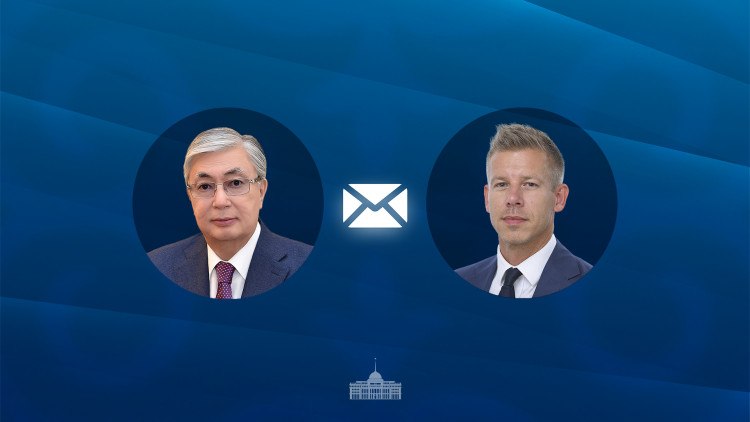
Tokayev Congratulates Péter Magyar on Victory in Hungary’s Parliamentary Elections

Kazakhstan's President Kassym-Jomart Tokayev has sent a congratulatory telegram to Péter Magyar, leader of the TISZA party, following his victory in Hungary’s parliamentary elections. According to the presidential press service, Tokayev noted that the election results reflect a high level of public trust in the TISZA party and its program and expressed confidence in Hungary’s continued sustainable development. Tokayev emphasised that Astana attaches great importance to strengthening its strategic partnership with Budapest, reaffirming readiness to expand bilateral cooperation for the benefit of both countries. He also wished Magyar success in his new role, along with prosperity and well-being for the Hungarian people. So far, there have been no reports of congratulatory messages from other Central Asian leaders addressed to Hungary’s new leadership. Hungary’s political transition following the defeat of Viktor Orbán’s party and his resignation has drawn attention not only in the European Union and the U.S., but also in Central Asia, where Budapest has actively developed economic and energy cooperation in recent years. During Orbán’s tenure, Hungary expanded engagement with Central Asian states, seeking to diversify energy supply sources and reduce dependence on Russian oil and gas. In this context, resource-rich Kazakhstan, Uzbekistan, and Turkmenistan emerged as key partners. One key question now is whether the country’s new leadership will maintain this course, including cooperation in energy, investment, and trade. Experts note that the durability of these ties will depend on the foreign policy priorities of Magyar’s government and its approach to relations with the European Union and partners beyond it.

Kyrgyzstan Accelerates Small Hydropower Construction to Achieve Energy Independence

Kyrgyzstan plans to significantly expand its hydropower capacity by commissioning new hydroelectric power plants with a combined capacity of 81 megawatts and expected annual generation of 348.3 million kWh, according to the Ministry of Energy. The largest number of new facilities will be built in Chuy region, where four plants are planned. At the same time, projects will be implemented across all regions of the country. Individual plant capacity will range from 1.5 to 9 MW, with the largest developments concentrated in Chuy and Issyk-Kul regions, with total capacities of 39.5 MW and 21 MW, respectively. The ministry noted that between 2021 and 2025, 27 small plants with a combined capacity of 109.8 MW were commissioned, generating around 427 million kWh annually. Over the next four years, authorities plan to continue expanding the sector by launching an additional 48 hydropower plants with a total capacity of 421 MW. The government views the development of small hydropower as a key element of its strategy to achieve energy independence and shift from electricity imports to exports. Energy Minister Taalaibek Ibraev emphasized that the country has significant hydropower potential. “We have substantial hydropower potential. There is an opportunity to generate 142 billion kWh. Today, we are using about 13-14 percent of this. As you can see, development is underway across the country. Many new hydropower plants are currently under construction, and we are also modernizing existing plants using new technologies,” Ibraev told The Times of Central Asia. The minister stressed that the expansion of small plants is linked to the goal of eliminating energy shortages and ending rolling blackouts during the winter period. According to Ibraev, Kyrgyzstan is adopting modern technologies for small hydropower construction from partners in Russia and European countries. Investors from Russia, Southern Europe, and Canada have also expressed interest in the country’s energy sector, including solar and wind projects. “Currently, much of the equipment for the energy sector is purchased from Russia. During our last meeting with Russian energy specialists, we agreed to procure equipment directly from manufacturers, without intermediaries,” the minister said. He added that such arrangements are expected to reduce the cost of constructing new hydropower plants.