• KGS/USD = 0.01144 0%
  • KZT/USD = 0.00213 0%
  • TJS/USD = 0.10678 -0.19%
  • UZS/USD = 0.00008 0%
  • TMT/USD = 0.28490 -0.28%
  • KGS/USD = 0.01144 0%
  • KZT/USD = 0.00213 0%
  • TJS/USD = 0.10678 -0.19%
  • UZS/USD = 0.00008 0%
  • TMT/USD = 0.28490 -0.28%
  • KGS/USD = 0.01144 0%
  • KZT/USD = 0.00213 0%
  • TJS/USD = 0.10678 -0.19%
  • UZS/USD = 0.00008 0%
  • TMT/USD = 0.28490 -0.28%
  • KGS/USD = 0.01144 0%
  • KZT/USD = 0.00213 0%
  • TJS/USD = 0.10678 -0.19%
  • UZS/USD = 0.00008 0%
  • TMT/USD = 0.28490 -0.28%
  • KGS/USD = 0.01144 0%
  • KZT/USD = 0.00213 0%
  • TJS/USD = 0.10678 -0.19%
  • UZS/USD = 0.00008 0%
  • TMT/USD = 0.28490 -0.28%
  • KGS/USD = 0.01144 0%
  • KZT/USD = 0.00213 0%
  • TJS/USD = 0.10678 -0.19%
  • UZS/USD = 0.00008 0%
  • TMT/USD = 0.28490 -0.28%
  • KGS/USD = 0.01144 0%
  • KZT/USD = 0.00213 0%
  • TJS/USD = 0.10678 -0.19%
  • UZS/USD = 0.00008 0%
  • TMT/USD = 0.28490 -0.28%
  • KGS/USD = 0.01144 0%
  • KZT/USD = 0.00213 0%
  • TJS/USD = 0.10678 -0.19%
  • UZS/USD = 0.00008 0%
  • TMT/USD = 0.28490 -0.28%

Viewing results 73 - 78 of 5835

Kyrgyzstan Accelerates Small Hydropower Construction to Achieve Energy Independence

Kyrgyzstan plans to significantly expand its hydropower capacity by commissioning new hydroelectric power plants with a combined capacity of 81 megawatts and expected annual generation of 348.3 million kWh, according to the Ministry of Energy. The largest number of new facilities will be built in Chuy region, where four plants are planned. At the same time, projects will be implemented across all regions of the country. Individual plant capacity will range from 1.5 to 9 MW, with the largest developments concentrated in Chuy and Issyk-Kul regions, with total capacities of 39.5 MW and 21 MW, respectively. The ministry noted that between 2021 and 2025, 27 small plants with a combined capacity of 109.8 MW were commissioned, generating around 427 million kWh annually. Over the next four years, authorities plan to continue expanding the sector by launching an additional 48 hydropower plants with a total capacity of 421 MW. The government views the development of small hydropower as a key element of its strategy to achieve energy independence and shift from electricity imports to exports. Energy Minister Taalaibek Ibraev emphasized that the country has significant hydropower potential. “We have substantial hydropower potential. There is an opportunity to generate 142 billion kWh. Today, we are using about 13-14 percent of this. As you can see, development is underway across the country. Many new hydropower plants are currently under construction, and we are also modernizing existing plants using new technologies,” Ibraev told The Times of Central Asia. The minister stressed that the expansion of small plants is linked to the goal of eliminating energy shortages and ending rolling blackouts during the winter period. According to Ibraev, Kyrgyzstan is adopting modern technologies for small hydropower construction from partners in Russia and European countries. Investors from Russia, Southern Europe, and Canada have also expressed interest in the country’s energy sector, including solar and wind projects. “Currently, much of the equipment for the energy sector is purchased from Russia. During our last meeting with Russian energy specialists, we agreed to procure equipment directly from manufacturers, without intermediaries,” the minister said. He added that such arrangements are expected to reduce the cost of constructing new hydropower plants.


Russia to Boost Energy Exports to Uzbekistan as Trade Surpasses $13 Billion

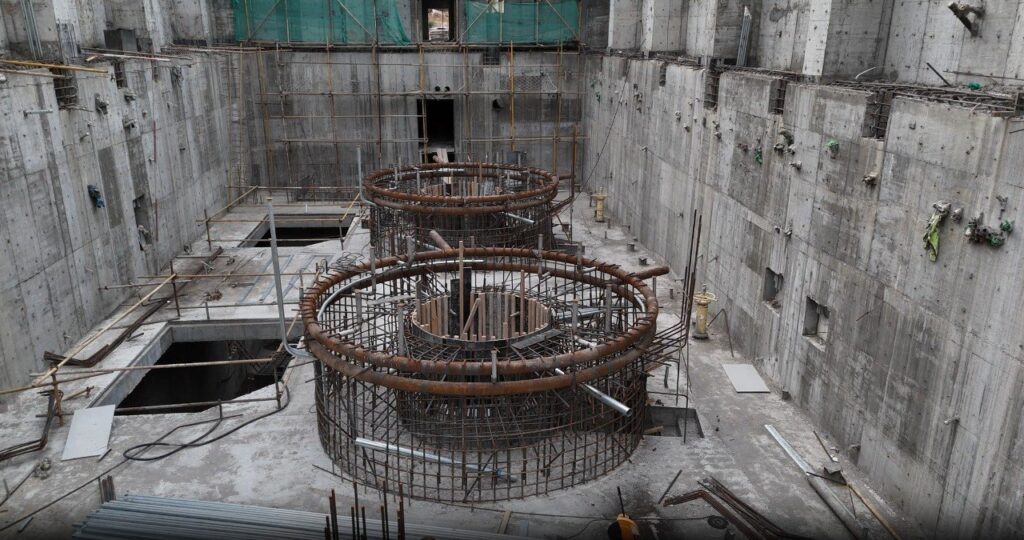
Russia plans to increase deliveries of oil and natural gas to Uzbekistan, Prime Minister Mikhail Mishustin said at the sixth session of the intergovernmental commission at the level of the two countries’ prime ministers in Moscow. “Agreements have been reached to continue supplies of Russian oil and natural gas and to increase their volumes,” Mishustin said, noting that energy remains a key area of cooperation between Moscow and Tashkent. He added that Russian specialists are also involved in drilling new wells and modernizing refining and gas transportation infrastructure in Uzbekistan. The meeting brought together Mishustin and Uzbekistan’s Prime Minister Abdulla Aripov to review progress on agreements set by Presidents Vladimir Putin and Shavkat Mirziyoyev. Both sides emphasized the continued expansion of what they described as a comprehensive strategic partnership. Mishustin said bilateral trade increased by nearly 12.5% last year, approaching one trillion rubles, and is expected to grow further by 2030. Aripov, citing Uzbek data, said trade turnover exceeded $13 billion in 2025 and rose by a further 30% in the first two months of this year. Energy cooperation featured prominently in the discussions. Construction of a Russian-designed nuclear power plant in Uzbekistan’s Jizzakh region is underway, with concrete work beginning in March. Aripov described the project as opening “a new page” in bilateral relations, adding that Uzbekistan would become “the first country where both small and large nuclear power plants will be located on one site.” Beyond energy, the two sides highlighted expanding investment and industrial cooperation. Around 150 joint projects worth more than four trillion rubles are currently being implemented, while Uzbekistan hosts over 3,200 enterprises with Russian capital. Projects span sectors including mining, chemicals, textiles, pharmaceuticals, logistics, and digital technologies. Previous reporting indicates that Russia remains one of Uzbekistan’s largest trading partners, with both governments aiming to increase bilateral trade to $30 billion by 2030. Transport links are also expanding, with 367 weekly flights now operating between the two countries, according to Aripov.

Kazakhstan to Introduce AI in Driver’s License Exams

Kazakhstan plans to introduce artificial AI technologies into both the theoretical and practical components of driver’s license exams. At the same time, citizens will be allowed to take the exams an unlimited number of times without having to repeat training at driving schools. The initiatives were presented by Zhaslan Madiyev, Minister of Digital Development, Innovation and Aerospace Industry, together with representatives of the Ministry of Internal Affairs. According to the proposed changes, augmented reality (AR) technologies will be used in the theoretical exam, while computer vision systems will monitor practical driving tests. These measures are intended to increase transparency and prevent the use of prohibited devices. “These measures will make it possible to minimize the use of prohibited technical tools and to record violations,” the government press service said. A pilot project is set to be launched at a branch of the National Testing Center under the Ministry of Science and Higher Education in Astana. The project will test technologies aimed at ensuring academic integrity, as well as conduct psychometric analysis of exam questions to verify their reliability and alignment with safe driving standards. The new rules provide for the possibility of an unlimited number of exam attempts on a paid basis, with a mandatory interval of at least 10 calendar days between attempts. Currently, applicants are granted three free attempts, two with a one-day interval and a third after 30 days. After exhausting these attempts, retraining at a driving school is required. According to the government, the new approach will make the process more accessible and reduce corruption risks by eliminating incentives to obtain licenses illegally. Plans also include strengthening the information security of digital systems used in the licensing process by classifying them as critical information infrastructure. This would introduce stricter liability for unauthorized interference, including criminal penalties. Administrative liability will also be introduced for individuals who assist in illegally obtaining driver’s licenses. Violations such as the use of micro earpieces, hidden cameras, and other transmitting devices will be punishable by fines and disqualification from taking the theoretical exam for up to one year. The reforms will also affect driving schools. Licensing requirements are expected to be introduced, and their performance will be evaluated based on training quality and public feedback. Licenses may be revoked in cases of consistently poor standards. As previously reported by The Times of Central Asia, Senator Gennady Shipovskikh had earlier proposed restoring state oversight of private driving schools.

Central Asia’s Climate Risks Could Cost Up to 130% of GDP by 2080

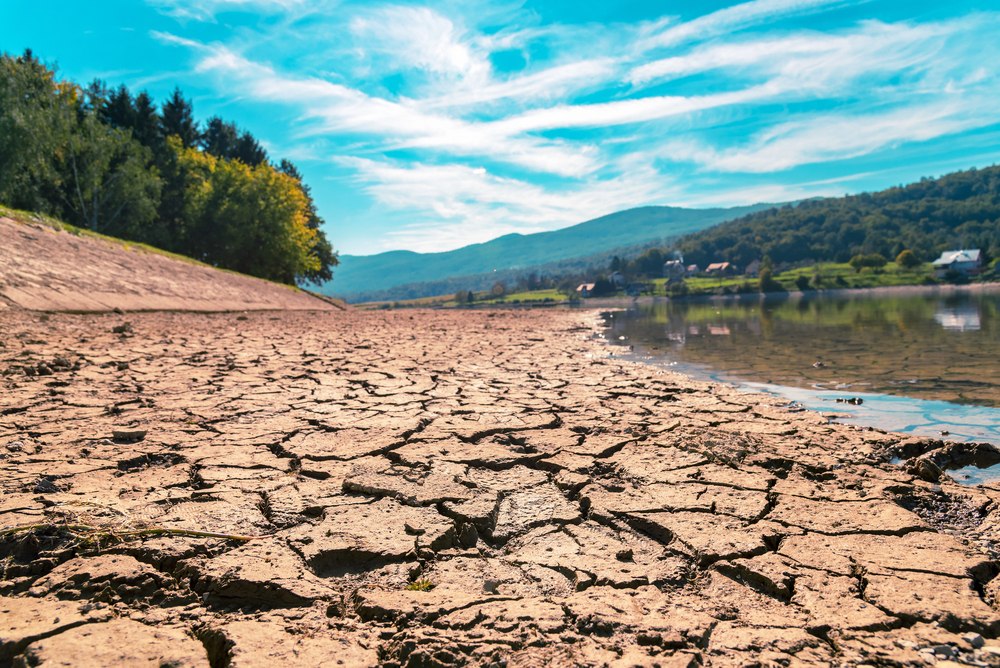
By 2080, climate change is expected to have a profound impact on the economies of Central Asian countries, with potential losses ranging from 20% to 130% of GDP. The most severe effects are projected for mountainous nations. These estimates were presented at a CAREC technology forum by Iskandar Abdullaev, a senior research fellow at the International Water Management Institute in Uzbekistan. According to Abdullaev, climate change is no longer solely an environmental issue but an increasingly significant economic factor. Key risks include droughts and water scarcity, floods, heatwaves, and glacier melt. The projected economic impact varies across the region. Tajikistan could face losses of between 80% and 130% of GDP, Kyrgyzstan 70% to 120%, Kazakhstan 40% to 80%, Uzbekistan 30% to 45%, and Turkmenistan 20% to 60%. Abdullaev emphasized that mountainous countries – Tajikistan and Kyrgyzstan – are particularly vulnerable, as climate change directly affects water resources. Glacier melt reduces river flows, creating challenges for both energy production and water supply. Droughts and extreme heat are already placing pressure on agriculture, with declining crop yields and reduced pasture productivity. Without adaptation measures, the region’s long-term sustainability could be at risk. Experts stress that mitigation and adaptation efforts are essential to reduce these risks. These include modernizing irrigation systems, adopting climate-resilient agricultural technologies, and expanding renewable energy capacity. This is not the only warning. According to the World Bank, natural disasters are already causing significant economic damage in Central Asia.  Losses from extreme events, including floods and earthquakes, can reach up to 6% of GDP, with earthquakes alone accounting for up to $2 billion in damages. At the same time, countries in the region face substantial financing gaps following major disasters. In Tajikistan, this gap could reach up to $1.5 billion. Experts warn that climate change is likely to intensify these risks, further increasing the economic burden on the region.

Kazakhstan Appoints Operator for Karachaganak Gas Processing Plant Construction

Kazakhstan has identified the participants in a project to construct a new gas processing plant (GPP) at the Karachaganak field, aimed at supplying the domestic market with commercial gas. The national company QazaqGaz will act as the single project operator, while China’s CITIC Construction has expressed readiness to participate. Initially, the launch of the GPP, with a capacity of up to 4 billion cubic meters of gas per year, was scheduled for 2028. Construction was to be carried out by Shell and Eni, both involved in developing the Karachaganak field in the West Kazakhstan region. However, in March 2026, Kazakhstan withdrew from this arrangement due to significant cost overruns and disagreements over implementation terms. At present, gas from Karachaganak is processed at the Orenburg GPP in Russia. Kazakhstan aims to relocate processing to its own territory to strengthen energy security and reduce dependence on external infrastructure, particularly amid periodic disruptions linked to drone attacks. According to current plans, the capacity of the future plant may be increased to 5 billion cubic meters per year. The project is a key element of Kazakhstan’s Comprehensive Gas Industry Development Plan through 2029 and is being implemented on the instructions of President Kassym-Jomart Tokayev. Minister of Energy Yerlan Akkenzhenov confirmed that the selection of QazaqGaz as the single operator is driven by the need to move quickly to the implementation stage and by the company’s experience in managing gas infrastructure. The project’s economic feasibility has been confirmed, and a framework agreement outlining basic principles of cooperation has been signed with CITIC Construction.  Preparations are currently underway for the FEED (Front-End Engineering Design) stage, while issues related to land allocation, infrastructure, and feedstock supply are also being addressed. Particular attention is being paid to negotiations with foreign shareholders in the Karachaganak project. Key issues include guaranteed supplies of raw gas, establishing a pricing mechanism that ensures domestic market viability, integrating the plant with existing field infrastructure (brownfield), and resolving the gas evacuation fee mechanism. “For Kazakhstan, this plant is of critical importance, and indefinitely postponing the project’s start is unacceptable. The state needs results. The project must be implemented dynamically and in strict accordance with our national economic interests,” Akkenzhenov said. The project is unfolding against the backdrop of legal disputes between Kazakhstan and international energy companies.  As previously reported by The Times of Central Asia, Shell and Eni may ultimately be required to pay the Kazakh government between $2 billion and $4 billion following international arbitration proceedings in London. In addition, similar disputes are ongoing over another major project, the Kashagan field, where proceedings are being considered at the International Centre for Settlement of Investment Disputes in Washington.

Tajikistan Didn´t Qualify for World Cup, But Its Young Players Are Winning

Uzbekistan have qualified for this year's FIFA World Cup, while Tajikistan didn’t make it to the tournament. But their fortunes were reversed in a Central Asian junior event, suggesting that Tajik football is poised for a brighter future. Coached by Jafar Akhmedov, Tajikistan’s team won the Central Asian Football Association U17 championship on Monday, securing the title with a 0-0 draw with second-placed Uzbekistan in Tashkent. Tajikistan was top of the field with 10 points, while Uzbekistan had eight. Previously, Tajikistan’s team beat Turkmenistan (5-1), Kyrgyzstan (4-0) and Afghanistan (3-2). Two players on the Tajik team were recognized individually by the tournament. Bihisti Rajabzod was awarded the prize of most valuable player, or MVP, and the top scorer was Sioyosh Nazarov with four goals. The headquarters of the Central Asia Football Association, a sub-group of the Asian Football Confederation, is in Dushanbe, Tajikistan. Its six members are Afghanistan, Iran, Kyrgyzstan, Tajikistan, Turkmenistan and Uzbekistan. Kazakhstan has been a member of the Union of European Football Associations, or UEFA, since 2002. Uzbekistan will compete in the World Cup for the first time this year and faces Colombia, Portugal and Democratic Republic of Congo in Group K. Uzbekistan’s team is led by coach Fabio Cannavaro, captain of Italy’s winning team in the 2006 World Cup in Germany. Tajikistan turned in some solid performances in World Cup qualifying games, including a 1-1 draw against Saudi Arabia and a 3-0 win over Pakistan. Although Tajikistan didn’t manage to qualify for this year’s expanded tournament, it has qualified for the AFC Asian Cup in Saudi Arabia next year.