• KGS/USD = 0.01144 0%
  • KZT/USD = 0.00213 0%
  • TJS/USD = 0.10699 0%
  • UZS/USD = 0.00008 0%
  • TMT/USD = 0.28571 0%
  • KGS/USD = 0.01144 0%
  • KZT/USD = 0.00213 0%
  • TJS/USD = 0.10699 0%
  • UZS/USD = 0.00008 0%
  • TMT/USD = 0.28571 0%
  • KGS/USD = 0.01144 0%
  • KZT/USD = 0.00213 0%
  • TJS/USD = 0.10699 0%
  • UZS/USD = 0.00008 0%
  • TMT/USD = 0.28571 0%
  • KGS/USD = 0.01144 0%
  • KZT/USD = 0.00213 0%
  • TJS/USD = 0.10699 0%
  • UZS/USD = 0.00008 0%
  • TMT/USD = 0.28571 0%
  • KGS/USD = 0.01144 0%
  • KZT/USD = 0.00213 0%
  • TJS/USD = 0.10699 0%
  • UZS/USD = 0.00008 0%
  • TMT/USD = 0.28571 0%
  • KGS/USD = 0.01144 0%
  • KZT/USD = 0.00213 0%
  • TJS/USD = 0.10699 0%
  • UZS/USD = 0.00008 0%
  • TMT/USD = 0.28571 0%
  • KGS/USD = 0.01144 0%
  • KZT/USD = 0.00213 0%
  • TJS/USD = 0.10699 0%
  • UZS/USD = 0.00008 0%
  • TMT/USD = 0.28571 0%
  • KGS/USD = 0.01144 0%
  • KZT/USD = 0.00213 0%
  • TJS/USD = 0.10699 0%
  • UZS/USD = 0.00008 0%
  • TMT/USD = 0.28571 0%

Viewing results 181 - 186 of 3701

How an Incident on the Azerbaijan-Iran Border Became a Test for Diplomacy in the Region

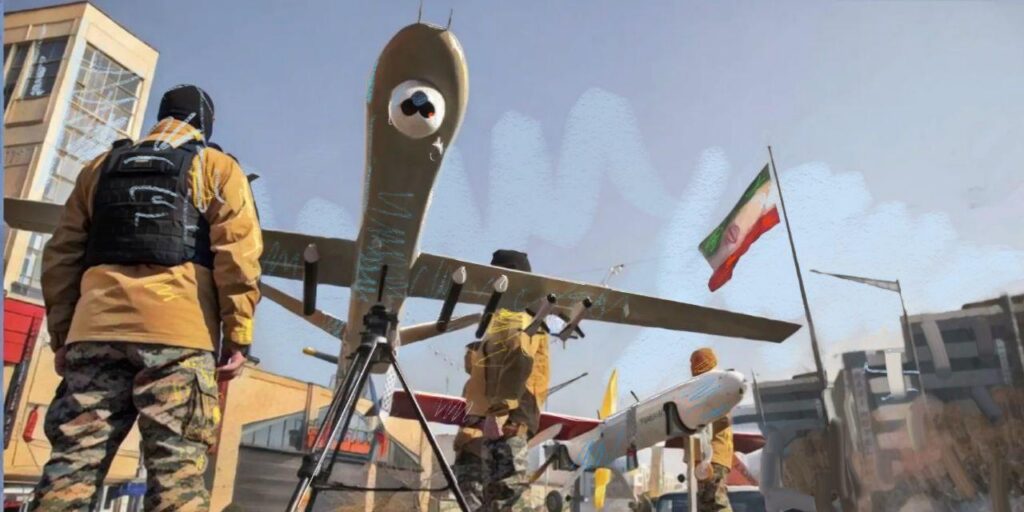
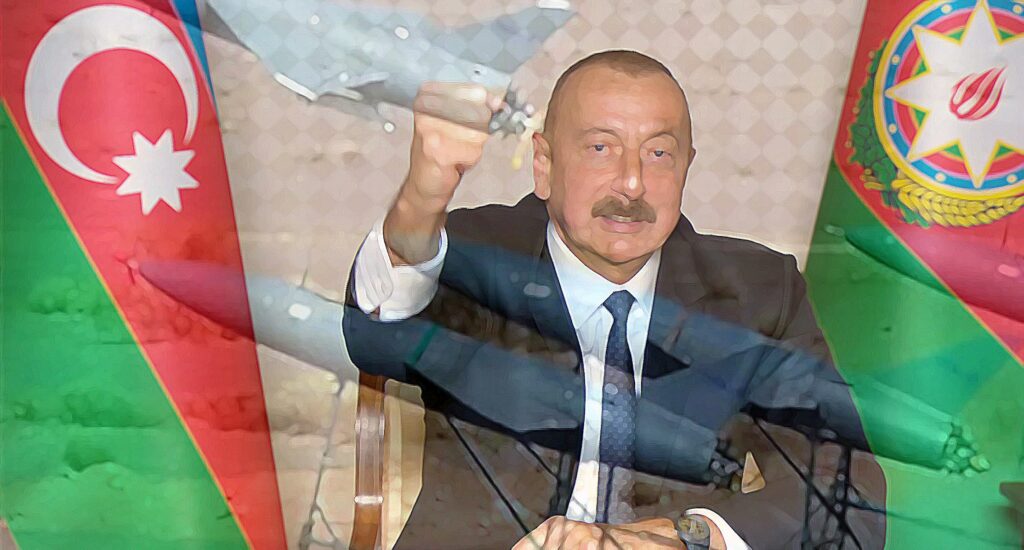
The drone strike on Azerbaijan's Nakhchivan Autonomous Republic on March 5 has become one of the most serious incidents in relations between Baku and Tehran in recent years. Azerbaijani authorities described the incident as a terrorist act and demanded explanations and an apology from Iran. Tehran, in turn, rejected the accusations, suggesting the possibility of a provocation by “third forces.” Following the drone incident, Kazakh President Kassym-Jomart Tokayev held a phone call with Azerbaijani President Ilham Aliyev to discuss regional security. According to the Azerbaijani presidency, Aliyev thanked Tokayev for condemning the attack on Nakhchivan and for voicing support for Azerbaijan. What began as a local security incident has raised concerns about regional stability in the South Caucasus. Terrorist Act Against the State Azerbaijani President Ilham Aliyev issued a statement strongly condemning "this despicable terrorist act. Those who committed it must be brought to justice immediately,” Aliyev said. According to Azerbaijan’s Ministry of Foreign Affairs, one drone hit the terminal building of Nakhchivan International Airport, while another crashed near a school in the village of Shekerabad. Two civilians were reportedly injured. Baku stressed that the attack, allegedly launched from Iranian territory, violated international law and could lead to a dangerous escalation of tensions in the region. Diplomatic Escalation Despite the harsh rhetoric in the first hours after the incident, Baku opted to rely primarily on diplomatic tools. The Iranian ambassador was summoned to the Azerbaijani Foreign Ministry and handed a formal note of protest requesting official explanations. Azerbaijan said on Friday that it was evacuating staff from its embassy in Tehran as well as its consulate in the city of Tabriz. At the same time, Azerbaijani security forces were placed on high alert. According to Aliyev, the country’s armed forces were instructed to prepare possible countermeasures. Turkish President Recep Tayyip Erdogan spoke by phone with Aliyev, condemning the attack and expressing support for Azerbaijan, according to official statements. Reports of alleged Iranian-linked sabotage plots also surfaced, with the Azerbaijani authorities stating that several terrorist attacks had been prevented on the country’s territory. According to the State Security Service, the Iranian Islamic Revolutionary Guard Corps was behind the plots. Among the alleged targets was the Baku-Tbilisi-Ceyhan oil pipeline, a strategic energy corridor linking the Caspian region with Turkey and one of the main routes for exporting Azerbaijani oil. According to Azerbaijani sources, other potential targets included the Israeli embassy, a synagogue in the capital, and a leader of the local Mountain Jewish community. The security service reported that three explosive devices had been brought into the country but were discovered and defused before they could be delivered. The development of the crisis has prompted increased diplomatic contact between world leaders. Russian President Vladimir Putin held a telephone conversation with Iranian President Masoud Pezeshkian amid the growing regional tensions. Shortly thereafter, Russia’s Foreign Ministry called on both sides to exercise restraint and emphasized the need for a thorough investigation into the drone strike. On March 7, the foreign ministers of all the Central...

OTS Faces Security Test from Turkey to Central Asia

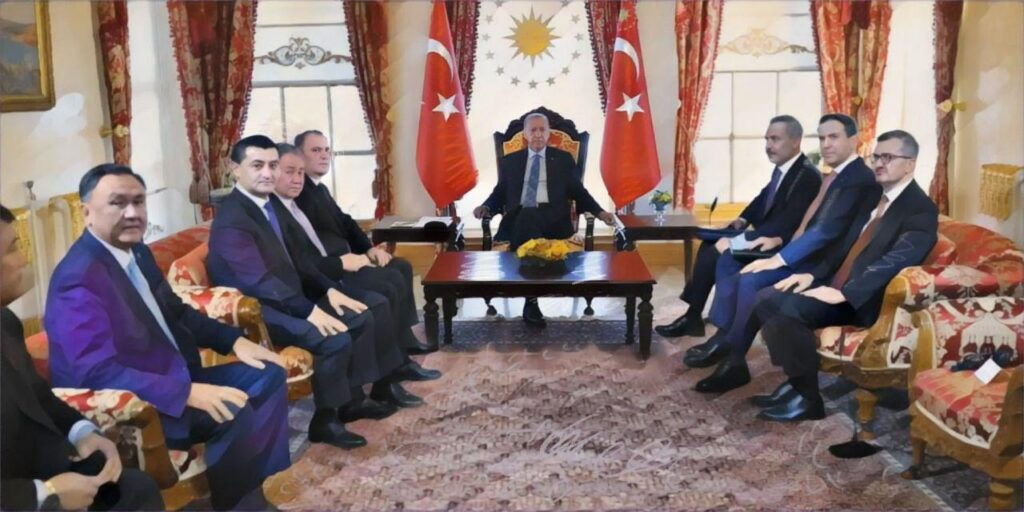
Iran's widening war has now reached the institutional space linking Turkey, the South Caucasus, and Central Asia. Turkey said on March 4 that NATO air defenses destroyed an Iranian ballistic missile entering Turkish airspace, while Azerbaijan said the next day that four Iranian drones crossed into Nakhchivan, injuring four people, and damaging civilian infrastructure at the exclave’s airport. Iran denied targeting Nakhchivan; in the Turkish case, the missile’s intended target has not been fully clear in public reporting. Even so, the combined effect was unmistakable. By March 7, the Organization of Turkic States (OTS) had become more than a bystander to a Middle Eastern war that had earlier seemed outside its main agenda. This is what gave the OTS foreign ministers’ meeting in Istanbul its significance. The Turkish Foreign Ministry announced on March 6 that the informal meeting of the OTS Council of Foreign Ministers would be held in Istanbul on March 7, with Foreign Minister Hakan Fidan hosting. After the meeting, the ministers adopted a joint statement declaring that threats to the security of any OTS member are a matter of concern for the whole organization. That language does not make the OTS a military alliance. It does, however, show the organization moving more openly into collective political-security signaling when member states come under attack. Why Nakhchivan Matters Nakhchivan is central to the logic of this story. The exclave is an integral part of Azerbaijan, but is separated from the rest of the country. It borders Armenia, Iran, and Turkey, making it significant out of proportion to its size. A military strike there is not a routine border incident. It reaches one of the most sensitive nodes in the wider Turkic political space: it is a meeting point for Azerbaijani sovereignty, Turkish strategic concern, and Iranian proximity. Until recently, Nakhchivan’s special status and borders were anchored in the 1921 Moscow and Kars treaties, which gave Turkey and Soviet Russia a formal say over the exclave’s autonomy and, it could be argued, its external security. But last year, Baku folded Nakhchivan more tightly into Azerbaijan’s domestic legal order by removing those references (along with other changes) from the constitution of the exclave, which has suddenly become a target in a much wider regional confrontation. Baku’s response to the Iranian attack showed that it saw the incident in political as well as tactical terms. President Ilham Aliyev said Azerbaijan would prepare retaliatory measures. Reuters later reported that Azerbaijan had ordered the evacuation of its diplomats from Iran, citing safety concerns. This is understandable, particularly in light of the January 27, 2023, incident when an armed attacker entered Azerbaijan’s embassy in Tehran and opened fire, killing the head of the embassy’s security and wounding two other staff. Baku called this a terrorist attack, evacuated most of its diplomatic personnel, and suspended embassy operations. Azerbaijani officials also said the March 5 attack on Nakhchivan violated international law, rejecting any implication that it could have been a technical mishap. The stakes widened further after...

On International Women’s Day, Shakhnoza Mirziyoyeva Names Uzbekistan’s Female Athletes an “Inspiration”

For International Women’s Day on 8 March, Shakhnoza Mirziyoyeva, First Deputy Director of Uzbekistan’s National Agency for Social Protection, has shared comments with The Times of Central Asia in which she gives particular praise to the country’s sportswomen. Mirziyoyeva said: “As we celebrate International Women’s Day, I would like to praise Uzbekistan’s female athletes for inspiring more girls and women and giving them the confidence to pursue their dreams.” Fitness and active pursuits are increasingly at the forefront of government policy, as the country’s Soglom inson - soglom millat (“Healthy Person, Healthy Nation”) initiative – introduced by Mirziyoyeva’s father, President Shavkat Mirziyoyev – gains momentum. Mirziyoyeva added that sport enables women and girls to become leaders, namechecking Olympic gold medalist judoka Diyora Keldiyorova and taekwondo athlete Svetlana Osipova among those who promote active lifestyles. Mirziyoyeva was involved in establishing the Association of Adaptive Sports in Uzbekistan – a platform to unify and develop Uzbek parasports, and create opportunities for athletes with disabilities. She is First Deputy Chairperson of Uzbekistan’s Paralympic Committee, whose athletes are currently competing at the 2026 Paralympic Winter Games Milano Cortina. “To the female athletes currently competing in Milano Cortina, your perseverance is an inspiration to us all,” her message to The Times of Central Asia continues, mentioning long-jumper Asila Mirzayorova and taekwondo athlete Guljonoy Naimova as Uzbek competitors carrying the country’s hopes at the Paralympics. “May your performances in Italy continue to build a legacy of inclusion and excellence that inspires generations to come - not only in Uzbekistan, but around the world.” Shakhnoza Mirziyoyeva’s message comes at the start of a standout year for Uzbek sports. The country’s football team will make its first appearance at a FIFA World Cup at the tournament in North America this summer. Samarkand will host the World Triathlon Championship Series on 25-26 April, then the 46th Chess Olympiad in September. The World Aquatics Swimming World Cup comes to Tashkent in October.

Shell Signs New Exploration Deal in Kazakhstan Amid Legal Disputes

British energy company Shell has launched a new exploration project in Kazakhstan despite previously announcing that it would pause new investments in the country. On March 5, it was announced that Shell had signed a contract for geological exploration in the Aktobe region. The company has been involved in several legal disputes with Kazakhstan over subsoil use and had stated that it did not plan to invest further in the country’s energy sector. Geological Exploration Contract The Zhanaturmys site, which has attracted Shell’s interest, covers an area of 1,377 square kilometers and is located in one of Kazakhstan’s most actively developed oil and gas basins. The document was signed by Kazakhstan’s Deputy Energy Minister, Yerlan Akbarov, and Shell’s Senior Vice President and Chair in Kazakhstan, Suzanne Coogan. The contract provides for seismic exploration, data collection, and technical assessments. “The signing of today’s contract for geological exploration is further confirmation of Shell’s commitment to long-term cooperation with the Republic of Kazakhstan. Drawing on our global experience and advanced technologies, we intend to continue contributing to geological exploration and the expansion of the country’s resource base,” Coogan said. The agreement will remain in force until 2032. The project will be implemented under the terms of an improved model contract. According to Kazakhstan’s Energy Ministry, the company will allocate at least 100 million tenge (about $200,000) to finance socio-economic development in the region where the site is located. Shell is currently involved in three projects in Kazakhstan: the North Caspian Production Sharing Agreement (NCOC, 16.81% stake); the Karachaganak Production Sharing Agreement (29.25% stake); and the Caspian Pipeline Consortium (7.4% stake). Kazakhstan produces around 1.8–1.9 million barrels per day and hosts some of the world’s largest offshore reserves in the Caspian Sea. Western energy majors, including Shell, Chevron, ExxonMobil, and Eni, have operated in the country for decades through complex production-sharing agreements. Legal Disputes In February, Shell CEO Wael Sawan said the company would suspend new investments in Kazakhstan while legal proceedings with the government were ongoing. Numerous lawsuits filed by Kazakhstan, with claims amounting to billions of dollars, have reduced the company’s willingness to invest in the country, he said. “This affects our desire to continue investing in Kazakhstan. Although we see many opportunities for investment in the future, we will wait until we have a clearer picture of how things will turn out,” Sawan stated. Karachaganak and Kashagan Kazakhstan is currently involved in several legal disputes with Western oil companies, both in national courts and international arbitration. The cases concern two major oil and gas projects. One of them is Karachaganak. In 2023, the Kazakh government filed a lawsuit against the field's developers over cost deductions. The initial claim amounted to $3.5 billion but later increased to $6 billion after additional claims were filed. The project is operated by a consortium led by Eni and Shell, each holding a 29.25% stake. Other partners include Chevron (18%), Lukoil (13.5%, which has agreed to sell its stake), and KazMunayGas (10%). In January, it was...

Middle East Conflict Disrupts Logistics Routes for Deliveries to Kyrgyzstan

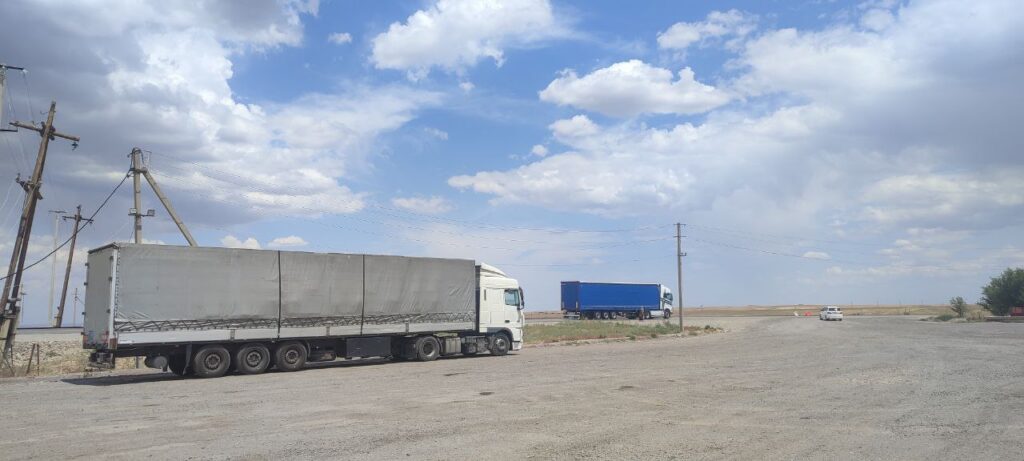
Military activity in the Middle East has caused serious disruptions to logistics routes used to deliver goods to Kyrgyzstan. In particular, the transit of cargo through Iran has completely stopped. This was reported to The Times of Central Asia by the Association of International Freight Forwarders of Kyrgyzstan. According to industry representatives, the auto parts market is already experiencing some of the most significant consequences. A substantial share of goods from the U.S., Europe, and the Middle East is delivered to Kyrgyzstan via the Iranian port of Bandar Abbas on the Persian Gulf. The port is considered a key transit hub through which a large volume of international cargo passes. However, due to the escalating situation in the region, maritime transport along this route has effectively been halted. As a result, many goods that have already been paid for and are intended for delivery to Kyrgyzstan remain stuck in ports of departure or transit zones. “A large volume of cargo used to be transported through the port of Bandar Abbas. We used this route for transit to the Emirates, to Dubai and Sharjah. Now we are effectively cut off from maritime transport. All the countries of the Persian Gulf are closed to us, and there are serious problems with air traffic in this region. A lot of cargo normally goes from Sharjah and Dubai to Kyrgyzstan, but these deliveries have now been suspended,” Igor Golubev, deputy chairman of the Association of International Freight Carriers of Kyrgyzstan, told The Times of Central Asia. According to him, equipment, auto parts, perfumes, and other goods are supplied to Kyrgyzstan from the countries of the Persian Gulf. If the conflict continues and logistics chains are not restored, Kyrgyzstan could face shortages of certain types of products. “Ships from all over the world used to arrive at the port of Bandar Abbas. It served as a transshipment hub from which we received a wide range of goods. Now this transit hub is effectively closed,” Golubev said. The disruptions have affected not only imports but also exports. According to the Association of Carriers, the transit of Kyrgyz cargo to Turkey and Europe, which previously passed through Iranian territory, has completely stopped. At present, more than 30 Kyrgyz trucks carrying goods remain in northern Iran, and their drivers are unable to return home. Additional difficulties have emerged due to fighting between Pakistan and Afghanistan. Kyrgyz logistics companies actively use the port of Karachi in Pakistan, and some cargo has traditionally been delivered to Kyrgyzstan through Afghanistan. This route is now also effectively closed. According to the Association of International Freight Carriers, negotiations are currently underway with Chinese partners on the possible use of alternative logistics corridors. The state-owned organization Kyrgyz Export told The Times of Central Asia that it is closely monitoring the situation and remains in constant contact with carriers. Authorities are also holding talks with Iran and other states in the region while considering alternative routes to restore the import and export of Kyrgyz goods.

Iran War Highlights Central Asia’s Vulnerable Southern Trade Corridors

The widening war centered on Iran is reverberating far beyond the Middle East, exposing a structural vulnerability in Central Asia’s economic geography: the region’s reliance on transport corridors that pass through or near Iran and the Persian Gulf. As fighting escalates and shipping risks spread across the region, insurers, shipping companies, and logistics firms are reassessing operations across the Gulf. War-risk insurance premiums have surged while some commercial carriers have scaled back bookings to parts of the region amid growing security concerns. Tensions around the Strait of Hormuz have already pushed shipping costs higher as governments and logistics firms weigh the risks of operating in one of the world’s most important maritime chokepoints. For Central Asia’s landlocked economies, the crisis highlights how much regional connectivity strategies still depend on southern access routes linking the region to global markets. The conflict has also edged closer to the transport routes linking Central Asia with Europe after what were alleged to be Iranian drone strikes on Azerbaijan’s Nakhchivan region, damaging facilities at the exclave’s airport and prompting diplomatic protests from Baku. While the strike did not directly disrupt trade corridors, it underscored how quickly the conflict could spill over into the South Caucasus, a key segment of the Middle Corridor. Nakhchivan is a landlocked Azerbaijani exclave bordering Iran and Turkey, separated from mainland Azerbaijan by Armenia, and lies at the frontier where Iranian territory meets the transport networks of the South Caucasus. The South Caucasus also hosts energy infrastructure with wider geopolitical significance. The Baku–Tbilisi–Ceyhan (BTC) pipeline transports mostly Azerbaijani crude through Georgia to the Turkish Mediterranean port of Ceyhan, from where it is shipped to global markets. In 2025, Azerbaijani oil accounted for 46.4% of Israel’s crude imports, most of it moving through this supply chain before being shipped onward by tanker. The pipeline also carries limited volumes of Kazakh crude - 2-3% of Kazakhstan’s overall exports - making it far more significant for Israel’s energy supply than for Kazakhstan’s export system. Iran’s armed forces have denied responsibility for the drone incident, instead accusing Israel of attempting to provoke tensions and disrupt relations between Muslim countries. The Geography of Connectivity Since independence, Central Asian governments have sought to overcome the constraints of geography. Landlocked and long dependent on Soviet-era transport networks running north through Russia, the region has spent three decades developing alternative corridors in multiple directions. Routes leading south have held particular appeal, offering the shortest overland access to ports on the Persian Gulf and the Indian Ocean. Iran sits at the heart of several connectivity initiatives designed to connect Central Asian rail networks to ports on the Persian Gulf and the Indian Ocean. The Ashgabat Agreement — a multimodal transport framework linking Iran, Oman, Turkmenistan, and Uzbekistan and designed to connect Central Asia with ports on the Persian Gulf and the Gulf of Oman — was created specifically to facilitate international trade and transit between Central Asia and global shipping routes. For countries such as Turkmenistan and Uzbekistan, rail routes...