• KGS/USD = 0.01143 0%
  • KZT/USD = 0.00205 0%
  • TJS/USD = 0.10433 0.1%
  • UZS/USD = 0.00008 0%
  • TMT/USD = 0.28577 0%
  • KGS/USD = 0.01143 0%
  • KZT/USD = 0.00205 0%
  • TJS/USD = 0.10433 0.1%
  • UZS/USD = 0.00008 0%
  • TMT/USD = 0.28577 0%
  • KGS/USD = 0.01143 0%
  • KZT/USD = 0.00205 0%
  • TJS/USD = 0.10433 0.1%
  • UZS/USD = 0.00008 0%
  • TMT/USD = 0.28577 0%
  • KGS/USD = 0.01143 0%
  • KZT/USD = 0.00205 0%
  • TJS/USD = 0.10433 0.1%
  • UZS/USD = 0.00008 0%
  • TMT/USD = 0.28577 0%
  • KGS/USD = 0.01143 0%
  • KZT/USD = 0.00205 0%
  • TJS/USD = 0.10433 0.1%
  • UZS/USD = 0.00008 0%
  • TMT/USD = 0.28577 0%
  • KGS/USD = 0.01143 0%
  • KZT/USD = 0.00205 0%
  • TJS/USD = 0.10433 0.1%
  • UZS/USD = 0.00008 0%
  • TMT/USD = 0.28577 0%
  • KGS/USD = 0.01143 0%
  • KZT/USD = 0.00205 0%
  • TJS/USD = 0.10433 0.1%
  • UZS/USD = 0.00008 0%
  • TMT/USD = 0.28577 0%
  • KGS/USD = 0.01143 0%
  • KZT/USD = 0.00205 0%
  • TJS/USD = 0.10433 0.1%
  • UZS/USD = 0.00008 0%
  • TMT/USD = 0.28577 0%

Viewing results 37 - 42 of 65

Uzbekistan Pushed to Clean Up Cities Amid Air Pollution Protests

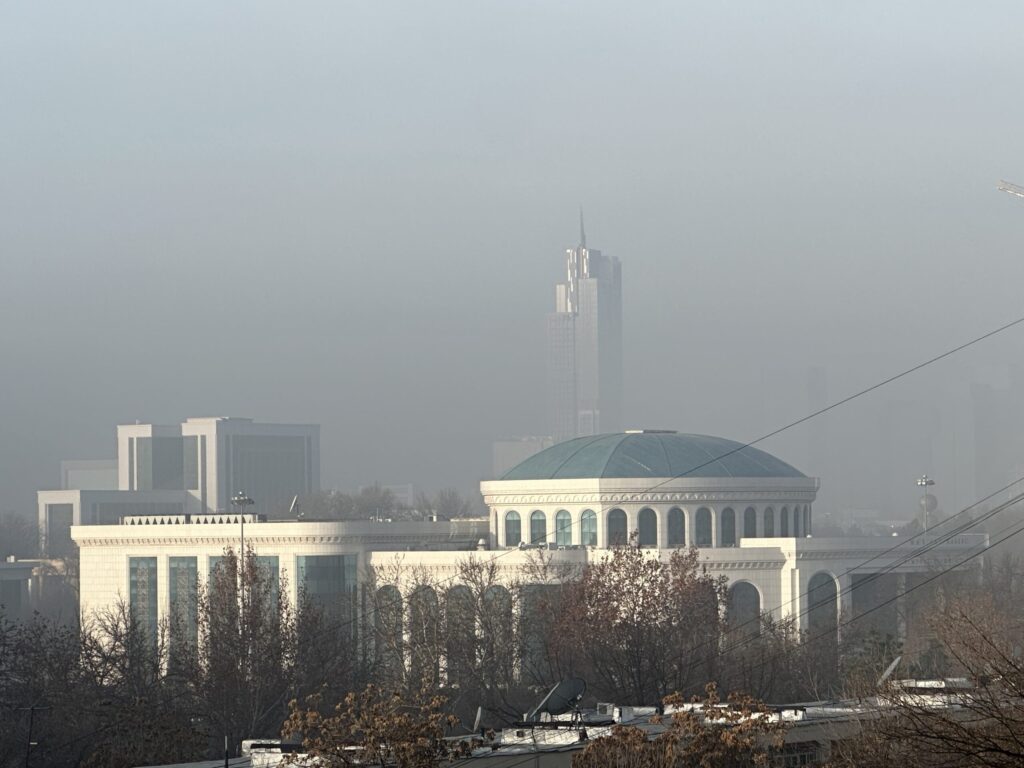
Uzbekistan's capital Tashkent continues to suffer from high levels of air pollution. According to the IQAir portal, on the morning of August 2 the concentration of PM 2.5 (fine particles in the air) in the city was 5.4 times higher than the WHO base indicator. Protest groups have been holding flash mobs in Tashkent this summer. One participant, Temurkhan Jahangir, believes that the main factor for the city's dangerous air is the government's poor urban planning policy. “The urban development strategy, implemented at the expense of urban densification, was a complete mistake from the start. It is foolish to sell land in the city center and build more buildings between multi-story buildings,” he said. According to the Ministry of Ecology, about 49,000 trees have been illegally cut down in the Tashkent region recently, which has also had a negative impact on air quality. At a meeting on January 29, the country's president Shavkat Mirziyoyev spoke about ecological problems. In particular he criticized the implementation of construction projects that don't consider environmental protection. He instructed the ministry to develop a “master plan” for each city and district of Uzbekistan, for local governors to improve the ecological situation by the end of the year. “On average, 730,000 motor vehicles move in Tashkent every day. In addition, 160,000 to 300,000 motor vehicles enter from the regions. Engines using A-80 gasoline, which does not meet international standards, emit harmful emissions into the atmosphere, exceeding the norm,” the Ministry of Ecology says. Mirziyoyev has also tasked the ministry with comprehensively abandoning A-80 gasoline from 2025 onwards, and developing sustainable public transport. He added that encouraging the population to switch to electric cars must be introduced to support green energy, prevent environmental problems, and reduce harmful emissions.
Kyrgyzstan to Ban Plastic Bags

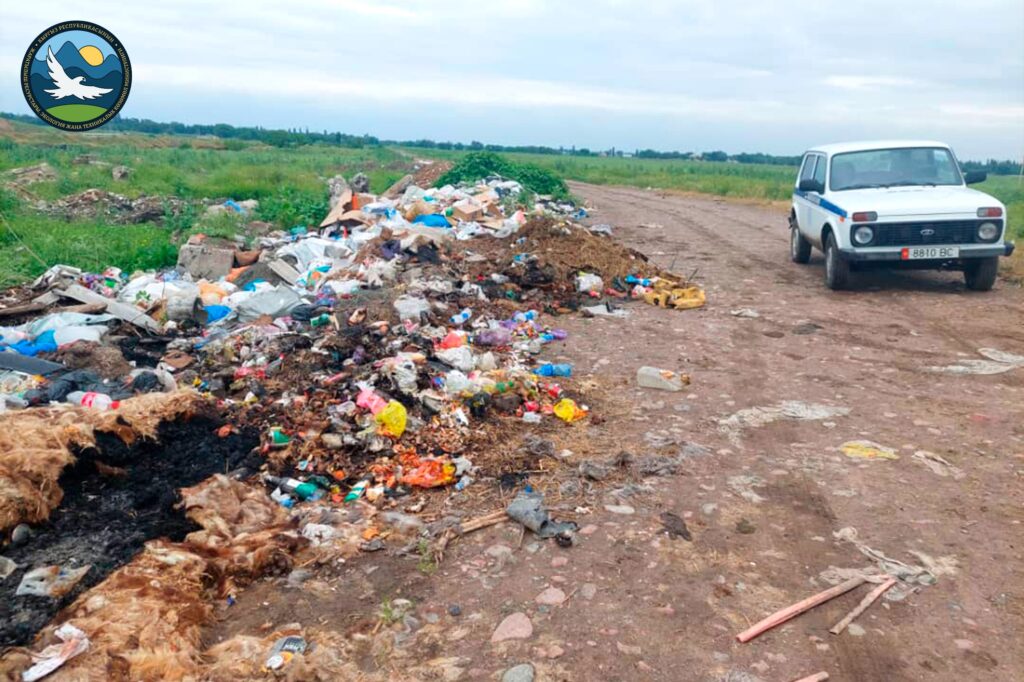
Following a ban of plastic bags in biosphere reserves and natural protected areas on June 1 2024, Kyrgyzstan is to prohibit their production, sale and distribution nationwide, from 2027 onwards. Regarding the move, the Ministry of Natural Resources of the Kyrgyz Republic stated: "Plastic and the pollution it causes, is detrimental to human health. Plastic enters the human body as micro- and nano-particles through food, packaging, water, and air. Plastic waste continues to pollute the environment at the disposal stage, and waste disposal workers suffer, especially from close contact with burning plastic." Asel Raimkulova, Deputy Minister of Natural Resources, Ecology and Technical Supervision of Kyrgyzstan, told the Times of Central Asia that whilst the use of plastic products which can be recycled within the country is under review and likely to continue, the ban on plastic bags throughout the country is absolute. Deputy ministers however, have opposed the use of plastic bottles but said that given the lack of alternatives available to Kyrgyz bottling companies, some exceptions will be made. According to eco-activists, Kyrgyzstan has some 80 plants to recycle plastic but since seven out of ten supermarket products are now fully or partially packaged in plastic, they do not have the capacity to process the ever-increasing volume of waste. "For example, in Kyrgyzstan, tetra paks—multi-layer juice or milk cartons that, at first glance, look like cardboard—are not recyclable. In addition to cardboard, such packaging contains a layer of aluminum and several layers of polyethylene. And separating them from each other is not easy,” stressed activists of the environmental movement Peshcom.

Uzbekistan: Nationwide Health Checks for Children Reveal Anaemia Worries

Uzbekistan's acting minister of health, Asilbek Khudayarov, has announced that the country recently conducted medical examinations in the majority of its schools and kindergartens. In the first half of this year, Khudayarov said, 5.7 million of Uzbekistan's 5.9 million schoolchildren were given check-ups. It was found that 1.3 million of these children (27.9%) were suffering from an illness of some kind. Eighty-one percent could be given simple treatments. Among kindergarten-age children, 1.3 million of 2 million pupils (63.5%) underwent a medical examination, and 26% of these were diagnosed with an illness. Khudayarov said that the most common illnesses were blood conditions (28.4% of cases), with anaemia a particularly common ailment. These were followed by problems with the respiratory and digestive systems (6.9% and 5.4% respectively). Almost 13 million Uzbek citizens - over a third of the population - are under the age of 18. The acting minister also noted that in recent years, fewer young Uzbeks have been traveling abroad for treatment, because hospitals in Uzbekistan are increasingly equipped with high-tech equipment. Khudayarov mentioned that presently, in addition to Tashkent, hospitals have high-tech diagnostic equipment in four regions of Uzbekistan: Samarkand, Andijan, Fergana, and Namangan. Citizens in these regions can receive quality treatment without coming to the capital.

Turkmenistan Considering Creating a Tourist Resort in Kyrgyzstan’s Cholpon-Ata

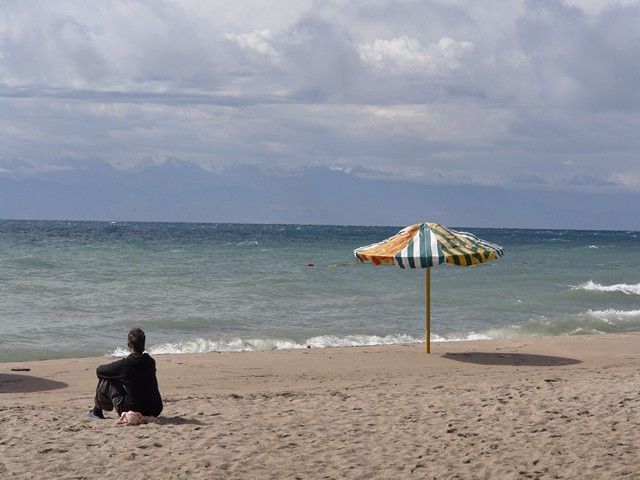
An intergovernmental committee focused on cooperation between Kyrgyzstan and Turkmenistan has met in the Kyrgyz resort of Cholpon-Ata, to discuss the potential for building a Turkmen resort in the city. Cholpon-Ata, on the shores of Lake Issyk-Kul, is Kyrgyzstan's main tourist destination, well known in Central Asia for its clean beaches and clear water. Turkmenistan has been developing its own tourism industry in recent years, based around the new Avaza National Tourism Zone on its Caspian coast.

Dangerous Afghan Sodas Seized in Kyrgyz Stores

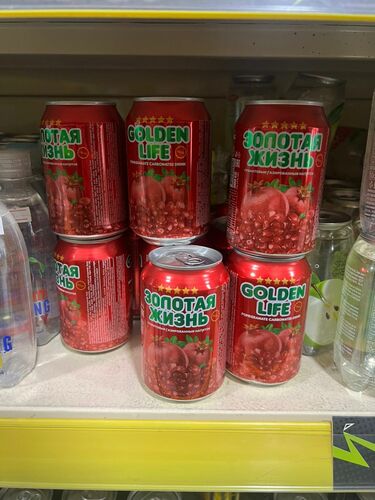
An unscheduled inspection to detect and seize from circulation the non-alcoholic carbonated pomegranate drink, “Golden Life” produced in Afghanistan was conducted in Bishkek. Earlier, the Ministry of Health of the Kyrgyz Republic reported that the Department of Disease Prevention and State Sanitary and Epidemiological Surveillance ordered that this drink be withdrawn from sale everywhere. Afghan-made sodas contain the dye azorubin E 122, which can negatively impact children's activity and attention spans. According to the Center for State Epidemiological Surveillance, 58 retail outlets, trading and market complexes were checked. The heads of enterprises were handed 65 sanitary prescriptions requiring them to withdraw these products from sale and return them to suppliers and resellers. In total, 7,356 cans of the drink were withdrawn. The heads of trade networks were instructed to prohibit the sale of this product in the future.

Rise in Kyrgyzstan Foster Families

At the beginning of July, records showed that 218 children without parental care were being raised by 110 foster families in Kyrgyzstan; an increase of 29% compared to the previous year. Active in promoting fostering as a far better alternative to orphanages , the Kyrgyz Ministry of Labor reports, "A foster or adoptive family is a trained family that provides upbringing for children in difficult life situations for a certain period of time, based on a contract with the state. Citizens between the ages of 30 to 65 are eligible to apply to become foster parents and to ensure the safety and wellbeing of their charges, receive specialist training as well as monthly checks by social service employees.  Contracted by the state, they also receive an allowance of $80 a month until the orphans come of age. According to the Ministry of Social Services, "If applicants have one or two children, they can only foster three. If foster parents have no children of their own, they can raise up to five toddlers or teenagers from three to 16 years of age." Beneficial on many levels, fostering provides children with both a secure base and opportunities to master a trade, work in agriculture or follow a profession, to enable them to lead independent lives as adults.