• KGS/USD = 0.01144 0%
  • KZT/USD = 0.00214 0%
  • TJS/USD = 0.10508 0%
  • UZS/USD = 0.00008 0%
  • TMT/USD = 0.28490 0%
  • KGS/USD = 0.01144 0%
  • KZT/USD = 0.00214 0%
  • TJS/USD = 0.10508 0%
  • UZS/USD = 0.00008 0%
  • TMT/USD = 0.28490 0%
  • KGS/USD = 0.01144 0%
  • KZT/USD = 0.00214 0%
  • TJS/USD = 0.10508 0%
  • UZS/USD = 0.00008 0%
  • TMT/USD = 0.28490 0%
  • KGS/USD = 0.01144 0%
  • KZT/USD = 0.00214 0%
  • TJS/USD = 0.10508 0%
  • UZS/USD = 0.00008 0%
  • TMT/USD = 0.28490 0%
  • KGS/USD = 0.01144 0%
  • KZT/USD = 0.00214 0%
  • TJS/USD = 0.10508 0%
  • UZS/USD = 0.00008 0%
  • TMT/USD = 0.28490 0%
  • KGS/USD = 0.01144 0%
  • KZT/USD = 0.00214 0%
  • TJS/USD = 0.10508 0%
  • UZS/USD = 0.00008 0%
  • TMT/USD = 0.28490 0%
  • KGS/USD = 0.01144 0%
  • KZT/USD = 0.00214 0%
  • TJS/USD = 0.10508 0%
  • UZS/USD = 0.00008 0%
  • TMT/USD = 0.28490 0%
  • KGS/USD = 0.01144 0%
  • KZT/USD = 0.00214 0%
  • TJS/USD = 0.10508 0%
  • UZS/USD = 0.00008 0%
  • TMT/USD = 0.28490 0%

Viewing results 1045 - 1050 of 3237

Uzbekistan Extends Agreement on Hairaton-Mazar-e-Sharif Railway with Afghanistan

Uzbekistan has reached an agreement with Afghanistan's Taliban interim government to extend the contract for operating and maintaining the Hairaton-Mazar-e-Sharif railway. Uzbekistan’s Minister of Transport, Ilhom Mahkamov, met with Mohammad Ishaq Sahibzada, Afghanistan’s Deputy Minister of Public Works for Railways, during talks held in Tashkent from January 21 to 23. Uzbekistan's Ministry of Transport agreement has confirmed the agreement. The meetings, chaired by Mahkamov, focused on accelerating the construction of the Trans-Afghan Railway project and planning the next stages of work. Both sides emphasized the importance of enhancing regional connectivity and ensuring the smooth operation of the existing railway infrastructure. Under the extended agreement, Sogdiana Trans LLC, a subsidiary of Uzbekistan Railways Joint Stock Company, will continue managing the Hairaton-Mazar-e-Sharif railway. This railway, constructed in 2010 for $129 million, has been operated by Sogdiana Trans since its completion. In August 2024, the Naibabad railway station — part of the Hairaton-Naibabad-Mazar-e-Sharif railway line — was reopened after restoration. The work was carried out by Sogdiana Trans in collaboration with the Termez Regional Railway Hub under a contract with the Afghan Railways Administration. Despite a 2022 proposal from Afghan authorities to transfer the railway’s management to local companies to reduce operational costs, the plan wasn't implemented. In 2024, the Hairaton-Mazar-e-Sharif railway facilitated the transport of 4,200 containers of goods between Afghanistan and China, according to the Afghan Ministry of Public Works. The Hairaton-Mazar-e-Sharif railway forms a critical part of the China-Kyrgyzstan-Uzbekistan-Afghanistan railway corridor. The corridor’s capacity is expected to expand significantly following the completion of the China-Kyrgyzstan-Uzbekistan railway. Currently, neither Kyrgyzstan nor Uzbekistan has a direct rail connection to China, with Central Asia’s rail access to China limited to a route through Kazakhstan. Construction of the China-Kyrgyzstan-Uzbekistan railway officially began on December 27, 2024. The 523-kilometer route will run from Kashgar (China) through Torugart, Makmal, and Jalal-Abad (Kyrgyzstan), before reaching Andijan (Uzbekistan). Once operational, the railway is expected to handle up to 15 million tons of cargo annually, creating a vital new trade link across the region. This agreement between Uzbekistan and Afghanistan secures the continued operation of the Hairaton-Mazar-e-Sharif railway and reinforces Uzbekistan’s commitment to regional cooperation and infrastructure development. These efforts aim to boost trade, connectivity, and economic opportunities across Central and South Asia.
New Labor Code Comes Into Force in Kyrgyzstan

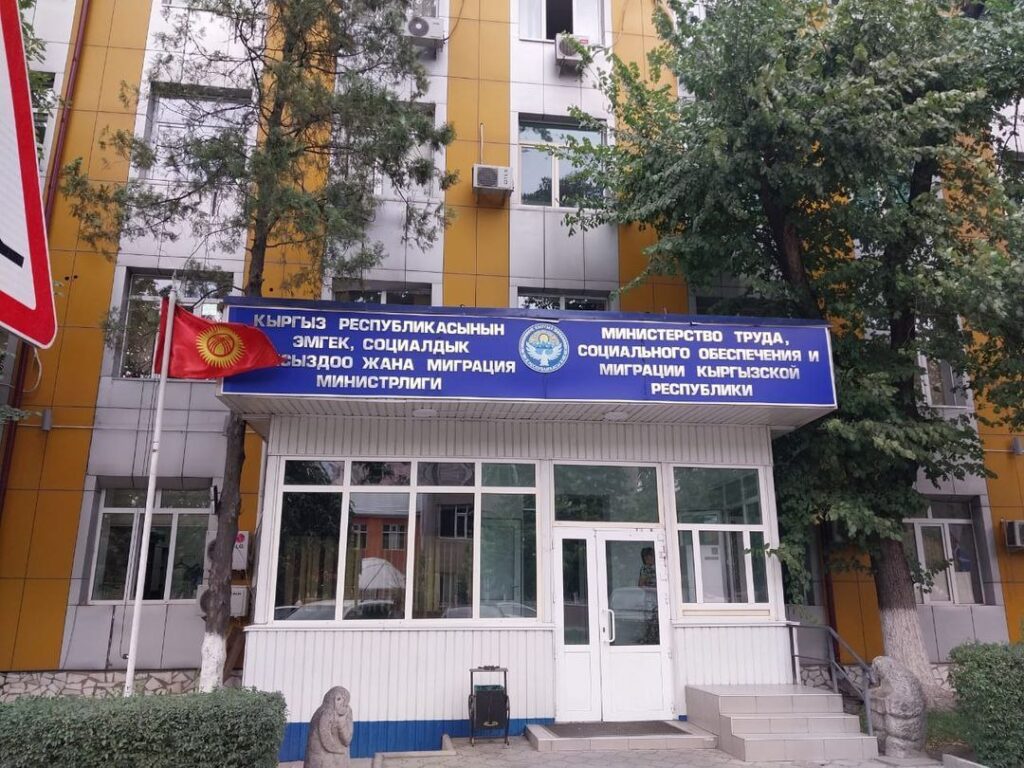
A new Labor Code has been implemented in Kyrgyzstan, introducing significant changes to labor relations in the country. The updated code includes provisions for remote work, digital labor records, and streamlined labor contracts. Additionally, relations between employees and employers will now be regulated by a separate law, “On Social Partnership.” President Sadyr Japarov signed the new Labor Code into law following its approval by Kyrgyzstan’s parliament. The reforms aim to modernize the nation’s labor practices by accelerating the digitalization of processes. Under the new code, paper labor contracts are no longer mandatory. Instead, electronic contracts will suffice for official use and inspection purposes. One of the notable provisions in the code allows for remote and hybrid work arrangements. “The labor contract, by agreement of the parties, may establish both remote work and combined remote work,” states the law, marking a shift toward more flexible employment practices. The reforms also address labor books, which traditionally served as a lifelong record of an individual’s work history. Citizens now have the option to use digital labor books, though paper versions remain valid. However, the exact platform or system for storing the digital data has yet to be determined. Another change eliminates the longstanding practice of shifting days off to accommodate public holidays. Previously, the Ministry of Labor, Social Security, and Migration could declare surrounding weekdays as non-working days. Under the new code, this practice has been discontinued, reducing the total number of non-working holidays. The Labor Code introduces several worker protections. Employers are now required to provide lump-sum benefits in the event of labor-related injuries or the death of an employee. A single penalty rate of 0.25% has been established for late payments of wages, vacation pay, severance pay, and other compensation. Employees will also have a three-year limitation period to file wage-related disputes. Additionally, the code prohibits the employment of pregnant women and nursing mothers in hazardous or physically demanding jobs, further strengthening workplace protections for vulnerable groups. These reforms are expected to streamline labor relations, improve worker protections, and align Kyrgyzstan’s labor policies with modern international standards.

Chinese Company to Develop Low-Altitude Technologies and Intelligent Manufacturing in Kazakhstan

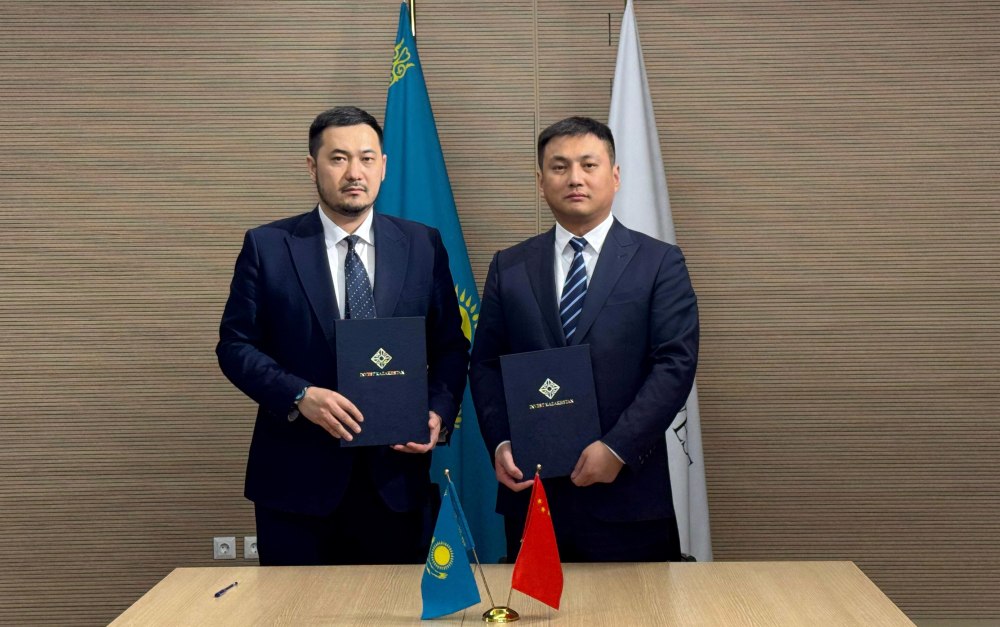
Kazakh Invest, Kazakhstan’s national investment company, has signed a memorandum of understanding (MoU) with China's Polyking New Horizons Technology Industry Co. Ltd. The agreement focuses on collaboration in the emerging field of low-altitude economy and intelligent manufacturing. As part of the partnership, the companies plan to establish an industrial park in Kazakhstan, which will integrate drone technologies, smart city solutions, and advanced manufacturing systems. The $200 million project is expected to create 1,000 new jobs, according to Kazakh Invest. Expanding High-Tech Opportunities The MoU also includes provisions for developing projects in the chemical industry and innovative technologies. These initiatives aim to strengthen Kazakhstan's position as a hub for high-tech production and innovation in Central Asia. Azamat Kozhanov, Managing Director of Kazakh Invest, highlighted the vast potential for low-altitude technologies in various sectors, including agriculture, energy, construction, and infrastructure management. “The advanced technologies and expertise of Polyking will bring new momentum to the development of this field in Kazakhstan,” Kozhanov stated. He also noted the significant economic opportunity tied to this sector, adding: “By 2050, the global low-altitude economy market is expected to reach $8.8 trillion. Therefore, we are actively creating platforms to develop new industries and providing comprehensive support.” Broader Trends in Low-Altitude Technology Kazakhstan has already taken steps to integrate drone production into its economy. The Times of Central Asia recently reported on a $12 million project by Yesil Technology Company, a subsidiary of China’s Shaanxi Kaizhuo Electronic Technology Co. Ltd., to establish an industrial drone manufacturing facility in the country. This collaboration underscores Kazakhstan’s strategic focus on becoming a leader in the low-altitude economy, a field that includes drones, unmanned aerial vehicles (UAVs), and other advanced technologies that operate at low altitudes. The partnership between Kazakh Invest and Polyking New Horizons Technology marks another milestone in Kazakhstan’s push to diversify its economy through high-tech industries. The planned industrial park, along with complementary projects like drone manufacturing, positions Kazakhstan to capitalize on the growing global market for low-altitude technologies and intelligent manufacturing. If successfully implemented, these initiatives could transform the country into a regional leader in cutting-edge technology and innovation.

Kazakhstan Leads Central Asia in Average Salaries

Kazakhstan continues to hold the top position in terms of average wages among Central Asian countries, according to a study conducted by analysts at Ranking.kz. Wage Comparisons Across Central Asia Data from the Interstate Statistical Committee of the CIS reveals that as of September 2024, Kazakhstan's average nominal monthly salary stood at $817.20. This figure is nearly twice as high as in Uzbekistan ($437.80) and Kyrgyzstan ($411.20). Tajikistan trails significantly behind, with an average salary of just $242.80 - 3.4 times lower than Kazakhstan’s. Notably, the wage gap between Kazakhstan and Tajikistan would have been even greater if not for a significant increase in Tajik wages. Over the past year, nominal salaries in Tajikistan rose by 24.9%, while real wages increased by 21.1% - the highest growth rate in the region. In comparison, wage growth in Kazakhstan, Kyrgyzstan, and Uzbekistan was more moderate. Data on salaries in Turkmenistan remains unavailable as the country has not updated its wage statistics since 2023. Minimum Wage Comparison Kazakhstan also leads the region in terms of minimum wages. In 2024, the minimum wage in Kazakhstan is 85,000 KZT ($181.10). By contrast: In Uzbekistan, the minimum wage is $89.40. In Tajikistan, it is $54.90. In Kyrgyzstan, it is just $28.30. In Turkmenistan, the official minimum wage is reported as $402.90, based on the fixed exchange rate of 3.5 TMT per dollar. However, due to the country’s reliance on a "black market" exchange rate (approximately 19 TMT per dollar), the actual minimum wage is estimated to be much lower, around $74.20. Sectoral Analysis When analyzing nominal salaries by economic sector, the highest wages in the region are found in finance and insurance. In Kazakhstan, the average salary in this sector exceeds $1,700 - three times higher than in Tajikistan ($561.90). Workers in Kazakhstan's mining industry also enjoy high incomes. In Uzbekistan and Kyrgyzstan, the financial sector and IT industry offer the highest salaries. Meanwhile, in Tajikistan, relatively high wages are reported in the manufacturing and service sectors. Inflation and Its Impact Inflation remains a key factor affecting the real purchasing power of wages across Central Asia. According to the CIS Interstate Statistical Committee, the most significant price increases in 2024 occurred in the economically developed countries of the region - Kazakhstan and Uzbekistan. Uzbekistan: Inflation reached 7.7% in October 2024. Kazakhstan: Inflation stood at 6.6%. Kyrgyzstan: Inflation was lower at 4.2%. Tajikistan: The region’s lowest inflation rate was recorded at 3.2%. These inflation rates directly influence the population's purchasing power, even in countries with higher nominal salaries like Kazakhstan and Uzbekistan. Kazakhstan’s leadership in wages and minimum income underscores its position as the most economically advanced country in Central Asia. However, inflation and significant disparities in income distribution between sectors and regions remain challenges. While countries like Tajikistan are showing progress in wage growth, the overall gap in earnings between Central Asian nations continues to highlight economic inequalities within the region.

Central Asia’s Economic Growth to Reach 5% in 2025

The World Bank’s Global Economic Prospects report offers projections for economic growth, risks, and challenges across Europe and Central Asia (ECA), highlighting mixed outcomes for the region as a whole. Regional Outlook Economic growth across ECA is projected to slow to 2.5% in 2025, with a modest recovery to 2.7% expected in 2026. This deceleration is largely attributed to weaker economic activity in Russia and Turkey, two key regional economies. Excluding these two countries and Ukraine, growth in the rest of the region is forecasted to average 3.3% in 2025-2026. The recovery in these areas will primarily be driven by private consumption and investment, as inflationary pressures ease and monetary policies gradually become less restrictive. Despite these projections, significant risks remain. Global policy uncertainty and potential changes in trade policies could negatively affect trade flows, capital investments, and economic growth. Geopolitical tensions - particularly stemming from Russia’s invasion of Ukraine - and persistent inflation in the region could also pose serious challenges to stability. Central Asia: A Bright Spot Central Asia is expected to outperform the broader ECA region, with growth projected to accelerate to 5% in 2025 before softening to 4.2% in 2026. This growth will be driven by increased oil production in Kazakhstan, which will serve as a critical engine of recovery for the region. Remittances will also continue to play a key role, particularly for Kyrgyzstan and Tajikistan. These inflows provide vital support to household consumption and help improve current account balances. However, international sanctions on Russia and financial restrictions on cross-border transfers could push some remittance flows into informal channels, potentially limiting their economic impact. Long-Term Challenges While short-term recovery appears promising, the ECA region’s long-term growth potential remains subdued. Between 2022 and 2030, annual growth is projected to average just 3.0%, down from 3.6% in the previous decade. Several factors contribute to this slowdown, including labor shortages caused by low workforce participation rates, aging populations, and significant emigration, particularly from the Western Balkans. Education remains a critical area for improvement. Although ECA boasts relatively strong educational systems, issues such as declining quality in higher education and ongoing brain drain have hindered human capital development. Addressing these issues and improving education systems could help the region move closer to high-income economies in the long term. Conclusion While Central Asia’s projected growth for 2025 presents an optimistic outlook, the region - and ECA as a whole - faces significant headwinds. Structural challenges, geopolitical instability, and demographic pressures will require governments to adopt forward-looking policies to sustain growth and promote resilience. As inflation cools and monetary policies ease, targeted investments in education and workforce development could unlock new opportunities for long-term economic stability.

Kazakhstan Ends Era of Cheap Fuel: Price Controls Set for Abolition

On January 17, the Ministry of Energy of the Republic of Kazakhstan published a number of draft orders on the Open NLA (normative legal acts) portal, which were to be discussed within five days. In total, the Ministry proposed the abolition of eleven orders regulating wholesale and retail prices for petroleum products, which have been under price control since 2014. In addition, it intends to change the calculation formulas and price ceilings for wholesale and retail sales of liquefied and natural gas. I have been writing about the need for price liberalization since 2018, as seen in articles such as “#Kazneft, part 2: The Bermuda Gasoline Triangle - Why Prices Will Rise” and “#Kazneft, part 4: We Rank Seventh in the World for the Cheapest Gasoline. Is It Sold at a Loss?” This is a landmark event for the Government of Kazakhstan, which has long maintained not only the lowest fuel prices in the region but some of the lowest globally. The country consistently ranks among the top ten nations with the cheapest energy resources, including fuel, natural gas, coal, and electricity.   Cheap and Even Cheaper According to Global Petrol Prices, as of January 20, 2025, fuel prices per liter in dollar terms across the EAEU, CIS, and neighboring countries are as follows: (Table 1) Country RON-95 Diesel Turkmenistan 0,43 0,29 Kazakhstan 0,47 0,55 Russia 0,61 0,71 Azerbaijan 0,65 0,59 Belorussia 0,75 0,75 Kyrgyzstan 0,81 0,81 Afghanistan 0,83 0,83 Uzbekistan 0,99 0,95 Georgia 1,09 1,06 China 1,15 1,02 Ukraine 1,39 1,37 Mongolia 1,49 1,19 Kazakhstan ranks seventh globally for the affordability of RON-95 gasoline, trailing behind Angola, Egypt, Algeria, Kuwait, Turkmenistan, and Malaysia. At the same time, there are “throwaway” prices in Iran, Libya, and Venezuela, but these price indicators do not reflect the actual availability of fuel in these countries. Turkmenistan also shows relatively low fuel prices, primarily due to the use of alternative fuels, such as methane, in transportation. Kazakhstan has historically had nearly double the price gap compared to its neighboring countries, which has facilitated the shadow export of fuel despite an official ban on exporting petroleum products.   A Leaky Bucket I have described Kazakhstan's domestic fuel market as a "leaky bucket"— no matter how much fuel is produced, it is constantly in short supply. In 2024, the country processed about 18 million tons of oil, with its three major refineries — Atyrau: 99% owned by the national company KazMunayGas (KMG), Shymkent: 51% owned by China National Petroleum Corporation (CNPC), and 49% by KMG, and Pavlodar: 100% KMG — accounting for approximately 17 million tons. Mini-refineries produced an additional one million tons. The production of petroleum products (excluding fuel oil) amounted to around 14.5 million tons.   The balance of petroleum products for 2025 is as follows, million tons: (Table 2) Product Production in the Republic of Kazakhstan Import from Russia Import to production, % RON-92, RON-95, RON-98 5,0 0,29 6 % Diesel fuel 5,1 0,45 9 % Jet fuel 0,75 0,3 40 % Bitumen/tar 1,1 0,50 45 % For 2025,...