• KGS/USD = 0.01144 0%
  • KZT/USD = 0.00204 0%
  • TJS/USD = 0.10441 0%
  • UZS/USD = 0.00008 0%
  • TMT/USD = 0.28490 0%
  • KGS/USD = 0.01144 0%
  • KZT/USD = 0.00204 0%
  • TJS/USD = 0.10441 0%
  • UZS/USD = 0.00008 0%
  • TMT/USD = 0.28490 0%
  • KGS/USD = 0.01144 0%
  • KZT/USD = 0.00204 0%
  • TJS/USD = 0.10441 0%
  • UZS/USD = 0.00008 0%
  • TMT/USD = 0.28490 0%
  • KGS/USD = 0.01144 0%
  • KZT/USD = 0.00204 0%
  • TJS/USD = 0.10441 0%
  • UZS/USD = 0.00008 0%
  • TMT/USD = 0.28490 0%
  • KGS/USD = 0.01144 0%
  • KZT/USD = 0.00204 0%
  • TJS/USD = 0.10441 0%
  • UZS/USD = 0.00008 0%
  • TMT/USD = 0.28490 0%
  • KGS/USD = 0.01144 0%
  • KZT/USD = 0.00204 0%
  • TJS/USD = 0.10441 0%
  • UZS/USD = 0.00008 0%
  • TMT/USD = 0.28490 0%
  • KGS/USD = 0.01144 0%
  • KZT/USD = 0.00204 0%
  • TJS/USD = 0.10441 0%
  • UZS/USD = 0.00008 0%
  • TMT/USD = 0.28490 0%
  • KGS/USD = 0.01144 0%
  • KZT/USD = 0.00204 0%
  • TJS/USD = 0.10441 0%
  • UZS/USD = 0.00008 0%
  • TMT/USD = 0.28490 0%

Viewing results 1891 - 1896 of 2976

Kazakhstan Exceeds Oil Production Quota Under OPEC+ Agreement

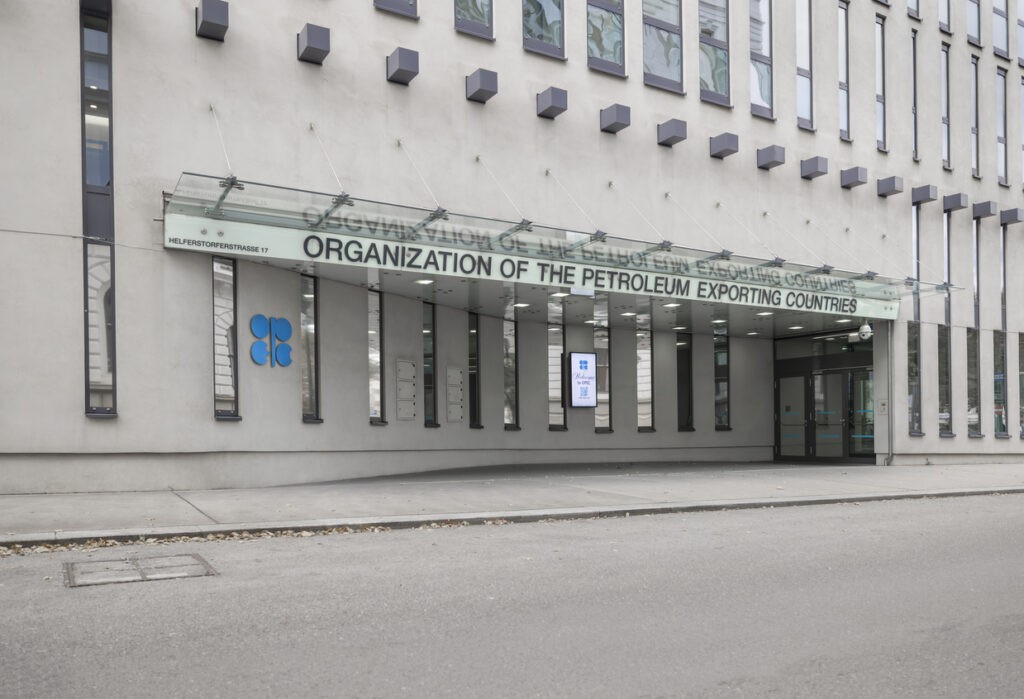
Last month Kazakhstan exceeded its oil production quota under its agreement with the Organization of Petroleum Exporting Countries (OPEC+). According to Times of Central Asia research into oil data, Kazakhstan exceeded its March 2024 limits by 131,000 barrels per day (bpd). However, Kazakhstan's Energy Ministry emphasized that this was a one-off occurrence, brought about by climatic factors in the country. "Despite this, Kazakhstan will continue efforts to comply with its obligations and compensate for overproduction in the first quarter [of 2024]," said the ministry's press service. In addition, based on the results of the 53rd meeting of OPEC's Joint Ministerial Monitoring Committee, Kazakhstan committed to submit a detailed compensation plan to the OPEC Secretariat by April 30. In early March, Kazakhstan agreed to extend its voluntary crude production cut of 82,000bpd until the end of June 2024, reaffirming its commitment to comply with international agreements and maintain stability in oil markets.
Kazakh Khorgos Still a Vital Trade Link Between China and Europe

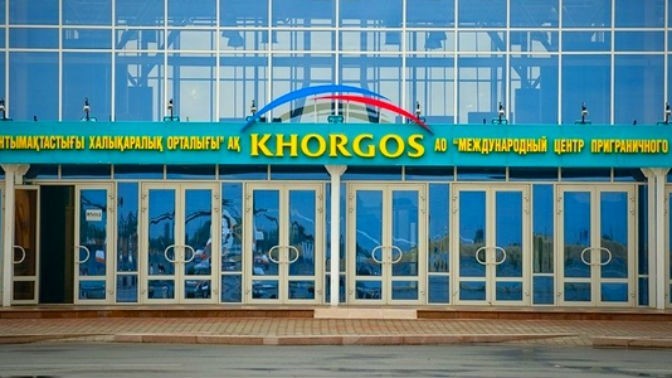
The Khorgos dry port in eastern Kazakhstan, on the border with China, has seen more than 2,000 container trains pass through it already this year, The Times of Central Asia has learned. Today 80% of all container trains taking Chinese goods to Europe pass through Khorgos. Railroad tracks in Khorgos lead to 18 countries -- and the volume of overland exports from China through Kazakhstan is growing. According to the customs service of the Xinjiang Uygur Autonomous Region, more than 35,000 trains have passed through Khorgos since the China-Europe rail route was launched in 2016. About 20 railroad trains pass through there every day. The operator of the Khorgos checkpoint control center, Ma Xiaogang, commented: "Thanks to Kazakh-Chinese interdepartmental meetings and agreements, we coordinate actions among ourselves. We have established ties with Kazakhstani railroad companies. We have simplified customs clearance procedures. In addition, it has become possible to increase the volume of freight traffic." To simplify customs procedures and increase throughput, all dry port services have switched to 24-hour operations. The clearance procedure for one train has been reduced by 30 minutes. Smart technologies have also been applied in the logistics sector. According to the Bureau of National Statistics of Kazakhstan, China is one of the country's three main trade partners. Trade turnover between the countries increased by 30% and reached $31.4 billion in 2023. China increased its exports of cars (by fourfold), computers and laptops (by 1.8x), as well as plastics and plastic products (+8.4%). In turn, Kazakhstan increased exports of oil (+7.5%), oil & gas (+15.5%), uranium (+42.7%), ferroalloys (+6.7%), ores and concentrates (+30.5%), and oilseeds (up 1.5 times).

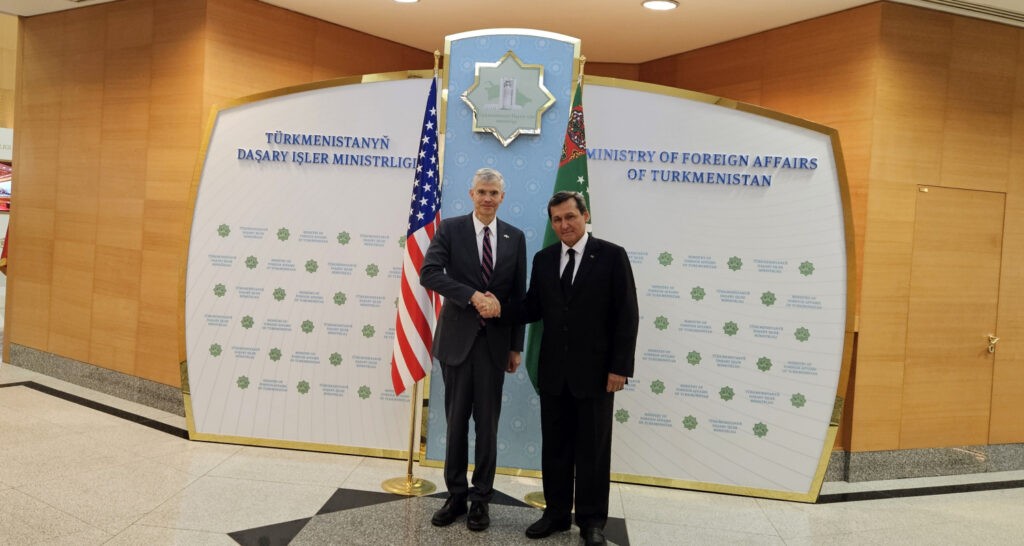
Turkmenistan and USA Set to Strengthen Partnership

On 14 April, delegations led by Rashid Meredov, Minister of Foreign Affairs of Turkmenistan and John Pommersheim, US Deputy Assistant Secretary of State for South and Central Asian Affairs, attended an annual political consultation in Ashgabat. The meeting focused on the current state and prospects for the development of Turkmen-American relations in political, trade, economic, ecology, culture, education, and humanitarian sectors. According to the Turkmen Foreign Ministry, both parties confirmed their commitment to cultural and educational programs, through monthly meetings, and approved a joint road map in the field of education. The American delegation welcomed Turkmenistan's accession to the Global Methane Commitment which underlines both countries’ determination to resolve environmental problems and create sustainable socio-economic development. The parties welcomed the establishment of inter-parliamentary cooperation as essential for maintaining contacts and coordinated approaches to resolving pressing issues.

Chinese Company Poised to Develop Lithium Industry in Kazakhstan

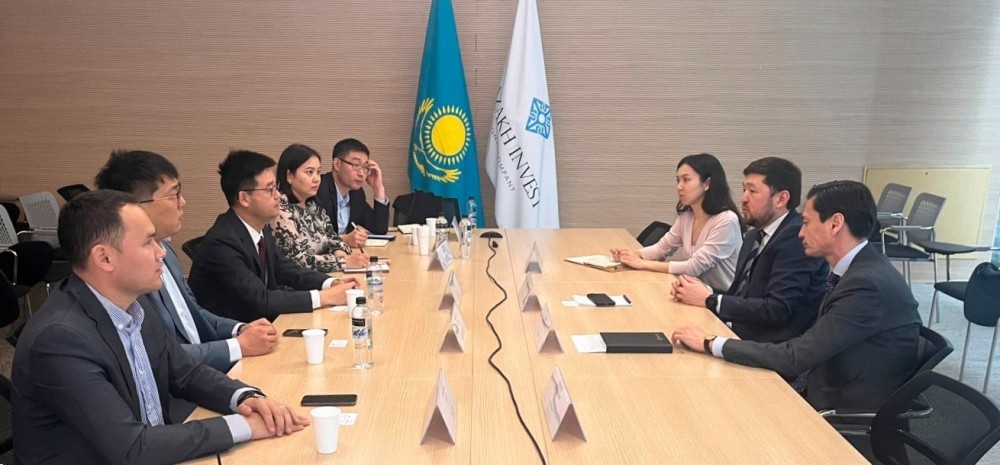
Zhicun Lithium Group, one of China’s largest companies specializing in the full-cycle production of lithium batteries, is engaged in talks with Kazakh Invest on lithium exploration, production, and processing projects in Kazakhstan. The initiative was discussed on April 12 at a meeting between the company's Vice President, Hong Wei, and Kazakh Invest’s project director, Bauyrzhan Aitkulov. With reference to Kazakhstan’s significant geological potential for the mineral, Aitkulov advised Chinese investors of the strategic importance of developing the lithium industry. He also emphasized the potential offered by the Zhicun Lithium Group’s knowledge and experience in furthering exploration and the creation of a production plant for lithium products in Kazakhstan. As reported by Kazakh Invest, both parties are poised to engage in long-term cooperation and technology transfer to create sustainable lithium production chains necessary for the development of processing industries, including green energy.

Henkel to Develop Production in Kazakhstan

Henkel, a leading German chemical and consumer goods company, is to transfer its Central Asian and Caucasus office to Kazakhstan alongside further investment in expanding its construction mix production in the country. The announcement was made at a meeting between Azamat Panbaev, Chairman of Kazakhstan’s Ministry of Industry and Construction, and Mikhail Yershov, CEO of Henkel for the Central Asian and Caucasus regions on 12 April. The company has enjoyed a long allegiance with Kazakhstan, dating back to 2006, and in addition, has operations in Uzbekistan, Tajikistan, Kyrgyzstan, Turkmenistan, Mongolia, Azerbaijan, and Armenia, as well as factories in Kunayev (formerly Kapshagai) in Kazakhstan and Tbilisi in Georgia. The move, spurred by the complexity of logistical chains, aims to optimize Henkel’s production in Eurasia and localize production to be closer to the consumer.

Robust Economic Growth in EDB Member States

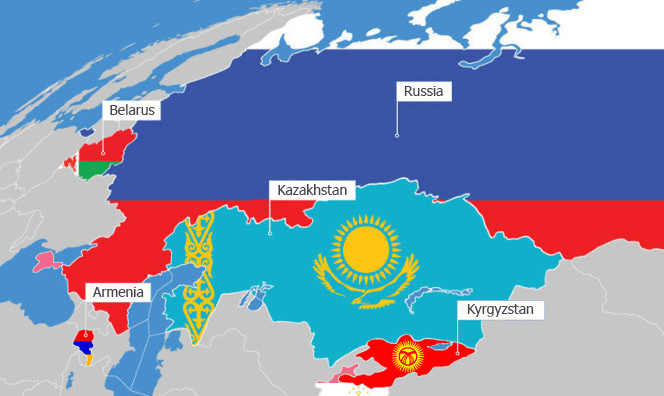
The latest Macroeconomic Review for the EDB’s six member states — Armenia, Belarus, Kazakhstan, Kyrgyzstan, Russia, and Tajikistan – was released by the Eurasian Development Bank on April 12th. Despite the challenging external economic environment, the report illustrates robust economic growth amongst all its members in January-February this year and according to short-term economic activity indicators, high GDP growth is set to continue. Fuelled by capital investment, Kazakhstan’s economy expanded by 4.2%, and Kyrgyzstan experienced a GDP surge of 8.6%, largely due to intensified investment activity, which spiked to 55%. Propelled by a dynamic increase in industrial output, economic activity in Armenia rose by 13.6%, and Belarus’s economy grew by 4% during the same period, boosted by manufacturing and retailing industries. In Russia, industrial production remains the prime driver of economic growth, raising the nation’s GDP by 6.0%, and Tajikistan’s high growth rates are maintained by consumption and investment sectors. In conclusion, the EDB reports that domestic demand within its represented countries is propelled by national projects, including increased public investment in Armenia, import substitution programs in Belarus and Russia, and the development of mechanical engineering in Kazakhstan and energy sectors in Kyrgyzstan and Tajikistan.