• KGS/USD = 0.01144 0%
  • KZT/USD = 0.00215 0%
  • TJS/USD = 0.10599 -0.28%
  • UZS/USD = 0.00008 0%
  • TMT/USD = 0.28571 0%
  • KGS/USD = 0.01144 0%
  • KZT/USD = 0.00215 0%
  • TJS/USD = 0.10599 -0.28%
  • UZS/USD = 0.00008 0%
  • TMT/USD = 0.28571 0%
  • KGS/USD = 0.01144 0%
  • KZT/USD = 0.00215 0%
  • TJS/USD = 0.10599 -0.28%
  • UZS/USD = 0.00008 0%
  • TMT/USD = 0.28571 0%
  • KGS/USD = 0.01144 0%
  • KZT/USD = 0.00215 0%
  • TJS/USD = 0.10599 -0.28%
  • UZS/USD = 0.00008 0%
  • TMT/USD = 0.28571 0%
  • KGS/USD = 0.01144 0%
  • KZT/USD = 0.00215 0%
  • TJS/USD = 0.10599 -0.28%
  • UZS/USD = 0.00008 0%
  • TMT/USD = 0.28571 0%
  • KGS/USD = 0.01144 0%
  • KZT/USD = 0.00215 0%
  • TJS/USD = 0.10599 -0.28%
  • UZS/USD = 0.00008 0%
  • TMT/USD = 0.28571 0%
  • KGS/USD = 0.01144 0%
  • KZT/USD = 0.00215 0%
  • TJS/USD = 0.10599 -0.28%
  • UZS/USD = 0.00008 0%
  • TMT/USD = 0.28571 0%
  • KGS/USD = 0.01144 0%
  • KZT/USD = 0.00215 0%
  • TJS/USD = 0.10599 -0.28%
  • UZS/USD = 0.00008 0%
  • TMT/USD = 0.28571 0%

Viewing results 1903 - 1908 of 3398

World Economic Forum Names Kazakhstan Best Tourism Destination in Central Asia

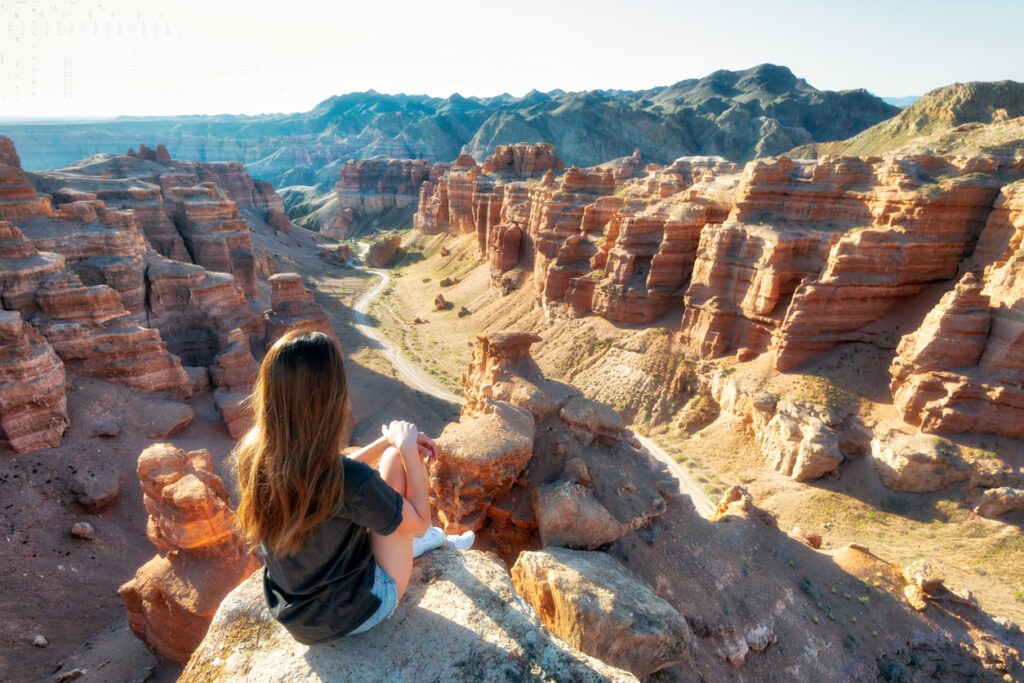
The World Economic Forum recently announced the Travel and Tourism Development Index for 2024. In this rating, the USA took first place, followed by Spain and Japan, which took second and third place respectively. France, Australia, Germany, Great Britain, China, Italy, and Switzerland completed the top ten. The Times of Central Asia has reviewed this report on the scale of Central Asian countries. When compiling the rating, 119 countries were considered in several categories: enabling environment, policy and condition, infrastructure and service, resources, and sustainability. In this rating, Kazakhstan takes 52nd place with a score of 4.07. Kazakhstan’s healthcare infrastructure, accessibility, and health security are rated at 5.98 points; it occupies 23rd place in this category. Another high indicator of the country is its socio-economic impact, in which Kazakhstan took 5th place. According to Kazakhstan's Ministry of Tourism, 1,084,800 foreign tourists visited the country in 2023. This is 156,800 more people than last year. “Our goal to develop the tourism sector in terms of quality is reflected in the rating improvement according to various criteria, including price competitiveness, quality of service, and socio-economic impact,” said Ermek Marjikpayev, minister of tourism and sports. Uzbekistan takes 78th place in the rating, up from 94th in 2019. The indicators' growth indicates that the country's tourism initiatives are gradually improving. Uzbekistan records relatively good indicators in terms of price competitiveness (25), safety and security (26), socio-economic impact (33), and demand sustainability (40). The lowest indicator is the prioritization of travel and tourism. Uzbekistan’s potential in this regard is estimated at 3.30, occupying 105th place. According to the Statistics Agency of Uzbekistan, 6.6 million tourists visited the country in 2023. During the year, citizens of the neighboring republics of Tajikistan, Kyrgyzstan, and Kazakhstan recorded the largest number of visits. The Central Asian countries record a good result in terms of price competitiveness. Tajikistan takes 10th place in this direction; its overall capabilities are estimated at 3.42 points, and it takes 99th place among 119 countries. We can also see that the country’s capabilities are relatively good in the categories of demand sustainability (21), safety, and security (33). The lowest results are non-leisure resources (113) and openness to travel and tourism (111). For reference, 1 million 256 thousand tourists visited Tajikistan in 2023, with 92.5% of them being citizens of the CIS. This is 20.2% more than in 2022. Kyrgyzstan recorded the lowest indicator in the region with 3.38 points, occupying 102nd place. Although its results are low compared to those of the other countries in the region, it ranks 11th in terms of price competitiveness. According to Nurgozi Toychuyev, the Kyrgyz representative for the economy ministry's tourism department, the republic's situation in the field of tourism is stable. “If we do not consider the coronavirus period, the number of tourists is increasing yearly. For example, at the end of 2023, Kyrgyzstan received 8 million 557 thousand foreign citizens,” he said.
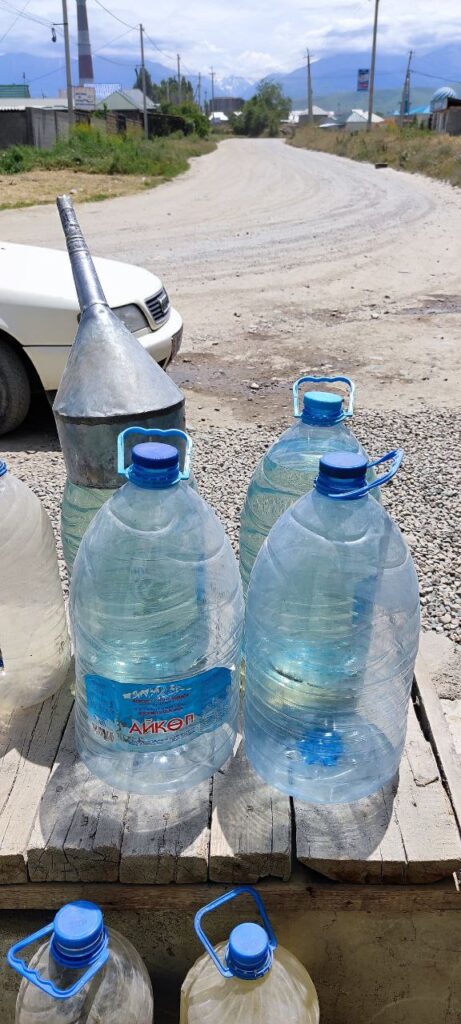
Gasoline Smuggling a Growing Business in Kyrgyzstan

Smuggled gasoline is being sold from plastic bottles on the outskirts of Bishkek. This fuel is cheaper than at official gas stations, but motorists say the quality is no worse. Kyrgyzstan's State Tax Service of Kyrgyzstan seized almost 100,000 liters of gasoline from illegal fuel and lubricant traders in the first four months of 2024 alone. The sellers were fined one million som ($11,500). Fines are doing little to stop illegal gasoline sellers. One trader explained to The Times of Central Asia that selling smuggled gasoline is very profitable, earning them about $40 a day. The fine is only $35, and since a violator must be caught to be punished, most go about their business unaffected. As of 2023, the official average salary in Kyrgyzstan stood at $376 a month. A liter of gasoline at such illegal points costs, on average, 10% less than at official gas stations: the trade is thriving and gaining momentum yearly. The State Tax Service explained to The Times of Central Asia that their competence includes checking electronic invoices and the presence of cash registers or patents to pay taxes to the state. As a rule, illegal sellers have neither, so they are fined, and their products are confiscated. However, the tax authorities cannot completely stop the activities of traders. Two other government agencies can check fuel sellers: the traffic police and the ministry of natural resources. But Kyrgyzstan has a moratorium on business inspections, so officials' hands are tied. Illegal sellers sell both Russian and Kazakhstani gasoline. The supply chain is well organized -- tanker truck owners take the fuel from the bases of official gas stations to special storage sites. Then gasoline is poured into plastic containers and sold on highways. The average capacity of a gasoline tanker is about 15 tons, and one tanker can transport up to 100 tons per day. Despite the ban on exporting fuels and lubricants from Kazakhstan, gasoline and diesel from there are still smuggled into Kyrgyzstan. Points of sale for such fuel are concentrated along the border with Kazakhstan, on the northern outskirts of Bishkek. Kazakh gasoline is cheaper than Kyrgyz, which contributes to its popularity. Fuel from the neighboring country is delivered in hidden containers in ordinary cars and heavy trucks, and there are even secret underground gasoline pipelines in border communities. The business of selling smuggled gasoline also thrives thanks to corruption. For example, last year, officers of the State Committee for National Security detained several employees of the State Tax Service, who, for a fee, made false transportation documents within the country and false consignment notes and seals.

Middle Powers Converge: Kazakhstan and Singapore Strengthen Bilateral Ties

During his country’s first presidential-level visit to Singapore in two decades, Kazakhstan’s President Kassym-Jomart Tokayev met with Singapore’s Prime Minister Lawrence Wong on May 23. The meeting represents an alignment of interests and resources between the two middle powers and serves to create a more balanced and cooperative global environment.   Identifying middle powers When global powers become embroiled in their domestic issues or engage in rivalries that prevent effective international cooperation, middle powers step in to fill the leadership void. For instance, Canada has historically taken a lead in peacekeeping missions under the United Nations, advocating for human rights and mediating conflicts where larger powers are either unwilling or unable to engage. Middle powers, also referred to as “swing states”, are defined as influential players in international politics who resist taking sides in major conflicts and possess a specific combination of characteristics such as geostrategic location, demography, economic performance, natural resource wealth, military power and/or political influence. In a January 2024 study, the German Institute of Security and International Affairs (SWS) listed Kazakhstan among twelve notable “middle powers” in the world, who were of great importance to Germany and the EU for either shaping policies or minimizing geoeconomic risks by diversifying foreign policy relations. Kazakhstan possesses immense energy resources and critical materials for the green transition. Bordering Russia, China, and the Caspian Sea, it also offers a land bridge linking East-West and North-South corridors. Singapore is also considered a middle power with its notable regional and international influence, particularly in the Indo-Pacific region. A highly developed country with one of the highest per capita GDPs in the world, Singapore is the only nation in Asia with a “AAA” sovereign credit rating from all major rating agencies. Additionally, it has one of the highest per capita defense expenditures globally and is among the largest arms manufacturers.   A partnership between Kazakhstan and Singapore strengthens their middle power status What distinguishes middle powers from smaller powers is their ability to be more independent and active, particularly in the realm of diplomacy. The collaboration between these two leaders, therefore, helps solidify their middle power status. On a diplomatic level, President Tokayev emphasized Singapore's role as Kazakhstan’s strategic partner in Southeast Asia and expressed confidence that his state visit would strengthen bilateral relations. For his part, Prime Minister Wong highlighted that Singapore could serve as a gateway for Kazakhstan to engage with Association of Southeast Nations (ASEAN) while Kazakhstan could help Singapore build ties with Central Asia. Economically speaking, collaboration offers great potential gains for both sides. Currently, over 140 Singaporean entities and joint ventures operate in Kazakhstan, with total investment exceeding $1.7 billion. These numbers are expected to rise through further integration of their economies. During their recent meeting, the leaders focused on key sectors where Kazakhstan brings high strategic value. For instance, Wong expressed the importation of more agri-food products from Kazakhstan. Singapore’s Indorama Corporation is already in discussions about the production of phosphate fertilizers in Kazakhstan. Logistics is another key...

World Bank Helps Kyrgyzstan To Restore Its Natural Landscape

The World Bank will provide Kyrgyzstan with a $52.4 million loan to restore some of the country's land. The allocated funds will be used to reconstruct over 450km of protective structures, build 26km of dams, strengthen riverbanks, undertake landscaping, and purchase equipment. The project is designed to directly benefit more than 50,000 people in the Jalal-Abad, Osh, Issyk-Kul, and Naryn regions. A government report on the landscaping project says: "Of this amount, 45 million dollars will be provided in the form of a loan from the World Bank, 5 million dollars will come in the form of a grant from the Global Partnership for Sustainable Landscapes (PROGREEN), and another 2.4 million dollars will be allocated by the Korea-World Bank Partnership Fund (KWPF)." The loan will be for 10 years with a grace period of 50 years, with 38 years of the loan being interest-free.

Uzbekistan to Build a Nuclear Power Plant

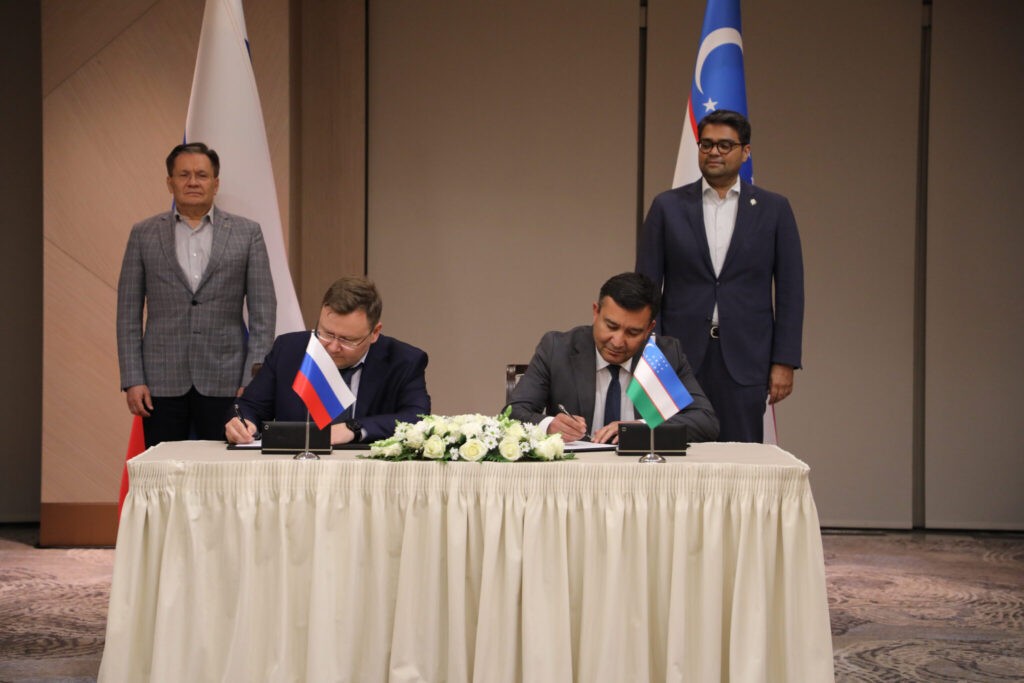
During the Russian president's state visit to Uzbekistan, a protocol on amending the intergovernmental agreement on cooperation between the two countries in the construction of a nuclear power plant in Uzbekistan was signed, Atom Media reports. On the margins of the event, Russia's Atomstroyexport joint stock company and the Directorate for NPP Construction under the Atomic Energy Agency of the the Cabinet of Ministers of the Republic of Uzbekistan signed a contract for the construction of a small-capacity nuclear power plant (SCNPP). The project envisages a Russian-designed ASMP in the Jizzakh region with a capacity of 330 MW (six reactors with a capacity of 55 MW each). Rosatom will be the general contractor for the construction of the plant, with local companies also be involved in the construction. Thus, Rosatom has signed the first-ever export contract to construct a small-capacity nuclear power plant. "According to forecasts, the demand for energy resources in Uzbekistan will almost double by 2050, and it is obvious that for the stable operation of the energy system and the development of the economy, our country must provide itself with a basic source of energy. All over the world, we are now seeing a growing interest in the creation of new nuclear facilities, both in terms of building large-capacity NPPs and small modular reactor projects. We believe that expansion of cooperation with Rosatom will allow us to strengthen our energy complex with advanced technologies in nuclear energy," Azim Akhmedkhadzhaev, director of the Atomic Energy Agency under the Cabinet of Ministers of the Republic of Uzbekistan commented on the signing. Construction work on the site will begin this summer. The project of construction of ASMM is based on the latest Russian development - the RITM-200n reactor. This development has been tested in Arctic conditions on the newest Russian icebreakers. Since 2012, 10 RITM-200 reactors have been manufactured for the universal nuclear icebreakers Arktika, Sibir, Ural, Yakutia and Chukotka. The first three have already been commissioned and are successfully fulfilling their obligations to guide caravans of ships in the western region of the Arctic. The safety of the planned low-capacity nuclear power plant will be achieved through multilevel systems and containment barriers. The combination of active (requiring power supply sources) and passive (operating without a power source) safety systems makes it possible to achieve the highest possible level of plant safety. These systems are implemented to prevent the possibility of an accident, and several levels of barriers incorporated in the plant design avoid the release of radioactive substances into the environment. According to the IAEA, approximately 50 ASMM designs and concepts are at various stages of development worldwide. Rosatom and Uzatom have yet to announce the cost and planned timing for the completion of the project.

Poland and Russia Ensure Continued Transit of Kazakh Oil to Germany

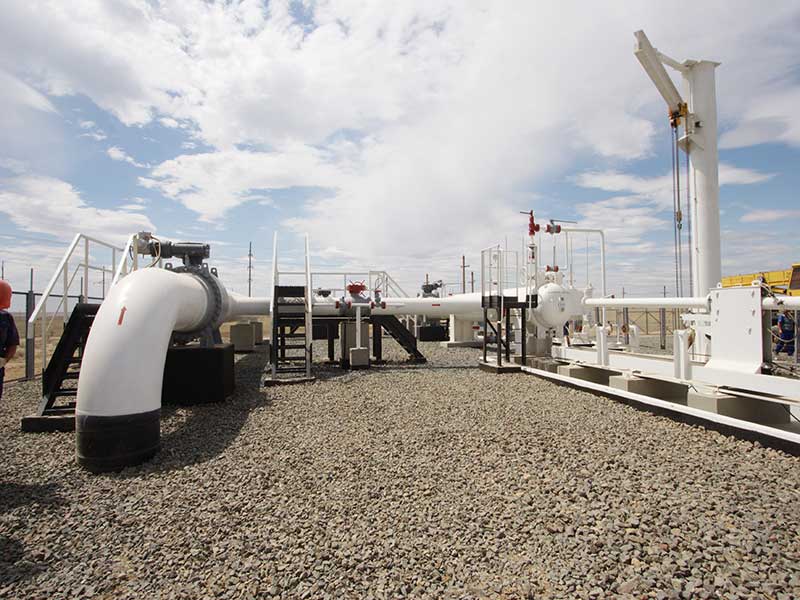
Pipeline operators PERN (Poland) and Transneft (Russia) have agreed to ensure the continued transit of Kazakh oil to Germany,  reported Reuters. The Druzhba pipeline runs through Russia to the Belarusian city of Mozyr, after which it splits northwards in the direction of Poland and Germany, and southwards, to Hungary, the Czech Republic, Slovakia and Croatia. The northern pipeline has the capacity to  carry  two million barrels of oil per day from Kazakhstan into Poland. Back in  April, Transneft warned Kazakhstan that the transit of its oil to Germany could cease as a result of the situation concerning the certification of oil flow meters in Poland. The devices must be periodically certified for compliance with Russian standards and the verification of oil flow meters on the Polish section of the Druzhba pipeline must be completed by June 5. To  address the issue , the  Polish pipeline operator PERN, Russian state-owned Transneft, and German refiner PCK Schwedt, which receives supplies from Kazakhstan, have agreed that the German company will maintain oil flow meters on the Polish section of the Druzhba pipeline. The work required to maintain metering on the Polish section and in turn, remove the risks imposed by  PERN's sanctions,  are to be undertaken by an unnamed Slovak company.