• KGS/USD = 0.01144 0%
  • KZT/USD = 0.00204 0%
  • TJS/USD = 0.10398 0%
  • UZS/USD = 0.00008 0%
  • TMT/USD = 0.28490 0%
  • KGS/USD = 0.01144 0%
  • KZT/USD = 0.00204 0%
  • TJS/USD = 0.10398 0%
  • UZS/USD = 0.00008 0%
  • TMT/USD = 0.28490 0%
  • KGS/USD = 0.01144 0%
  • KZT/USD = 0.00204 0%
  • TJS/USD = 0.10398 0%
  • UZS/USD = 0.00008 0%
  • TMT/USD = 0.28490 0%
  • KGS/USD = 0.01144 0%
  • KZT/USD = 0.00204 0%
  • TJS/USD = 0.10398 0%
  • UZS/USD = 0.00008 0%
  • TMT/USD = 0.28490 0%
  • KGS/USD = 0.01144 0%
  • KZT/USD = 0.00204 0%
  • TJS/USD = 0.10398 0%
  • UZS/USD = 0.00008 0%
  • TMT/USD = 0.28490 0%
  • KGS/USD = 0.01144 0%
  • KZT/USD = 0.00204 0%
  • TJS/USD = 0.10398 0%
  • UZS/USD = 0.00008 0%
  • TMT/USD = 0.28490 0%
  • KGS/USD = 0.01144 0%
  • KZT/USD = 0.00204 0%
  • TJS/USD = 0.10398 0%
  • UZS/USD = 0.00008 0%
  • TMT/USD = 0.28490 0%
  • KGS/USD = 0.01144 0%
  • KZT/USD = 0.00204 0%
  • TJS/USD = 0.10398 0%
  • UZS/USD = 0.00008 0%
  • TMT/USD = 0.28490 0%

Viewing results 385 - 390 of 831

Water Supply Plan to the Aral Sea is Almost 100% Complete

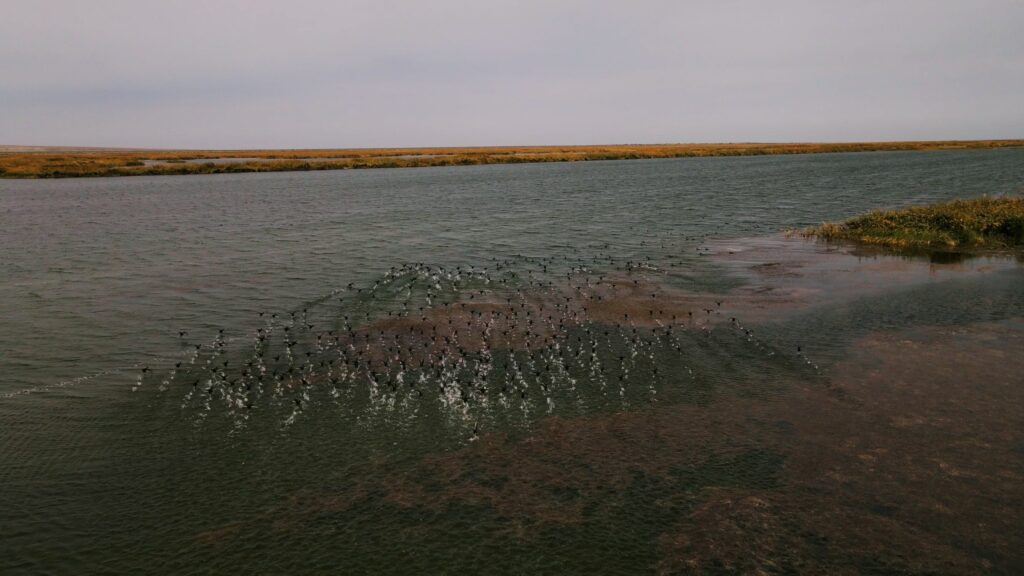
This year, the Aral Sea received 977 million cubic meters of water, which allowed it to fulfill the water supply plan by almost 100% during the irrigation period. This is the first time in the last five years it has got close to 100%. Deputy Head of Aral-Syrdarya Basin Inspection Zeinollah Kaztoganov noted that this year, the volume of water flowing into the Northern Aral increased to 60-70 cubic meters per second, ten times more than in previous years when the figure was 7-10 cubic meters per second. Now, the total volume of water in the Northern Aral is about 22 billion cubic meters. Additionally, more than 45 million cubic meters of water were directed to Akshatau, Sorgak, and Kamystybas lakes, which positively impacted fishing and tourism: water salinity decreased, and fish populations increased. If the catches of local fishermen earlier were only 400 tons a year, this year they reached over 7,500 tons. Kuntugan Turganbayev, a 76-year-old fisherman from the village of Karateren who has been fishing all his life, said that with the inflow of water into the Aral Sea, there is a prospect for the development of fisheries. He noted that this year, there are more fish than last year, and if the current water level in the Aral Sea is maintained, the fishery will continue to grow. Meanwhile, Uzbekistan's Ministry of Water Resources and Irrigation and the World Bank are developing the second phase of a program to conserve the Northern Aral Sea. This program is aimed at improving water supply, construction, and modernization of water infrastructure. The main objective is to support sustainable water use, which includes the development of agriculture, tourism, and fisheries in the region. The project also provides for the establishment of an automated water management system, which will help control water flows effectively and ensure stable water levels in the Northern Aral Sea.
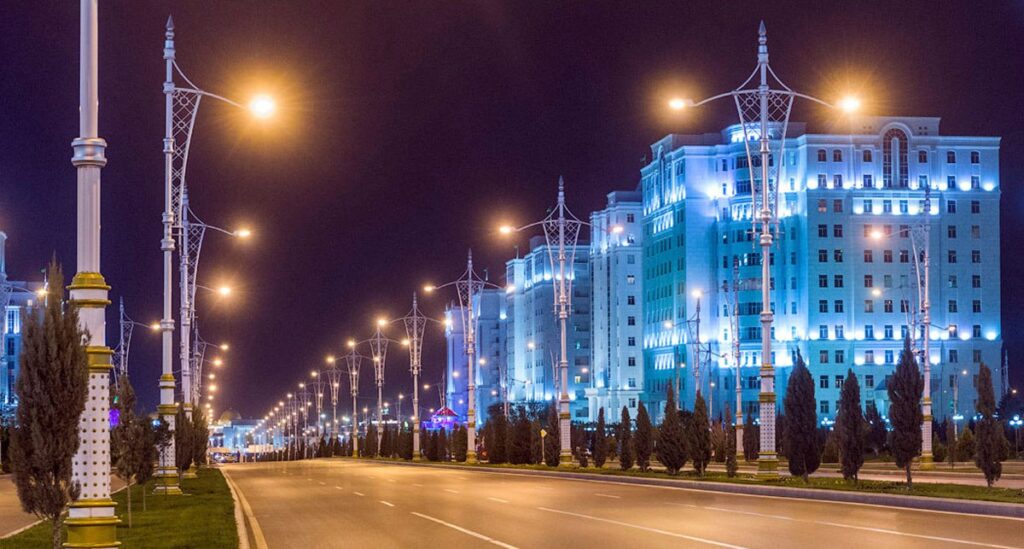
Anniversary of the Ashgabat Earthquake Tragedy

In every city's history, there are events that forever change its image and the fate of its inhabitants. The night of October 5-6, 1948, marked a turning point for Ashgabat, with a tragic event which still resonates in the hearts of those who lived through it. On that warm October evening, no one in Ashgabat could ever have predicted that the next few hours would forever change the fates of tens of thousands of people. Life in the city continued as usual, music played in the parks, lovers strolled along the streets, and students prepared for classes. The starry sky promised a peaceful night... Founded in 1881, when seismology was still young, Ashgabat grew and developed, oblivious to any impending danger. Traditional adobe construction —a mixture of clay and straw—seemed ideal for the dry climate. Year on year, residents renewed their clay roofs, adding new layers without considering that the increasing weight could be a death trap. “Only the stone building of the Central Committee of the Communist Party of Turkmenistan and a few other important buildings were made of quality bricks,” recalled one eyewitness. “It was these buildings, though damaged, that survived, while virtually the rest of the city was reduced to rubble.” [caption id="attachment_24231" align="aligncenter" width="300"] @mchs.gov.ru[/caption] “In the middle of the night - we heard- a menacing rumble, then rumbling and cracking as the ground shook and shimmered...” said one of the survivors, recalling the beginning of the tragedy. At 1.14 am on October 6, 1948, something happened that many Ashgabat residents believed was the start of a new war. Within but a few seconds, the city was a ruin. Academician Dmitry Nalivkin, who was at the epicenter of events, describes the harrowing event: “There was something incredible, impossible outside the window. Instead of a dark transparent starry night, there was an impenetrable milky-white wall in front of me, and behind it - horrible moans, screams, cries for help.” [caption id="attachment_24232" align="aligncenter" width="300"] @mchs.gov.ru[/caption] According to Nalivakin, the city was completely paralyzed. Telephone communications were interrupted, the train station turned into a pile of rubble, and the airfield was destroyed. Overnight, the capital of the republic was cut off from the outside world. In a matter of seconds, 98% of the city was rubble. Lieutenant Colonel of Medical Service Tikhon Boldyrev describes the first minutes after the catastrophe: “A deafening noise like a deep sigh swept through the city, and immediately there was dead silence. The air was filled with thick, suffocating dust. There was no sound, no cries for help, no animal sounds; it was as if every living thing had perished beneath the ruins.” In the darkness, in a dense veil of dust, survivors raked through the rubble with their bare hands, trying to save their loved ones. Alevtina Dubrovskaya, a resident of Ashgabat, recalls, “I found myself covered from head to toe with a mat hanging over my bed, but there was some space with air under it, which saved me from suffocation...” [caption...

Kazakhstan Set to Plant Two Billion Trees

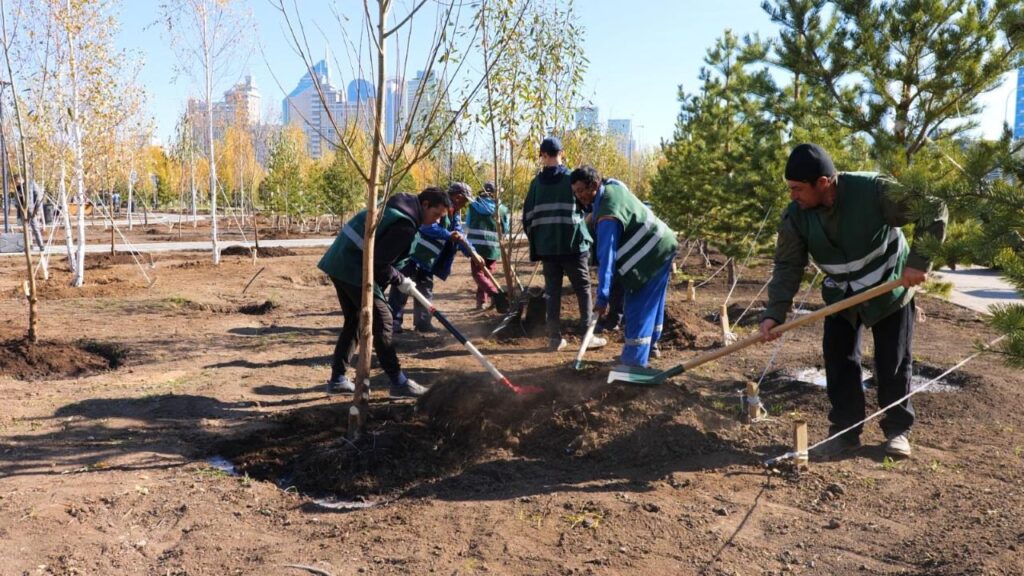
The government's press service reported that about 970 million saplings have been planted across Kazakhstan since 2021, and the country plans to plant over a billion more by the end of 2027. Minister of Ecology and Natural Resources Yerlan Nysanbayev said this at the October 8 government meeting on measures to expand the area under forests in Kazakhstan. Over the past five years, the area under forests in Kazakhstan has increased by 267,000 hectares. At the meeting, Prime Minister Olzhas Bektenov said: "The head of state has set the task of planting two billion trees, which will increase the forest area in the country to 14.5 million hectares. The expansion of forests and parks and the preservation of biodiversity for future generations are some of the priorities for improving the environmental situation. This is a very complex and long-term work. We need to make every effort to increase the area under forests and preserve the existing forests." The meeting focused on measures to protect forests from fires and illegal logging. Large wildfires in the past years have shown the forestry services' unpreparedness to counteract them. In this regard, the government is working to equip them with firefighting machinery and equipment. This year, 52 billion tenge ($106 million) has been allocated to purchase 1,384 pieces of firefighting equipment. Today, the early detection system of forest fires covers more than 900,000 hectares of forests. Its effectiveness has been proved by the example of the Burabay (Borovoye) National Park, where the average area of forest fires has been reduced 50-fold. According to Nysanbayev, another important issue is planting forests on the dried bottom of the Aral Sea. Over the past 30 years, trees and shrubs have been planted on more than 600,000 hectares of the former Aral Sea bed, including 413,000 hectares over the past four years.

USAID Launches Green Solutions in Kyrgyzstan

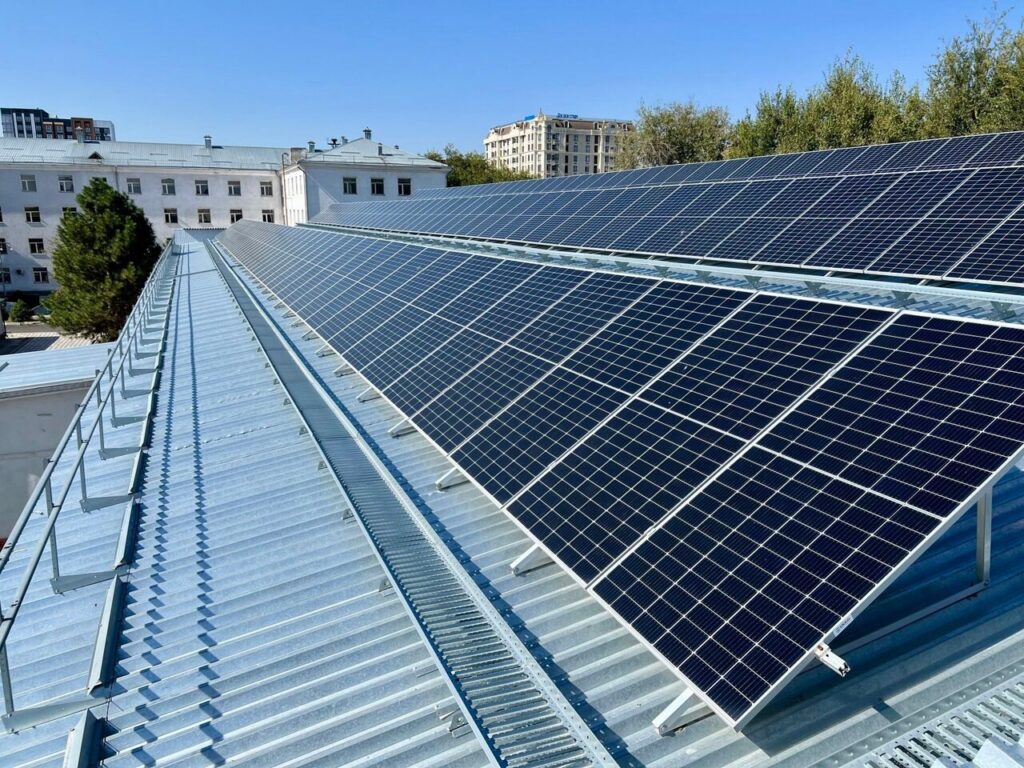
The United States Agency for International Development (USAID) has announced a new U.S. government-sponsored Green Solutions Activity. This five-year initiative backed by a $24 million investment aims to empower small and medium enterprises in Kyrgyzstan to adopt innovative green solutions, enhance energy efficiency, and increase the supply of renewable energy, the U.S. Embassy in Bishkek reported. “This investment marks a pivotal moment in the U.S. government’s commitment to building a greener future in close partnership with the Government of the Kyrgyz Republic. USAID will partner with local businesses and offer grants to adopt green solutions and technologies. Importantly, we will also work with local banks and financial institutions to advance green finance initiatives,” USAID Deputy Assistant Administrator Änjali Kaur stated at the launch event in Bishkek. The launch event occurred at Kyrgyzstan’s first rooftop grid-connected photovoltaic solar plant at the Kyrgyz State Technical University. Developed with USAID support and officially inaugurated in December 2023, the 80-kilowatt solar power installation can generate 143,037 kilowatt hours annually. It not only powers the university but also enables it to sell excess electricity back to the grid, effectively helping to offset operational costs and modeling a more sustainable energy future for the region. USAID is supporting the Kyrgyz government’s green economy initiative to diversify its energy sources into various clean energy forms. The regional Power Central Asia activity focuses on energy sector connectivity and decarbonization, energy security and resilience, and expanded cross-border electricity trade. Additionally, the USAID Future Growth Initiative and USAID Agro Trade Activity promote green production.

U.S. Ready to Participate in Construction of Nuclear Power Plant in Kazakhstan

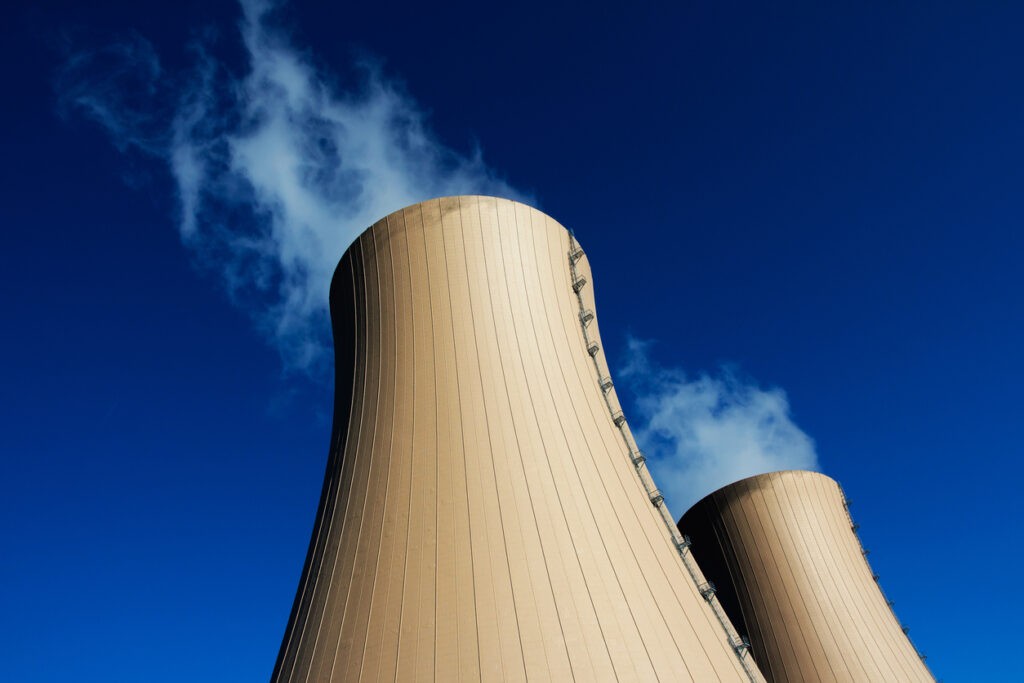
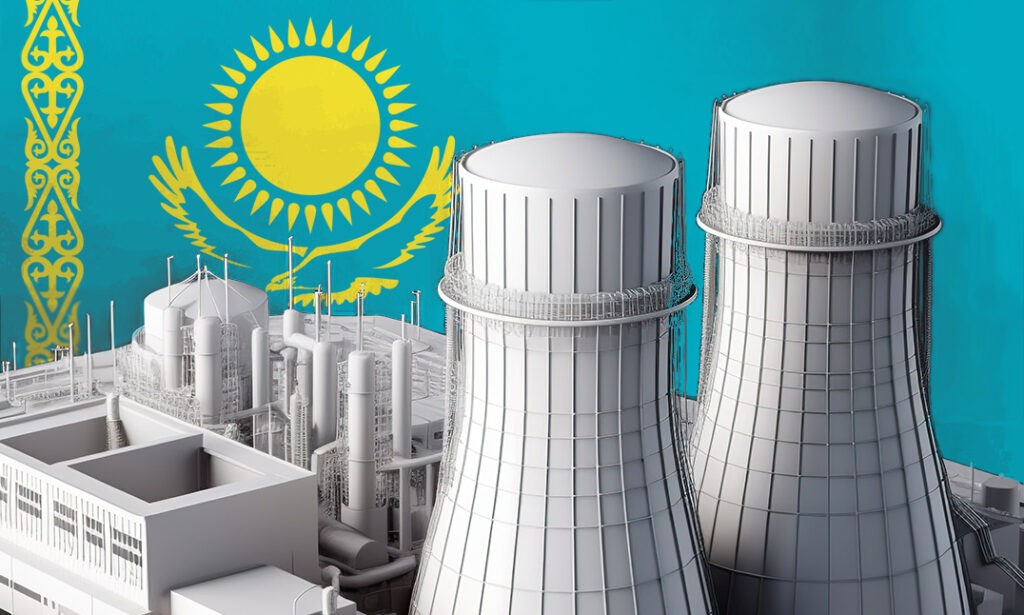
The U.S. has expressed its willingness to participate in constructing a nuclear power plant (NPP) in Kazakhstan. Senior Vice President of the U.S. Chamber of Commerce Khush Choksi made this statement during the visit of the U.S. business delegation to Almaty, Informburo.kz reports. “The U.S. has the best technologies for nuclear power plants. And we hope there will be an open tender, allowing American companies to participate,” said Choksi, answering journalists' questions. As The Times of Central Asia previously reported, the referendum on nuclear power in Kazakhstan was held on October 6. According to preliminary data, 71.12% of Kazakhstanis voted to build a nuclear power plant, but the official results have yet to be announced. Potential participants in constructing the nuclear power plant are also being discussed. Russia, China, France, South Korea, and France are among the countries that are considered suppliers of technologies for NPP construction. These states have proposed their projects, and the Kazakhstani authorities are considering them. It is expected that the winner may be an international consortium, and the final decision will be made based on technical and financial conditions. The preliminary cost of one NPP unit is estimated at $5 billion.

Referendum for Nuclear Power in Kazakhstan Passes

Kazakhstan's nuclear energy referendum on October 6 passed with a 71.12 % majority, marking a pivotal shift in the country's energy strategy. The nation has faced significant challenges with an aging energy infrastructure and a reliance on Russia to fill the gaps. The decision comes with historical sensitivities as Kazakhstan continues to grapple with the legacy of Soviet-era nuclear tests that caused widespread harm. The referendum offered citizens a direct voice in shaping their energy future, reflecting both the urgency of addressing the country’s current needs and the deep-seated concerns over nuclear safety. On the referendum ballot, Kazakhstanis were asked, “Do you agree to the construction of a nuclear power plant in Kazakhstan?”. The voter turnout was high, according to the Central Referendum Commission, with 7,820,918 Kazakhstan citizens receiving ballots, amounting to a 63.87% voter turnout. The voter turnout for the referendum on the new constitution in Kazakhstan, held on June 5, 2022, was similarly high at 68.44%. As the world's largest uranium producer, Kazakhstan is well-positioned to leverage its rich resources to transition towards more sustainable energy solutions. President Kassym-Jomart Tokayev has emphasized the critical importance of nuclear energy, not only in meeting the immediate electricity needs amidst frequent power outages but also in aligning with global environmental commitments. At the Convention on Climate Change (COP28) held in Dubai on December 1, 2023, Tokayev made a Global Methane Pledge to reduce methane emissions by 30 percent by 2030. The nuclear power plant is expected to reduce Kazakhstan's reliance on fossil fuels, thus decreasing greenhouse gas emissions. Uzbekistan has already begun construction of a nuclear power plant 55km from the Kazakhstan border. Kyrgyzstan may also build a nuclear power plant in the Chui region, which is less than 300km south of the planned Kazakhstani plant in Ulken on Lake Balkash. International observers from the Shanghai Cooperation Organization (SCO), the Organization of Turkic States (OTS), and the Conference on Interaction and Confidence Building Measures in Asia (CICA) have all affirmed that the recent referendum was conducted in accordance with current legislation, describing it as open, free, and legitimate. Kazakhstan’s Deputy Foreign Minister Roman Vassilenko noted the participation of over 200 foreign journalists during the referendum, underscoring the transparency and openness of the voting process. Radio Free Europe, through its affiliate Azattyk, was critical of the referendum. An incident of ballot stuffing at a Turkestan poll station was reported, as were accessibility issues for the disabled voters in the Uralsk region. One observer witnessed a suspicious busload of voters in Turkestan. RFE correspondents reported difficulty in getting voter turnout results throughout the afternoon at a station in Karganda and Aktobe. With that in mind, the irregularities seem to be few and far between overall: The League of Young Voters, a vigilant group of local observers, identified a total of 20 technical violations across the country’s 10,249 polling stations. The referendum day proceeded without significant issues, shifting attention to Kazakhstan's urgent energy shortfalls. With the nuclear power plant expected to be operational in 2034,...