• KGS/USD = 0.01144 0%
  • KZT/USD = 0.00216 0%
  • TJS/USD = 0.10630 -0.09%
  • UZS/USD = 0.00008 0%
  • TMT/USD = 0.28530 0%
  • KGS/USD = 0.01144 0%
  • KZT/USD = 0.00216 0%
  • TJS/USD = 0.10630 -0.09%
  • UZS/USD = 0.00008 0%
  • TMT/USD = 0.28530 0%
  • KGS/USD = 0.01144 0%
  • KZT/USD = 0.00216 0%
  • TJS/USD = 0.10630 -0.09%
  • UZS/USD = 0.00008 0%
  • TMT/USD = 0.28530 0%
  • KGS/USD = 0.01144 0%
  • KZT/USD = 0.00216 0%
  • TJS/USD = 0.10630 -0.09%
  • UZS/USD = 0.00008 0%
  • TMT/USD = 0.28530 0%
  • KGS/USD = 0.01144 0%
  • KZT/USD = 0.00216 0%
  • TJS/USD = 0.10630 -0.09%
  • UZS/USD = 0.00008 0%
  • TMT/USD = 0.28530 0%
  • KGS/USD = 0.01144 0%
  • KZT/USD = 0.00216 0%
  • TJS/USD = 0.10630 -0.09%
  • UZS/USD = 0.00008 0%
  • TMT/USD = 0.28530 0%
  • KGS/USD = 0.01144 0%
  • KZT/USD = 0.00216 0%
  • TJS/USD = 0.10630 -0.09%
  • UZS/USD = 0.00008 0%
  • TMT/USD = 0.28530 0%
  • KGS/USD = 0.01144 0%
  • KZT/USD = 0.00216 0%
  • TJS/USD = 0.10630 -0.09%
  • UZS/USD = 0.00008 0%
  • TMT/USD = 0.28530 0%

Viewing results 1597 - 1602 of 2441

Kazakhstan Imported 500 Million Cubic Meters of Russian Gas in First Quarter 2024

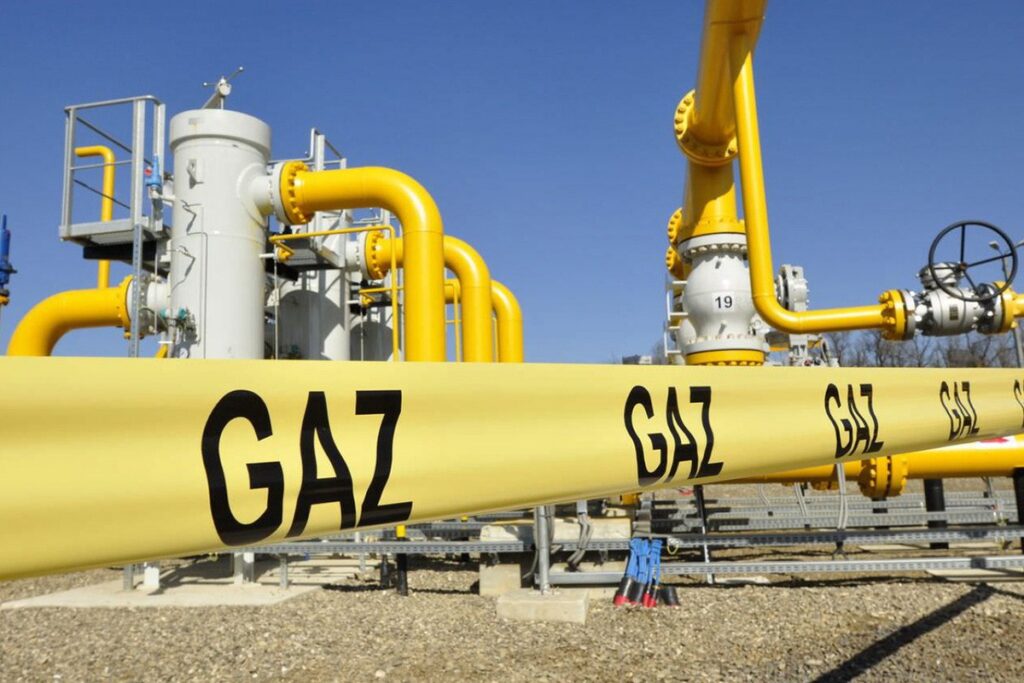
In the first quarter of 2024 Kazakhstan took delivery of 500 million cubic meters of Russian gas, according to a report by the Ministry of Energy of Kazakhstan, who said that the import of blue fuel from Russia is under a contract between state energy companies JSC QazaqGaz and PJSC Gazprom. According to the agreement between the companies, fuel imports are made only when necessitated by the gas demand of the domestic Kazakh market against the background of peak consumption in winter -- and exclusively at the request of the Kazakh side. According to QazaqGaz, the wholesale cost of Kazakh gas is more than 60% higher than the retail price in the country. At the end of last year, the national company incurred $392 million in losses from the sale of natural gas on the domestic market. Experts say that the possibility of gas shortages in the country depends on the growth rate of domestic consumption and stability of commercial fuel supplies from domestic natural gas producers. If there is a shortage, it can be covered by imports assured by the national company. However, in order to prevent shortages of gas in the medium and long term, QazaqGaz has increased its commercial gas reserves, started to develop new fields, and undertaken construction of new -- and refurbishment of existing -- gas processing and gas transportation facilities. Earlier, Boris Martsinkevich, an energy expert and editor-in-chief of the Russian publication Geoenergetika, described Kazakhstan as a gas-dependent country. In his opinion, 2024 will be a milestone year for Kazakhstan. This is the year when Kazakhstan's fields will not be able to meet the needs of the domestic market. Martsinkevich's statements were made against the backdrop of a sharp decline in gas exports and an increase in gas imports.

Kazakhstan Debates Foreign Media Accreditation

Following their second reading, the Mazhilis (lower chamber of parliament) of the Republic of Kazakhstan has adopted the bills "On Mass Media" and "On Amendments and Additions to Certain Legislative Acts of the Republic of Kazakhstan in the Field of Mass Media," sending them to the Senate for consideration. The documents are designed to regulate the professional activities of mass media outlets. The new amendments are evoking mixed reactions. One of the key proposals was the right of the Ministry of Foreign Affairs to deny accreditation to foreign media and their representatives if they pose a threat to national security. This initiative provoked opposition from representatives of the media, who consider such regulations a mechanism for suppressing freedom of speech. "The draft law proposes a regulation on the introduction of press cards, granting the right to simplified accreditation to individual journalists. Frankly speaking, this norm caused great controversy in the working group and society as a whole. The overwhelming majority of the working group members regarded this rule as one that contradicts democratic principles, discredits journalists, and hinders the comprehensive dissemination of information. Therefore, a specific decision was made on this: the rule on press cards was excluded," said Mazhilis representative, Zhanarbek Ashimzhanov, answering journalists' questions. Other changes proposed in the draft laws include combining online publications and news agencies into the category of "internet publications," as well as shortening the statute of limitations for journalist legal requests and setting shorter deadlines for responding to media inquiries. Among other rules, members of the Mazhilis also proposed introducing a ban on the publication of materials about LGBT themes and topics. These changes were critically evaluated by experts, and these regulations were not included in the final document as members of the working group concluded that it contradicts both Kazakhstani and international legislation.

Kazakh, Chinese and Russian Companies Unite on Polyethylene Production Plant

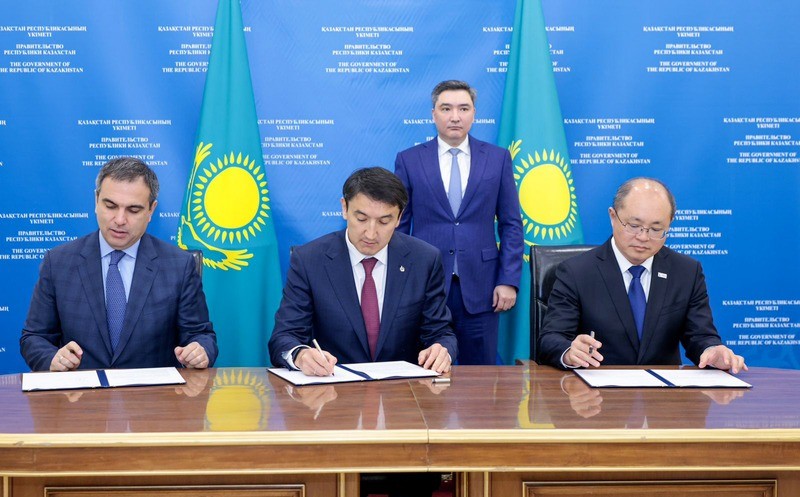
On April 19, a meeting was held between Magzum Mirzagaliyev, Chairman of the Board of KazMunayGas, Zhao Dong, President of the China Petrochemical Corporation (SINOPEC), and Mikhail Karisalov, Chairman of the Board of Russia’s SIBUR LLC. In the presence of the Prime Minister of Kazakhstan Olzhas Bektenov, the parties signed a tripartite protocol officially finalizing SINOPEC's entry into the joint construction of the first integrated gas chemical complex for polyethylene production in Kazakhstan’s Atyrau region. Costing around $7.7 billion, comprising investments of 40%, from KazMunayGas, 30% from SINOPEC 30%, and 30% from SIBUR, the plant will have the capacity to manufacture 1.25 million tons of polyethylene per year, equivalent to 1% of that produced globally. Speaking at the event, Bektenov emphasized the importance of the project due to its focus on the production of high value-added products. According to a report issued by his press office, a gas separation complex (GSC) will be built in Tengiz to supply ethane via pipeline to Karabatan in the Atyrau region to enable the new plant to produce 22 grades of polyethylene using Chevron, Phillips and Univation’s. licensed technology. The use of polyethylene is expansive ranging from medicines, prosthetics and syringes, to plastic wear-resistant pipes, construction materials, car parts, bulletproof vests and clothing for astronauts. It is also commonly employed in the food industry. Scheduled for completion by 2029, the plant’s target markets include Kazakhstan, CIS countries, China, Turkey, and Europe.

The Taliban and its Neighbors: An Outsider’s Perspective

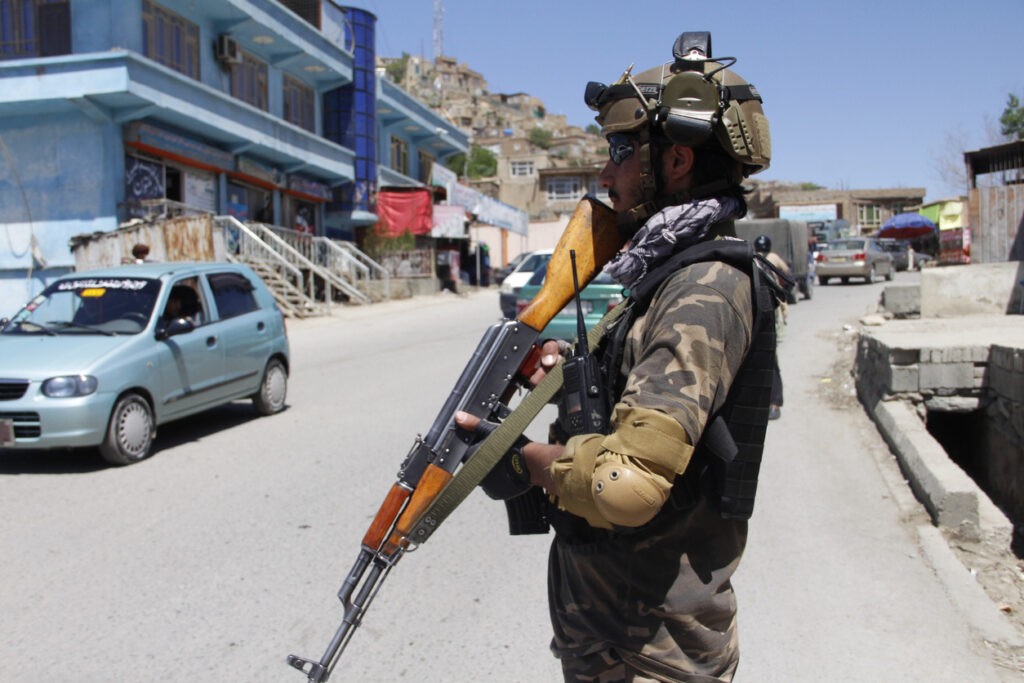
This is part two of a piece of which part one was published here. The topic of a regional approach to solving Afghanistan's problems is increasingly being discussed in various expert and diplomatic circles. The International Crisis Group (ICG), a reputable think tank whose opinion is extremely interesting as part of an "insider vs outsider" set of viewpoints, writes about this in particular. A report from ICG entitled "Taliban's Neighbors: Regional Diplomacy with Afghanistan" is one of the first works to summarize the role and place of the region as regards the situation around Afghanistan. In the voluminous work, the authors touch upon almost all aspects - issues of diplomatic recognition, security, terrorist activity, trade and economic relations within the region, water issues and others. In their conclusions, ICG analysts point out that many steps towards regional cooperation aren't related to Western donors, but European countries should nevertheless be interested. Europeans in particular would benefit from a stable, self-sufficient region that isn't a major source of illegal drugs, migrants or terrorism. But sanctions and other Western measures designed to show disapproval of the Taliban are obstacles to a more functional relationship between Kabul and the countries of the region. Significant progress depends on Western support - or at least tacit acquiescence. While such practical steps need not lead to  recognition of the Taliban regime, they will contribute to regional peace and security. However, experts are concerned that the emerging regional consensus is directly dependent on security and stability issues in Afghanistan - if regional neighbors feel that the government cannot restore order within Afghanistan's borders and contain transnational threats, the consensus may well collapse. If that happens, regional countries may be tempted to choose sides in another intra-Afghan civil conflict, repeating the destructive pattern of past decades. At the same time, experts believe that the first step toward improving regional security cooperation would be to cool down the rhetoric on all sides and get regional players to agree on security issues, even if they have different priorities. Security information sharing within the region also suffers because the Taliban have yet to build a trusted dialog. They lack credibility because of their complete denial of certain threats. Meanwhile, countries in the region and the world are guided by inflated estimates of militant numbers. The ICG's assessments of the security threats posed by Islamic State Khorasan Province (ISKP) are broadly in line with the consensus - in some ways, the growing concern about ISKP is paradoxical due to the fact that the overall level of violence associated with the group has declined over the past two years. The question of whether ISKP could become a more potent transnational threat in the future remains open. So far, its operations outside of its original territory near the Afghanistan-Pakistan border have been limited. On the other hand, ISKP continues to attract recruits from different parts of Central and South Asia and encourages attacks outside Afghanistan - arguably making it the most dangerous armed group in...

Carlsberg Expands Production in Kazakhstan

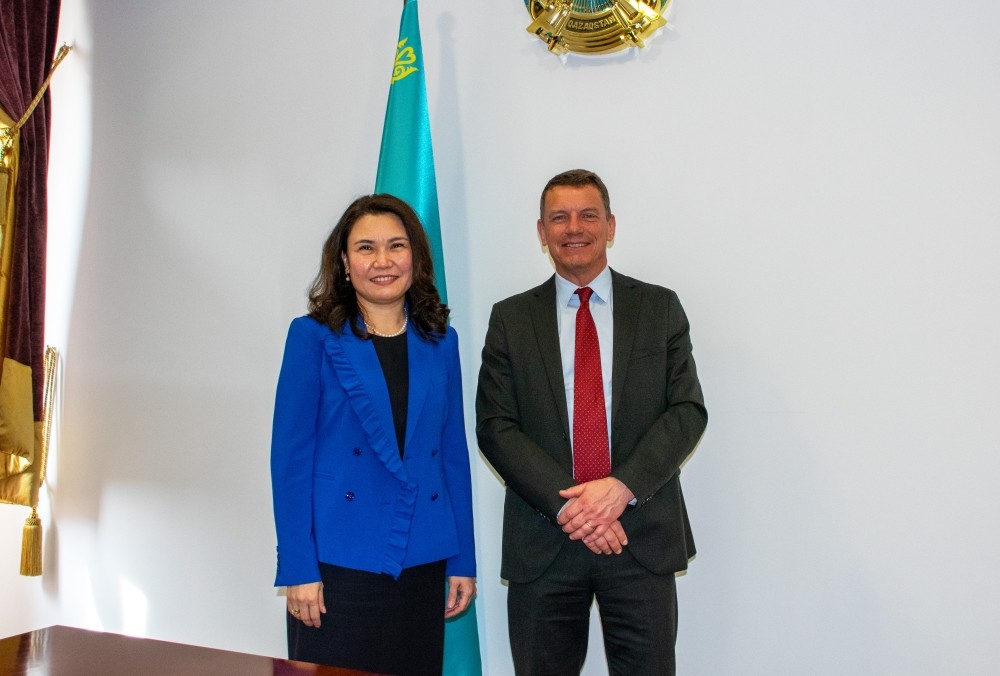
Kazakh Invest has announced that Danish company Carlsberg is to open a new factory in Almaty to produce non-alcoholic beverages worth $50 million. In preparation of its launch, Deputy Minister of Foreign Affairs of Kazakhstan, Nazira Nurbayeva, Chairman of Kazakh Invest, Yerzhan Yelekeyev, and First Vice President for Central and Eastern Europe of the Carlsberg Group, Lars Lehmann met on 18 April. During the meeting, Lars Lehmann thanked the Ministry of Foreign Affairs of Kazakhstan for its support at all stages of the project and pledged the company’s commitment to furthering cooperation with Kazakhstan. Outlining the benefits afforded by the initiative, he reported that the new production facility in Almaty will help ensure 100% localization of brewing and non-alcoholic products for the Kazakh market and in addition, create opportunities for export to Uzbekistan, Kyrgyzstan, Tajikistan, and Armenia. Regarding the company’s existing business in Kazakhstan, Lehmann stated, "Over the past years, Carlsberg Kazakhstan LLP has been consistently included in Kazakhstan's Top 50 largest taxpayers. Our regional hub is also located here. Over the past two years, the share of local raw materials used in our products has increased from 30% to 65% and in the future, should rise to 80%." Carlsberg Kazakhstan currently provides jobs for some 500 employees in Almaty and over 2,000, in distribution companies across Kazakhstan.

Uzbekistan Planning to Abandon State Regulation of Coal Prices

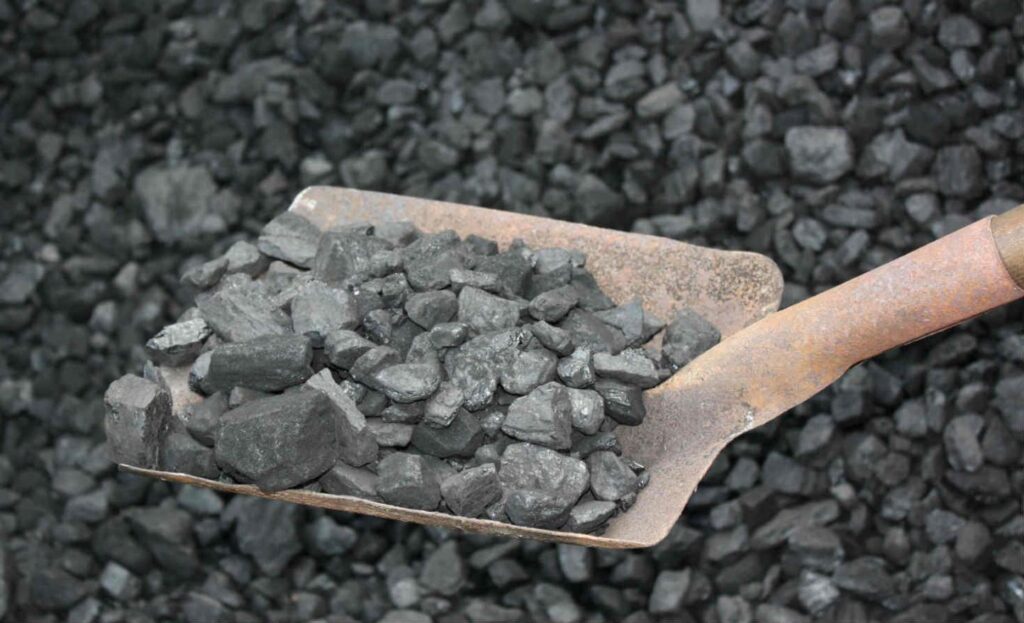
A decision to end Uzbekistan's price caps on coal has been made against the background of rising costs for electricity. To date, hard coal in the country is a social commodity, which is sold to the population at fixed prices. Currently, coal is sold under direct contracts to the population, state organizations and thermal power plants, and because it's included in the list of socially important goods, its price is regulated by the state. Wholesale and retail prices for coal are considered and approved by the Interdepartmental Commission on Tariffs at least once a year (valid through June 1). Retail coal is sold to the population through coal warehouses run by the state company "Kumir ta'minot". The Ministry of Energy, together with other agencies, has a mandate to make proposals for the formulation of wholesale and retail prices "based on market principles" within a month. In 2023 Uzbekistan's coal production rose to 6.19 million tons, up 15.5% from the previous year. However, imports also increased -- 3.1 million tons were purchased from Kazakhstan alone. At the beginning of this year, Uzbek president Shavkat Mirziyoyev instructed domestic mining companies to increase coal production by 22%, taking into account the needs of the population, social sphere and industries. According to experts, the potential of the coal industry is not being properly utilized. At the same time, coal combustion is the main air pollutant in Uzbekistan, especially in Tashkent, which has recently taken a leading position on the list of cities with the worst air quality. During the fall and winter period, greenhouses on the outskirts and industrial enterprises of the Uzbek capital massively use coal and fuel oil as heating and power generation fuel. This has led to a sharp deterioration of air quality indicators and an increase in respiratory diseases among citizens.