Viewing results 1591 - 1596 of 2435
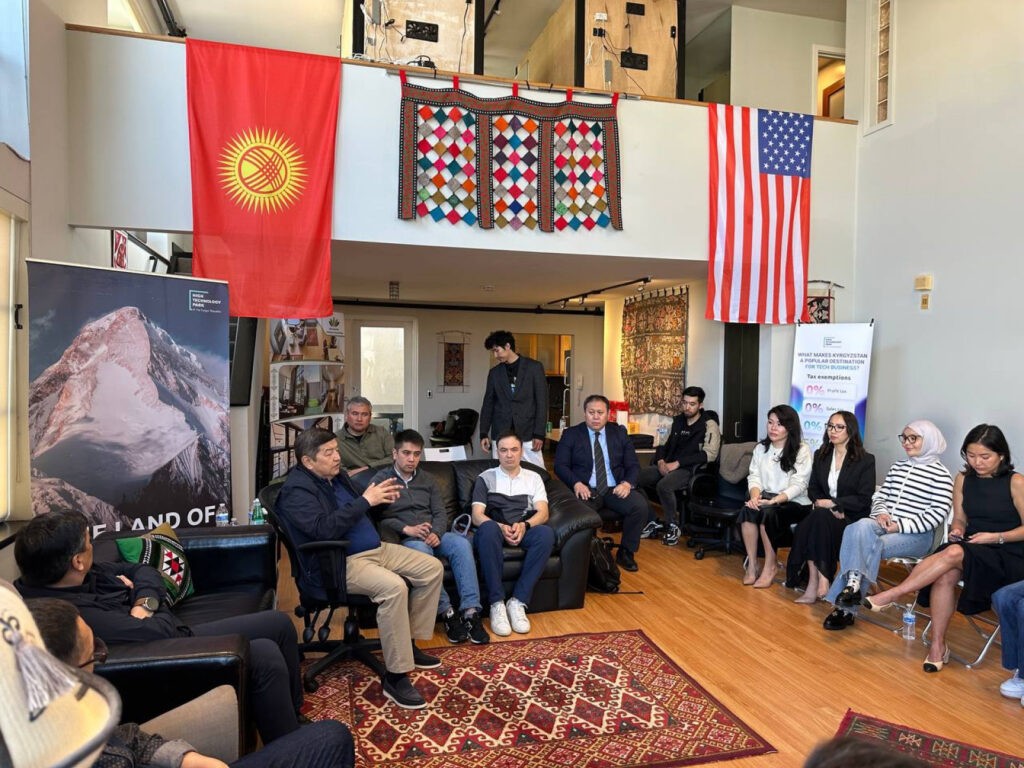
On a visit to San Francisco (USA) on April 21, Chairman of the Cabinet of Ministers of the Kyrgyz Republic Akylbek Japarov was guest of honour at the opening of the High Technology Park (HTP) House of the Kyrgyz Republic in Silicon Valley. Speaking at the event which brought together Kyrgyz IT specialists working in international technology corporations, the prime minister, emphasized the state’s readiness to support IT initiatives and the Cabinet of Ministers’ goal to make Kyrgyzstan a centre of excellence for the development of the industry: “All of you, young people, working in international IT companies are the pride of our country. Your innovation, talent and dedication make us stronger and more competitive on the world stage. It would be great if we could attract your companies to open development centres in Kyrgyzstan. We believe in you, in your capabilities and are ready to support you at every stage of your path to success.” During meetings with IT corporations at the head offices of Apple Inc., the Nvidia Corporation, and Hewlett-Packard, the Kyrgyz delegation led by Akylbek Japarov, focused on prospects afforded by collaboration to enable the government to fulfil its plans to create an IT park in Kyrgyzstan.
The World Bank has given Uzbekistan a soft loan of $50 million to grow its digital economy. The loan will help employ about 9,000 young people -- including 4,500 women and 360 persons with disabilities -- in IT-related services. The funds will also be used to create 11 IT service centers, and train 6,200 people in digital skills, communication and foreign languages. The program, which will run until 2029, foresees the creation of a legislative framework in the IT sphere. The IT sector's contribution to Uzbekistan's GDP remains insignificant -- it was just 1.9% in 2022.
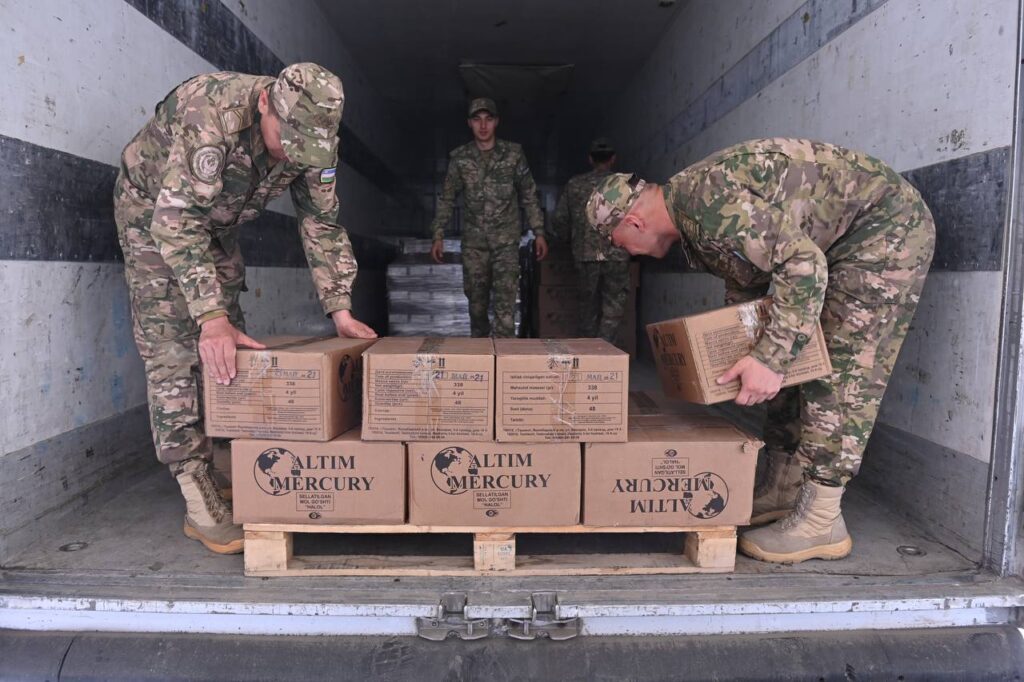
The people of Uzbekistan plan to send humanitarian aid to the people of Kazakhstan affected by the spring floods, according to a report by news outlet 24.KZ. The initiative was proposed by a group including a local blogger, activists and Kazakhs living in Uzbekistan. Residents of Upper Chirchik, Tashkent region, sent hundreds of liters of vegetable oil and bedding. There are also people bringing inflatable boats, rubber boots and personal hygiene items to the collection center. Uzbeks also organized fundraising, with the amount of funds raised reaching 60 million sum (~$4,700). According to 24.KZ, the volunteers planned to send humanitarian aid to Kazakhstan on April 19 to a village affected by the flood in the Kostanay region. Humanitarian aid has been sent to the people affected by the floods in Kazakhstan. Fifteen large trucks will deliver food, clothes, blankets, blankets, pillows, hygiene products, special equipment tents, rubber boat kits and other essential items.
The Kyrgyz government has completed the resettlement of residents of the Barak exclave, a portion of a country separated from the Kyrgyz mainland that is completely encompassed by Uzbekistan. That's according to a report by the TV channel ELTR. All houses and social infrastructure in Barak were dismantled and moved to Kyrgyzstan. Ninety-eight families were temporarily placed in different areas of Osh region, with some of them staying with relatives, and others placed in rented houses. According to the report, the government of Uzbekistan allocated 208 hectares of land to Kyrgyzstan in exchange for Barak. The Kyrgyz government plans to build housing in this area and settle the relocated families. Barak is a rural settlement with a total area of about 4 square kilometers, where 1,250 people lived. It was the largest exclave of Kyrgyzstan, surrounded on all sides by the Uzbek region of Andijan's Korgontepa district. Barak is located 1.5 kilometers from the border with the Kyrgyz mainland. In 2018 Kyrgyzstan and Uzbekistan agreed on an exchange of land plots whereby Kyrgyzstan would receive the territory of Barak, and in return swap an equivalent plot of land adjacent to the village of Aktash in the Karasuv district. However, the exchange did not take place. In November 2022 Kyrgyzstan announced that it had reached a final agreement on the exchange of territories with Uzbekistan, giving the green light to the current resettlement plan.
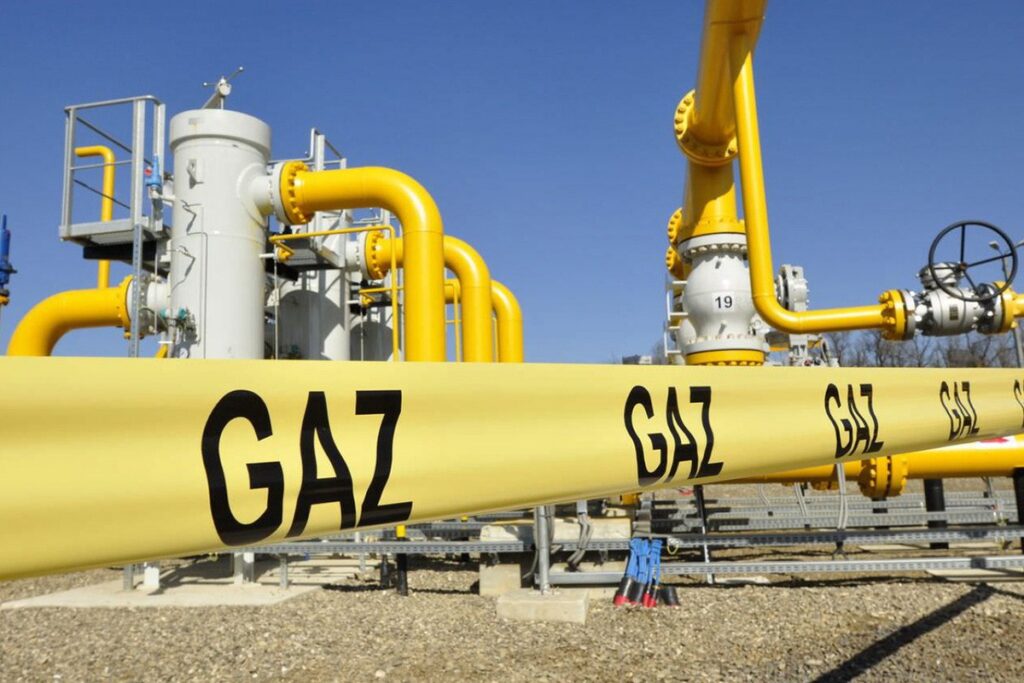
In the first quarter of 2024 Kazakhstan took delivery of 500 million cubic meters of Russian gas, according to a report by the Ministry of Energy of Kazakhstan, who said that the import of blue fuel from Russia is under a contract between state energy companies JSC QazaqGaz and PJSC Gazprom. According to the agreement between the companies, fuel imports are made only when necessitated by the gas demand of the domestic Kazakh market against the background of peak consumption in winter -- and exclusively at the request of the Kazakh side. According to QazaqGaz, the wholesale cost of Kazakh gas is more than 60% higher than the retail price in the country. At the end of last year, the national company incurred $392 million in losses from the sale of natural gas on the domestic market. Experts say that the possibility of gas shortages in the country depends on the growth rate of domestic consumption and stability of commercial fuel supplies from domestic natural gas producers. If there is a shortage, it can be covered by imports assured by the national company. However, in order to prevent shortages of gas in the medium and long term, QazaqGaz has increased its commercial gas reserves, started to develop new fields, and undertaken construction of new -- and refurbishment of existing -- gas processing and gas transportation facilities. Earlier, Boris Martsinkevich, an energy expert and editor-in-chief of the Russian publication Geoenergetika, described Kazakhstan as a gas-dependent country. In his opinion, 2024 will be a milestone year for Kazakhstan. This is the year when Kazakhstan's fields will not be able to meet the needs of the domestic market. Martsinkevich's statements were made against the backdrop of a sharp decline in gas exports and an increase in gas imports.
Following their second reading, the Mazhilis (lower chamber of parliament) of the Republic of Kazakhstan has adopted the bills "On Mass Media" and "On Amendments and Additions to Certain Legislative Acts of the Republic of Kazakhstan in the Field of Mass Media," sending them to the Senate for consideration. The documents are designed to regulate the professional activities of mass media outlets. The new amendments are evoking mixed reactions. One of the key proposals was the right of the Ministry of Foreign Affairs to deny accreditation to foreign media and their representatives if they pose a threat to national security. This initiative provoked opposition from representatives of the media, who consider such regulations a mechanism for suppressing freedom of speech. "The draft law proposes a regulation on the introduction of press cards, granting the right to simplified accreditation to individual journalists. Frankly speaking, this norm caused great controversy in the working group and society as a whole. The overwhelming majority of the working group members regarded this rule as one that contradicts democratic principles, discredits journalists, and hinders the comprehensive dissemination of information. Therefore, a specific decision was made on this: the rule on press cards was excluded," said Mazhilis representative, Zhanarbek Ashimzhanov, answering journalists' questions. Other changes proposed in the draft laws include combining online publications and news agencies into the category of "internet publications," as well as shortening the statute of limitations for journalist legal requests and setting shorter deadlines for responding to media inquiries. Among other rules, members of the Mazhilis also proposed introducing a ban on the publication of materials about LGBT themes and topics. These changes were critically evaluated by experts, and these regulations were not included in the final document as members of the working group concluded that it contradicts both Kazakhstani and international legislation.