• KGS/USD = 0.01144 0%
  • KZT/USD = 0.00216 0%
  • TJS/USD = 0.10663 0%
  • UZS/USD = 0.00008 0%
  • TMT/USD = 0.28530 0%
  • KGS/USD = 0.01144 0%
  • KZT/USD = 0.00216 0%
  • TJS/USD = 0.10663 0%
  • UZS/USD = 0.00008 0%
  • TMT/USD = 0.28530 0%
  • KGS/USD = 0.01144 0%
  • KZT/USD = 0.00216 0%
  • TJS/USD = 0.10663 0%
  • UZS/USD = 0.00008 0%
  • TMT/USD = 0.28530 0%
  • KGS/USD = 0.01144 0%
  • KZT/USD = 0.00216 0%
  • TJS/USD = 0.10663 0%
  • UZS/USD = 0.00008 0%
  • TMT/USD = 0.28530 0%
  • KGS/USD = 0.01144 0%
  • KZT/USD = 0.00216 0%
  • TJS/USD = 0.10663 0%
  • UZS/USD = 0.00008 0%
  • TMT/USD = 0.28530 0%
  • KGS/USD = 0.01144 0%
  • KZT/USD = 0.00216 0%
  • TJS/USD = 0.10663 0%
  • UZS/USD = 0.00008 0%
  • TMT/USD = 0.28530 0%
  • KGS/USD = 0.01144 0%
  • KZT/USD = 0.00216 0%
  • TJS/USD = 0.10663 0%
  • UZS/USD = 0.00008 0%
  • TMT/USD = 0.28530 0%
  • KGS/USD = 0.01144 0%
  • KZT/USD = 0.00216 0%
  • TJS/USD = 0.10663 0%
  • UZS/USD = 0.00008 0%
  • TMT/USD = 0.28530 0%

Viewing results 91 - 96 of 744

Uzbek Authorities Dismantle Major Telegram-Based Drug Trafficking Network

Uzbek customs officials have dismantled a large-scale regional drug trafficking network operating via the Telegram messaging app, revealing one of Central Asia’s most extensive online narcotics markets. Several key distributors were arrested in a series of coordinated operations carried out in August and September 2025, according to Uzbekistan’s customs service. At the center of the investigation was a darknet drug marketplace known as “Deadpool,” which had been active since 2017 and maintained a following of around 4,000 subscribers. On August 31, a special operation in the Khodjaobod district of Andijan region led to the arrest of a suspect caught with 602 grams of alpha-PVP, a synthetic stimulant. The drugs had been smuggled from Kyrgyzstan. Investigators determined that the individual had been working with the Deadpool network since 2023 and was involved in distributing nearly 50 kilograms of synthetic drugs over a two-year period. A second major operation was conducted on September 10 in the Zangiota district of Tashkent region, where two additional suspects were detained while receiving a package containing 492.2 grams of clephedrone. Authorities stated that both individuals had been affiliated with the network for at least six months and were responsible for distributing over 12,500 doses of synthetic drugs. Each distributor reportedly managed a network of at least 10 “zakladchiki,” or low-level dealers, who placed drugs in public spaces such as parks and areas near educational institutions across multiple districts of Tashkent. A criminal case has been opened, and investigations are ongoing. The crackdown in Uzbekistan coincides with a broader regional effort to combat synthetic drug trafficking. In Kazakhstan, Interior Minister Yerzhan Sadenov reported that authorities seized 6.4 tons of narcotics during the first half of 2025. This included 570 kilograms of synthetic substances, nearly double the amount seized during the same period last year and led to the closure of 103 illegal drug laboratories. Kazakhstan's law enforcement also blocked more than 17,000 drug-related websites, detained 474 suspects, and disrupted 63 smuggling operations. Among those arrested were 28 administrators of similar Telegram drug distribution channels.
EU Criticizes Tajikistan for Failing to Arrest Putin on ICC Warrant

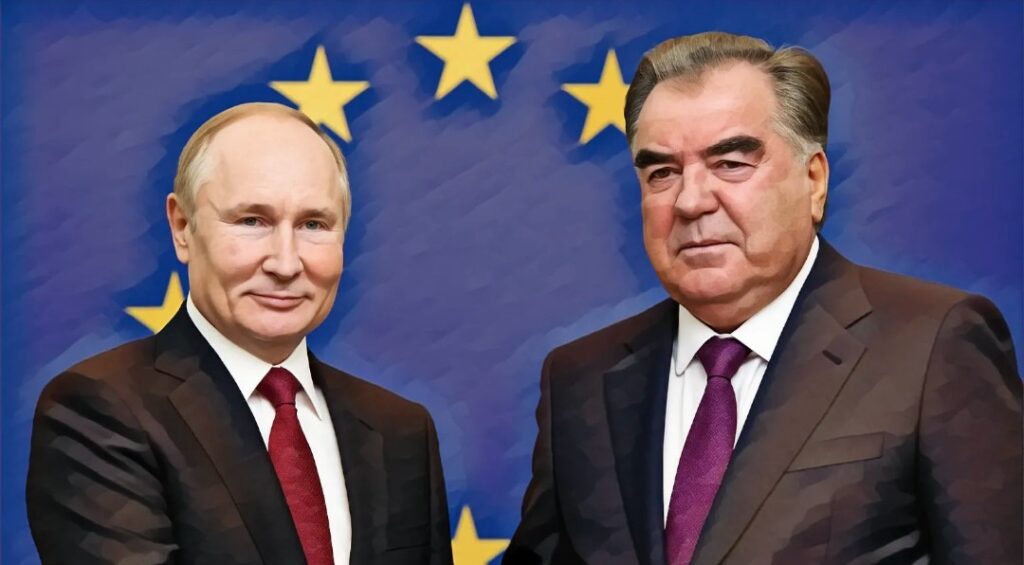
The European Union says Tajikistan was obligated under international law to arrest Russian President Vladimir Putin during his visit to the Central Asian country for a regional summit this week. “Tajikistan is a State Party to the Rome Statute of the ICC (International Criminal Court) and failed to comply with its obligations under the Statute to execute the arrest warrant,” the EU’s diplomatic service said in a statement on Thursday. “Vladimir Putin is under an arrest warrant by the ICC for international crimes, specifically alleged crimes of unlawful deportation and unlawful transfer of children from temporarily occupied Ukrainian territories in the context of his illegal war of aggression against Ukraine,” the service said. Russia rejects the authority of the court, which issued the warrant for Putin’s arrest in March 2023. Tajikistan signed the Rome Statute, which established the International Criminal Court, in 1998. But it maintains close political, economic, and security ties with Russia. At a joint appearance with Putin in Dushanbe on Thursday, Tajik President Emomali Rahmon noted the “high level of relations between Tajikistan and Russia." Putin also met the leaders of Kazakhstan, Kyrgyzstan, Turkmenistan, and Uzbekistan at the Russia-Central Asia summit.

Old Kazakhstan in Retreat: The Fate of Nazarbayev’s Allies

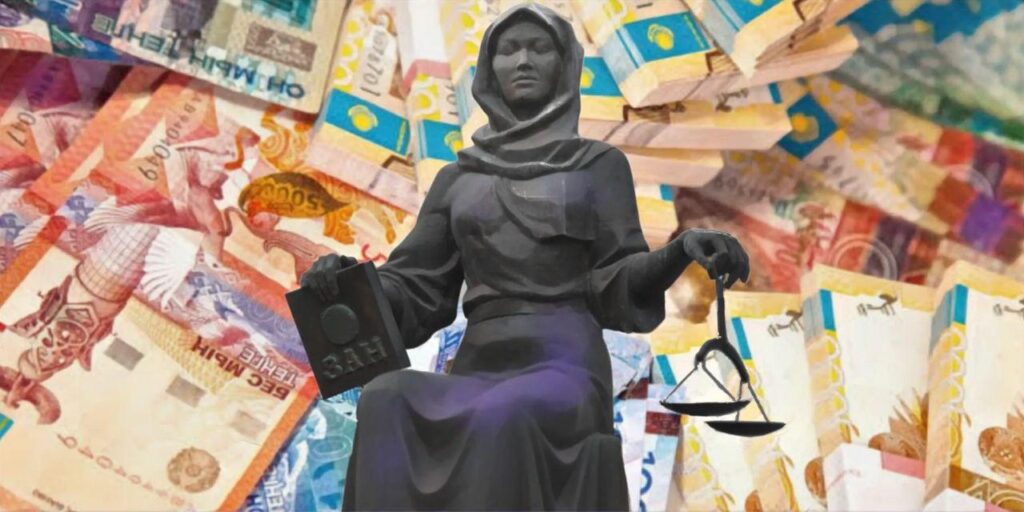
Since early 2022, the influence of the so-called “Old Kazakhstan” - the political and business circle that once surrounded former President Nursultan Nazarbayev — has been steadily eroded. Institutions have been reshaped, loyalties tested, and the once-untouchable elite has found itself under unprecedented scrutiny. Yet the names of Nazarbayev and his closest allies still surface regularly in courtrooms, parliament debates, and media headlines. Are these prosecutions and investigations an attempt to build President Kassym-Jomart Tokayev’s vision of a “Fair Kazakhstan,” or do they mark a new phase of elite score-settling under the banner of reform? The Times of Central Asia examined the fortunes of six figures from Nazarbayev’s inner circle to trace the shifting balance of power. Nurbоl Nazarbayev Recent headlines have revived scrutiny of Nazarbayev's nephew Nurbоl Nazarbayev, the son of his late brother Bolat. Authorities have launched bankruptcy proceedings against him, citing debts of approximately 58 billion tenge ($107 million). His assets and bank accounts have been frozen, and he is subject to travel restrictions. Under the current law, Nurbоl will be barred from taking out loans for five years, registering as an individual entrepreneur, or conducting major financial transactions without notifying the relevant authorities. His assets may be liquidated to repay creditors, with the exception of his primary residence. Once listed as Kazakhstan’s 57th richest businessman by Forbes Kazakhstan, he held ownership stakes in Prime Capital Invest and Prime Capital Holding, was a co-owner of PLS Construction Company and PLS-TM, and the majority shareholder of the Almaty Heavy Machinery Plant. This legal action follows a parliamentary inquiry into a previously sealed court case initiated by the General Prosecutor’s Office. The court ordered the confiscation of assets worth 57 billion tenge ($105.5 million) and imposed a fine of 925 million tenge ($1.7 million), along with penalties totaling 230.4 million tenge ($425,000). Members of parliament, Rinat Zaitov and Ermurat Bapi, have both demanded transparency in the case. Zaitov called for a comprehensive audit of Nurbоl’s assets, including those linked to the Altyn Orda market and land plots in Almaty and its surrounding areas. Shortly afterward, Bapi echoed the call, referencing a complaint from a Karaganda businessman who claimed his company was seized in a raid involving Nazarbayev’s circle. Bapi criticized law enforcement for closing the case, calling it “a betrayal of the President’s vision of a Fair Kazakhstan.” Zhomart Ertayev Zhomart Ertayev, a flamboyant banker once sentenced to 11 years for embezzling 144 billion tenge ($266 million) from Bank RBK, was unexpectedly released earlier this year under an amnesty, according to the Committee of the Penal System. However, a month later, parliament deputy Abzal Kuspan announced that the court’s decision had been overturned, and a formal appeal to the Prosecutor General’s Office led to Ertayev’s re-arrest. Ertayev previously held refugee status and a Russian residence permit, both of which were revoked after Kazakhstan issued an international warrant for his arrest. Kairat Boranbayev Kairat Boranbayev, a prominent businessman and former in-law of the Nazarbayev family, was arrested in 2022 and...

Lawyers for Crocus City Hall Victims Seek Agalarov Asset Seizure

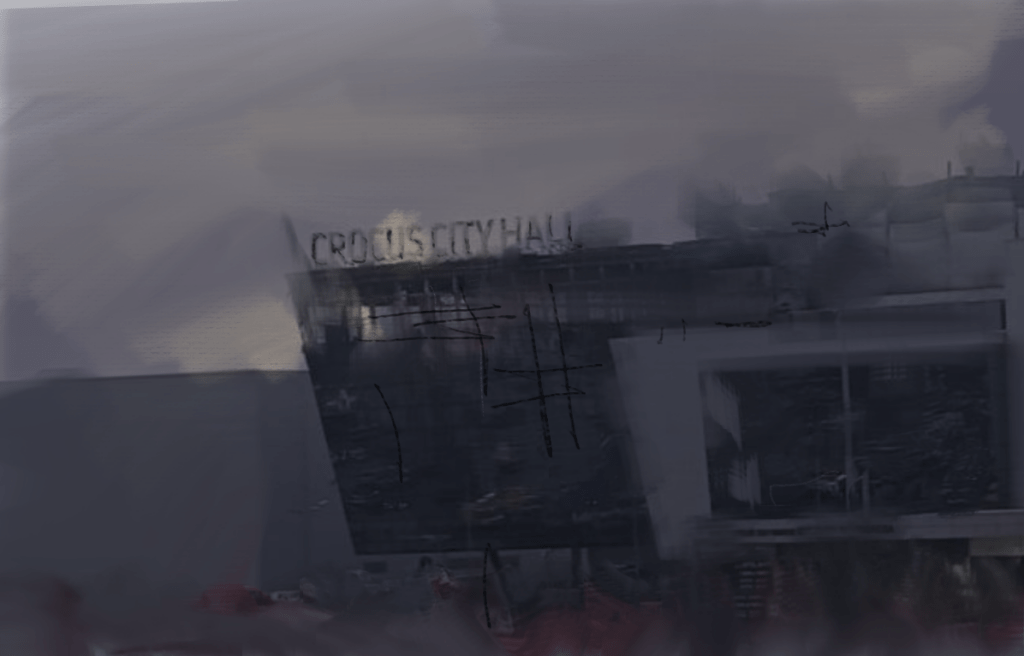
Lawyers representing victims of the March 2024 terrorist attack at Crocus City Hall near Moscow have petitioned Russia’s Investigative Committee to freeze the assets of businessmen Araz and Emin Agalarov. Attorney Igor Trunov, who represents several victims, told RBC, a major Russian business news outlet, that the request targets companies under the Agalarovs’ Crocus Group: JSC Crocus, the private security firm Crocus Profi, and JSC Crocus International. According to Trunov, JSC Crocus was responsible for the fire suppression system and evacuation mechanisms at the venue. Crocus Group organized cultural events at Crocus City Hall, while Crocus Profi provided security services. Lawyers argue that these companies failed to ensure adequate safety and should bear partial responsibility for the attack’s human toll. “We are requesting data from the Unified State Register of Rights to identify remaining assets, as properties are being sold and funds moved abroad,” Trunov said. He added that the petition forms part of the broader criminal investigation, which includes two separate proceedings: one targeting the perpetrators of the attack, now in court, and another examining the actions of those responsible for managing the building. The Crocus City Hall attack occurred on March 22, 2024, when armed assailants stormed the concert venue during a performance and set fire to parts of the building. The attack killed 146 people and injured hundreds more, making it one of the deadliest terrorist incidents in modern Russian history. In addition to the terrorism charges, a parallel case was opened in March under Article 238 of Russia’s Criminal Code, which covers the provision of services that fail to meet safety standards when such violations result in deaths. Investigators concluded that the fire suppression system did not activate, allowing the blaze to spread rapidly. The use of highly flammable construction materials during renovation further intensified the disaster. According to Trunov, at least 45 people died directly from extreme heat and toxic smoke inhalation, deaths that might have been prevented had safety systems functioned properly. The Agalarov family, long prominent in Russia’s business and entertainment spheres, has also faced scrutiny in Central Asia. In Uzbekistan, Araz Agalarov’s plans to develop the Sea Breeze Charvak resort complex near Tashkent sparked intense public backlash earlier this year. Environmental activists raised concerns about the potential destabilization of fragile clay soil along the Charvak reservoir and broader ecological risks. Despite widespread opposition, the Uzbek government approved the project, fueling national debates on transparency, environmental governance, and the role of foreign developers in the tourism sector. RBC reported that it had requested comment from representatives of the Agalarovs regarding the asset seizure petition, but no official response has been issued. For the victims’ legal teams, the central question is whether accountability for the Crocus City Hall massacre will be confined to the attackers themselves or extended to those responsible for ensuring the safety of one of Russia’s most prominent cultural venues.

Uzbekistan Launches $20 Million School Climate Resilience Project with Restituted Funds

Uzbekistan has launched a $20 million initiative to enhance climate resilience and improve water, sanitation, and hygiene (WASH) infrastructure in schools, marking the first major investment of restituted assets recovered from abroad. The project, titled “Modelling Climate Resilience and WASH in Schools,” officially begins on October 1. It is part of a broader commitment made in April by the Ishonch Fund Management Committee, which outlined how recovered assets from Switzerland would be used to fund education and community development initiatives. The commitment was reaffirmed during the Namangan Poverty Reduction Forum in September. Background: The Ishonch Fund The Ishonch Fund was established under a restitution agreement between Uzbekistan and Switzerland, in accordance with the UN Convention Against Corruption (UNCAC). In February, Uzbek Minister of Justice Akbar Tashkulov and Swiss Ambassador Konstantin Obolensky signed an agreement in Tashkent for the return of $182 million in confiscated assets linked to Gulnara Karimova, daughter of former president Islam Karimov. These funds, seized in Switzerland, are being transferred via the UN Uzbekistan Vision 2030 Multi-Partner Trust Fund. Project Scope and Impact The $20 million project targets 45 rural schools across Uzbekistan. Planned upgrades include access to clean water, modern sanitation, improved heating systems, and renewable energy technologies. Officials say these improvements will reduce energy consumption by 30% and cut greenhouse gas emissions by 50%. The initiative will directly benefit more than 31,500 students, particularly adolescent girls, who will have access to gender-sensitive facilities. Additionally, 2,700 teachers and administrators will be trained in climate resilience, WASH practices, and community engagement. International Support and Oversight Obolensky called the initiative a landmark achievement in the restitution process. “Switzerland is proud to see restitution resources being transformed into visible, corruption-resistant investments that directly benefit the Uzbek people,” he said. “With this project, we are ensuring that 31,500 children will learn in healthier, safer, and more dignified environments, a true symbol of restitution serving development.” At the Namangan forum, Obolensky emphasized that the school modernization project reflects Switzerland’s long-term commitment to ensuring that returned assets support public interests. Governance and Accountability Uzbekistan’s Deputy Minister of Economy and Finance, Ilkhom Norkulov, underscored the project’s alignment with the national reform agenda. “By investing in climate-resilient schools and introducing new governance tools, we are building both infrastructure and accountability for generations to come,” he said. UN Resident Coordinator Sabine Machl added, “By combining clean water, modern sanitation, and climate resilience with transparency and community oversight, we are not only investing in schools but also in trust, equity, and the future of every child.” To ensure transparency, the initiative will be tracked via My Better School, a digital platform that allows communities to monitor budgets, contractors, and timelines in real time. A pilot Integrity Pact will also be used to safeguard procurement processes. Officials say this model of restitution-financed development could guide future national school modernization efforts, while helping align Uzbekistan’s education system with international standards for climate adaptation and gender equality.

Uzbekistan Uncovers Criminal Network Trafficking Human Organs

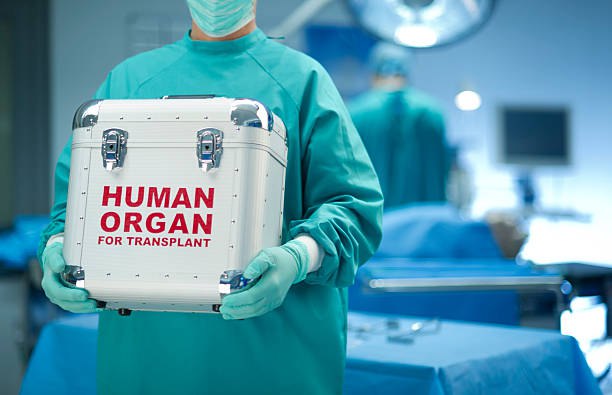
Uzbekistan’s State Security Service and Ministry of Internal Affairs have uncovered a transnational criminal network involved in the illegal trafficking of human organs. Authorities report that the group included 12 individuals from Tashkent and the Tashkent, Fergana, Bukhara, and Kashkadarya regions. The suspects allegedly used social media platforms to identify patients with kidney and liver conditions, while simultaneously recruiting healthy individuals willing to sell their organs in exchange for large sums of money. With the help of accomplices abroad, the group reportedly forged identity documents to present donors as close relatives of patients, thereby enabling organ transplants to be carried out at a private clinic in a neighboring country. Investigators said that between 2023 and 2025, at least 32 patients underwent kidney or liver transplants arranged by the network. Large payments were collected from recipients, with portions paid to the clinic and donors, while the remainder was divided among the organizers. In cases where patients experienced complications or failed to improve post-surgery, the group allegedly sold them strong painkillers at inflated prices. Criminal charges have been filed under provisions of the Criminal Code related to illegal organ trafficking, document forgery, smuggling, and drug-related offenses. The case has now been referred to the court system for further proceedings. Illegal organ trade has emerged as a broader regional issue. In April 2024, Kyrgyzstan’s State Committee for National Security (SCNS) announced the arrest of individuals connected to an international network facilitating black-market organ sales. According to the SCNS, the group identified wealthy foreign patients willing to pay high prices for transplants and recruited Kyrgyz citizens as donors using fraudulent methods. Donors received between $1,000 and $7,000 for a kidney, while the organizers reportedly earned up to $70,000 per operation.